Connecticut – The Western Coastline of Long Island Sound
The western coastline of Connecticut is a long urban stretch of cities extending westward from New Haven through Fairfield County. The urban stretch crosses into the state of New York and continues growing until it reaches Manhattan. Along the northern coast of Long Island Sound, lies a series of relatively large cities that now serve as suburban dwellings for the large metropolis to the south.
- The series of large cities was once a line of small towns belonging to the historic Fairfield County.
- Towns built along the many river estuaries flowing south into the Long Island Sound.
- These towns were built by British settlers and can still be seen in the cores and centers of today's cities.
How long should you plan for a trip along the western coast of Long Island Sound?
For a trip through the cities of Fairfield County from Greenwich to Bridgeport, it's worth dedicating at least half a day. To explore the entire coastline including New Haven and the cities on the eastern shore of Long Island Sound, you'll need at least two full days of travel.
It's highly recommended to find accommodation in New Haven, which is right in the middle of Connecticut's coastal route.
Click here to check availability and prices for hotels in New Haven…
6 Must-See and Do Activities on the Western Coast of Long Island Sound
- New Haven and Yale University
- American Impressionism at the Bruce Museum in Greenwich
- The nature around New Canaan and its charming downtown
- Shopping in Stamford downtown
- The sailing boats of Norwalk
- Seaside Park and Perry Memorial Arch in Bridgeport
Click here for the comprehensive guide to touring Connecticut…
What is the Western Shoreline of Connecticut?
- The western coastline of Connecticut on the northern shore of Long Island Sound is one of the most industrialized and urban areas in New England
- The area is the northern contiguous part of the metropolitan New York City, with a continuous built-up area stretching from New Haven (actually from Hartford, the capital of Connecticut) to Manhattan
- The urban area is characterized by historic city centers but mostly by a suburban lifestyle closely tied to commuting towards Manhattan, about an hour to an hour and a half drive from the coastal cities.
- The coastal cities belong to Fairfield County, the southwestern corner of Connecticut.
- Along the coast lies a series of important historic cities such as Stamford, Norwalk, Milford, and Greenwich. The largest and most significant is Bridgeport, the most populous city in Connecticut.
- The heart of these cities has a New England character, with marina harbors, sailing ships, and of course, excellent seafood restaurants offering exquisite oysters and lobsters.
- In the suburban areas, you'll find numerous large estate homes belonging to the more famous residents of New York. Many movie actors reside in the cities of Fairfield County.
Map of the western coastline of Connecticut
How to get to the western coastline of Long Island Sound?
- The western coastline of Connecticut is merely a technical geographic designation. In reality, it is part of the northern side of the vast New York metropolitan area.
- The connection of the cities on the western side of Long Island Sound is much more with New York City than with Hartford or New Haven, and the access to these cities is mainly from the direction of the big city.
- The suburban area is well connected to Manhattan. I-95, which runs along the Atlantic coast, passes close to all the major centers of Connecticut's western coastline cities.
- The highway connects the cities to Manhattan with a drive of less than an hour from Greenwich in the west to an hour and a half from New Haven and Yale University.
- An Amtrak rail line also runs more or less along the same route, connecting the major cities of the coastline with Pennsylvania Station and Grand Central Station in Manhattan.
- Route 1 also runs the same path but it is much slower than the 95.
- Route 95 connects the west coast with New Haven and further east to the east coast cities all the way to Cape Cod in Massachusetts.
- The driving distance from Bridgeport to Cape Cod is about two and a half hours via Providence, the capital of Rhode Island.
- Access to Boston is via Route 84 which connects Hartford with Boston, the capital of Massachusetts. The travel time from New Haven to Boston is about two to two and a half hours.
Click here for all the information on car rental in the USA + useful tips and significant discounts…
How to plan a travel route on the west coast of Long Island Sound?
Planning a trip along the western coast of Connecticut between Westchester County, New York, and New Haven is especially simple and easy.
- It's a linear route that runs along the coastline of Long Island Sound, following the I-95 highway or its counterpart, Highway 1, which runs closer to the shore
- The interesting places in the area are geographically close to one another, with driving distances not exceeding an hour from one side to the other
- In principle, the trip is based on short drives and stops near the centers of interesting towns, including a short detour north to New Canaan
Click here for trip planning in Connecticut and professional consultation…
When to Visit the Western Coast of Connecticut?
- The ideal time to visit the area is in spring and summer
- In summer, there is a huge flow of tourists leaving New York heading towards all the New England states
- In the fall, the same massive movement happens again, so many come in September to see the iconic foliage of New England.
- In winter, the entire area is cold and hard to navigate.
- During the summer and the fall foliage days, there can also be traffic jams along the route connecting New York with Boston.
- Late fall and winter in the area are gray and cold.
Hotels and Accommodations on the Western Shoreline of Long Island Sound
- In Fairfield County's cities, it's worth finding a place to stay either in the downtown centers of major cities like New Haven and Bridgeport, or in motels near I-95 or Route 1.
- In the downtown of Yale, in the streets south of the New Haven Green, there's a row of good urban hotels rated three and four stars. These hotels also serve the professors and businesspeople heading to the nearby Yale University campus.
- Hotels in downtown New Haven are largely privately owned, although there are a few belonging to the major American chains.
- Another lodging option in New Haven, besides the urban hotels, is motels. Motels are the preferred lodging choice throughout the USA (excluding New York City and Manhattan) and are directly connected to the highway system.
- The motels near New Haven are located close to Interstate 95 and its split onto 91, right near downtown.
- Many large hotel companies have motels near New Haven, including Super 8, Best Western, and the Marriott and Hilton brands.
Click here to find accommodation in New Haven's hotels and motels…
All there is to see and do on the Fairfield County coastline
Greenwich
The small town of Greenwich is the technical gateway to New England from New York. The town is the first in a continuous row of historic towns that today serve mostly as commuter towns for the New York metropolitan area, along the Long Island Sound. Greenwich is the southernmost and westernmost town in Connecticut, located in the western part of Fairfield County along the border with New York State and Westchester County. The travel time from Greenwich to the Bronx in New York City is less than half an hour by car. The town is home to around sixty thousand people, most of whom live in the vast suburban area surrounding the ancient town nucleus.
The town was established in 1640 by British settlers who came from the New Haven colony. The center of the town is the long Greenwich Avenue, which stretches from Greenwich Harbor and the Interstate 95 northward. The street is lined with excellent restaurants, upscale department stores, and a few entertainment options.
Bruce Museum
Near the Greenwich harbor is the new building of the Bruce Museum, which combines an art collection with a display of science and nature, including a charming mineral collection. The museum's art collection has a significant representation of the movement known as the American Impressionists, featuring artists such as Frederick Childe Hassam, John Henry Twachtman, Emil Carlsen, and others.
Many artists gathered at the Bush-Holley House, a house from 1730 that served as a meeting place for a group of artists called the Cos Cob art colony, from which came some of the best American Impressionist artists. Today, the house serves as a period museum.
Stamford
The center of Stamford is a ten-minute drive east of downtown Greenwich. Needless to say, the two cities are practically connected with built-up areas in the massive suburban expanse along the Long Island Sound shore. Stamford is the third-largest city in Connecticut, roughly the size of New Haven, with a population of 135,000. Stamford's downtown is adjacent to I-95 to the north and is known as a popular shopping destination.

- Downtown Stamford features several large malls like the Stamford Town Center, Landmark Square, a branch of the Macy's department store, and an abundance of major American brands for shopping
- The main street of the city is Broad Street. It intersects with the bustling Bedford Street, lined with excellent restaurants and lively nightlife
- The most captivating building in the city is the First Presbyterian Church, located north of downtown. This modern structure, shaped like an acute triangle, features stunning stained glass windows and iron accents in an interior space also shaped like an acute triangle.
New Canaan
The town of New Canaan is like a fun getaway from the Connecticut shoreline a bit further into the state. It's just a twenty-minute drive north of Stamford. This small city is home to twenty thousand residents and, unlike the larger urban stretch to its south, offers a pastoral and almost rural feel combined with classic New England houses. The town feels like a taste of rural northern beauty, similar to the New Hampshire or western Massachusetts.
The main street of New Canaan is Elm Street, a charming and peaceful street lined with restaurants and galleries. Surrounding the small town center is an abundance of enchanting New England greenery, with plenty of streams, natural sites, and huge golf courses favored by the county's wealthy residents.
Norfolk
The city of Norfolk is located west of Darien and Stamford, just a fifteen-minute eastward drive from downtown Stamford. Norfolk is a relatively large city, home to about one hundred thousand people, but its center resembles a small town with the classic New England scenery. The main street in the city is Washington Street.
The city center is situated on the bank of the great estuary of the Norfolk River. South of the city center is the city's marina, home to several yacht clubs and countless sailboats. Just north of Washington Street, towards Highway 95, you will find the Maritime Aquarium at Norwalk. This aquarium serves as an underwater observatory in what is like a fascinating nature reserve filled with fish and marine creatures. It's one of the most popular places in Fairfield County to visit with kids.
Bridgeport
Bridgeport is the largest city in Connecticut, with a population of about one hundred and fifty thousand people. The city lies less than a half-hour drive west of New Haven and half an hour from Greenwich, at the western edge of the state. It sits at the mouth of the Pequonnock River.
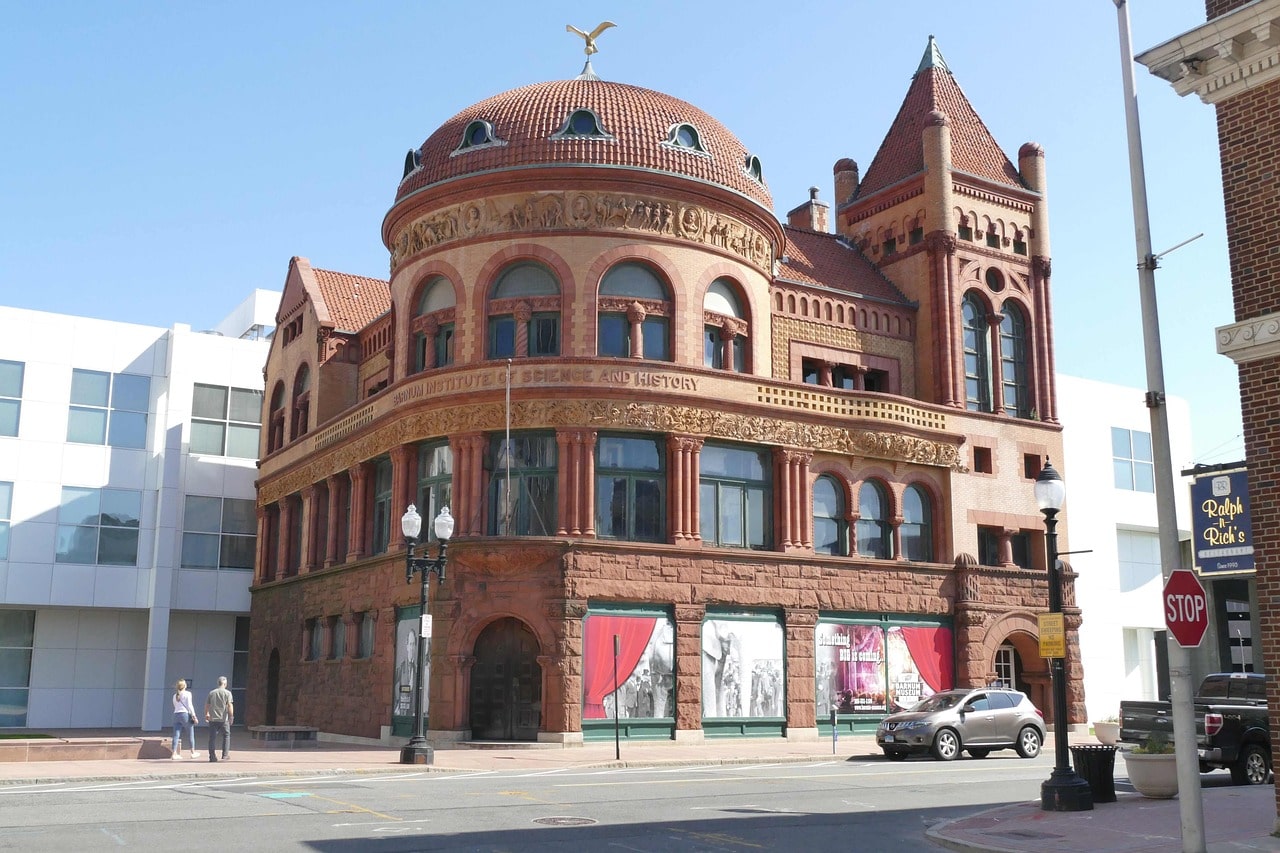
Downtown Bridgeport is located on the west bank of the river's estuary. The city center is quite small and drab, with Main Street serving as the main thoroughfare, hosting restaurants and hotels. On the southern part of Main Street lies the unique Barnum Museum. This building, made of terracotta bricks, was constructed in the late 19th century in a Neo-Byzantine style.
South of Downtown Bridgeport lies the city's university campus. South of the campus is the charming Seaside Park, which features pleasant paths for walking right along the Long Island Sound shoreline. The entrance to the park from the university campus is through the impressive Perry Memorial Arch, built entirely from granite in 1920.
Beardsley Zoo is located a ten-minute drive north of Downtown Bridgeport, next to Bunnells Pond.
New Haven and Yale University
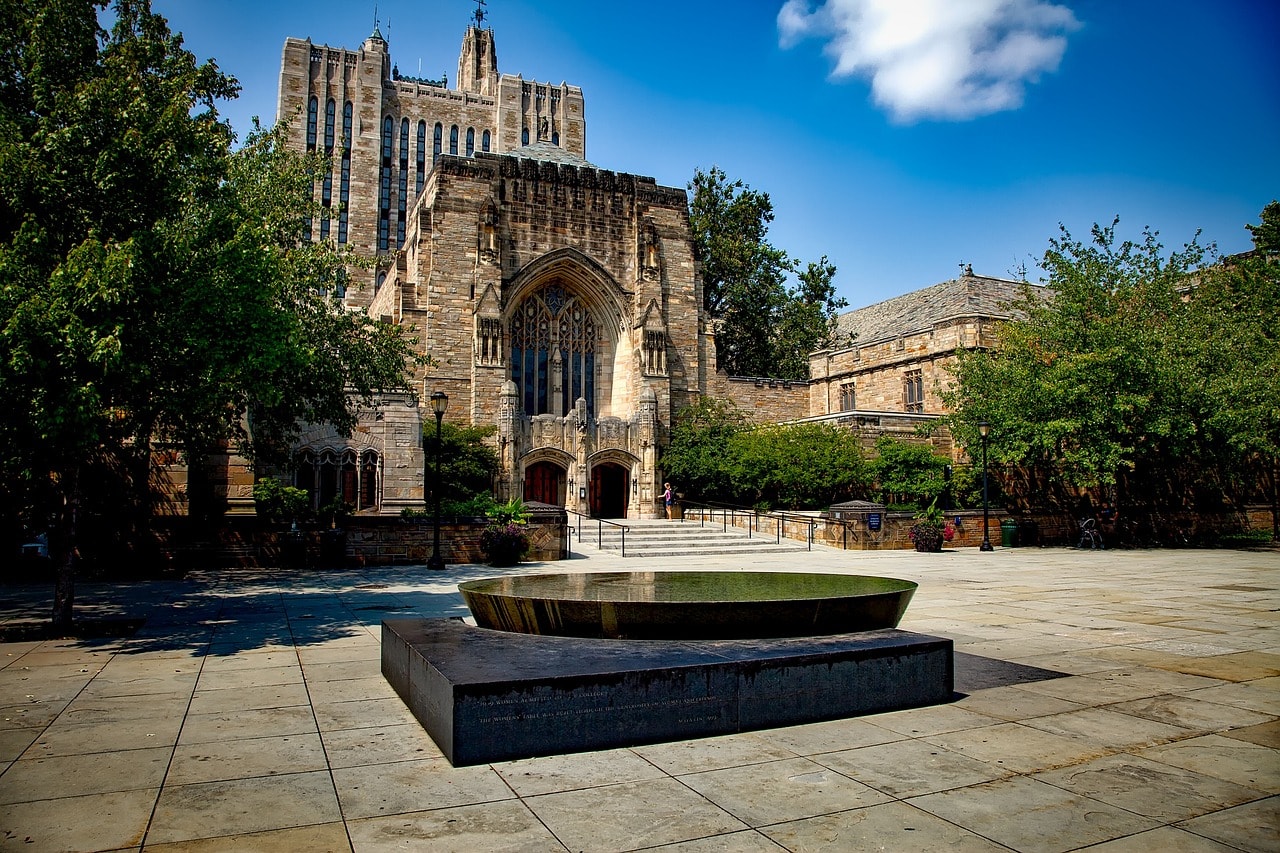
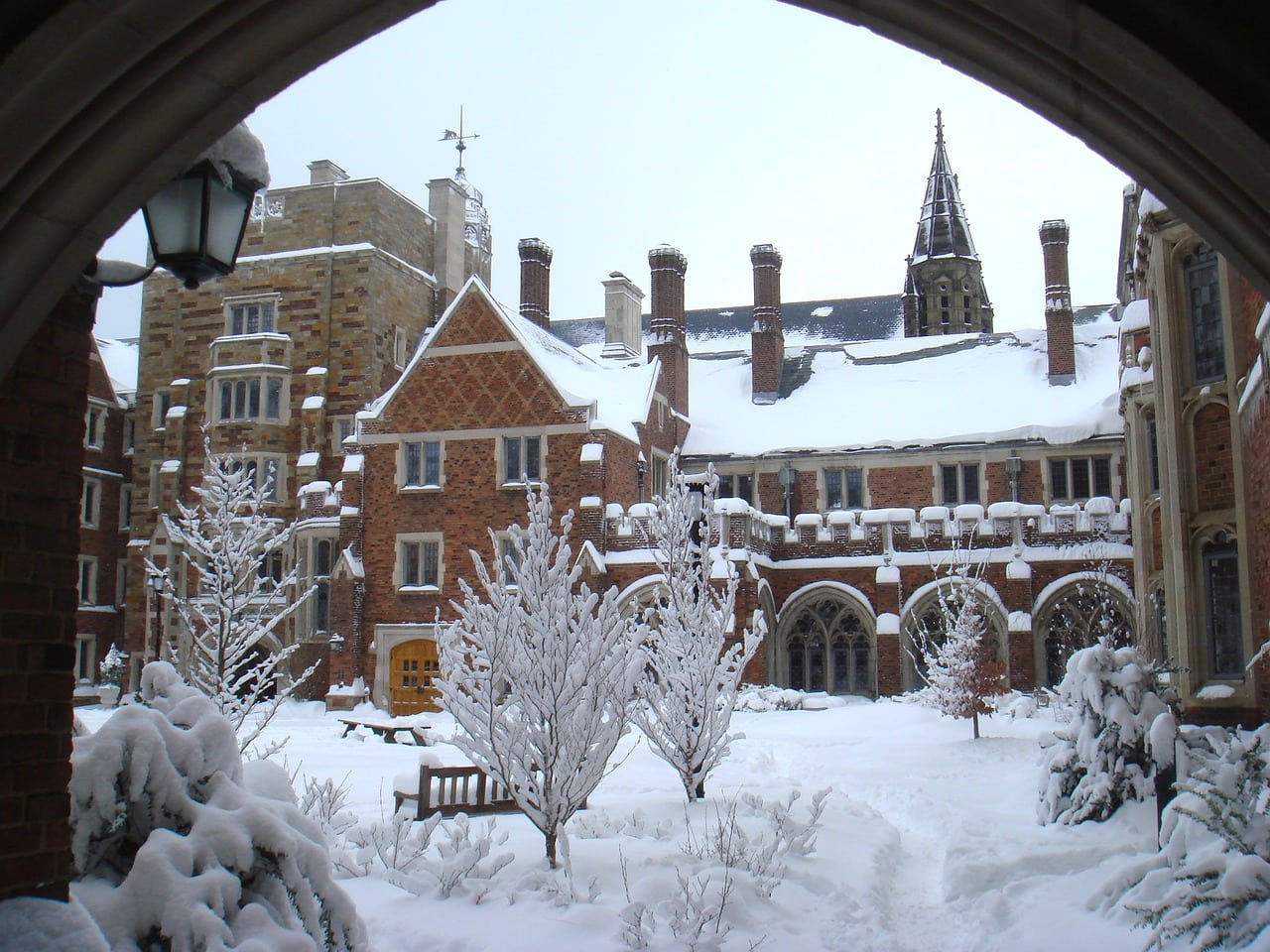
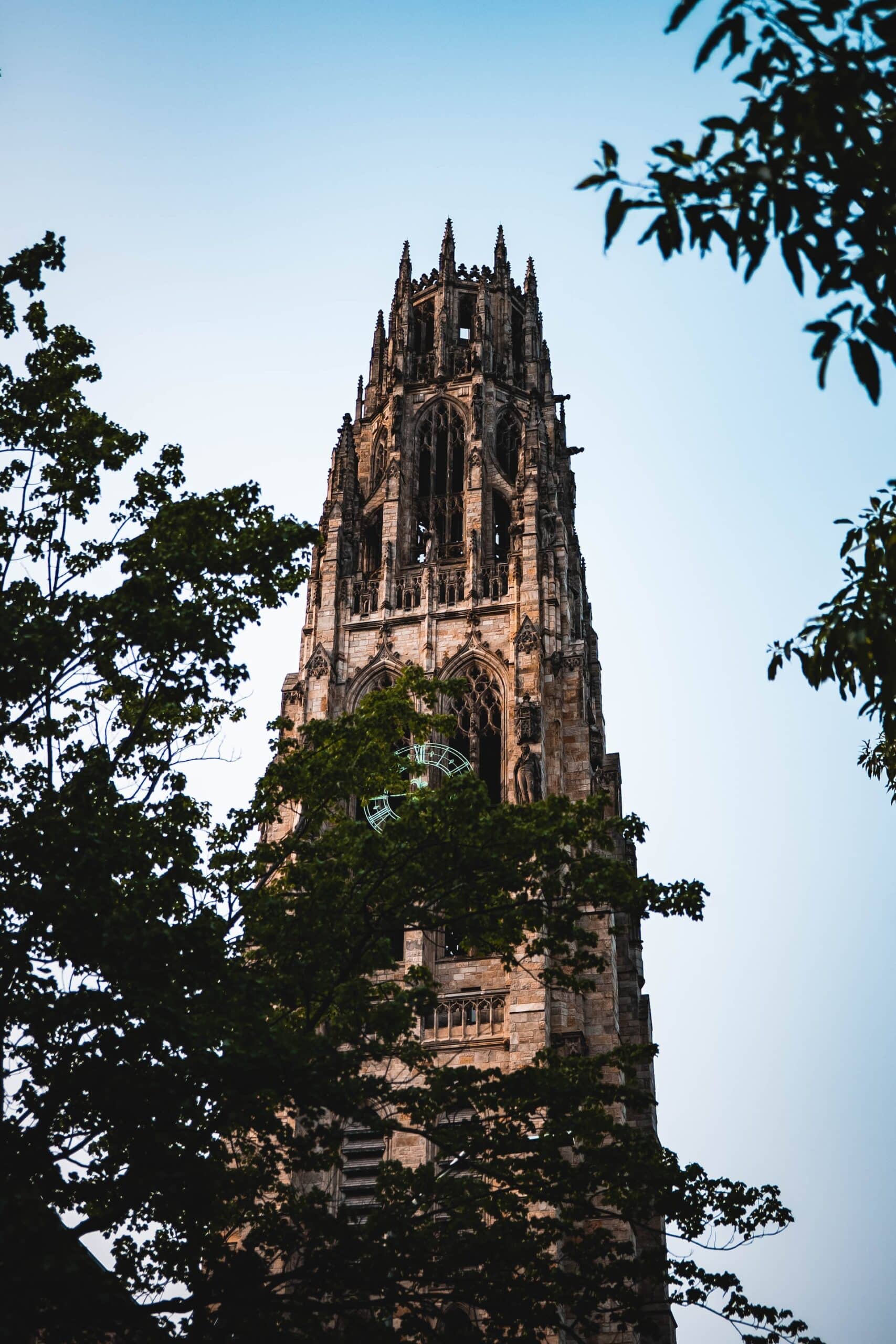
New Haven and Yale University are almost like one unified urban entity. Yale is perhaps one of the leading and most famous universities in the world, located right in the heart of New Haven and the university campus is truly part of the city's fabric.
Yale was established by Puritans from Harvard University, and since then the two leading universities in the U.S. have competed against each other for the title of the most important university in the world.
New Haven itself is a charming college town, with a small downtown area featuring tall buildings casting shadows among 18th-century buildings that still remain from the historic city. The city and the university campus are home to many excellent museums, green parks, and fascinating buildings.
What is New Haven?
The city itself was founded in 1638 as a Puritan colony and over the years developed into an important industrial city. The city's urban planning is one of the first in American cities, with the Puritans designing its center in a grid pattern around New Haven Green, intended to be the focal point.
- With the opening of Yale University, New Haven went through rapid development and became the central city in the state. Today, New Haven is the second-largest city in Connecticut after Bridgeport
- The city is home to 130,000 people, a fifth of whom are affiliated with the university, either as students or faculty members
- The historic center of New Haven stretches along the southern streets to the New Haven Green park. The park is the southern boundary of the massive university campus that stretches north towards the Prospect Hill Historic District
- The city is situated at the mouth of the Quinnipiac River into Long Island Sound and is part of a long line of developed northern coastal areas of the sound
- On the technical side, the city is seamlessly connected in a built-up area with New York City, which is just an hour and a half drive west along the coast.
Click here for everything you need to know about a trip to New Haven and Yale University…