Plymouth and Cape Cod – All the information
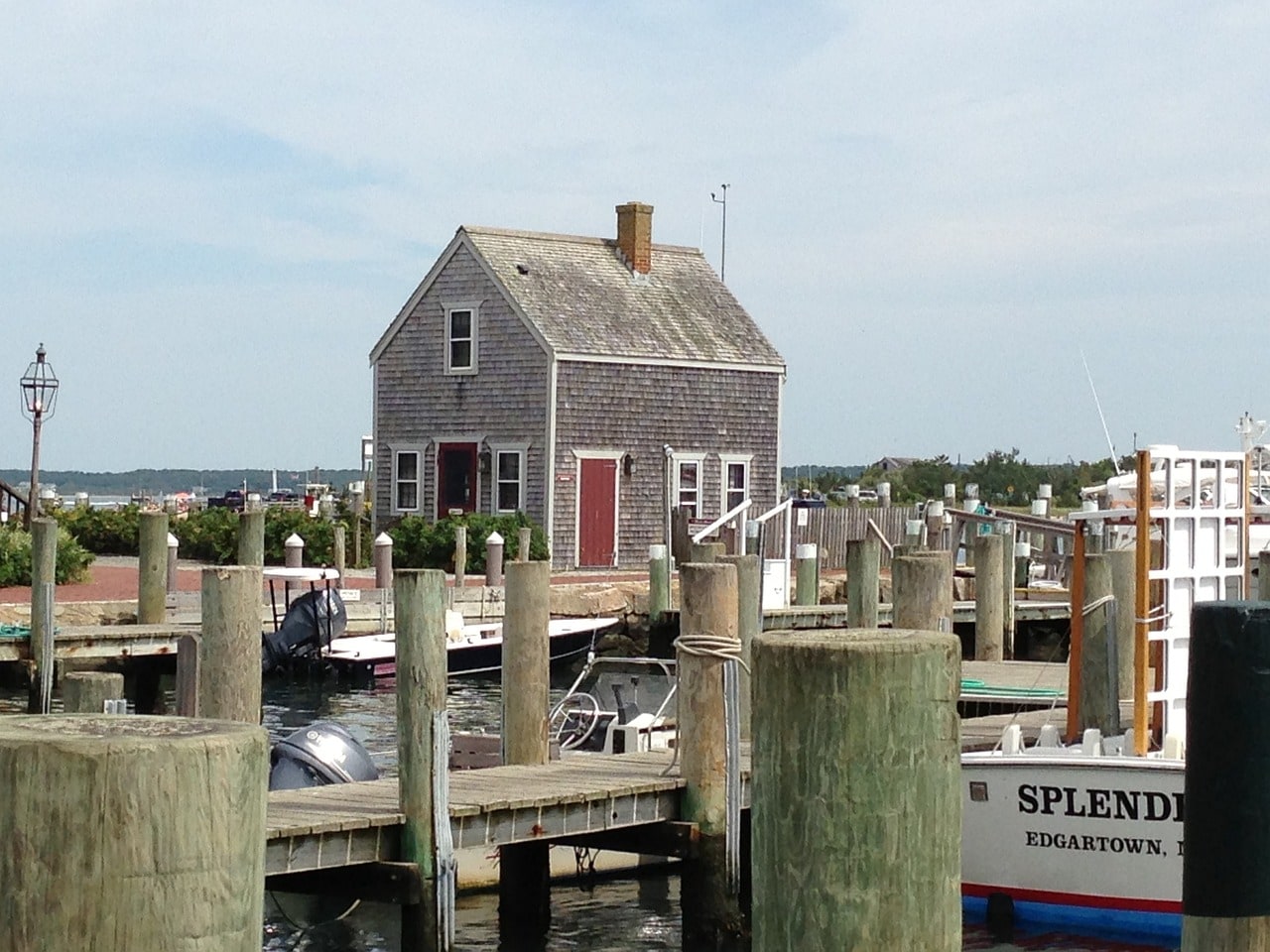
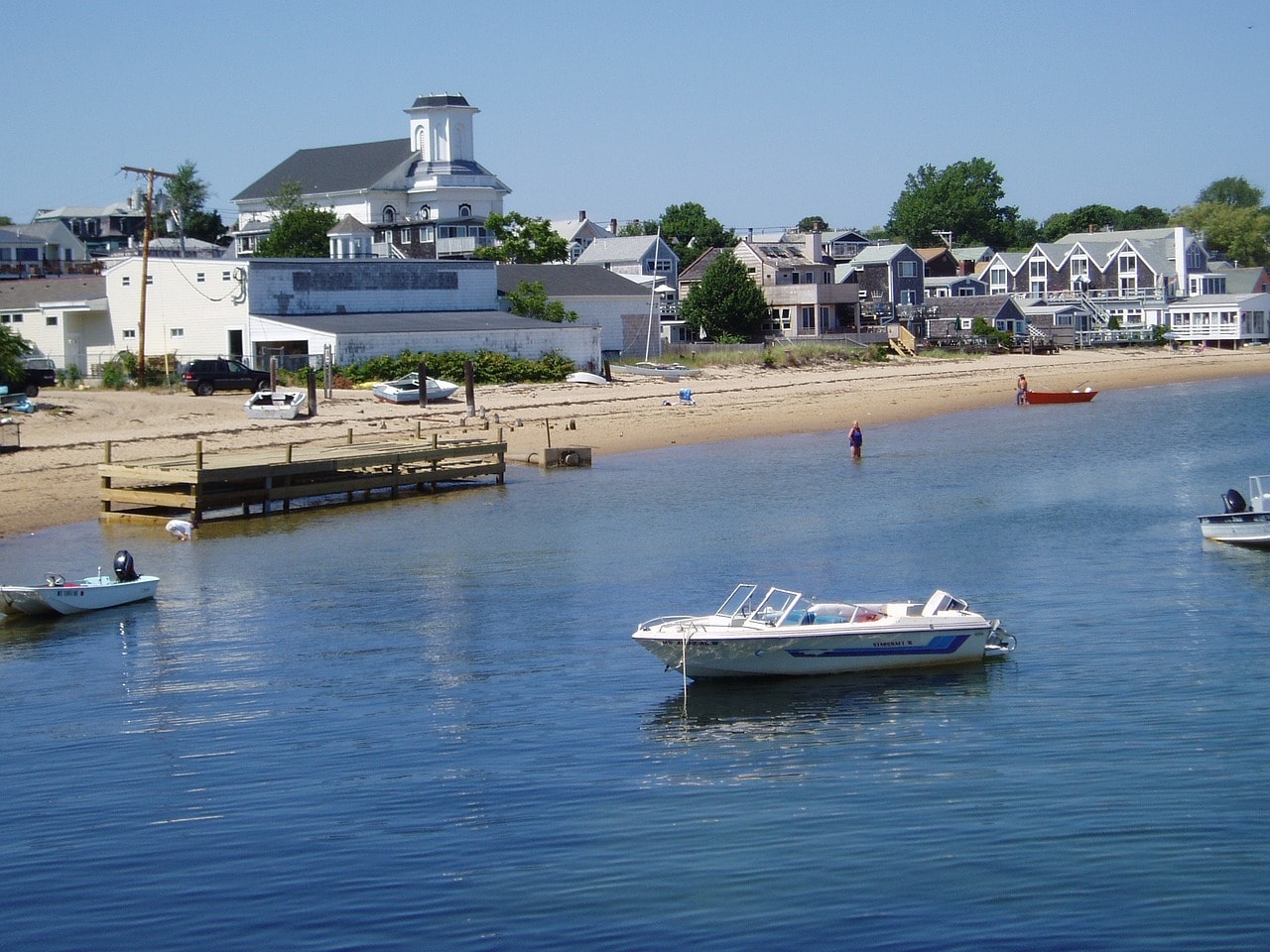
The southern coast of the state of Massachusetts is full of unique natural sites, vast bays, charming towns that have become significant summer tourist destinations, and many fishing and whale-watching boats. The main attraction along the coast is Cape Cod. The cape is a place of nature, pastoral artist towns, and stunning beaches. South of the cape are the islands of Martha's Vineyard and Nantucket, from which whale watching is possible. The city of Plymouth is the largest in the area, located a short drive south of Boston.
What should you know about Plymouth and Cape Cod?
- Plymouth is the first British settlement point in New England
- The city plays an important role in the mythology of American patriotism, as it is where the legendary pilgrim ship, the Mayflower, landed
- Today's Plymouth is closely connected to the ship and the settlement of the British Puritans in New England
- Its center is entirely dedicated to commemorating the settlement in the early 17th century, bustling with tourists and visitors keen to witness the beginnings of the American ethos.
South of Plymouth lies the long stretch of Cape Cod. This unique peninsula, shaped like a flexing arm, is one of the most popular and prestigious holiday destinations for residents of New England and the entire northeastern USA.
- The Cape and the islands south of it – Nantucket and Martha's Vineyard, are filled with private estates of New England's wealthy, making the area a popular vacation spot teeming with tourists and visitors.
- Cape Cod is home to many former fishing villages that have now become tourist and leisure destinations.
- Provincetown, at the northern tip of the Cape, has evolved over the years into a popular artists' colony, boasting the most stunning views of the bay waters.
How much time should you spend touring Plymouth and Cape Cod?
For a full trip exploring the southeastern part of Boston, including a cruise to Martha's Vineyard and/or Nantucket, you should dedicate at least four days.
When touring Cape Cod, it's highly recommended to find accommodation in the more attractive towns of the Cape
Click here to check availability and prices for hotels in Cape Cod…
8 things you must see and do in the southeastern corner of Massachusetts?
- Climb to the top of the Pilgrim Monument and Provincetown Museum at the northern tip of Cape Cod
- Walk in the footsteps of the Mayflower and the founding Pilgrims of the USA in downtown Plymouth
- Get intimately acquainted with the nature of Cape Cod on the White Cedar Swamp Trail
- Cruise to Martha's Vineyard and Nantucket
- Cape Cod Museum of Natural History in Brewster
- Explore the historical sites of the town of Sandwich
- Trace the Kennedy family's legacy in Hyannis
- The Cultural Center and Art Museum in Dennis
Click here for an organized day tour from Boston to Plymouth and Cape Cod…
How to get to Plymouth and Cape Cod?
- Plymouth is less than an hour's drive from downtown Boston
- Boston's Logan International Airport – BOS is just an hour's drive from Plymouth and an hour and a half from the major towns of Cape Cod. There are direct flights from Ben Gurion Airport or it can also be reached by a transfer in New York
- You can also easily reach Plymouth and Cape Cod from Providence, the capital of Rhode Island. The city has an airport well connected to other airports in the USA
- The drive from Boston to Plymouth and Cape Cod is along Atlantic Coast Highway 3. Route 6 runs all the way along Cape Cod to Provincetown. Ferries to Martha's Vineyard and Nantucket depart from several southern Cape Cod ports
- The terminal at Woods Hole is the most convenient place to sail to Martha's Vineyard, with a sailing time of about an hour
- The most convenient way to reach Nantucket is either from Martha's Vineyard or from Hyannis Harbor with a ferry ride of just over two hours
For a fast ferry ride from Boston to Plymouth and Cape Cod, click here…
Map of Cape Cod
When to visit Cape Cod and Plymouth?
- The best time to visit Cape Cod is during the summer. In summer, Cape and the islands of Martha's Vineyard and Nantucket are especially magical. The stable and pleasant summer weather allows for boats and cruises that follow the movement of whales. During this time, the towns are filled with all the goodness of New England and a large number of tourists (mostly Americans)
- Traveling to the southeastern corner of Massachusetts is limited to the summer and spring seasons. Spring is also a wonderful season, a bit chilly but the nature is simply stunning
- In winter and late autumn, the area is frozen (including particularly freezing winds) and can be stormy.
- Outside of the season, many businesses are not operating, and the beautiful towns keep to themselves until the snow melts.
Click here for ferry tickets from Boston to Provincetown…
How to plan a trip to Cape Cod and Plymouth?
- The trip planning in the area is based on a linear route from Plymouth to Provincetown at the northern tip of Cape Cod.
- Interstate 3 connects Plymouth with Route 6, which comes from Providence, the capital of Rhode Island.
- Route 6 runs across the entire ‘arm' of Cape Cod to Provincetown, with everything to see along the way. If you want to sail (or take a short flight) to Martha's Vineyard and Nantucket, the starting point is Hyannis, the main town in southern Cape Cod.
Click here to plan your trip in Plymouth and Cape Cod and get professional advice…
What is the southeastern corner of Massachusetts?
What is Plymouth?
- Plymouth is among the first European settlements in the USA (after Jamestown settlement in Virginia) and the first settlement in New England
- The city was established by the passengers of the Mayflower ship, known as the Pilgrim Fathers of America. They landed on the Massachusetts shore in 1620
- The ship's passengers were Puritans from Britain who initially gathered in the university city of Leiden in Holland after leaving England due to disagreements with the Anglican establishment. Initially, they sailed from Leiden with the Mayflower, but the ship broke down. They set out again on a journey to the New World from the port city of Plymouth in southern England, naming the city they founded in New England after it. They landed at the famous Plymouth Rock on the city's present-day coast. According to tradition, the city also hosted the Thanksgiving meal where the Puritans met with the Native American tribes
Click here for wine tastings and alcoholic jelly in Plymouth…
Today, Plymouth is home to about sixty thousand people. The city's main street is the Main Street, lined with hotels, restaurants, and shops. Along Water Street, on the waterfront of the bay, you will find all the city's historical sites related to the docking of the Mayflower and the early 17th-century settlement.
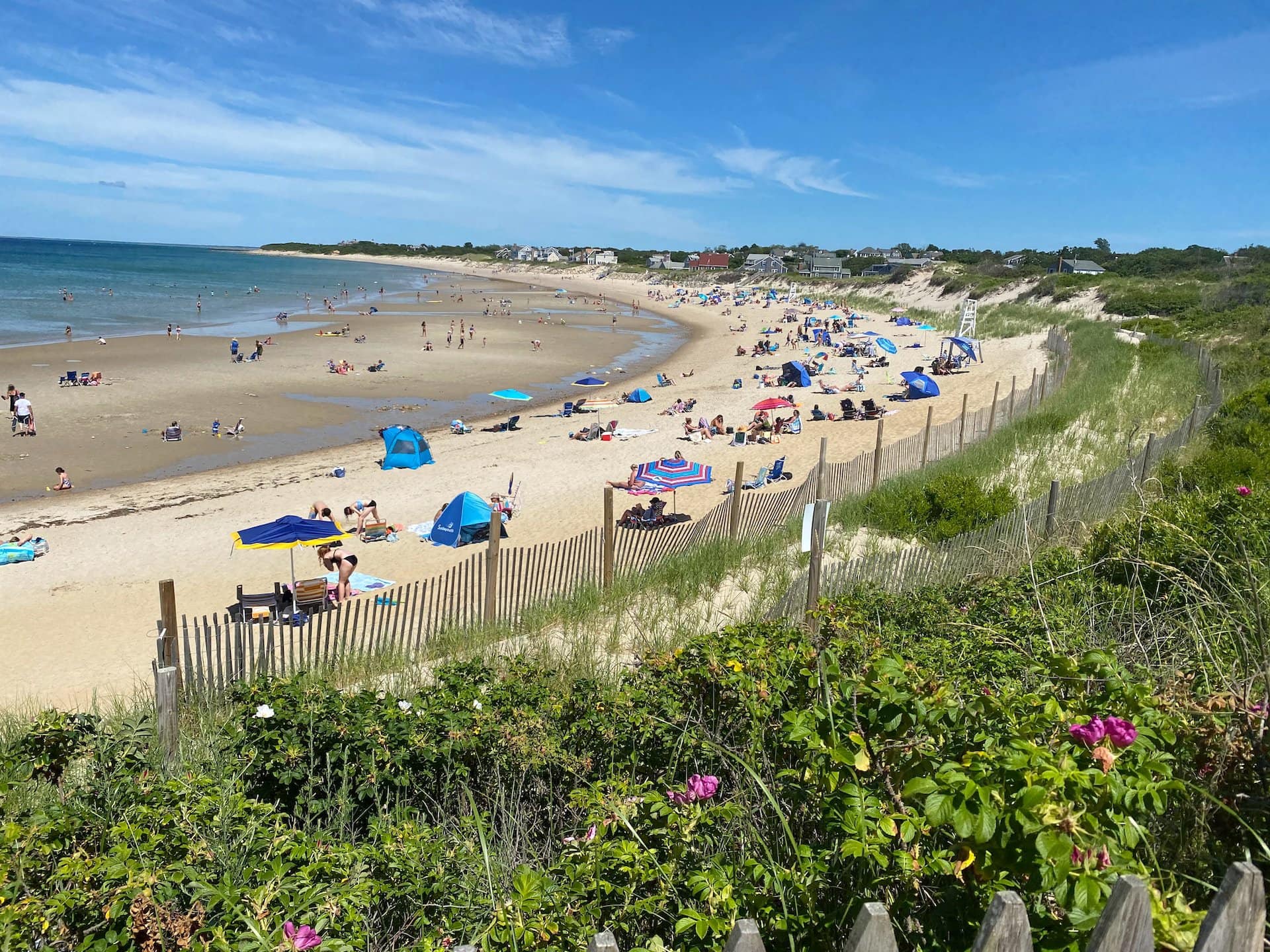
What are Cape Cod and the islands of Martha's Vineyard and Nantucket?
- The southeastern corner of Massachusetts is a unique geographical formation that over the years has become a popular tourist attraction
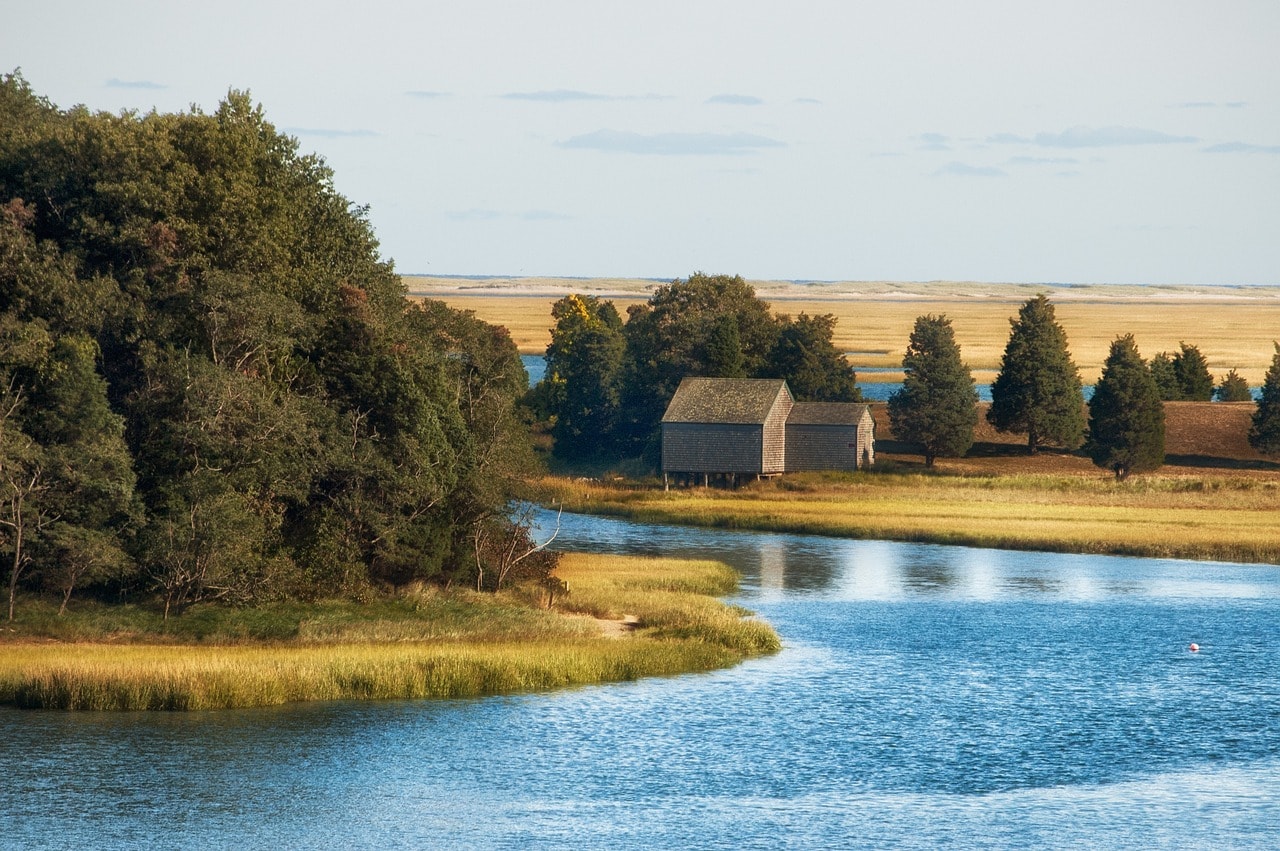
- Cape Cod is a very long land arm (cape) that looks like a bent arm flexing a muscle. It serves as a natural barrier for the Atlantic Ocean, creating the cozy Cape Cod Bay, where whale watching is plentiful
- Along the cape lie sleepy towns that draw vast numbers of tourists every summer (and go back to sleep in the winter)
- The length of the hand, from elbow to fist (where the town of Provincetown is located), is about fifty kilometers
- The arm from the shoulder in the west to the elbow is about sixty kilometers. Along the length, there are dozens of small, touristy towns
The geographic area of the cape is divided into four based on geography, terrain, and settlements:
- The Upper Cape is the westernmost part of the cape
- Adjacent to it is the Mid-Cape, which is the middle of the arm between the shoulder and the elbow
- The Lower Cape is the easternmost part of the arm reaching the elbow towards the shoulder
- From the Lower Cape, the arm stretches north towards Provincetown and is called the Outer Cape. Some associate it entirely with the Lower Cape.
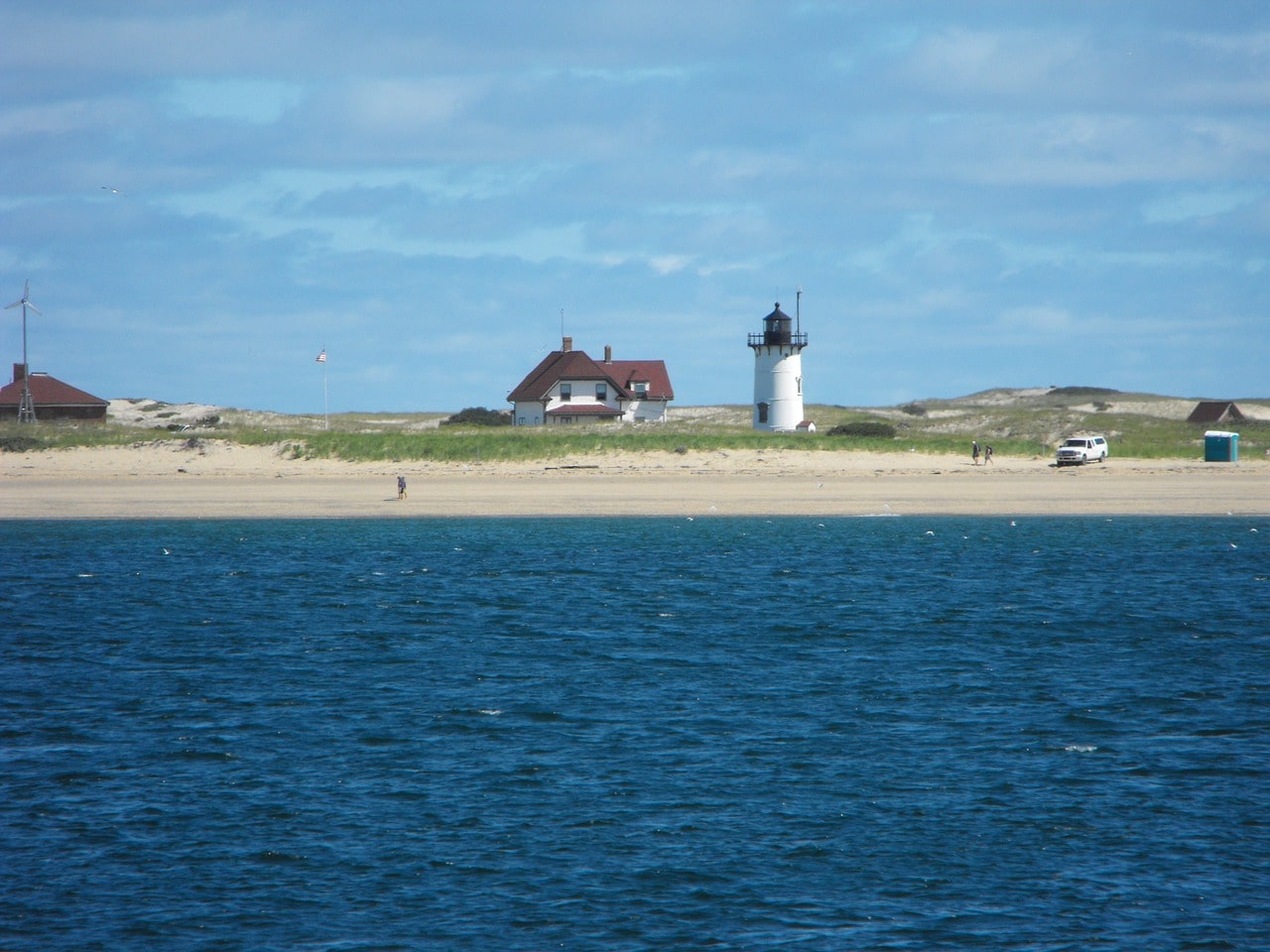
Click here for a guided tour along the lighthouses on the beaches of Cape Cod…
In the cape, you'll find stunning beaches and popular nature areas. South of the cape, you'll discover the islands of Martha's Vineyard and Nantucket, which are also popular tourist spots during the summer months. Both Cape Cod and the southern islands have become a beloved holiday destination for the wealthy on the East Coast. The cape and islands gained immense popularity with the East Coast's rich due to the Kennedy family's estates. Initially, tourism in the area relied heavily on whale-watching cruises, the most exciting tourist activity in the bay waters.
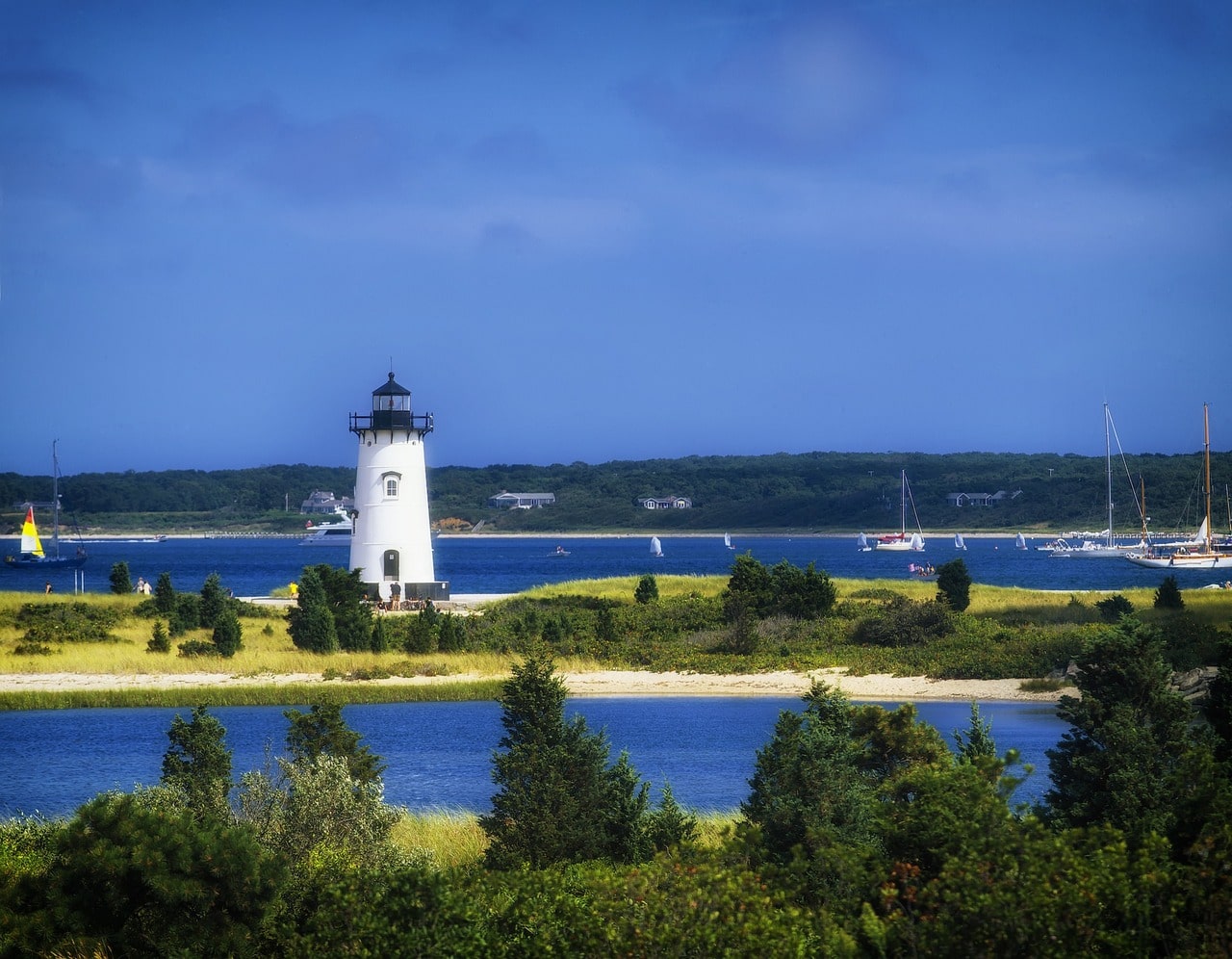
Everything to See and Do in Plymouth
The Mayflower II and Plymouth Rock
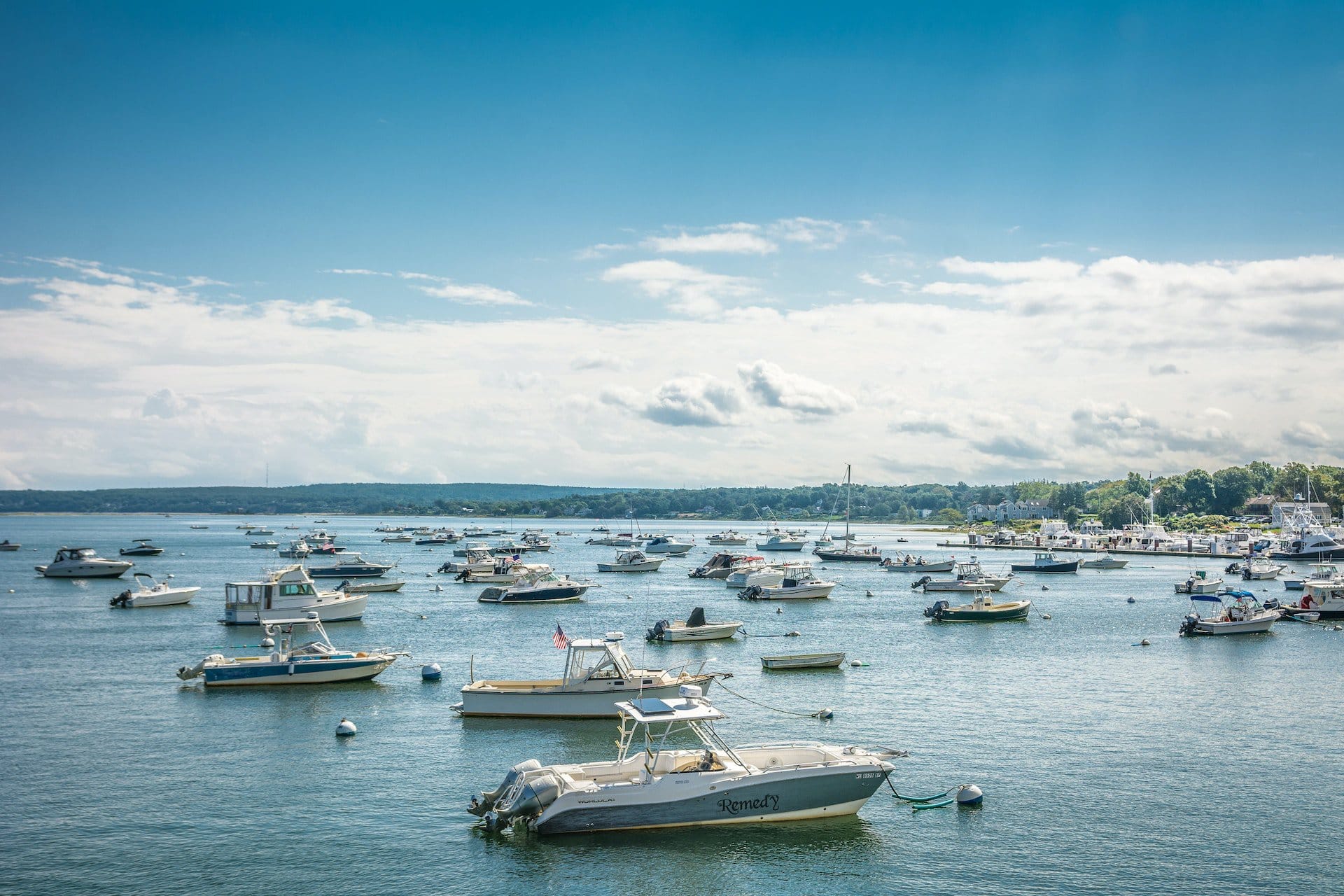
The city of Plymouth's beach is protected from the bay's waves by two breakwaters. The first is the massive Plymouth Beach stretching southward, enclosing the city's harbor for nearly 2 kilometers, and the second is an artificial breakwater opposite the city's harbor. North of the breakwater is Plymouth Beach's northern pier, across from the town of Duxbury. These two long sea tongues create a lagoon-like enclosure of Cape Cod Bay's waters. Plymouth's artificial breakwater creates a convenient marina, which is filled with sailboats and regular boats.
Click here for a guided trolley tour in Plymouth following the Mayflower ship…
In Plymouth's harbor, there are several important sites related to the Mayflower's anchorage on the shore in 1620. In the harbor lies the replica of the Mayflower ship, called the Mayflower 2. The ship is 32 meters long and is accessible from the dock where the ferry to Provincetown, at the tip of Cape Cod, departs.
Adjacent to the ship is Plymouth Rock, the rock that is traditionally believed to be where the voyagers tied their rope during anchorage. Today, the rock stands at the center of an open Neo-Greek shrine with the year of anchorage carved into it.
Massasoit Statue and the historic district of Plymouth
Just across the road from Plymouth Rock and the replica of the Mayflower is Coles Hill, where it is commonly believed that Chief Massasoit welcomed the pilgrims. On the hill, the pilgrims buried those who did not survive the journey. The Native American chief of the local tribe greeted them warmly and taught them how to grow corn. The pilgrims invited the chief and his tribe to celebrate Thanksgiving with them, an event deeply embedded in the holiday's tradition.
West from the hill stretches the historic street of Plymouth, North Street, lined with the homes of historic Plymouth. This street joins Main Street, the central street of modern Plymouth, with plenty of lodging and restaurant options. West of Main Street lies Burial Hill, from which the famous parades of town residents dressed in Pilgrim attire set out in the summer and Thanksgiving.
A little south of the hill is Plimoth Grist Mill. The station dams the Town Brook. It was established in 1636, but what exists today is a reconstruction from the 1970s after the original mill caught fire. The mill was used for grinding corn into flour and was one of the settlers' food and income sources.
Pilgrim Hall Museum
West of Plymouth's historic district lies the great museum considered one of the oldest in the entire USA. The museum, dedicated to the Pilgrim Fathers and the Mayflower passengers, opened in 1825 and since then has told the city's story. The museum has a large collection of original items remaining from the first settlers of New England, including tools and even a portrait. The museum features paintings depicting the voyage and landing of the Mayflower, including an original piece of Plymouth Rock.
Address: Court St. 75, Plymouth, MA
Click here for the museum's current opening hours…
Plimoth Patuxet Museums
The most visited site in the historic city is located just a bit south, a 5-minute drive from the city center. The Plimoth Patuxet Museums, or Plimoth Plantation (Plimoth being a misspelling like its original name), is an accurate reconstruction of the town in its early years. The museum includes period houses, livestock, reconstructed workplaces, and of course, many actors bringing the town to life as it was in the 17th century. The open-air museum is now one of the most popular sites in Massachusetts and attracts a large number of tourists and schoolchildren from all over the U.S.
Address: Warren Ave. 137, Plymouth, MA
To purchase online tickets for the Plimoth Patuxet Museums, click here…
For the latest opening hours of the open-air museum, click here…

Duxbury
The town of Duxbury is the natural extension of the city of Plymouth. The town is located a fifteen minute drive north from the center of Plymouth, not far from the northern breakwater of the lagoon, known as Duxbury Beach Park. About 16,000 people reside in the town, and it is almost as old as its neighboring Plymouth.
Duxbury was established in 1628 by two Mayflower passengers – John Alden and Miles Standish who grew tired of their lives in Plymouth and wanted to separate from the community. Alden's house, the Alden House Historic Site, still stands in the western part of the town and is now a historical site open for visits. The house was built in 1650 and is considered one of the oldest remaining in Massachusetts.
Another impressive structure in Duxbury is the King Caesar House. This mansion with its grandiose name (King Caesar House) is located on the eastern side of the town, not far from the stunning Powder Point Bridge, a beautiful wooden bridge that connects Duxbury with the nearby natural breakwater known as Long Island. The mansion was built in the early 19th century as the home of a wealthy merchant, and today it is a historical museum displaying furniture and artifacts from the past centuries.
Everything There is to See and Do in the Upper Cape and Mid Cape of Cape Cod
Sandwich
The small and beautiful town of Sandwich sits at the gateway to Cape Cod, north of Route 6, the interstate that runs along the peninsula. It is located in the northern section of the canal that connects it with the town of Bourne. The man-made canal cuts through the peninsula and serves as a shipping route between Cape Cod Bay to the north and Buzzards Bay to the south. About twenty thousand people live in the city, mostly in a suburban environment, with its historic center being essentially a village. Sandwich was founded in 1637, just 17 years after the establishment of Plymouth a bit to the north.
In the center of Sandwich, there are several sites worth visiting. One of them is the Sandwich Glass Museum, where you can see a display of special glassware created in the town during the 19th century when it was an important center for production.
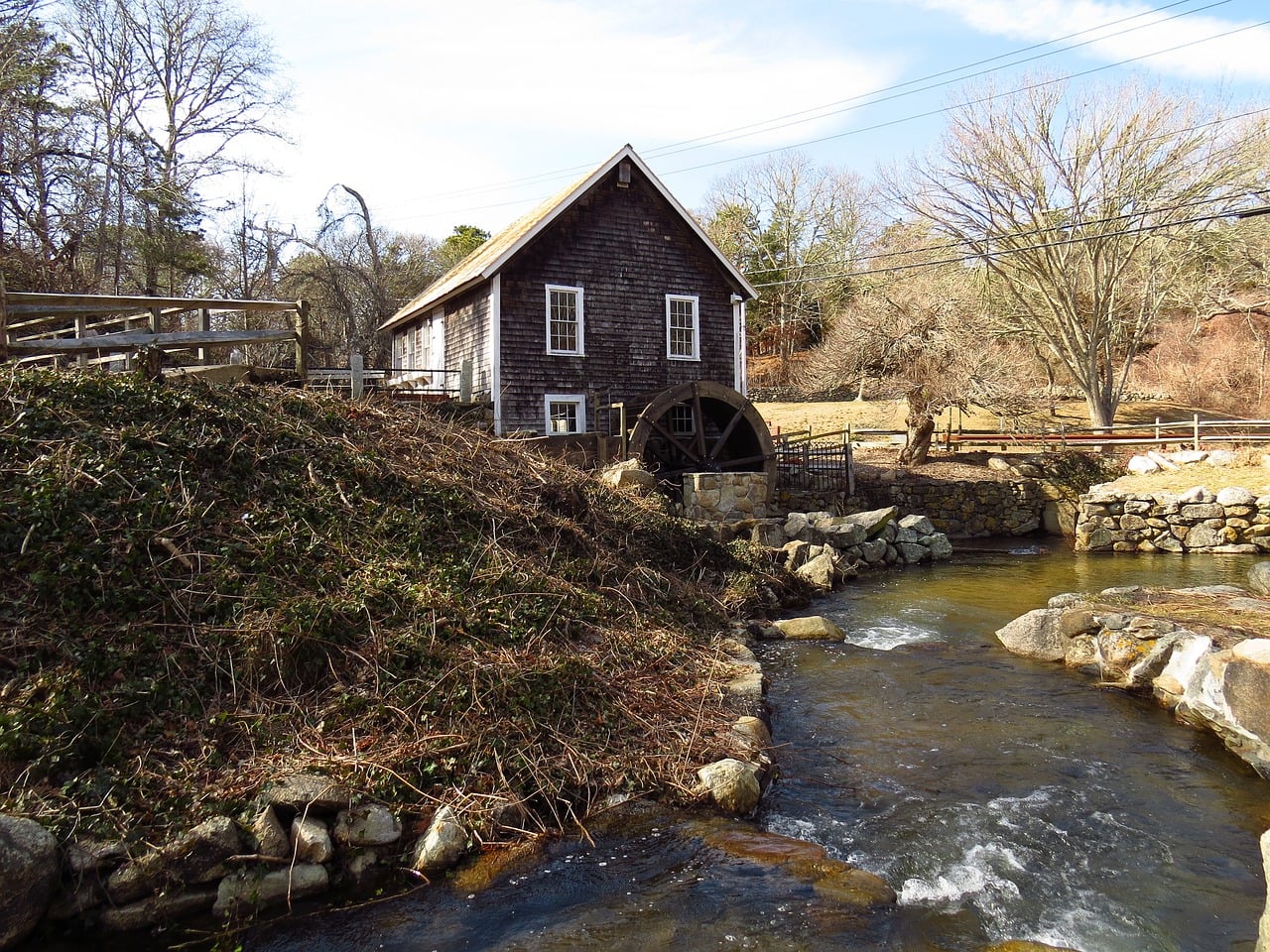
Adjacent to the museum is the Dexter Grist Mill, originally founded in 1637, though little remains of the original structure after a series of renovations and preservations. Near the mill stands the historic Hoxie House, dating back to the 17th century. Not far from the mill is the Heritage Museums & Gardens, featuring the collections and lifestyle of a wealthy local merchant. The charming and well-kept gardens are a great spot for a break and relaxation.
Falmouth and Woods Hole
Falmouth and Woods Hole are located in the southeastern part of the Upper Cape, at the tip of a triangular peninsula. Off their shores lies an archipelago of wooded and uninhabited islands that separate Buzzards Bay from Vineyard Sound. The largest of the islands is Naushon Island, home to several lighthouses and beautiful natural beaches. Falmouth is a lovely resort town with a beautiful swimming beach facing south, surrounded by hotels and motels. To the east of its center is the South Cape Beach State Park, showcasing impressive nature with bays and sandy beaches.
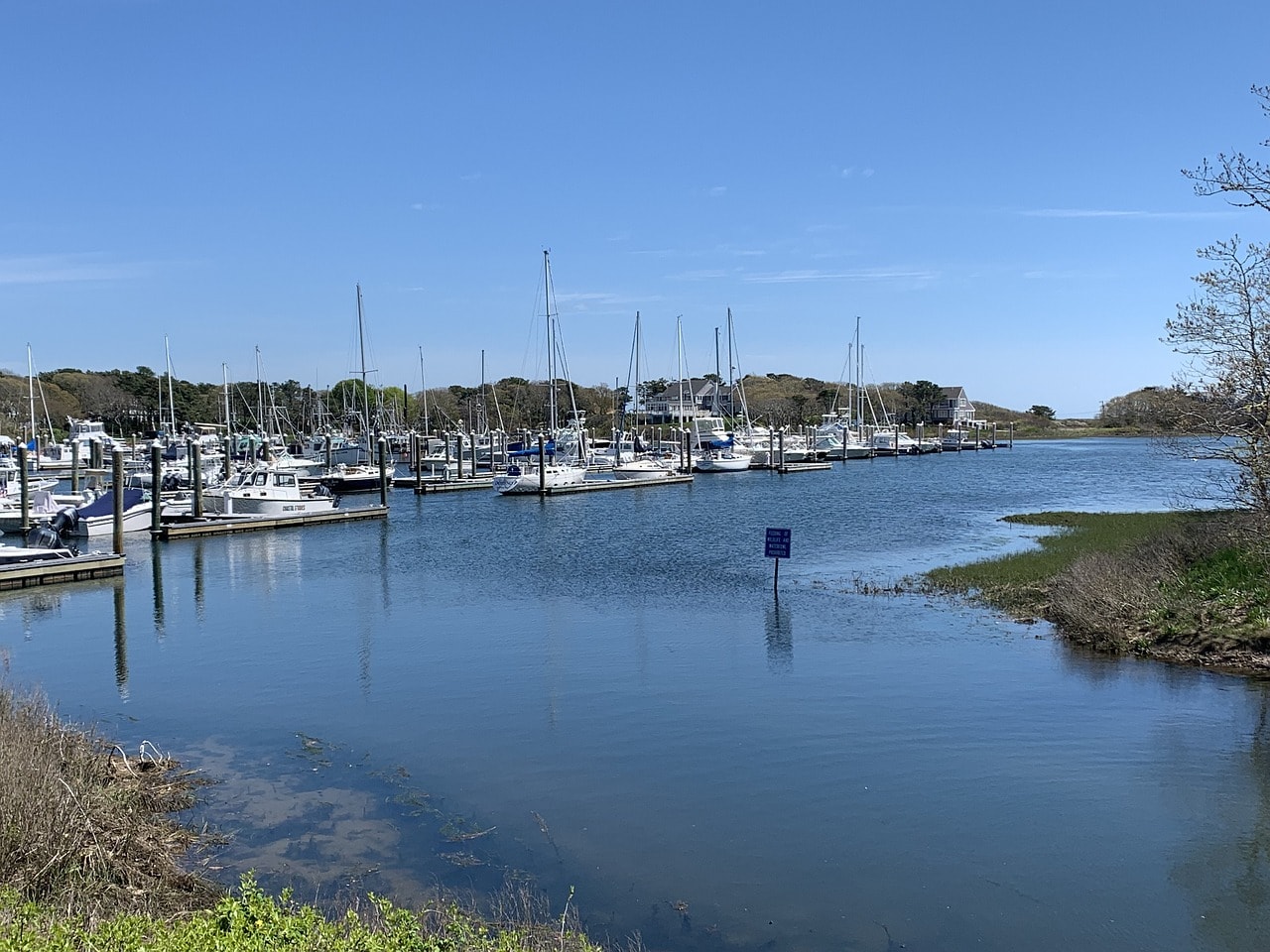
The fishing village of Woods Hole in western Falmouth (municipally part of the town) is a charming village where fishing boats, sailboats, and a distant and especially pleasant New England summer atmosphere converge. Ferries to the nearby island of Martha's Vineyard and Nantucket (a bit further, better to sail from Hyannis) depart from the town's harbor.
Within the village lies the Woods Hole Oceanographic Institution Ocean Science Discovery Center. This institute presents fascinating exhibits and research on everything known about the ocean environment adjacent to Cape Cod.
Hyannis
The large town of Hyannis is the main urban center on Upper and Mid Cape, and the primary transportation hub for the entire Cape. It is located at the edge of the enclosed Lewis Bay, the calm bay where the town's large harbor operates. From this harbor, ferries sail to Nantucket and Martha's Vineyard.
In the northern part of the town lies Cape Cod Gateway Airport (HYA), served by flights from New York and Boston, and it's connected year-round with small airports on Nantucket and Martha's Vineyard. Hyannis is also the main gateway to Cape Cod by train. The city's central train station is well-connected with Downtown Boston, a ride of nearly two hours (there are stops in other towns on Cape Cod).
The town is associated with the Kennedy family, who have several estates mainly along the coastline west of the town center. Near the charming Keyes Memorial Beach, in Veterans Park Beach a bit south of the harbor, stands a memorial honoring President John F. Kennedy. In the town center, on the main Street, the small John F. Kennedy Hyannis Museum offers an insight into the frequent vacations the president enjoyed in the town.
Dennis
The town of Dennis is located on the northern coast of the mid Cape, east of Barnstable. It is home to the Coast Guard Heritage Museum. Dennis has become a popular cultural center in the Cape, with the Cape Playhouse at its center, a theater active in the summer and considered one of the most attractive cultural sites in Cape Cod.
Near the theater is the Cape Cod Museum of Art, featuring works by the best regional artists and rotating exhibitions. On the eastern part of the town is Scargo Tower, an ancient stone tower offering a stunning view of Cape Cod Bay and the town.
Everything to see and do in the Lower Cape and the Outer Cape
Brewster
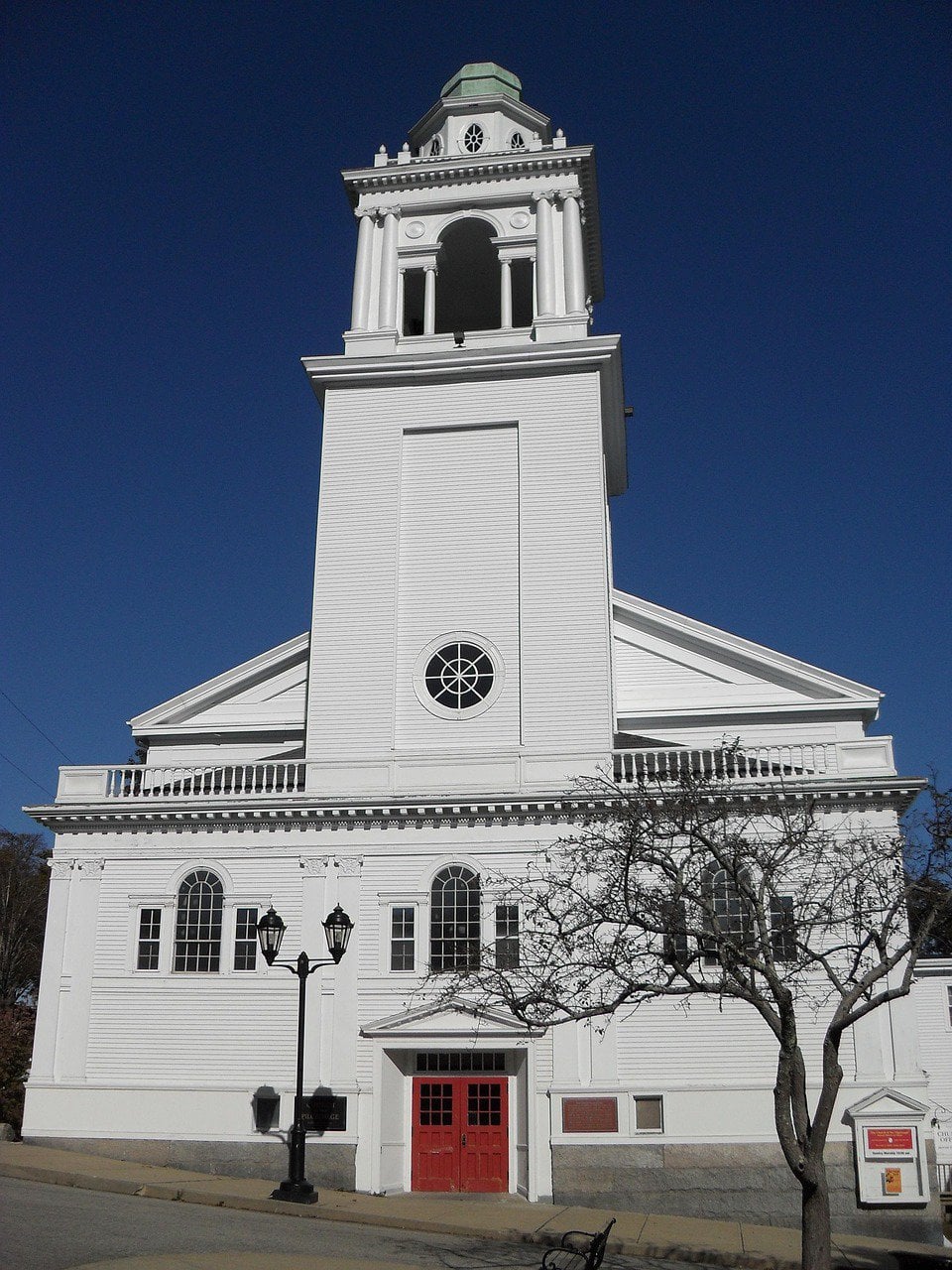
The beautiful town of Brewster is just a ten-minute drive from Dennis and serves as the official border between Mid Cape and Lower Cape. The town's main street is the Main Street, featuring motels, restaurants, and shops. On the main street, you'll also find the stunning First Parish Brewster Unitarian Universalist Church. The church's front bell tower is one of the most impressive in all of Massachusetts. In the western part of the town, you'll find the Cape Cod Museum of Natural History.
Cape Cod Museum Of Natural History
The natural history museum is nestled in the heart of a remarkable natural area and primarily focuses on outdoor activities. The museum building serves as the entrance to Wing Island Reserve, a stunning area of green hiking trails near natural salt ponds close to the bay waters. At the edge of the reserve lies the breathtaking Paine's Creek Beach.
Address: Main St. 869, Brewster, MA
Click here for the latest opening hours of the museum and reserve…
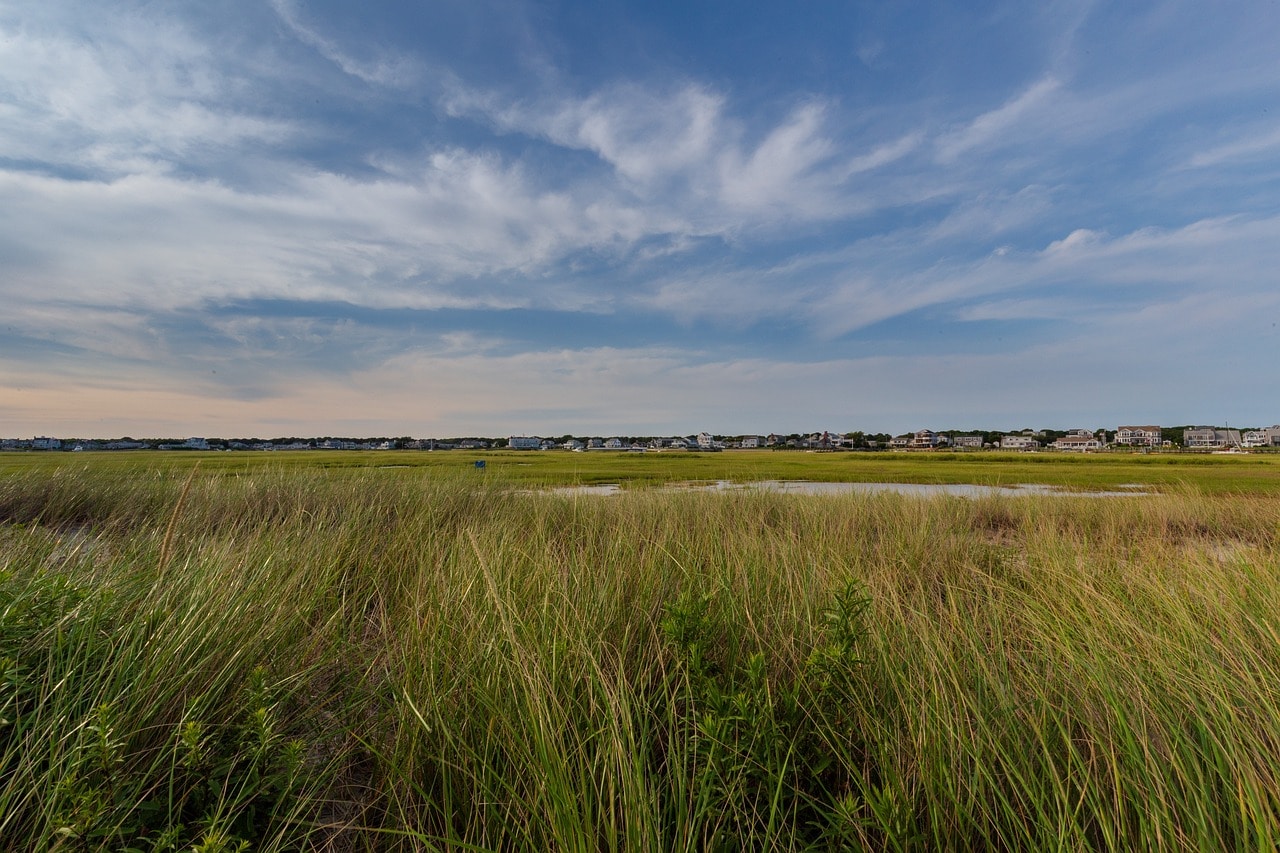
Chatham
The beautiful and prestigious town of Chatham sits right on the elbow of Cape Cod, in the southeastern corner of the long peninsula. The town is a luxury vacation and resort destination for many wealthy individuals, featuring large estates spread over a vast area. The town center is Main Street, where you'll find restaurants, hotels, and entertainment spots.
The town is the gateway to the Monomoy National Wildlife Refuge, two long islands south of the Cape's elbow, featuring nature trails, scenic overlooks, stunning beaches, and more. Near Main Street is the Godfrey Windmill, dating back to 1797.
White Cedar Swamp Trail
The unique boardwalk built over White Cedar Swamp is one of the most special natural sites in Cape Cod. The trail is a twenty-minute drive from Provincetown, adjacent to the natural and long Marconi Beach that runs along the eastern shore of the Cape and extends to the White Crest Beach resort. The trail allows you to walk above the rich, forested natural space of the swamp in a circular route.
Provincetown
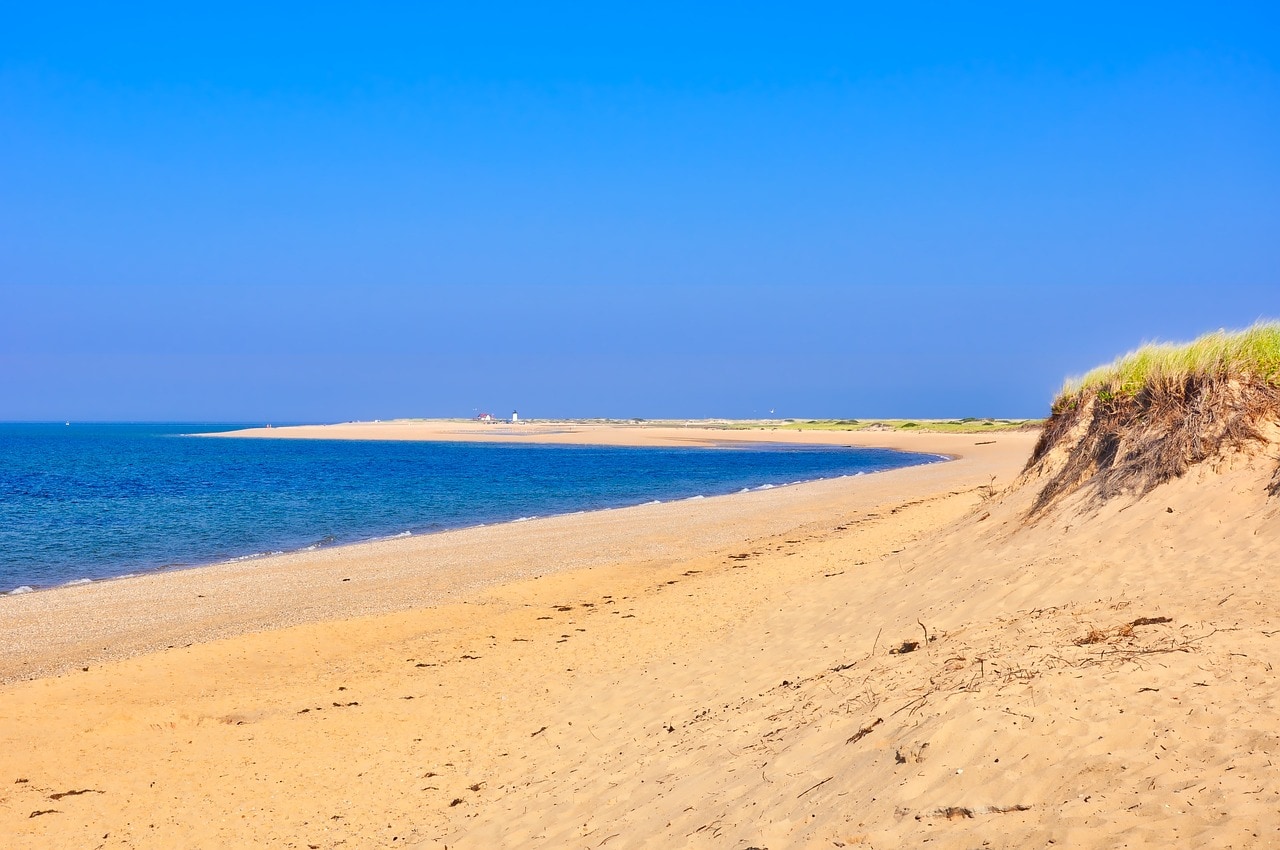
The town of Provincetown is located at the tip of the outer Cape, at the northernmost point of Cape Cod. The town sits on a peninsula shaped like a small clenched fist on the protected southern shoreline of the Cape's end. Provincetown was the first landing spot of the Mayflower (before it landed on Plymouth Beach) and where the Mayflower Compact was written, a foundational document preceding the American Constitution with lots of Puritan elements (an impressive blend of extreme conservatism and liberalism).
Click here to find accommodation in Provincetown at the Cape's tip…
In the 18th and 19th centuries, the small town was a fishing village. At the beginning of the 20th century, a new crowd discovered it, the artists. During this period, artists from all over New England and New York came to the town every summer and fell in love with the maritime scenery and the end-of-world feeling it had. Many artists moved to live there, and the town developed into a vibrant and attractive holiday destination.
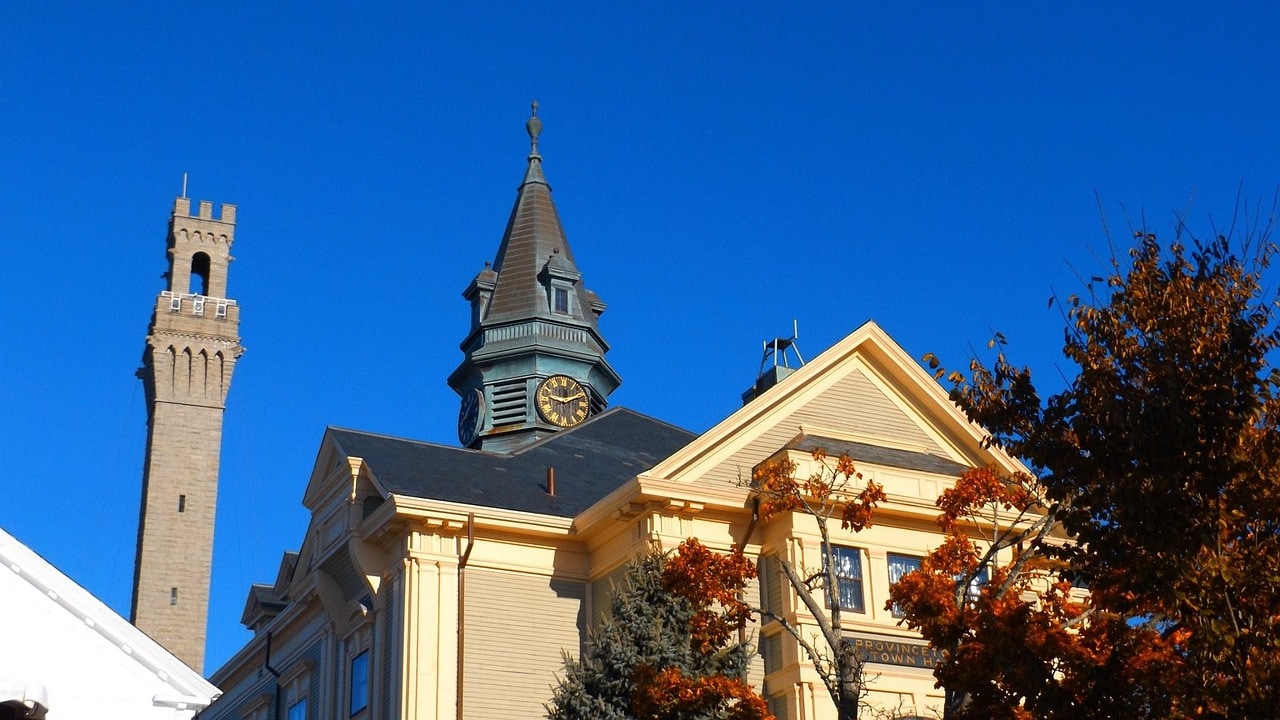
Today, in summer days, tens of thousands of tourists flood the town, many of them as part of a trend that has made the town a particularly beloved destination for the LGBTQ+ community. The town's center is Commercial Street, which runs along the waterfront. The street features trendy restaurants, hotels, shops, and quite a few art galleries by local residents. Parallel to it to the north runs Bradford Street, which also has commercial functions.
Click here for a theatrical guided tour following the character of Anne Hutchinson…
Pilgrim Monument and Provincetown Museum
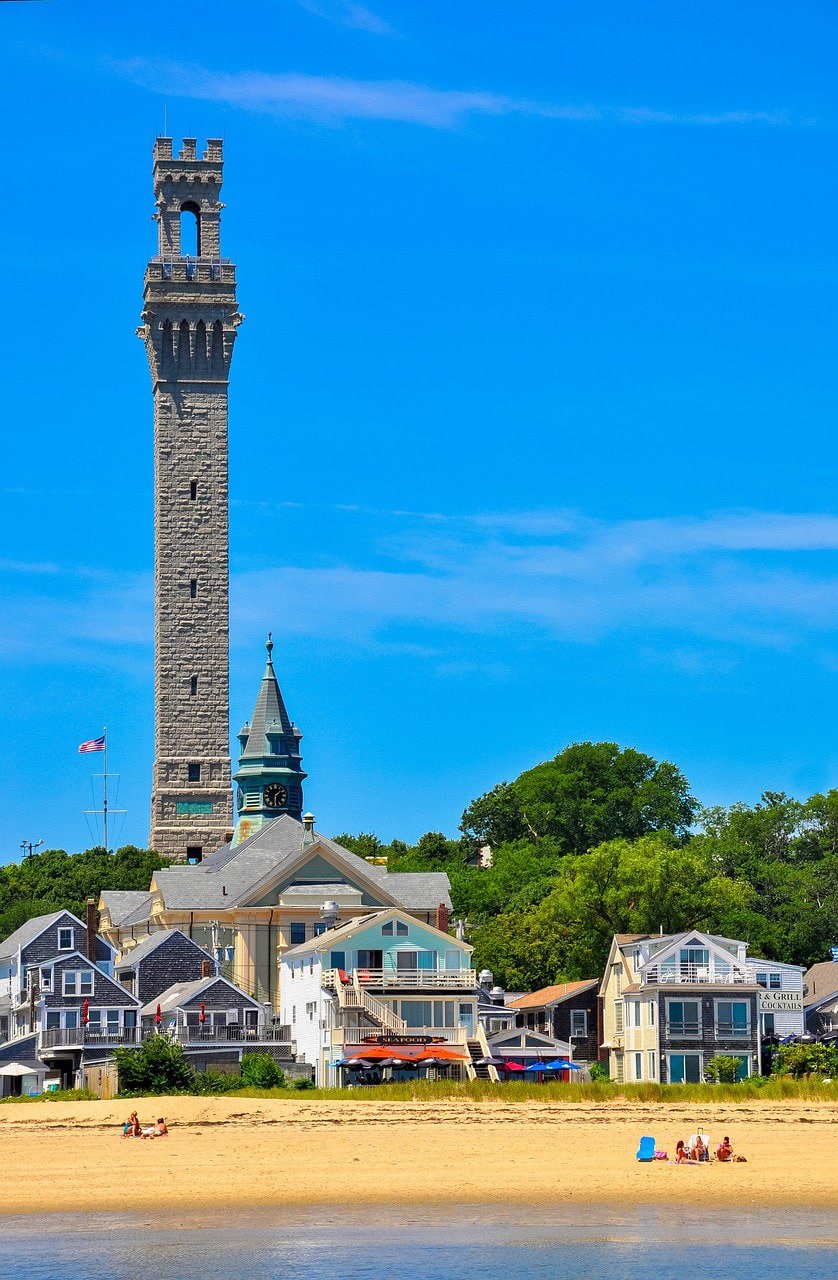
Pilgrim's Hand, the huge and prominent monument at the northern tip of Cape Cod, is located up the main Bradford Street, in Bas Relief Park. The giant monument is an 80-meter tall granite column, built in 1910. The monument is quite an accurate replica of the spectacular Torre del Mangia, the iconic tower in the heart of the Tuscan city of Siena. You can climb up to the observatory balcony of the Hand, and at its base, there is a museum exhibit that tells the story of European settlement in New England.
Martha's Vineyard and Nantucket Island
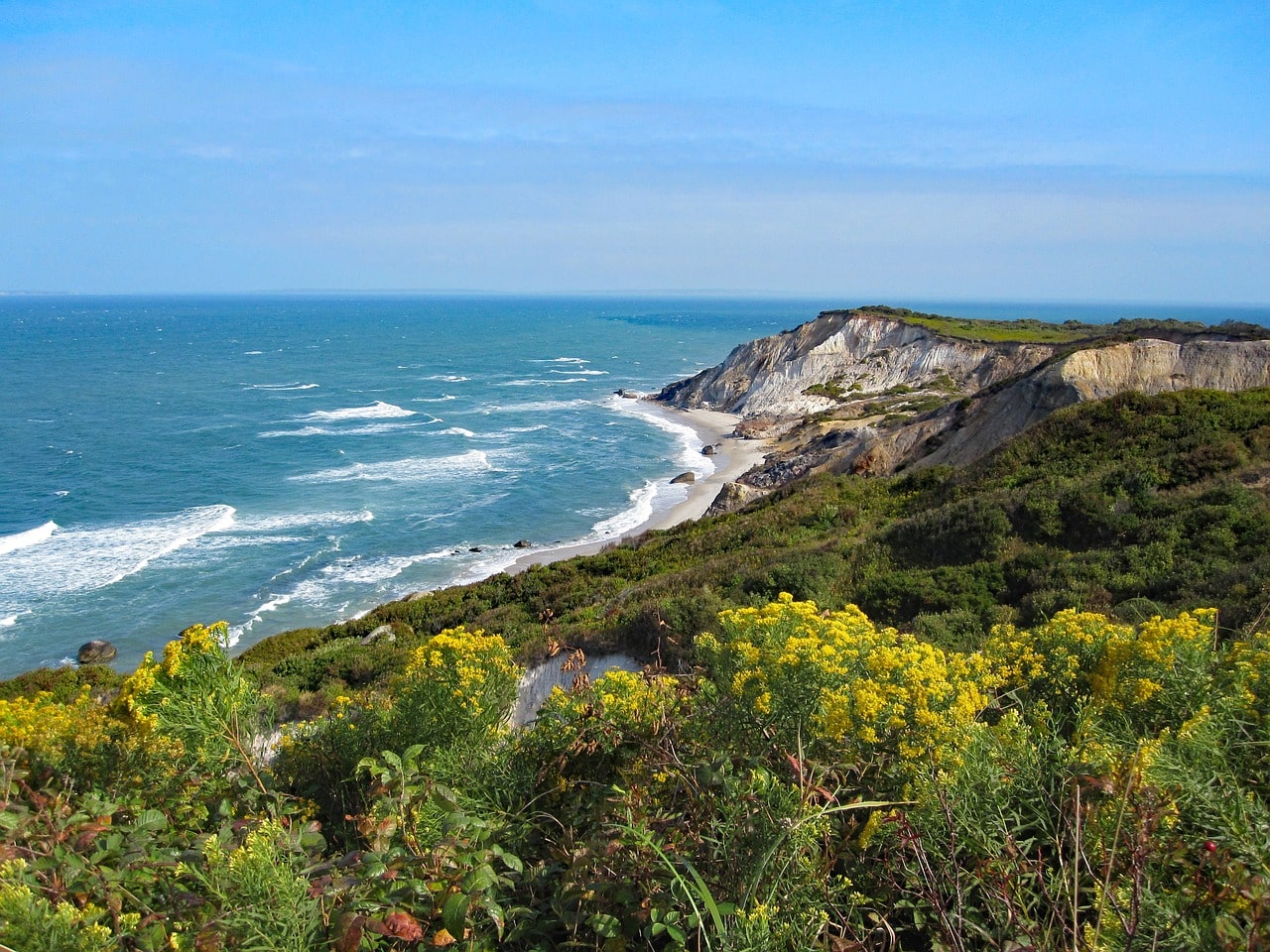
The two beautiful islands south of Cape Cod – Martha's Vineyard and the smaller Nantucket to its east, in the southeastern corner of Massachusetts, were once maritime empires closely tied to whale hunting. The islands were home ports for hunting ships in the 18th and 19th centuries, leading to their prosperity and wealth at that time. Important processing factories were established on the islands, exporting products from marine mammals.
With the decline of the hunting industry, the islands transformed and became major leisure and tourist destinations. Wealthy New Englanders and New Yorkers established their estates on the islands, largely inspired by the fashionable estates of the Kennedy family. Today, the islands are a fantastic destination for travelers (even for those who aren't wealthy) and are brimming with hotels for vacationing and exploring. The islands beautifully showcase the unique character and style of New England, with charming fishing villages, numerous sailing boats, and an abundance of high-quality seafood restaurants.
Martha's Vineyard
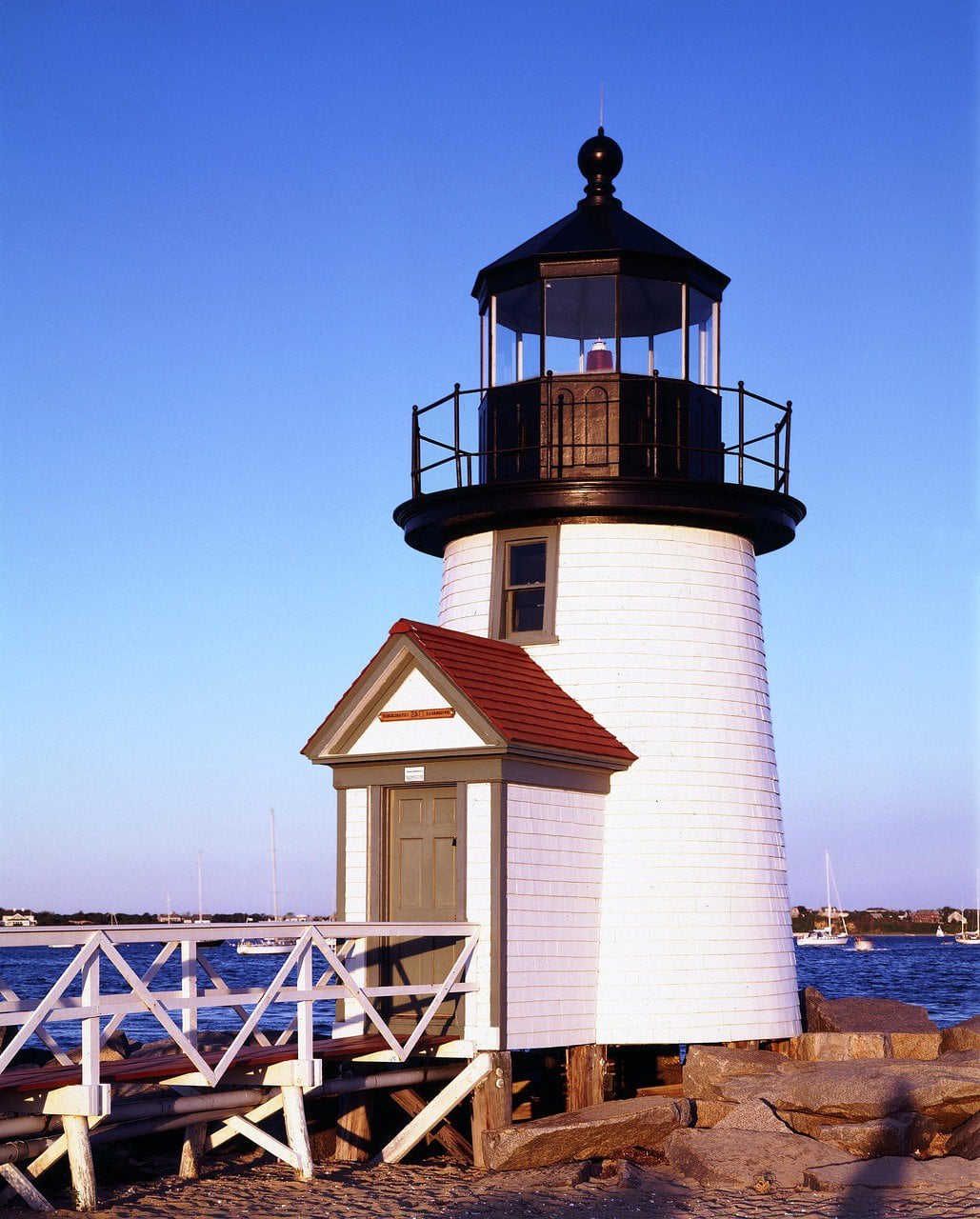
Martha's Vineyard, or simply ‘the Vineyard' to the locals, is the third largest island on the U.S. Atlantic coast after Long Island and Desert Island in Acadia National Park in Maine. In fact, it is the largest island on the eastern U.S. that does not adjoin the coast and is not connected by a bridge. East of the island is a satellite island named Chappaquiddick, which is part of the town of Edgartown.
Over the years, the island has become one of the most popular vacation spots for the wealthy from Long Island and New York. Today, the island hosts luxurious private mansions of those who have loads of money, of course. The island developed as a resort destination following the establishment of the Kennedys' estate on the island. Being isolated from the mainland during the 18th and 19th centuries, many residents married within their families. This led to a high percentage of deafness among island residents and the development of a unique sign language on the island.
Nantucket
The island of Nantucket lies 20 km east of Martha's Vineyard and 40 km south of Cape Cod. Nantucket was one of the wealthiest places in the U.S. during the 18th and 19th centuries, all due to whaling. The island had an enormous port where ships docked, related to both whaling and processing raw materials extracted from whales, like bones and the giant marine mammal's fat used for lighting. The island was the base from which the ship Pequod set sail in Herman Melville's famous book “Moby Dick”.