Providence – The Historical Capital of Rhode Island
The city of Providence, the capital of Rhode Island, is the second largest and most central metropolis in all of New England (after Boston). Today, the city center, both on the west bank of the Providence River and on the historic mile on the east bank near the Brown University campus, is one of the most beautiful and interesting of all the cities in the northeastern United States.
- Providence is an important historical city, founded about 18 years after the Puritans began migrating to New England, in 1638. It is considered one of the oldest cities in the entire USA.
- Over the years, the city has gone through several upheavals, and after significant industrialization in the 19th century, the city faced decline in the early and mid-20th century.
- During this time, the city's suburbs, still considered some of the wealthiest in the USA, grew, but the downtown suffered from neglect.
- In the 1980s, the city underwent a spectacular renewal that managed to revive its spirit.
How many days do you need for a trip to Providence?
It's recommended to dedicate at least a full day to explore Providence. It's also a great idea to stay overnight and spend an additional half day there.
Click here to check availability and prices for hotels in Providence…
10 Must-See Things to Do in Providence
- The historic mile on Benefit Street
- Art, design, and decoration at the Rhode Island School of Design Museum
- Modern shopping with a touch of the past at Providence Arcade downtown
- Outdoor events at the open amphitheater of Waterplace Park
- The impressive structure of the Rhode Island State House
- Enjoy fine Italian dining at DePasquale Square in Federal Hill
- Experience old Rhode Island at the John Brown House Museum
- Explore the ivy-covered campus of Brown University
- The unique Gun Totem at Memorial Park
- Fresh air and attractions at Roger Williams Park
Click here for all the info on traveling in Rhode Island…
What is Providence?
- Providence is the largest city and capital of Rhode Island, the smallest in area among the New England states and all states of the USA
- Despite the state's very small size, Providence is the third-largest city in New England, after Boston and Worcester in Massachusetts, and is home to just under two hundred thousand residents
- In the Providence area, also known as the metropolitan area, more than one and a half million people reside (including Attleboro and other cities in Massachusetts). It's the second-largest urban area in New England after the gigantic Boston Metropolitan area
- Providence was founded in 1636 by the Puritan minister Roger Williams. Initially, the town was a trade hub for the vast agricultural area known as Providence Plantations, which later became the colony of Rhode Island.
- Rhode Island was one of the 13 founding colonies of the USA, and with American independence, the city of Providence became an important industrial center, especially for production and textiles.
- Today, Providence is a prosperous and proud city, the administrative center of the small state, and a pleasant place to explore.
- In popular culture, it is associated with the fictional town of Quahog, Rhode Island, the setting of the outrageous cartoon TV series “Family Guy”
Click here for a guided walking tour of Providence's main sites…
How to get to Providence?
How to reach Providence by flight?
Logan International Airport in Boston (Code BOS) is the main gateway to New England and the closest major airport to Providence. There are many direct flights from Ben Gurion Airport to Boston, operated by both El Al and Delta. The airport has about four terminals, with Terminal E serving international flights. The travel time from Logan in Boston to downtown Providence is just over an hour. There's a direct train that connects the centers of both cities, from Boston's South Station to Providence's central station, not far from Waterplace Park slightly north of downtown.
Rhode Island T.F. Green International Airport (Code PVD) – Providence's municipal airport is located just south of downtown, about a 15-minute drive away. It's not a large airport, but it's well connected to major airports throughout the eastern US and the Midwest (mostly routes to Chicago O'Hare). This airport is an excellent solution for those specifically arriving in the city. Bus line 66 travels from the airport to Kennedy Plaza in the city center.
Click here to search for flight deals to Providence or Boston…
How to get to Providence by car?
Providence lies along the mostly overlapping route of the I-95 highway and the legendary Route 1. These two major roads cross downtown Providence from south to north. The I-95 connects Providence with New Haven to the east, about a 90-minute drive, and with Boston to the north, just over an hour's drive away.
The I-95 extension, Highway 195, continues east along the coast towards Cape Cod, which is about an hour's drive to the tip of the Cape.
Click here for all information on car rentals in the USA + useful tips and significant discounts…
Map of Providence, Rhode Island
When is the best time to visit Providence?
Like all of New England, deciding when to visit Providence depends mainly on the weather.
- The best time to visit Providence is in early summer. The city is warm and pleasant but not yet full of tourists stopping by on their way east towards Cape Cod.
- Spring and summer in the city are very pleasant for a stroll, with plenty of outdoor events taking place.
- Unlike the rural areas, the city of Providence is attractive and lively even in the peak of winter, but it can be snowy and very cold. Around Christmas, the city is decorated and has small markets with a very charming atmosphere.
- In the fall, around the inherently “American” holidays (or more accurately, Massachusetts-based), both Halloween and Thanksgiving, the city also boasts a spectacular atmosphere. During this season, Rhode Island also enjoys the magnificent foliage of New England.
Click here for a guided small group tour of the main sites in downtown Providence…
How to plan a travel itinerary in Providence?
- The location of Providence on the main route between the New York City metropolitan area and the attractions of southeastern Massachusetts such as Cape Cod or the islands of Martha's Vineyard and Nantucket, makes it easy to explore as part of a southeastern Massachusetts itinerary.
- The drive time from the city to Cape Cod is about an hour, making it a great base for a Cape adventure.
- West of the city, you’ll find the attractive coastal Long Island Sound cities of Connecticut, like New Haven, home to Yale University. Providence can be nicely integrated into an itinerary that includes Connecticut and Massachusetts all the way to Boston.
Click here for itinerary planning in Rhode Island and professional advice…
The Providence tour route is split into two – Downtown on the west bank of the Providence River and College Hill on the east bank:
- In the west of the city, attractions are concentrated in Downtown and northward towards the Rhode Island State House, where you'll find Waterplace Park. From there, it's worth continuing west to Atwells Avenue, with its delicious Italian cooking aromas.
- On the east bank of the river, the tour includes sites along Benefit Street, the historic mile of Providence, and from there eastward to the Brown University campus.
Click here for a Providence River cruise and skyline tour…
Everything you need to know about staying in Providence
In general, it's a great idea to stay in Providence during a city tour or in the area between New Haven, Connecticut, and Cape Cod, Massachusetts. The city's location allows easy access in both directions, as well as north to Boston.
Click here to find accommodation in Providence…
Accommodation in Providence is divided into three areas and different types:
- Staying in downtown hotels or motels near the city. Downtown Providence is now an attractive accommodation spot with a row of good three- and four-star hotels. North of Washington Street in the northern part of downtown and south of Waterplace Park, numerous hotels offer stays right in the heart of the city, close to all the major sites and attractions.
- The city's motels are a great accommodation solution especially for those arriving with a car. There are several main clusters of motels, very close to the city center, along the main routes of the highways – I-95 and I-195, branching towards Cape Cod. In the suburb of Seekonk to the east, near I-195, there is a large cluster of motels including major chains like Super 8, Motel 6, Quality Inn, Best Western, and more.
- South of downtown, adjacent to the airport, you'll find numerous hotels that are both motels and classic airport hotels. Brands like Marriott or Crowne Plaza by IHG are prevalent here. Staying at these motels is especially convenient, often featuring two queen beds, which is great for families.
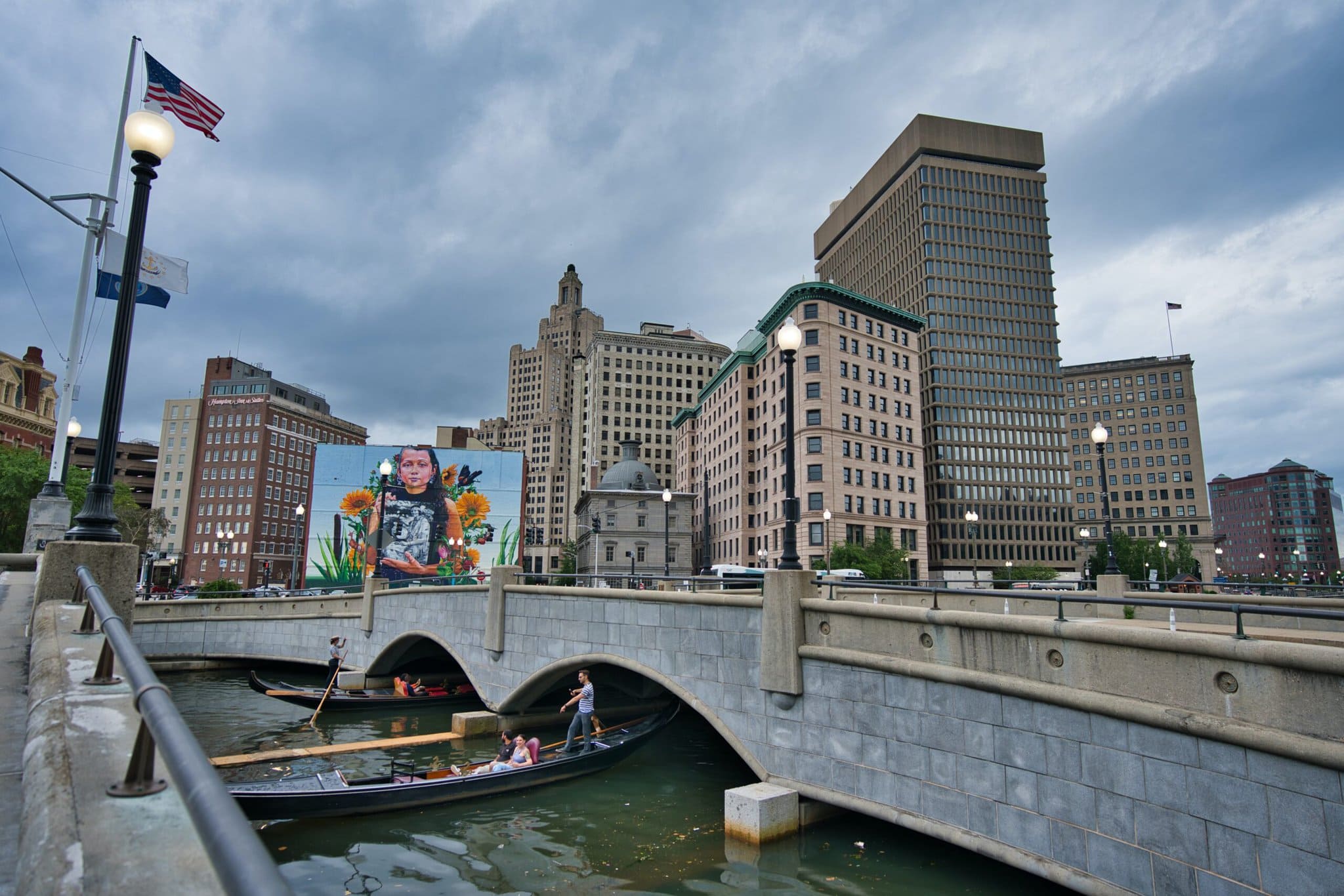
Touring Downtown Providence (West Bank)
Downtown Providence
In the not-too-distant past, downtown Providence, like many city centers, suffered from decline. Although the decline of downtown areas is relatively rare in New England cities, in Providence during the sixties and seventies, the downtown was abandoned by affluent residents moving to the city's numerous (and very wealthy) suburbs, leaving behind a weaker population. In a revitalization effort somewhat akin to Manhattan, in the mid-1980s, the city decided to restore the downtown to its former glory, investing heavily in its renewal.
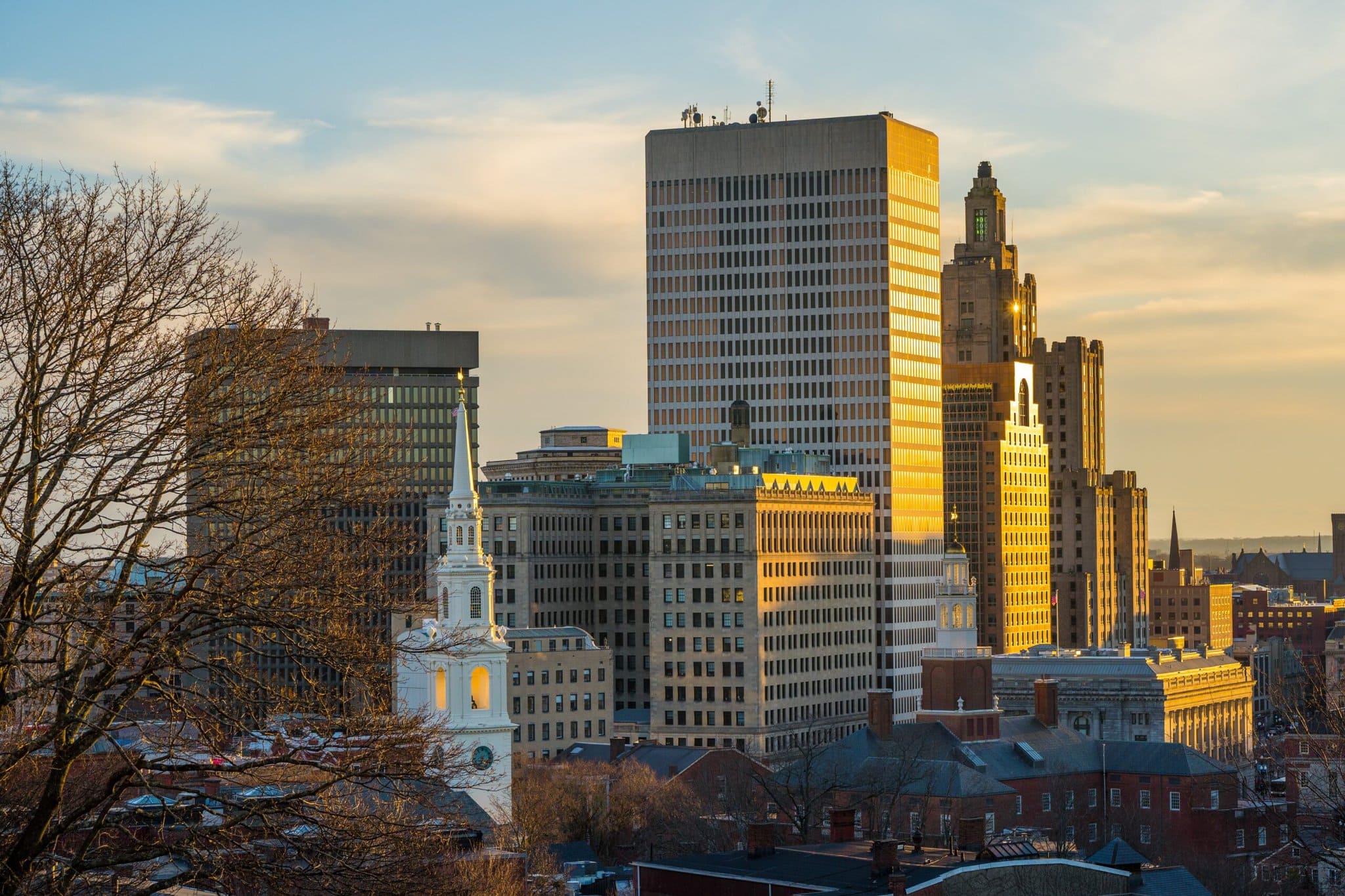
Today, the main downtown area is a fantastic place for a walking tour amidst the relatively tall towers, with lots of new and trendy businesses operating in the space. The main axis of the downtown is Westminster Street, stretching from the College Street Bridge at the north end of Memorial Park to the City Hall building on Empire Street. North of Westminster, Washington Street also offers a wide range of new businesses, so it's worth walking along there too.
The Arcade Providence
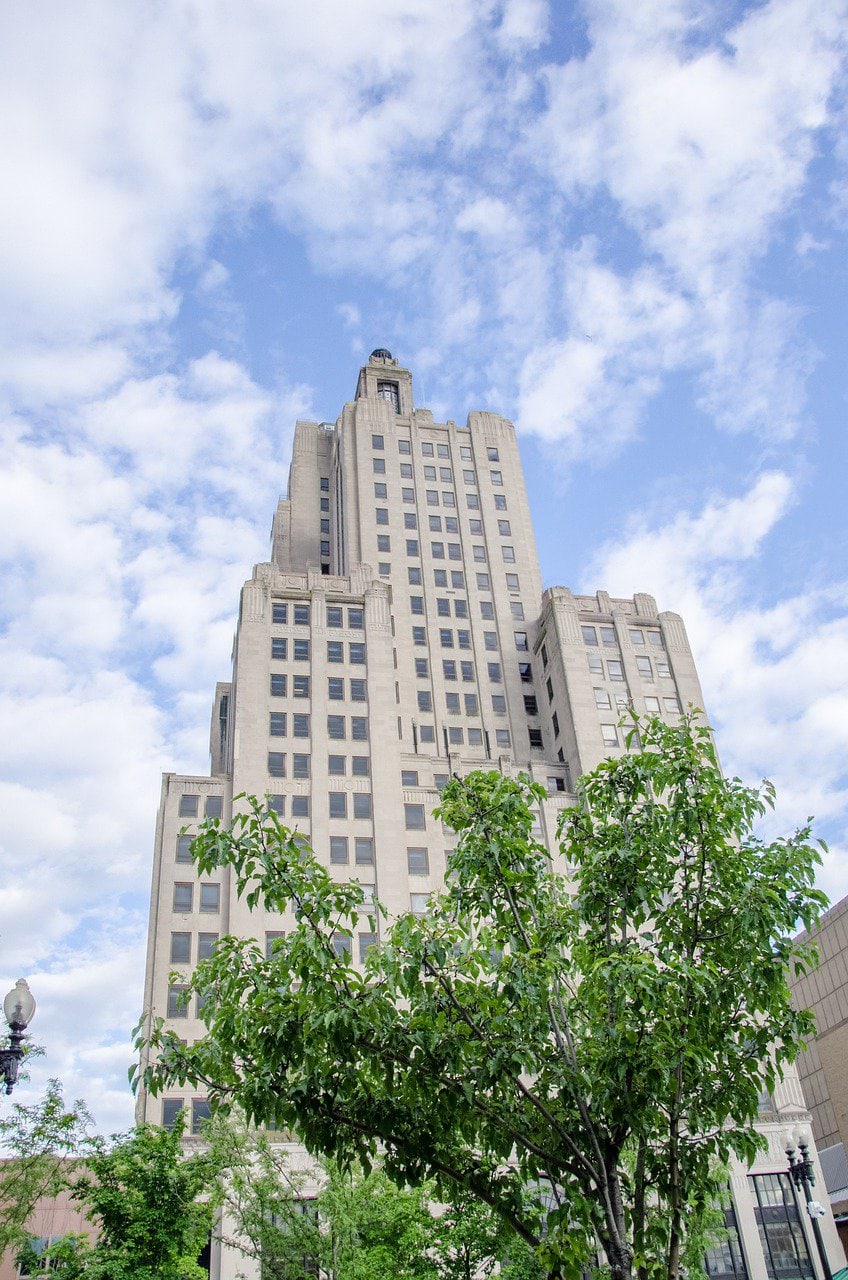
The arcade is located on the eastern part of Westminster Street, and like all of downtown Providence, it has undergone extensive restoration and renovation. The arcade building was constructed in 1828 and has always been an important part of the city's historic commerce. It is considered one of the first malls in the country that now embraces the world of shopping.
Today, the red stone building houses a large and modern shopping center. A significant portion of the building's interior has undergone extensive renovation with a strong focus on preservation, and it is considered a stellar example of urban conservation.
Waterplace Park
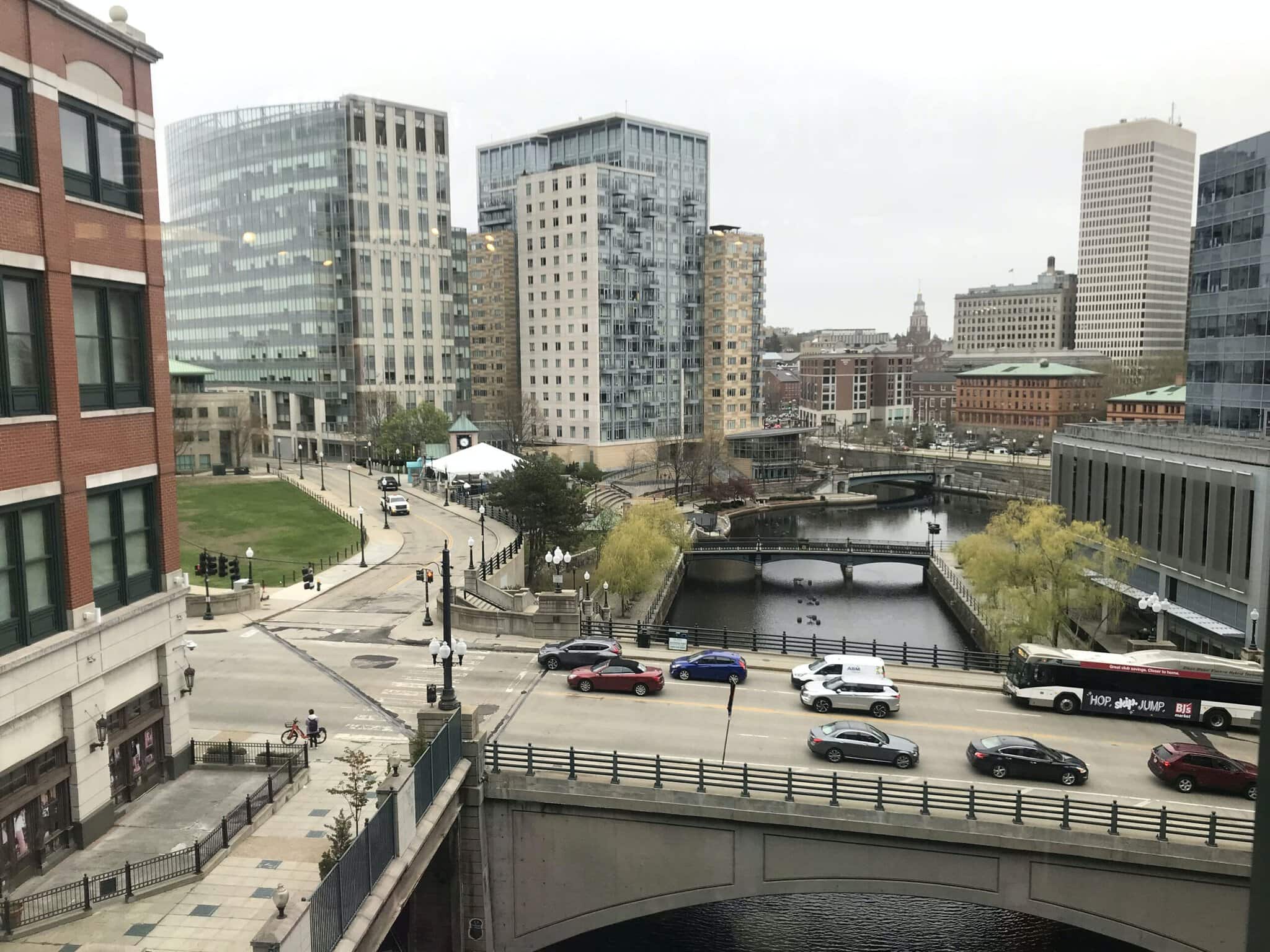
Waterplace Park is another part of downtown Providence that was revitalized in the early 1980s, and today it's one of the most pleasant spots in the city.
The park and promenade are located along the banks of the Woonasquatucket River, one of two tributaries whose junction in downtown Providence forms the river named after the city. The promenade and pond above the tributary are the southern extension of Station Park, across which lies the city's central train station and the Rhode Island State House. It is bordered on the west by the enormous structure of the Providence Place Mall, an impressive mid-city mall featuring all the international chains and plenty of restaurants. The central part of Waterplace Park is an open amphitheater where free summer concerts or performances by local musicians are held.
Rhode Island State House
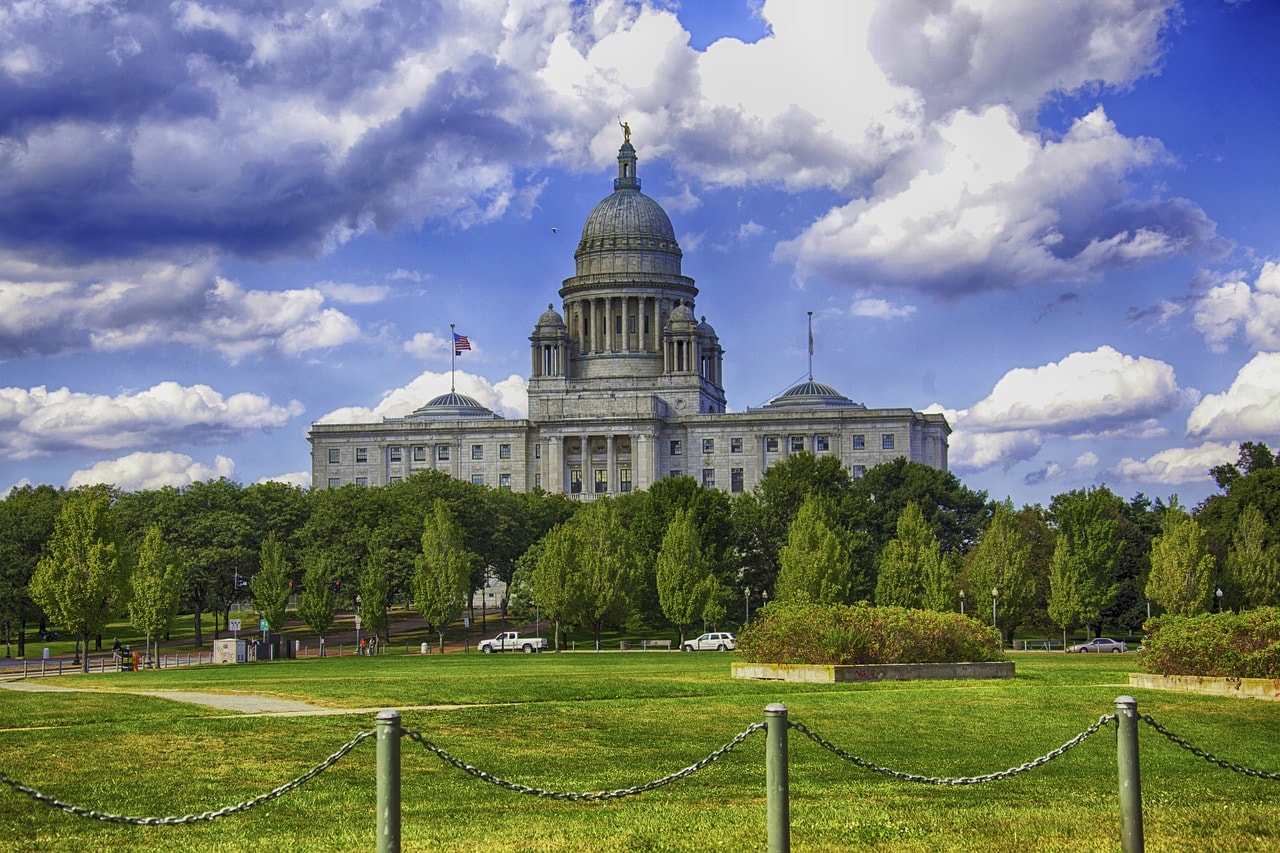
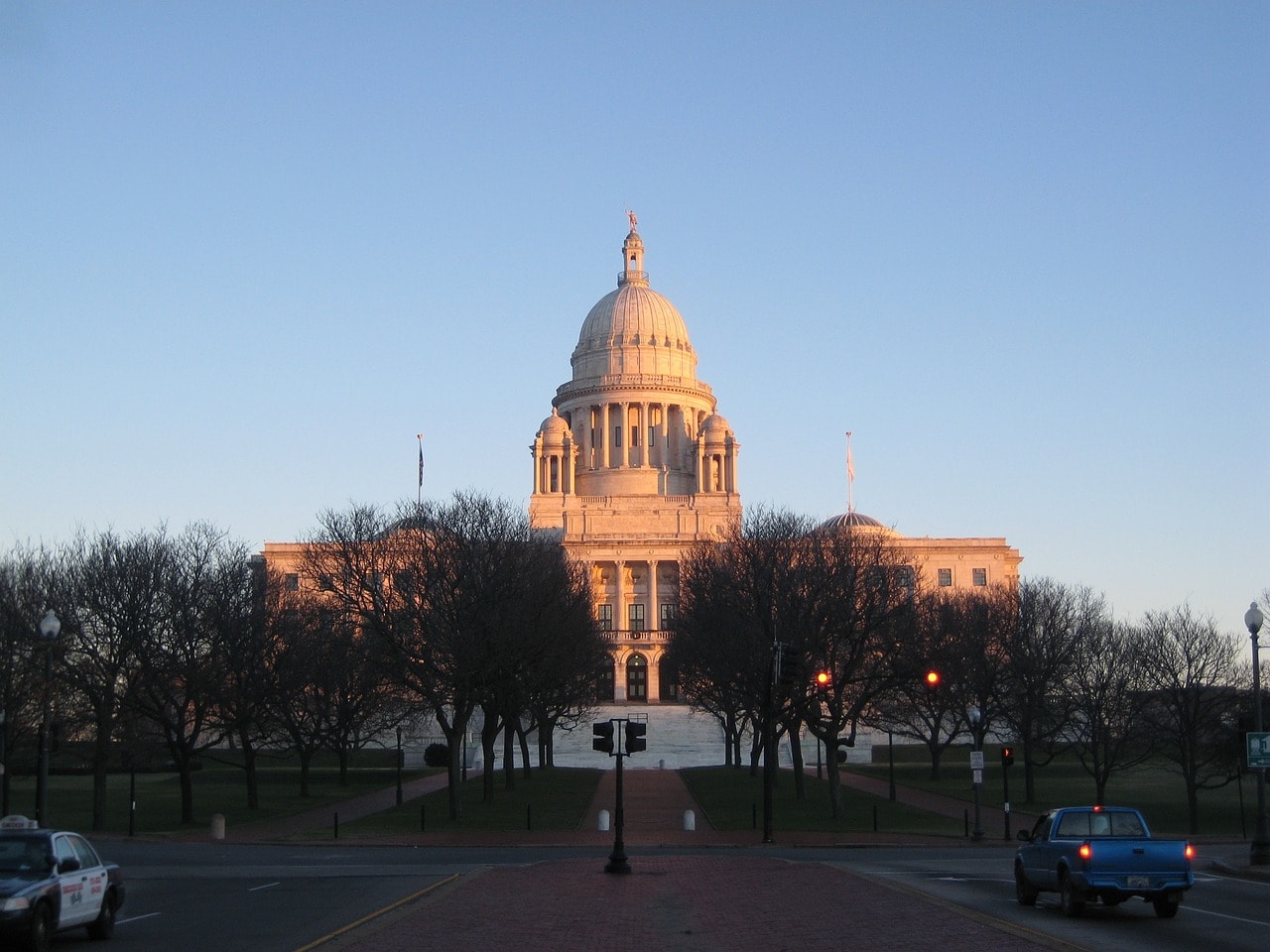
The Rhode Island State House is an important governmental symbol of the small state. It's located north of the station park on a large green area, and the approach from downtown is via an impressive tree-lined avenue. The building is definitely impressive, following the style common to state houses across the USA, based on the design of the Massachusetts State House in neighboring Boston.
Above the gallery is a massive neo-Renaissance dome surrounded by columns, with four smaller domes designed in a neo-classical ambulatory temple style. At the top of the dome stands a golden statue called The Independent Man, leaning on a mallet and holding a long spear.
Address: 82 Smith St., Providence
Federal Hill District
West of Providence's downtown, beyond the I-95 highway, you'll find the vibrant residential neighborhood of Federal Hill. This district is closely associated with the city's Italian immigrant community. The main thoroughfare is the long Broadway Street that spans from east to west. Along the street, you'll discover plenty of restaurants, art galleries, bars, and other entertainment spots.
Both north and south of Broadway, you'll find charming residential neighborhoods. Atwells Avenue to the north is the most Italian street in Rhode Island. It's lined with Italian restaurants, especially around the central DePasquale Square. This square is particularly bustling with life and is entirely covered with tables and chairs from Italian eateries surrounding a beautiful fountain.
Roger Williams Park
The large city park is located a ten-minute drive south from downtown Providence. The park was initiated by Betsey Williams in memory of her family ancestor, Reverend Roger Williams, who founded the city in 1638. The park itself was built at the end of the 19th century and has since become one of the most beautiful and attractive in the New England cities.
The park is full of attractions, the most important of which are the Museum of Natural History and Planetarium and the Roger Williams Park Zoo in the northern part of the park, one of the first zoos opened in the USA. The park features large lakes and ponds where you can rent boats for sailing. There are also walking and biking trails surrounded by trees and greenery, and an impressive Victorian Rose Garden near Betsey Williams Cottage, which has now been preserved and functions as a museum.
Touring Historic Providence (East Side)
Memorial Park
Memorial Park is probably the most beautiful green lung in Providence. The park is located between the Providence River to the west and Main Street to the east. The central feature of the park is a tall obelisk column with reliefs at its base. In the northern part of the garden is the Rhode Island Korean War Memorial.
In the park, you can also find the unique Gun Totem, where dozens of guns were melted into a round concrete column shaped like a totem.
Benefit Street
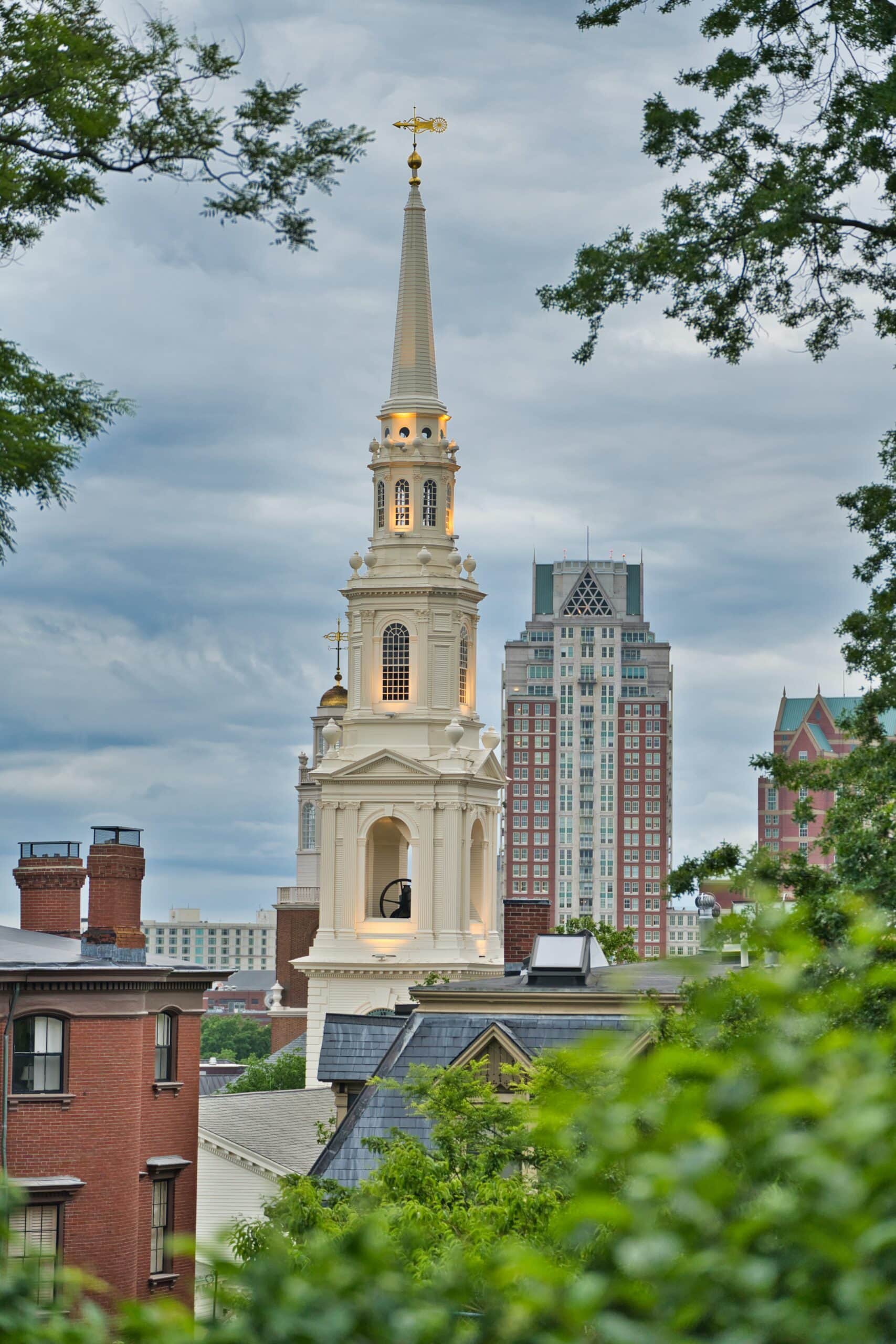
Benefit Street technically marks the boundary between the center of Providence and the Brown University campus to the east. The street is the main artery of the College Hill district, the east bank of the Providence River. Benefit is a nearly classic New England street, with many old houses, some dating back to the 17th century.
On the street, you'll also find some important public buildings like the RISD Museum, the preserved Old State House, the State Arsenal, and the impressive Providence Athenaeum library, which was built in the early 19th century.
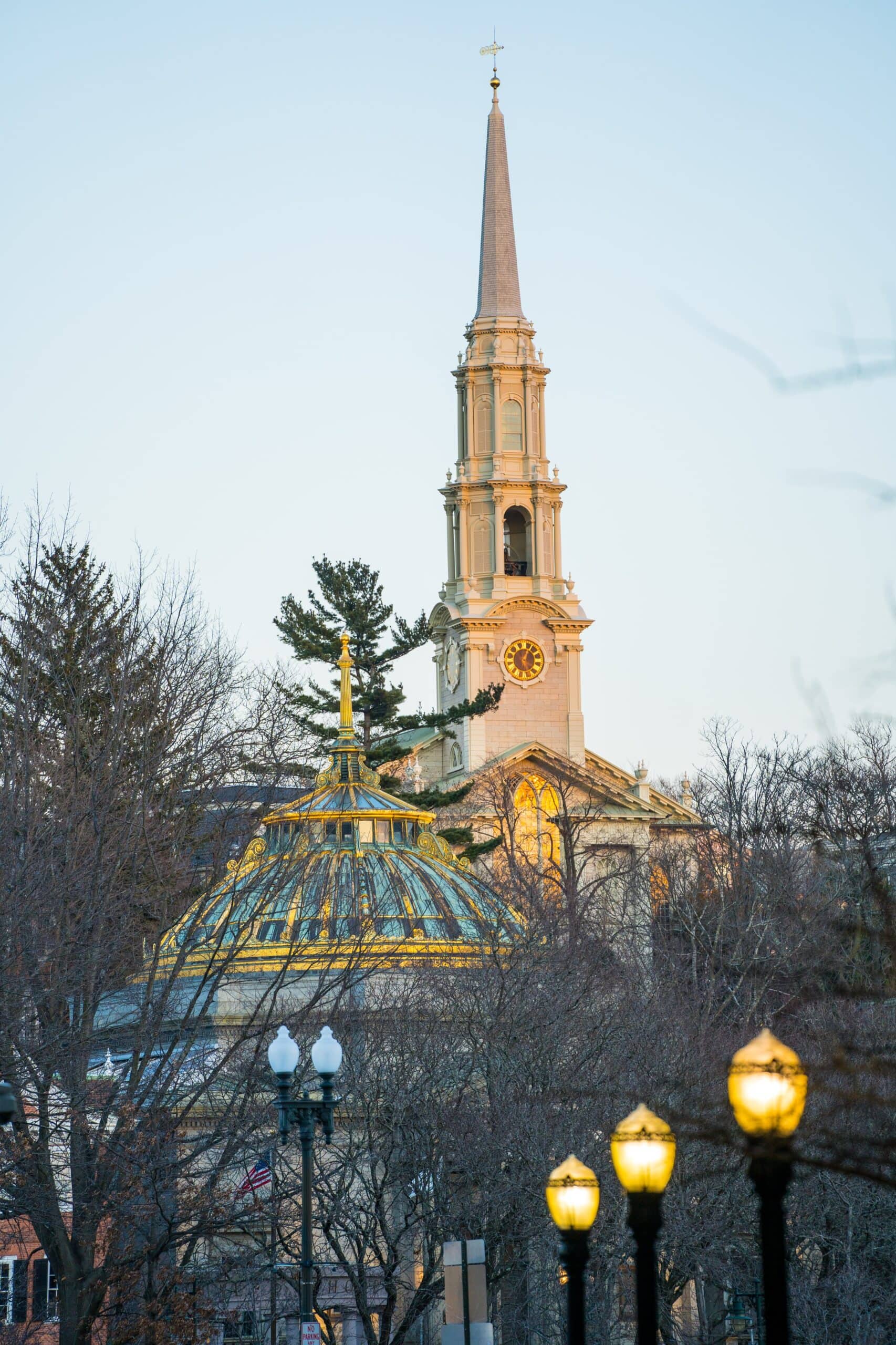
On the other side of the library is the historical Stephen Hopkins House, a home from the early 18th century that is now open to the public. South of the Athenaeum is the First Unitarian Church of Providence, known for its impressive facade and massive bell tower.
Rhode Island School of Design Museum or RISD Museum
The Rhode Island School of Design Museum is located in the northern part of Benefit Street, a block and a half south of the design school itself. The school is near the impressive building of the First Baptist Church in America.
The church was originally established by the city founder, Reverend John Williams, although the current building dates back to the late 18th century. The school museum showcases an impressive and diverse collection, including archaeology with a large assortment of Egyptian era artifacts, Greek and Roman findings, and artifacts from Celtic European cultures. There is also a display of decorative art, textile designs, and Asian art.
Museum Collection
- The museum's art collection is very impressive and includes works by the Romanticist Théodore Géricault, Nicolas Poussin, Salomon van Ruysdael, Giovanni Battista Tiepolo, and other artists from the Mannerism and Baroque periods
- The modern collection boasts plenty of representation from Impressionist and Post-Impressionist artists such as Auguste Rodin, Claude Monet, Paul Cézanne, Renoir, and others
- The modern collection also includes paintings by Pablo Picasso, Georges Braque, Henri Matisse, Fernand Léger, and many other notable figures
- There is also a variety of paintings by America's greatest artists such as Winslow Homer, Roy Lichtenstein, and more.
Address: N Main St. 20, Providence
Click here for the latest museum hours…
The John Brown House Museum
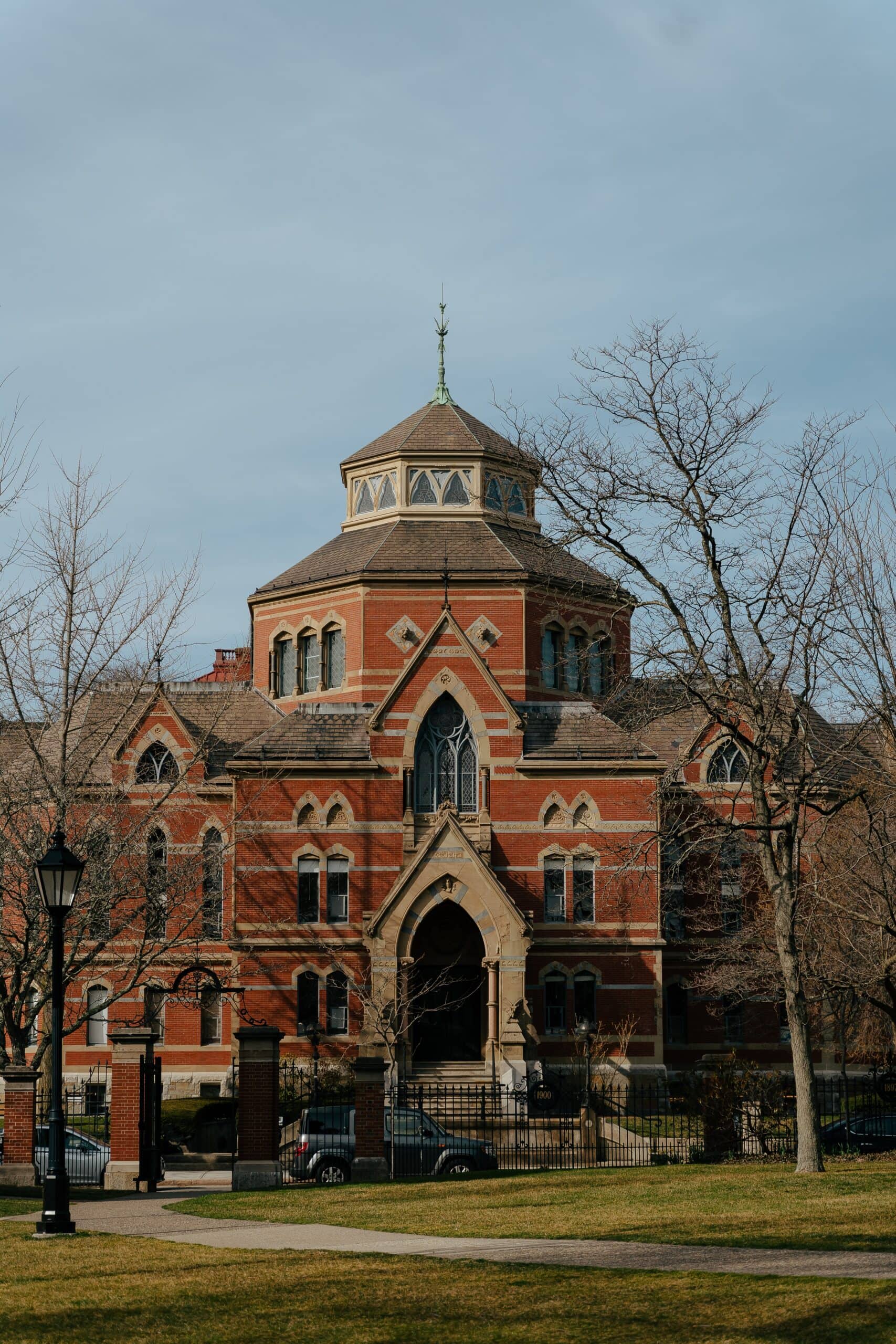
John Brown's mansion is nestled in a large, green area on Benefit Street, offering a break from the relatively dense construction of this historic mile of Providence.
The mansion was built in 1785 for the merchant and shipping magnate. At the time, the house was one of the most impressive in Providence, and Brown invested heavily in its architectural design and interior decoration. His home has undergone extensive preservation and is now a fascinating period museum owned by the Rhode Island Historical Society. In the dozen rooms of the mansion, you can learn a lot about the lifestyle during the birth of the United States, especially of its wealthy elite like Brown.
Address: Power St. 52, Providence
Click here for the museum's opening hours…
Brown University Campus
Brown University was founded in 1764, and it's one of the oldest and most prestigious academic institutions in the USA and around the world. Despite its ranking having slipped quite a bit in recent decades, Brown is still one of the 8 Ivy League academic institutions. The university campus occupies most of the College Hill district on the east bank of the Providence River.
The heart of the campus is the large Main Green, and nearby is the Quiet Green. The campus buildings are a mix of styles, including clean neo-classical and neo-gothic. This fusion of styles creates a fascinating architectural look, and the entire campus is considered a national historic site.
The interesting buildings to visit on the campus are:
- The Haffenreffer Museum of Anthropology, with its heavy academic findings and intriguing ethnographic displays
- The neo-classical building of the John Carter Brown Library
- The impressive Carrie Tower Clock
- The John Hay Library displays a collection of memorabilia of President Abraham Lincoln
- Nearby at the David Winton Bell Gallery, there's an impressive collection of postmodern art
- The eastern end of the campus is defined by the vibrant Thayer Street, full of restaurants and bars popular with university students