Travel Itinerary – 3 Days in Downtown and Lower Manhattan
Where will we tour? In the southern part of Manhattan – in Downtown and the neighborhoods of Lower Manhattan
What are the itineraries? Day trips covering all the must-see sites in the boroughs of Chelsea, Greenwich Village, Washington Square Park, Soho, Tribeca, Chinatown, Little Italy, Lower East Side, East Village, Bowery, and more. Includes a day trip in Downtown and a cruise to Liberty Island (the island of the Statue of Liberty) and Ellis Island
When's the best time to visit? New York is a city that never sleeps. You can explore its routes all year round (though it's better when it's not rainy or snowy).
Who is this trip suitable for? Anyone who loves to walk and wants to explore Manhattan's most unique corners. Couples, friends, adults, young people, and even families (for smaller kids, you'll want to trim down the itinerary).
Which transportation will we use? Prepare your leg muscles (and occasionally grab some Metro tickets).
What's the level of intensity? Daily tours that might get a bit long. You can skip the less interesting spots or stretch the itinerary over several days.

Information about the travel itinerary
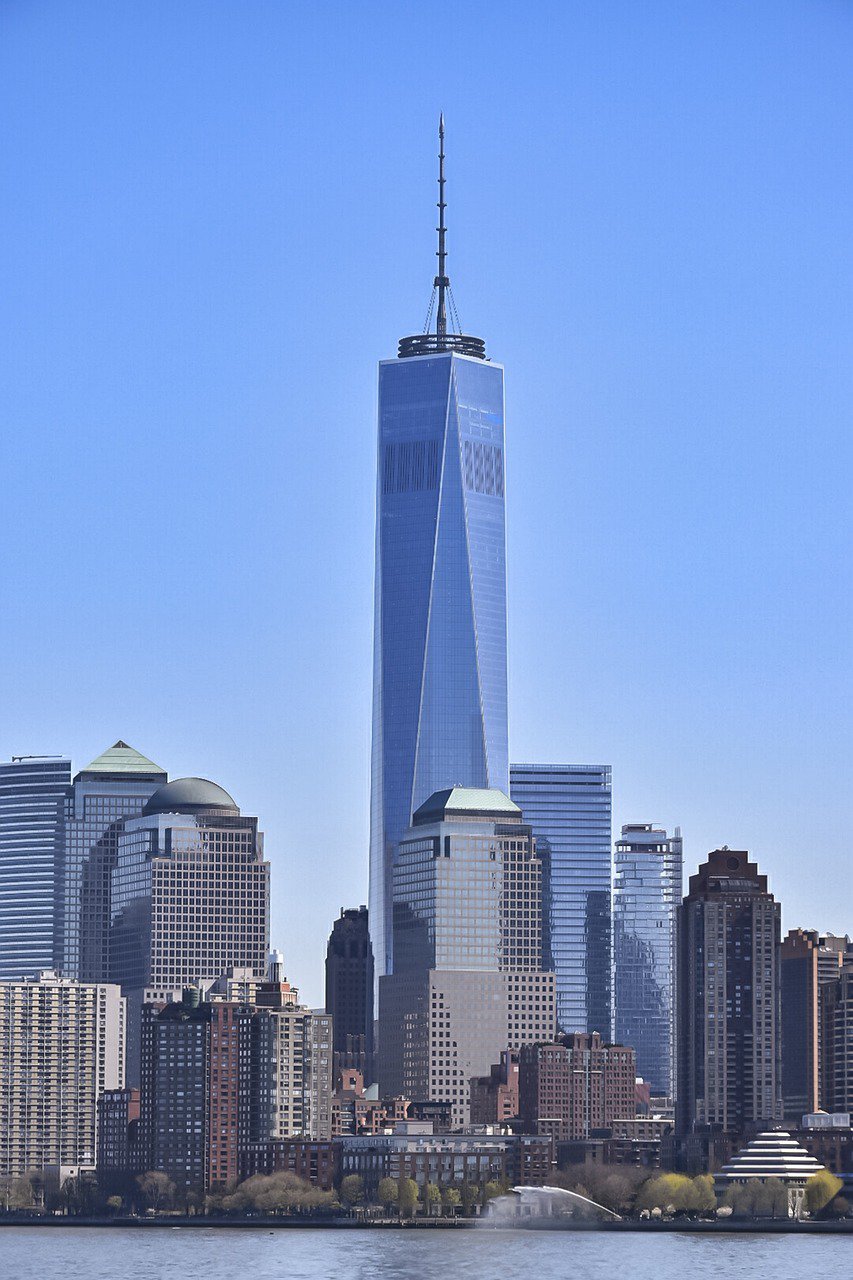
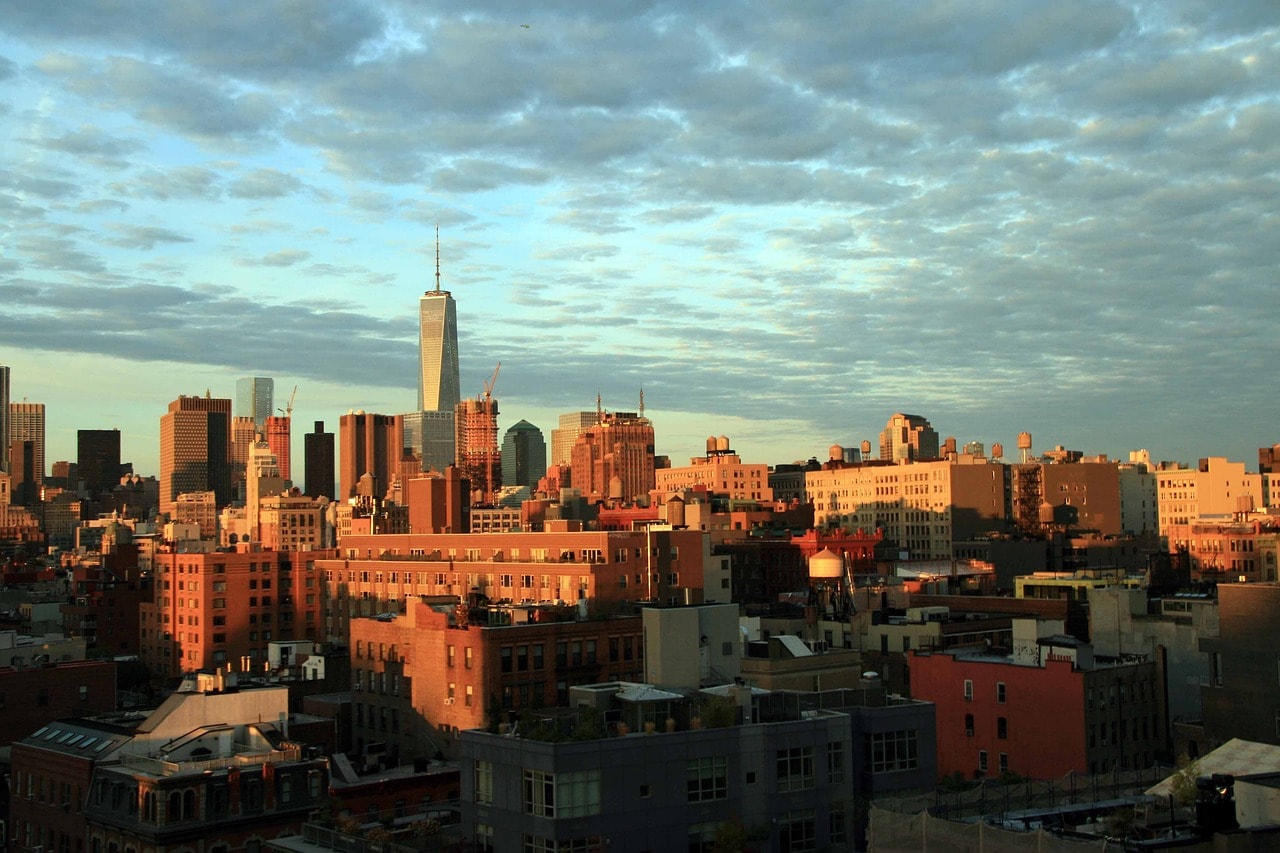
Downtown Manhattan is the most important financial hub in the world. Wall Street, the historic street of New Amsterdam's wall, is home to the world's largest stock exchange and the main work location for all businessmen. It's also the street where George Washington was inaugurated as the first president of the USA. Downtown isn't as large as Midtown but it's filled with skyscrapers, some historic and some modern. One of them is the tallest in the city – One World or the Freedom Tower, the building that commemorates the beloved Twin Towers that once dominated the skyline.
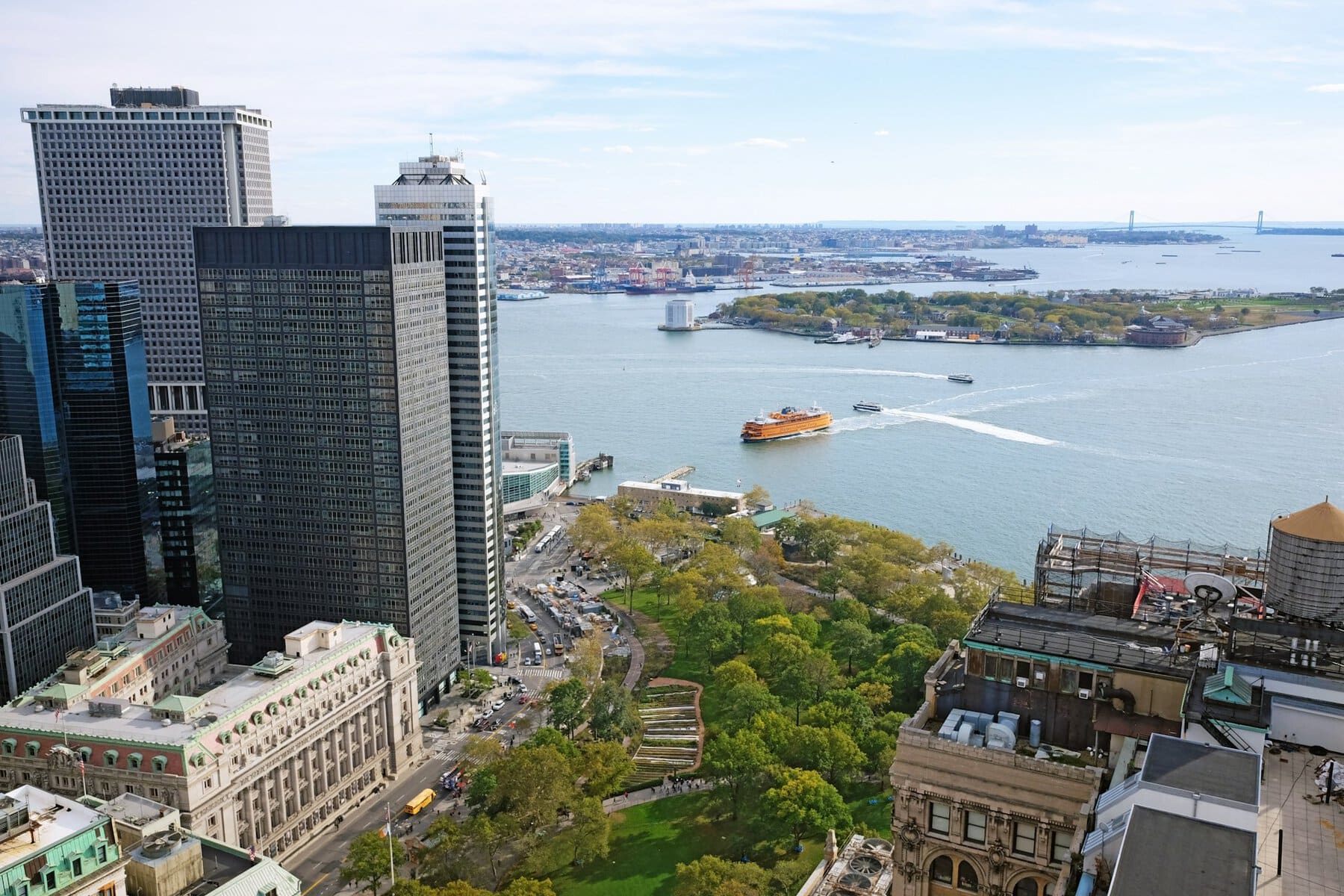
From Battery Park in the south, ferries depart to Staten Island and to the islands in Upper Bay. These ferries reach Ellis Island, home to the Immigration Museum, and to the base of the iconic Statue of Liberty. Downtown is also where the vibrant Seaport is located, offering stunning views of the Brooklyn Bridge and the Manhattan Bridge.
The districts north of downtown are the historic residential neighborhoods of New York. These areas are rich with immigration history (including today's Chinatown) and are a mosaic of the city's ethnic diversity – Jews, Italians, Irish, and more. Today, many of these neighborhoods have undergone a transformation and are full of trendy streets and stylish residences.
Click here for all the information on traveling in New York City…
Click here for all the information on public transportation in New York City…
Where to Stay?
It's highly recommended to find accommodations within Manhattan itself. The island has a plethora of lodging options, none of which are cheap. Alternatively, staying in Brooklyn or Queens near a subway station is also an option.
Click here for a list of 12 great hotels in Manhattan…
Expert Tip for Travelers in New York
- Downtown Manhattan isn't geographically large, but it's packed with skyscrapers, bridges, and plenty of attractions, including a free ferry ride to the Statue of Liberty (via the free Staten Island Ferry departing from Battery Park)
- Neighborhoods in Lower Manhattan such as the Lower East Side, East Village, Soho, Chinatown, Greenwich Village, and the NYU campus around Washington Square Park are must-visit spots
- As the city is very easy to navigate by subway (and also by buses), you can shorten walking times by using the subway for one or two stops
- Although it's important to maintain a presentable appearance, it's highly recommended to tour with comfortable clothing (according to the season) and especially with comfortable shoes!!!
Map of Lower Manhattan and Downtown
Details of Trip Days in Downtown and Lower Manhattan
Day Trip 1: Manhattan – Downtown and the Upper Bay Islands
Our third day of the trip will be all about exploring downtown Manhattan, including a particularly fun ferry ride to Liberty Island and Ellis Island. Downtown Manhattan is the world's financial hub. Here, the New York Stock Exchange is located on Wall Street, the street that once served as the wall of the Dutch New Amsterdam.
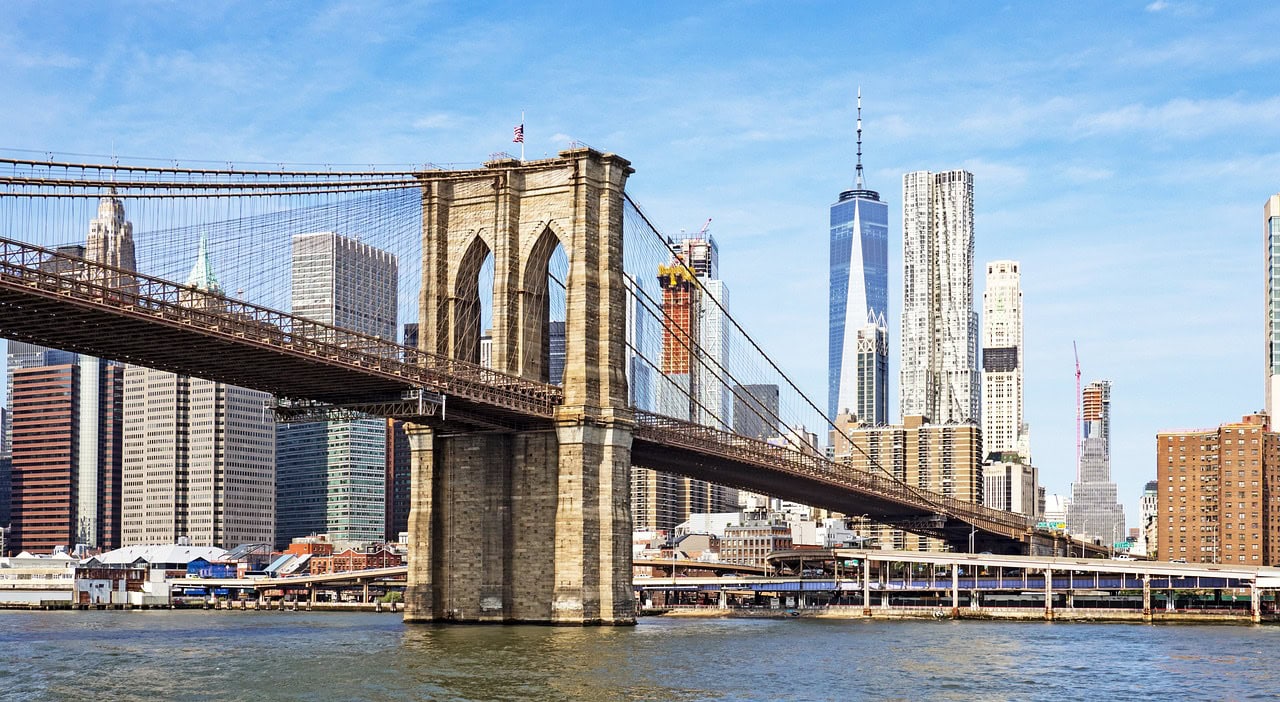
At the tip of Manhattan Island lies Battery Park, where the city's defense batteries once stood. Just north, along the Hudson River, stands the tallest skyscraper in the West (the CN Tower in Toronto is considered a TV tower) – the One World Trade Center. This tower fills the dreadful void left by the Twin Towers. In the eastern part of downtown, along the East River, you'll find New York's iconic bridges – the Manhattan Bridge and the Brooklyn Bridge. Beneath them is the South Street Seaport entertainment area at Pier 17.
The new World Trade Center and Wall Street
- We'll start our tour in downtown Manhattan at the Freedom Tower or One World Trade Center in the new World Trade Center complex. We'll ascend to the observation deck on floors 100-102, at an incredible height of 387 meters. From the deck, you'll enjoy breathtaking views of the entire metropolis and the Hudson River.
- Descending from the tower, we'll head to the gaping void of the 9/11 Memorial & Museum. What was once Ground Zero remains exposed, with two silent square pools known as The Footprints of the Twin Towers, each commemorating the base of the fallen tower. Surrounding the pools are bronze plates engraved with the names of the three thousand victims of the terrorist attack.
- From the memorial, we'll enter the museum entirely dedicated to September 11 located on the eastern part of the site. The museum entrance is at the site's eastern corner, from Greenwich Street. Inside, there's an overview of the terrorist attack events, along with silent artifacts from the building's remains. The museum features a deep space called the Western Chamber, where you can witness the excavation of the towers' foundations.
- From the museum, we'll head east on Liberty Street through Zuccotti Park to Broadway. On Broadway, we'll go south to Trinity Church. The church was built in 1864 in the Neo-Gothic style and has a spire almost 90 meters tall. This spire was the tallest structure in New York City until the skyscrapers came around.
- We'll cross Broadway and enter the world's financial heart, Wall Street. For finance enthusiasts and those who love the hustle and bustle, you can enter the gallery of the New York Stock Exchange.
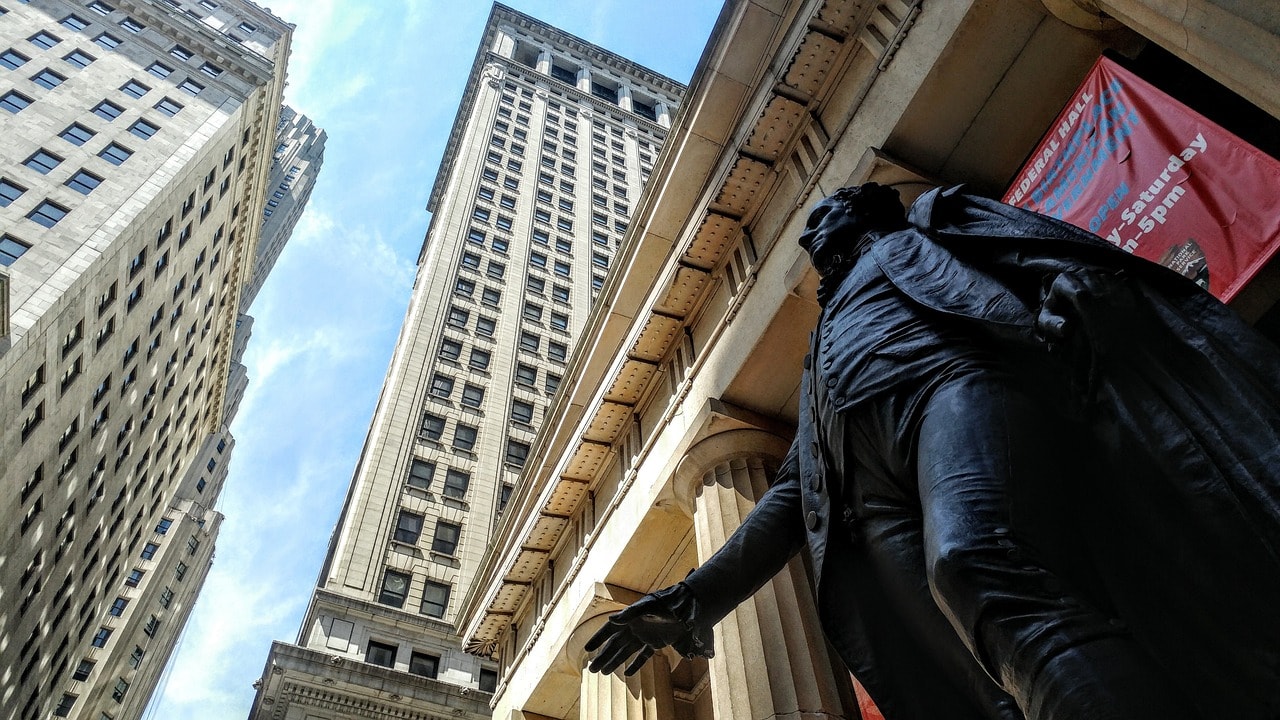
- From the Stock Exchange, we'll cross the street to Federal Hall. On the steps of this neoclassical building, George Washington was inaugurated as the first President of the United States in 1789.
Battery Park, the Upper Bay Islands, and Seaport
- From Wall Street, we'll head south on Broadway to Bowling Green Park, where we'll take pictures with the iconic Charging Bull statue that was placed there guerilla-style in 1989.
- From the Charging Bull, head into Battery Park to visit the Castle Clinton National Monument. The fort was built at the beginning of the 19th century and housed a cannon battery that protected Manhattan.
- Next to the fort, we’ll board the ferry to Liberty Island (departing from Whitehall Terminal) and sail to the foot of the Statue of Liberty. In the past, visitors could climb the internal stairs to the statue's head. After the September 11, 2001 attacks, access is limited to Liberty Island, where you can view the statue from below.
- From Liberty Island, we'll sail to neighboring Ellis Island to visit the Ellis Island National Museum of Immigration. This museum tells the story of immigrants who arrived in the USA, recounting the European immigration that populated the New World. There's also a large digital archive where you can search databases regarding the arrival day and immigration status of those who passed through.
- From Ellis Island, we'll return by ferry to Battery Park and stroll along Beaver Street to the Seaport and Brooklyn Bridge. The Seaport is an area at the East River's mouth into the Upper Bay, which used to be part of New York's harbor. Nowadays, the area has been revitalized and developed, making it one of Manhattan's most appealing places to hang out, offering views of two bridges—Brooklyn Bridge and Manhattan Bridge—as well as westward to the Downtown skyline. Pier 17 has been entirely transformed into a hub of restaurants and entertainment venues and is considered the heart of the area's visit.
- From the Seaport, we'll head to the Brooklyn Bridge. This iconic bridge stretches almost 2 kilometers and towers about 80 meters over the East River. For those with enough energy, you can walk across to Brooklyn, which takes roughly half an hour (you might return via the Manhattan Bridge or walk halfway across the Brooklyn Bridge and turn back. You can also take the subway back from High St station on the blue line to Manhattan).
Day Trip 2: Manhattan – The Western Neighborhoods of Lower Manhattan – City Hall Park, Tribeca, Soho, Washington Square Park, Greenwich Village, and Chelsea
We'll dedicate the fourth day trip to the popular New York neighborhoods between Midtown and Downtown on the west side. We'll start the tour in the administrative center of New York, located at the northern tip of Downtown – City Hall Park. From there, we'll head north through Tribeca to what is known as Lower Manhattan – to the bustling Broadway Street in the heart of Soho and northwards towards New York University Campus and the trendy neighborhood of Greenwich Village. We'll wrap up the day with a visit to Chelsea Market.
City Hall Park and Tribeca
- We'll kick off our travel day at the administrative center of New York City, the City Hall Park area. We'll head to the southern end of the park to St. Paul's Chapel, the last church built in pre-independence New York in 1776. The chapel was nearly destroyed during the collapse of the Twin Towers on September 11, 2001, which stood closely to its west.
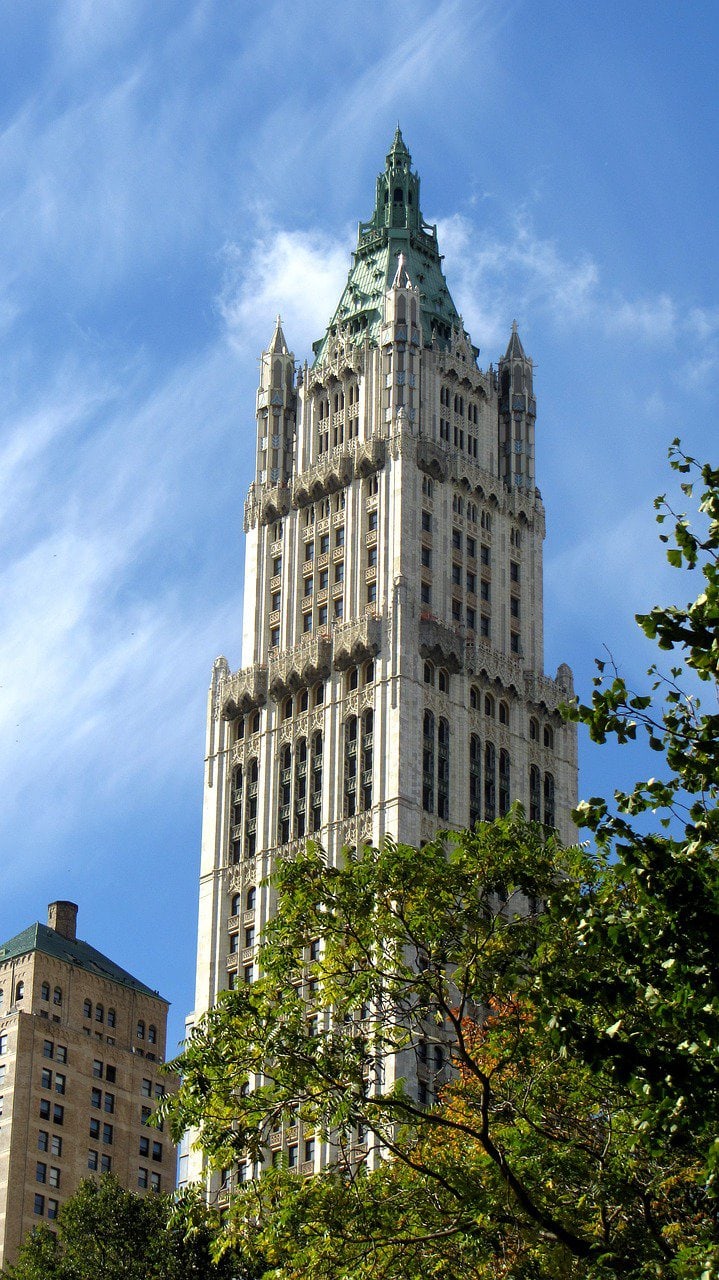
- From the chapel, we'll head up Broadway north and spot the Woolworth Building from 1913, considered a sort of prototype for the magnificent skyscrapers that followed during the 1920s and 30s, those we now recognize as New York’s vintage skyscrapers like the Chrysler Building, the Empire State Building, and more.
- From the Woolworth Building, we'll enter the park itself and arrive at the New York City Hall.
- Walking to the northern edge of the park, we'll enter the New York Courthouse Complex. Architecture enthusiasts might want to explore the following buildings in the complex: Surrogate's Court, The David N. Dinkins Manhattan Municipal Building, Thurgood Marshall United States Courthouse, New York County Supreme Court, and New York County Criminal Court. If you're less interested, you can admire the beautiful buildings from the outside and continue on towards Tribeca.
- We'll head west from the northern tip of City Hall Park on Chambers Street to Greenwich Street, and go north to Harrison Street, the most photogenic street in the neighborhood. This stretch, between Hudson Street to the east and Greenwich Street to the west, features a row of preserved houses dating back to the mid-18th century.
Soho
- From Tribeca, we'll continue north to Canal Street, walk a bit east, and enter Soho on Greene Street. Greene Street is the heart of the neighborhood, with its unique restaurants, galleries, and boutique shops (in contrast to the chain shopping on Broadway). The most stunning architectural part of the neighborhood is the section on Greene Street between Broome Street to the south and Prince Street to the north. In this segment, you'll find dozens of cast-iron buildings typical of the industrial structures built in the neighborhood from the mid-19th century.
- We'll walk on Greene Street to Prince Street, where we'll head east towards Broadway. On the way, we'll see the Little Singer Building. This structure from 1904 features a blend of Art Nouveau balconies and terracotta bricks over cast iron.
- We'll head back slightly south on Broadway and reach the Haughwout Building, which housed a glass factory since 1857.
Washington Square Park and Greenwich Village
- We'll walk north on Broadway until we reach the New York University campus. Then, we'll turn onto West 4th Street heading west and arrive at Washington Square Park. At the southern corner of the square stands Judson Memorial Church from 1892.
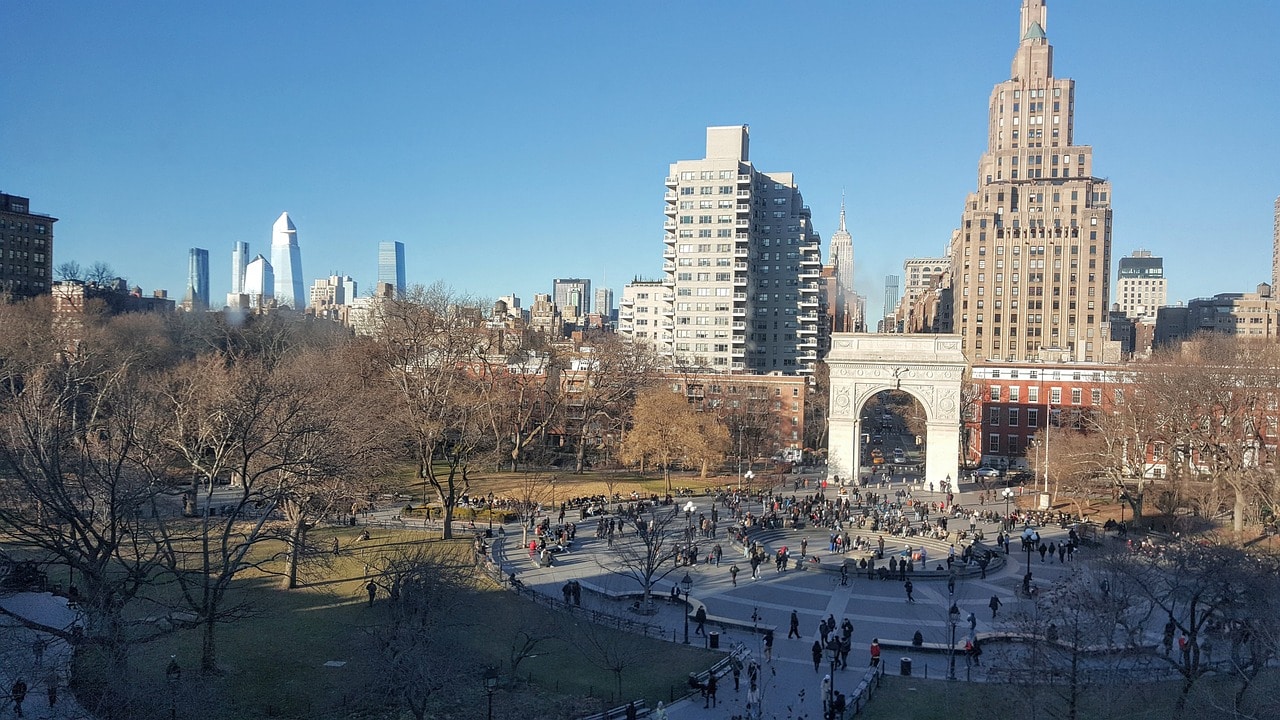
- We'll enter the park, featuring a large circular fountain at its center and nearby, in Garibaldi Plaza, the statue of the unifier of modern Italy. On the other side of the fountain is the Alexander Lyman Holley Monument, honoring one of the prominent steel engineers of the 19th century.
- We'll reach the park's iconic symbol – the Washington Square Arch, located at the northern entrance facing the fountain.
- We'll head north from the park along Fifth Avenue, known for its beautiful and tranquil section. Along this stretch, you'll find two charming churches – The Church of the Ascension and the First Presbyterian Church from 1846.
- Let's return to the vibrant West 8th Street and head west to Greenwich Village. We'll reach the Jefferson Market Library. It is one of the most unique vintage buildings in New York, dating back to 1877. The building is now a branch of the New York Public Library. It stands out over Sixth Avenue with its handsome Neo-Gothic clock tower.
- From the library, we'll walk west on Christopher Street and arrive at Sheridan Square. The square and street are key locations in LGBTQ+ culture, mainly due to the bars that operated in the 1960s, which were community gathering spots.
- Continue on Christopher Street to Bedford Street to reach the remarkable Twinn Peaks Building. Three buildings south down Bedford Street, at the intersection with Grove Street, is what is known as the “Friends” building. This building is the exterior shot of the apartment building where Monica, Rachel, Chandler, and Joey lived. Nowadays, it has become a very popular visit site and many visitors come to photograph it from outside.
- From the Friends building, head north on Hudson Street towards the vibrant Meatpacking District. In the district, we'll visit the Whitney Museum of American Art.
- From the new museum, we'll head north to the Chelsea neighborhood and arrive at the Chelsea Market, a large market complex of restaurants and food vendors that has become a popular entertainment spot.
- From the market, head north to West 23rd Street and walk east to the historic The Chelsea Hotel, one of the most bohemian hotels in the city.
Day Trip 3: Manhattan – The Eastern Neighborhoods of Lower Manhattan – Lower East Side, East Village, Chinatown, and the Bowery
On the fifth day of the trip, we'll explore the unique neighborhoods of East Lower Manhattan. We'll start the journey at the historic delis of the Lower East Side, the historical home to Jewish immigrants from the old continent. From the Lower East Side, we'll move on to the East Village and proceed to the historic neighborhoods of the Bowery and Nolita. We'll head south towards Manhattan’s large Chinatown, the neighborhood of Chinese immigrants that has nearly swallowed up Little Italy. This tour is loaded with flavors and scents, along with the more complex history of New York City.
Chinatown and Little Italy
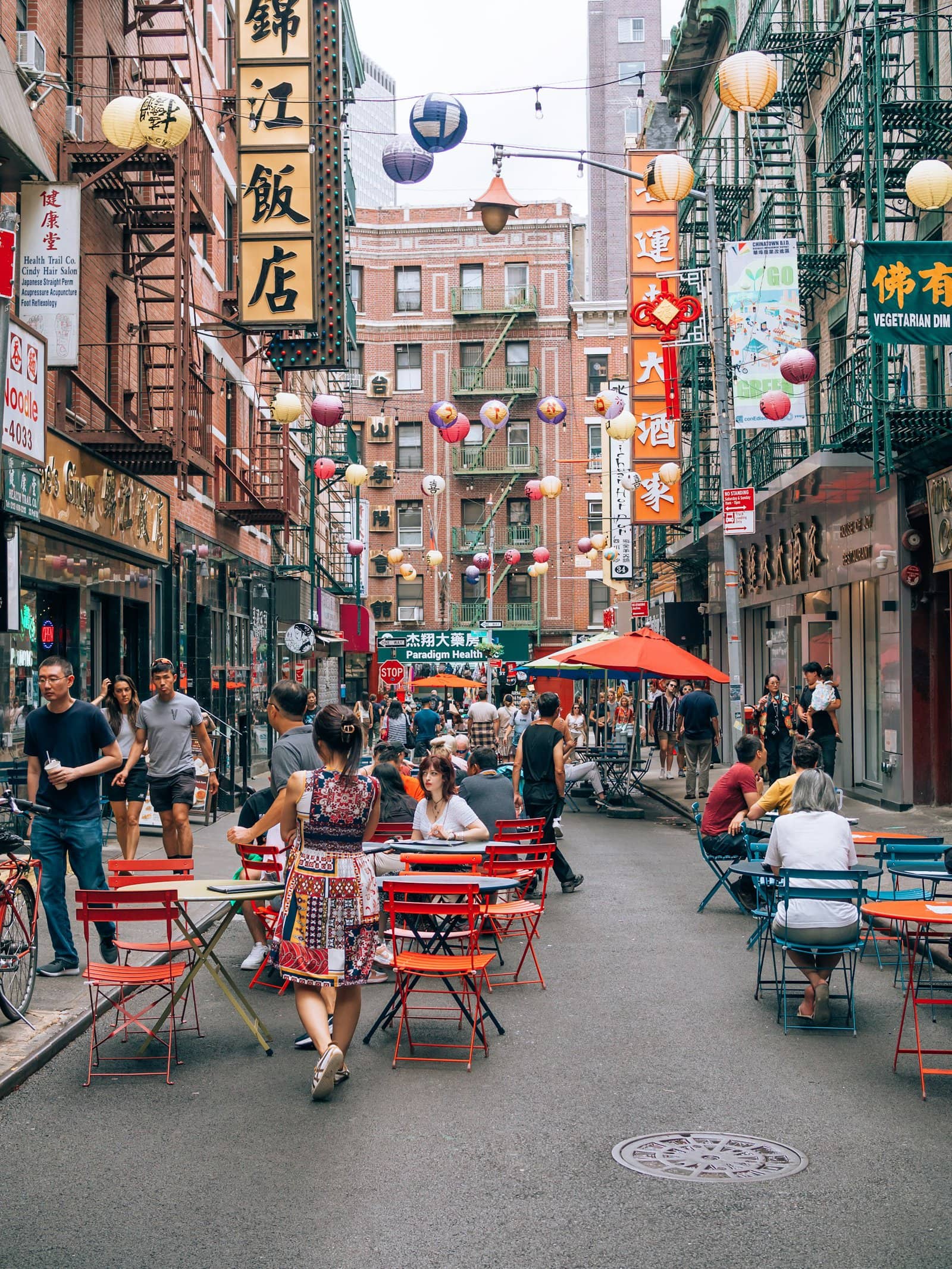
- We'll start the fifth day of the trip with a little jump abroad. The subway station at Broadway and Canal Street is the almost official entrance to Chinatown.
- We'll head a bit east on Canal Street and enter Mulberry Street, which goes north into the heart of Little Italy. The streets of Little Italy still retain their Italian character, with flag colors and cultural elements from the boot-shaped country. On Mulberry Street, every September, they celebrate the Festa di San Gennaro, a festival that tells the story of Italian immigration to America.
- From Little Italy, we'll head south and walk on Canal Street east towards the market of Chinatown or the Canal Street Market. In the eastern part of the market, we'll head south on Mott Street towards the Dead Man's Curve on Doyers Street.
- At the southern part of the pedestrian street, there's a sharp eastern bend known as a place where gang vendettas occurred in early 20th century New York, especially between Italian and Irish immigrant gangs.
- At the end of the street lies a large square formed between Bowery Street to the west and the ramp leading up to the Manhattan Bridge. The square is known as Confucius Plaza. The plaza is a relatively open area amidst the dense neighborhood, and there stands a statue of Confucius.
The Lower East Side
- We'll cross the border from China to the Lower East Side and visit the Museum at Eldridge Street, the magnificent synagogue of the former Jewish neighborhood.
- From Eldridge Street, we'll walk on East Broadway to the Bialystoker Synagogue, established by Jews from Bialystok in a former church space.
- From the Bialystoker Synagogue, we'll head to the Delancey St–Essex St subway station, right by the ramp of the Williamsburg Bridge. This area is the ground zero of New York's historic Jewish quarter, and you can still see the influences today, especially in the vintage delis on East Houston Street.
- Near the bottom, you'll find the Essex Market, a retail market where the Lower East Side's street vendors were relocated in the 1940s.
- From the market, we'll head to the Tenement Museum, a charming little museum that recreates the living conditions of the Lower East Side during its notorious heyday.
- From the museum, we'll head north on Orchard Street, which used to be the Jewish market street and is now a trendy avenue lined with restaurants and galleries.
- As Orchard Street exits onto East Houston Street, we'll step into Katz's Delicatessen, one of New York City's historic and hysterical delis. For dessert, we'll walk two blocks west to Yonah Schimmel's Knish Bakery, one of New York's most unique bakeries.
- From East Houston Street, we'll walk west towards the Bowery. We'll arrive at the New Museum of Contemporary Art housed in a unique and modern building composed of six concrete blocks that dominate the street.
The Bowery and East Village
- We'll head north on Bowery Street to The Cooper Union, home to the free college initiated and built by Peter Cooper, the father of America's railroads. The college is still active, offering free education, and is considered one of the most sought-after in the U.S.
- In the heart of Bowery, we'll also be impressed by the giant red brick structure of the The Public Theater and the historic Bayard–Condict Building by architect Louis Sullivan, one of the key architects of Chicago's skyscrapers. This building is considered the link between the skyscraper concept of Chicago and Manhattan itself.
- From the heart of Bowery, we'll head east to the old church Saint Mark's Church in the Bowery, at the center of what is today the Ukrainian Village.
- From the church, we'll head east through the Alphabet City of the East Village to Tompkins Square Park, the heart of the district. In the sixties, the park was a hotspot for hippies in New York, but later on, it took a darker turn with the punk culture of the seventies and up until a few years ago it was definitely not a place you wanted to visit. However, as the neighborhood has changed, the park has also become more visitor-friendly.