Public Transportation in New York – Subway and Buses
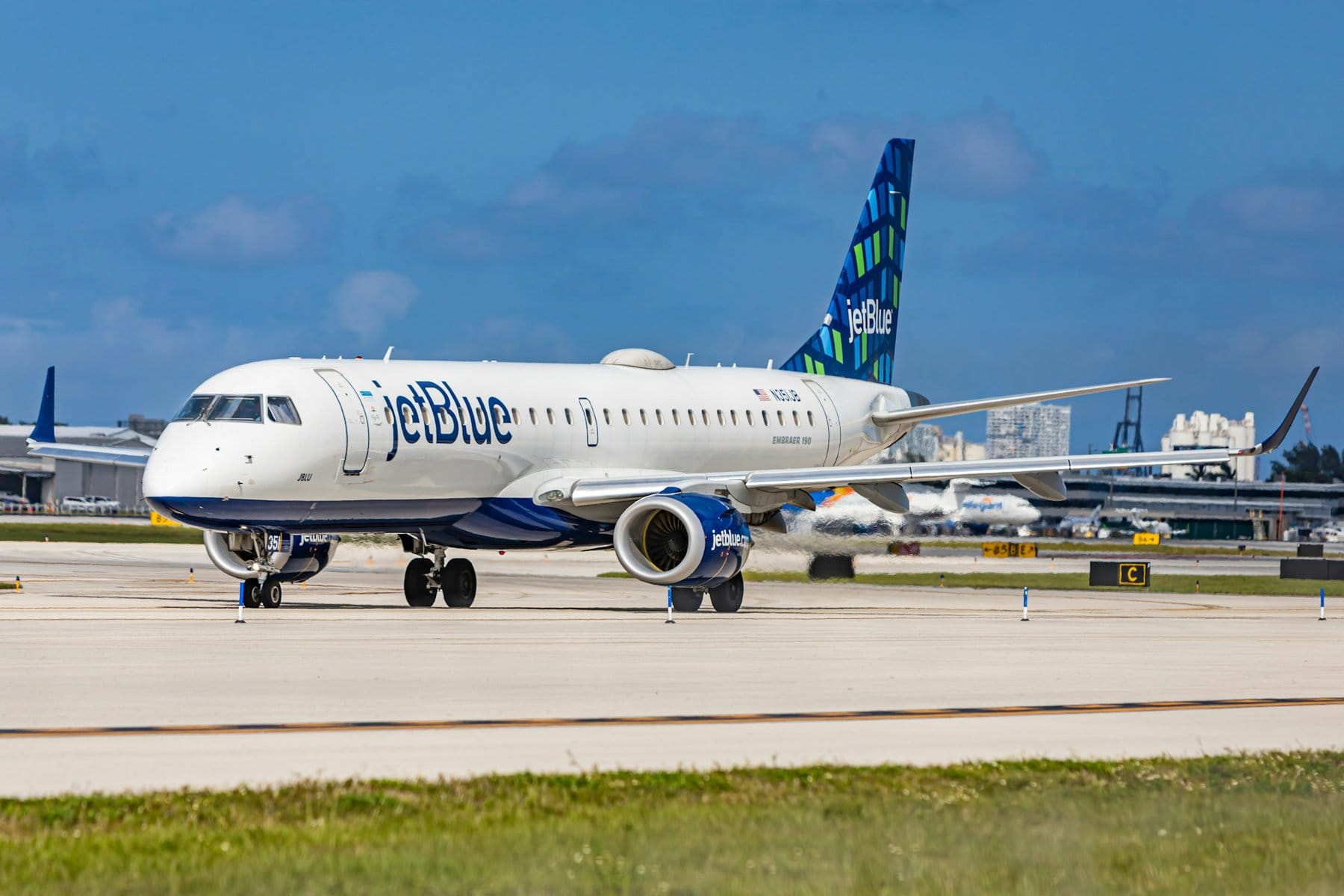
New York's public transportation is a massive entity that plays a crucial role in the smooth operation of the city that never stops. The official municipal transportation means (there are also private transport companies) are iconic symbols of the city. Foremost among them is the colossal subway system, and of course, the yellow taxis that zip through the streets of Manhattan around the clock. Entire movies, songs, and plays have been created about New York's mighty transportation system, and it is an inseparable part of the city's character and grit. Beyond that, this vast network provides easy access to every corner of Manhattan and the outer boroughs. The network allows for the integration of transportation modes and reduces costs of getting around the city.
The New York City Subway – MTA
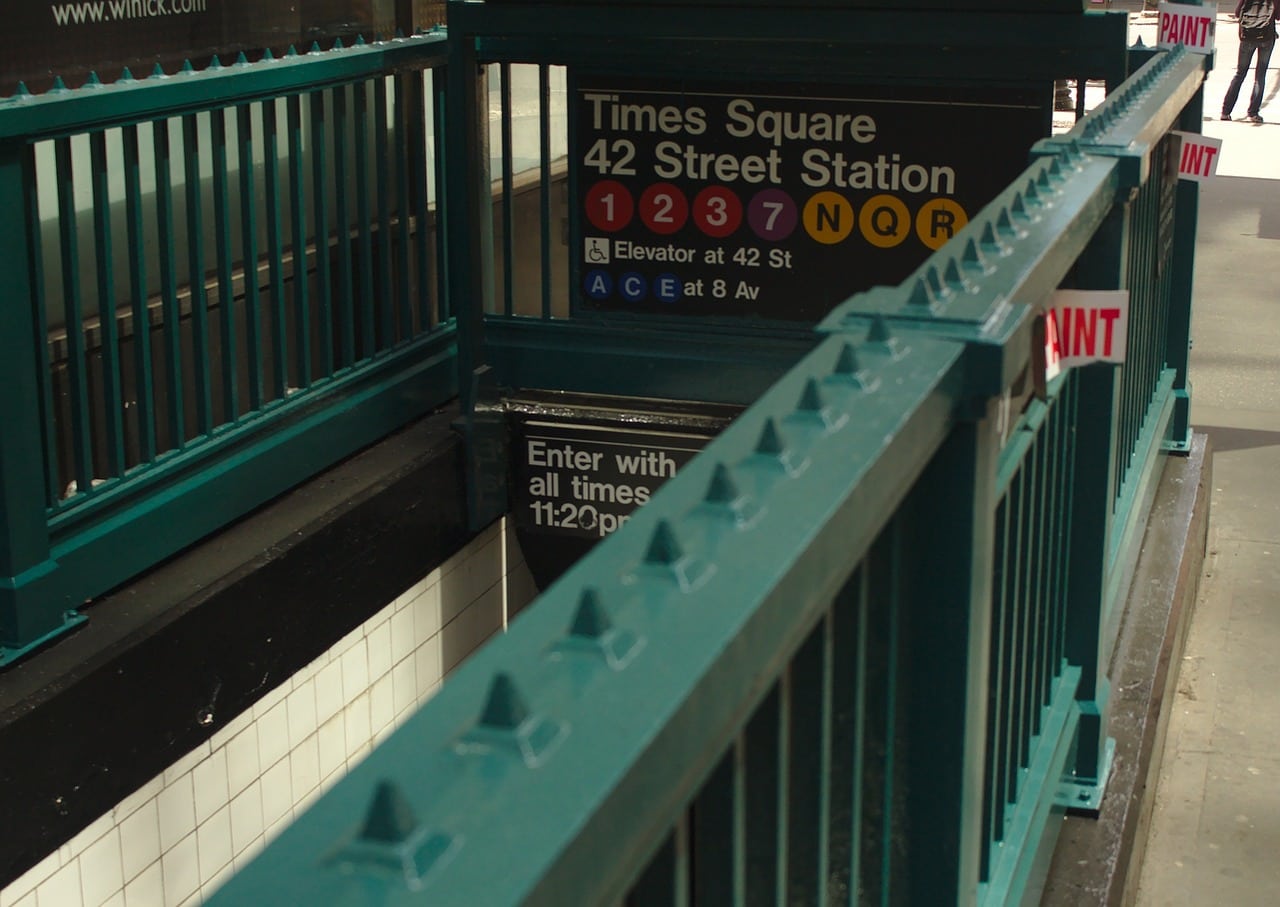
New York's subway system is one of the largest in the world and probably the most famous of them all. The subway includes lines connecting Manhattan with the boroughs of the Bronx, Queens, and Brooklyn. Staten Island has its own separate line. The construction of the lines is oriented towards Manhattan, controlling the commuter traffic of millions of metropolitan residents heading downtown and midtown. There are 36 lines with 424 stations, covering a total length of 400 km. Nearly two billion passengers use the system throughout the year, most of course being New Yorkers but also many tourists. The main traffic and crowding occur at stations stopping in Manhattan.
Click here for private transfer services in New York City…
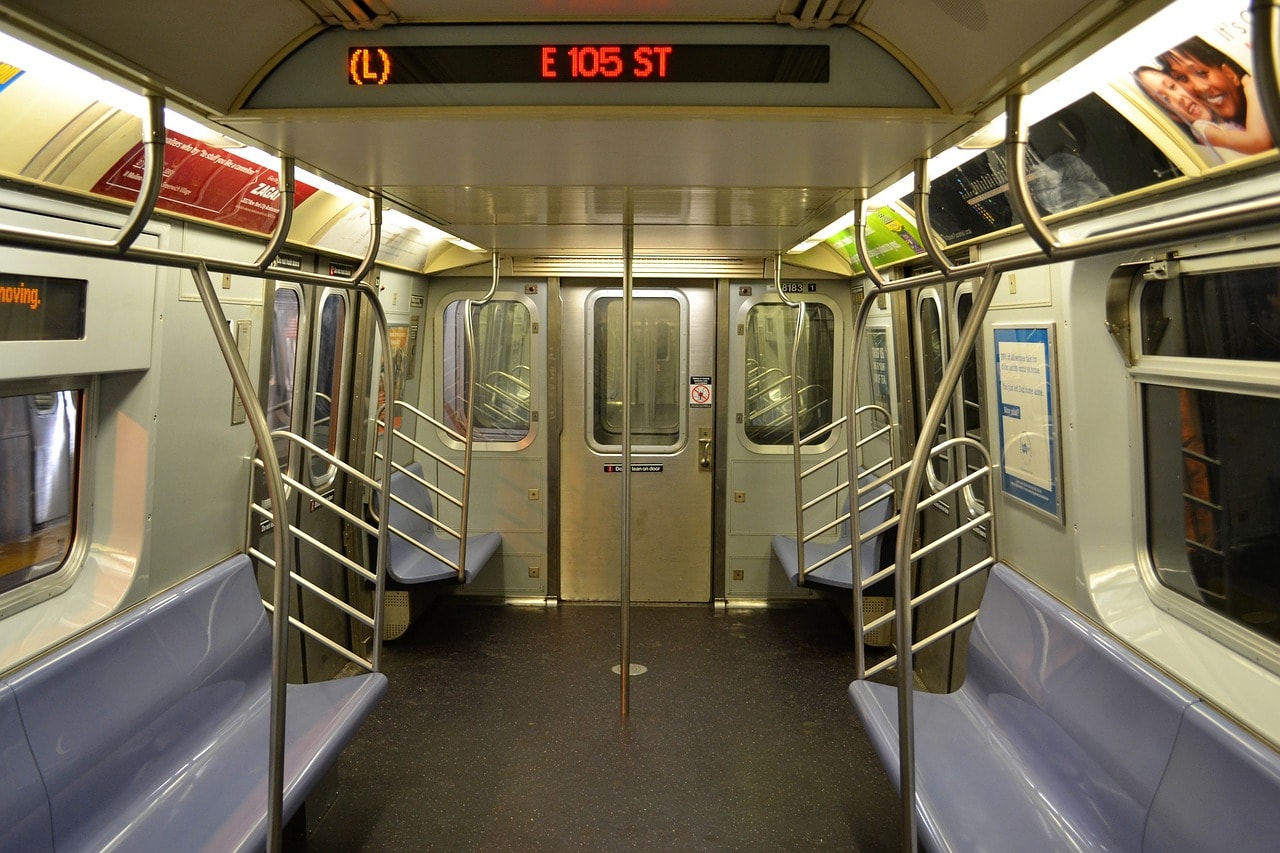
Today, the system is owned by the MTA – Metropolitan Transportation Authority, which is owned by the State of New York. The first lines were opened as a private initiative, the first of them in 1870. However, the development of the system began in the early 20th century, when some of the lines we know today were constructed. Today, the system is much more interconnected, with intersecting lines allowing transfers at stations between lines. The lines are dug relatively high, just below the ground. This is due to the hard rock of southern Manhattan (which also allows for the construction of skyscrapers in this part of the island).
Click here for a half-day guided tour of all the main attractions in Manhattan…
Click here for a helicopter tour over Manhattan…
Using the Subway
In general, the cost of a subway ride in Manhattan is approximately $3.25. There's an option to purchase a weekly ticket for $34 or a 30-day ticket for $132. Tickets can be purchased at the station or via various related apps. There are different plans that can slightly reduce the cost if you plan to travel multiple times.
Click here for all the information on subway tickets and costs…
Click here to download subway maps (including bus lines and maps of different boroughs)…
Click here to check the current service hours…
New York City Bus – MTA Bus Lines
The MTA bus system complements the subway lines at a micro level. The lines are more or less designed to create a network intersecting with the subway lines, allowing full coverage of New York City. The intersecting network is particularly dense in Manhattan. There are 234 bus lines in New York City, divided into boroughs.
Click here for a day trip from Manhattan to Niagara Falls…
The buses are blue and white with their names and numbers on the front (and also on the back so you can miss them). The line name is a number with the prefix of the first letter of the borough they operate in. Additionally, there are 71 express lines and twenty SBS lines – Select Bus Service. The bus system is the largest in the USA and nearly two million people ride it every day. The bus lines operate as an integrated system with the subway lines, with the same travel rules and tickets.
Click here for the consolidated schedule of all MTA bus lines…
Click here for all the information on bus tickets and costs…
Click here to download subway maps (including bus lines and maps of different boroughs)…
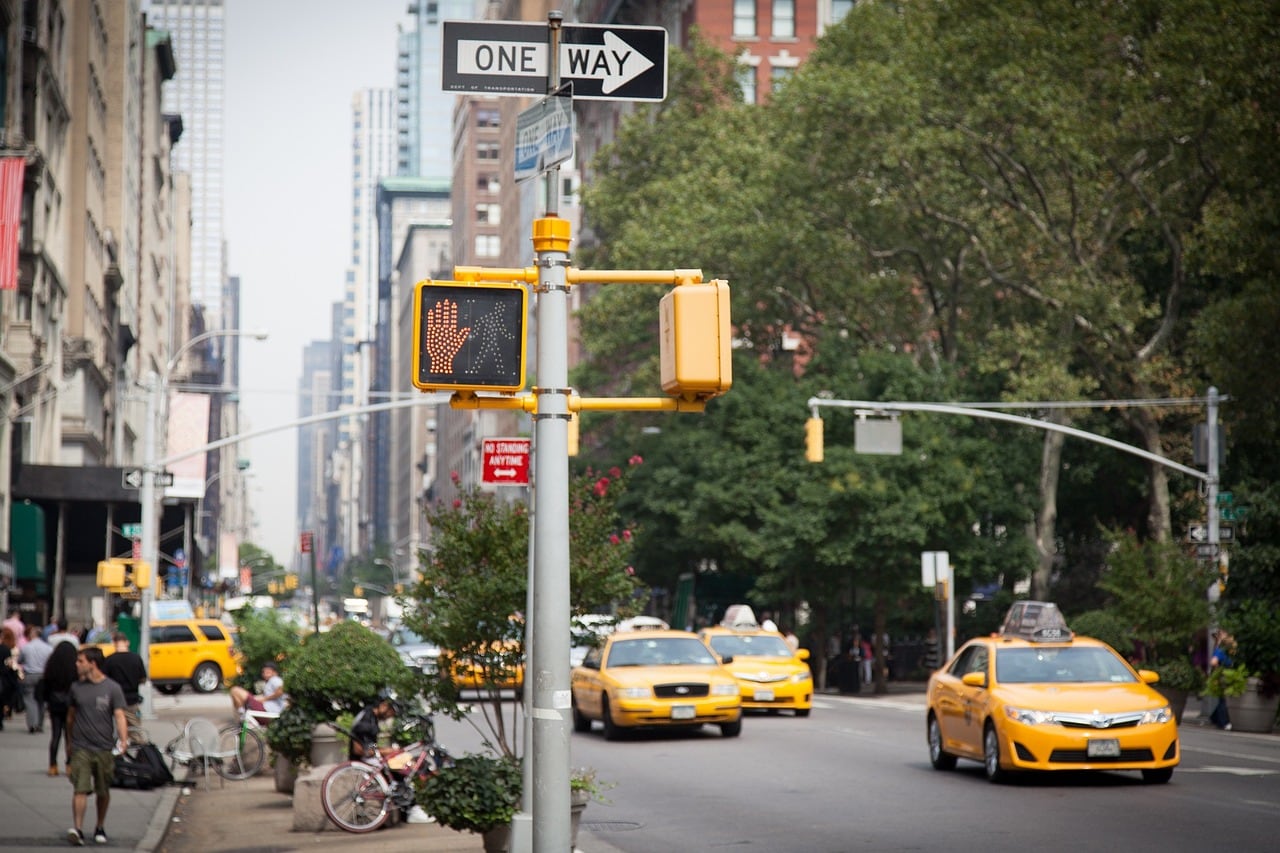
Yellow Cabs
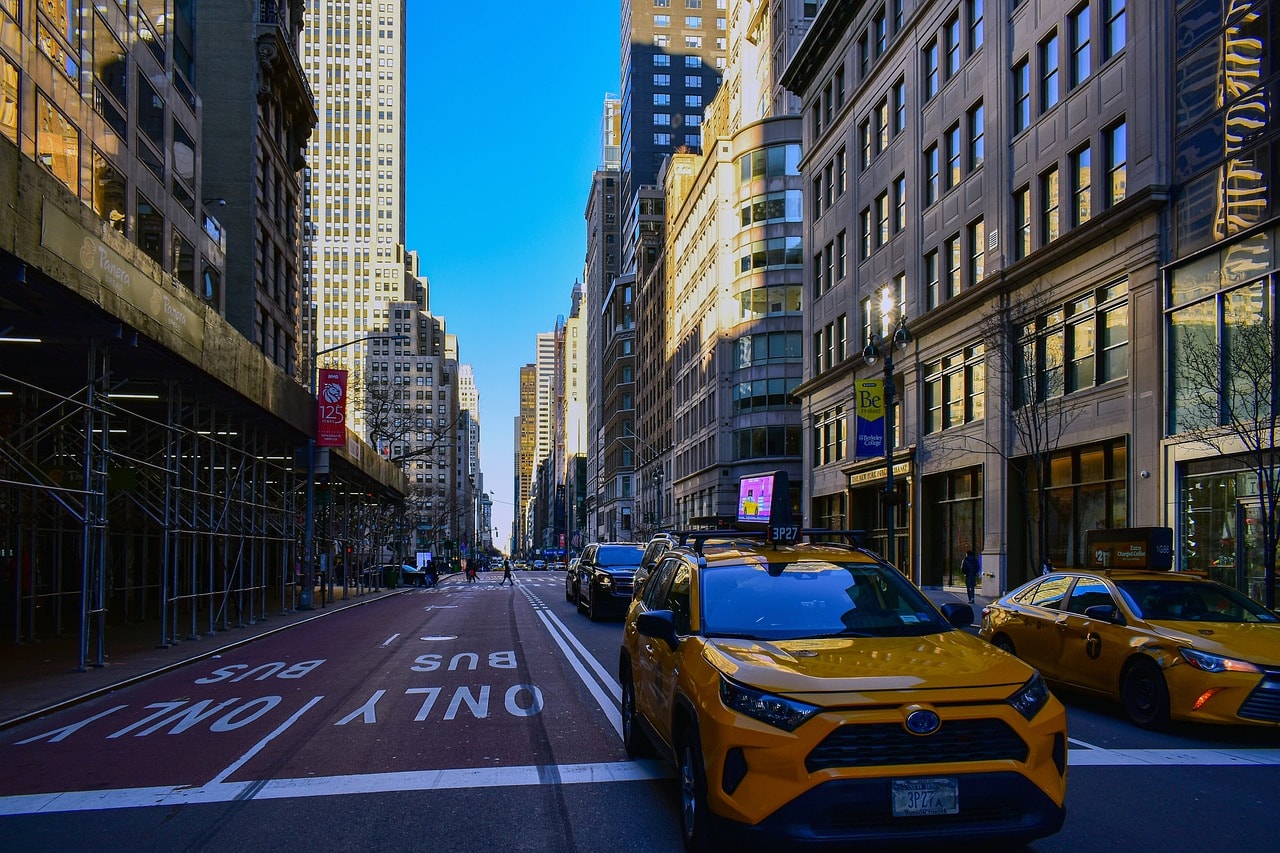
Hail-a-Cabs, New York's yellow taxis, are an urban icon almost as recognizable as the subway. Throughout Manhattan and New York, there's a sea of taxis shuttling millions of tourists and locals every day. These taxis are a key part of the city's efficient transportation system, offering access from any place to any place, unlike subways and buses that run on set routes and stations.
Click here for a day trip from New York to Boston…
Apart from the yellow cabs, there are also green ones, but they cannot pick up passengers in Manhattan (except for Upper Manhattan) or at the airports. A lot has been said about New York City's taxis, and for the most part, they are safe and well-maintained. Taxis operate based on supply and demand; the higher the demand, the harder it is to hail a cab on the street (rainy days, weekends during leisure hours, etc.).
Click here for all the information on taxi fares and additional costs (tolls)…