San Francisco – The Beautiful Golden Gate City
San Francisco is California's perfect liberal city. It combines progressive values with iconic sites like the Golden Gate Bridge and Fisherman's Wharf, crazy ocean and mountain views, stunning Victorian homes, excellent museums, quality shopping, fantastic restaurants, and all the fun of America. San Francisco is one of the most photogenic cities in America, with perfect weather and a high quality of life.

- The city was founded by Franciscan pioneers from Spain in 1776, and its core is the mission named after the saint from Assisi, Italy
- With California's transfer to the United States in the mid-19th century, the city developed rapidly during the Gold Rush
- The city's prosperity was interrupted in 1906 by the earthquake and the massive fire that followed
- After the city's reconstruction, San Francisco became one of the most attractive cities in the USA, as the epicenter of the swinging sixties and as a progressive and beloved city by the LGBTQ community
- To this day, San Francisco is a stronghold of liberalism in the United States. This approach has made the city very attractive for the growth of the tech industry concentrated in Silicon Valley
How many days do you need for a trip to San Francisco?

For a trip to San Francisco, you'll need at least five full days. It's not a large city, but there's tons to see and do, with a terrain full of ups and downs that adds time when moving between different tourist areas.
Click here for all the info on car rental in San Francisco + useful tips and significant discounts…
15 Must-See and Do Things in San Francisco
- Admire from every possible viewpoint, including driving above or sailing below, the Golden Gate Bridge
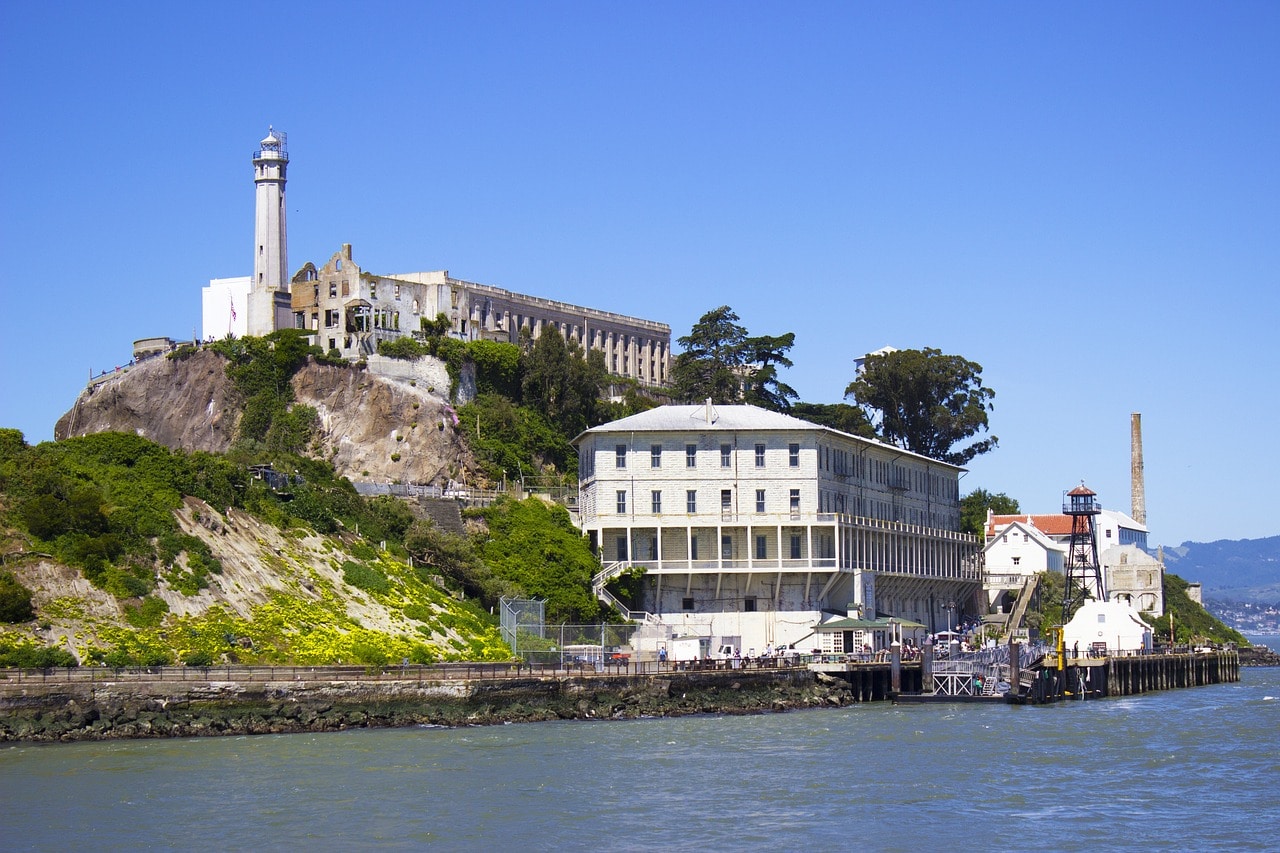
- Get chills in the main block of Alcatraz Prison
- Experiments for kids and adults at the Exploratorium
- Climb the slalom on Lombard Street segment
- Feel like you're in Disneyland at Pier 39, the heart of Fisherman's Wharf
- Visit a ship and submarine from the U.S. Navy at Pier 45
- The chocolate shops at Ghirardelli Square in Fisherman's Wharf
- Breathtaking panoramic views of the bay from the top of Coit Tower
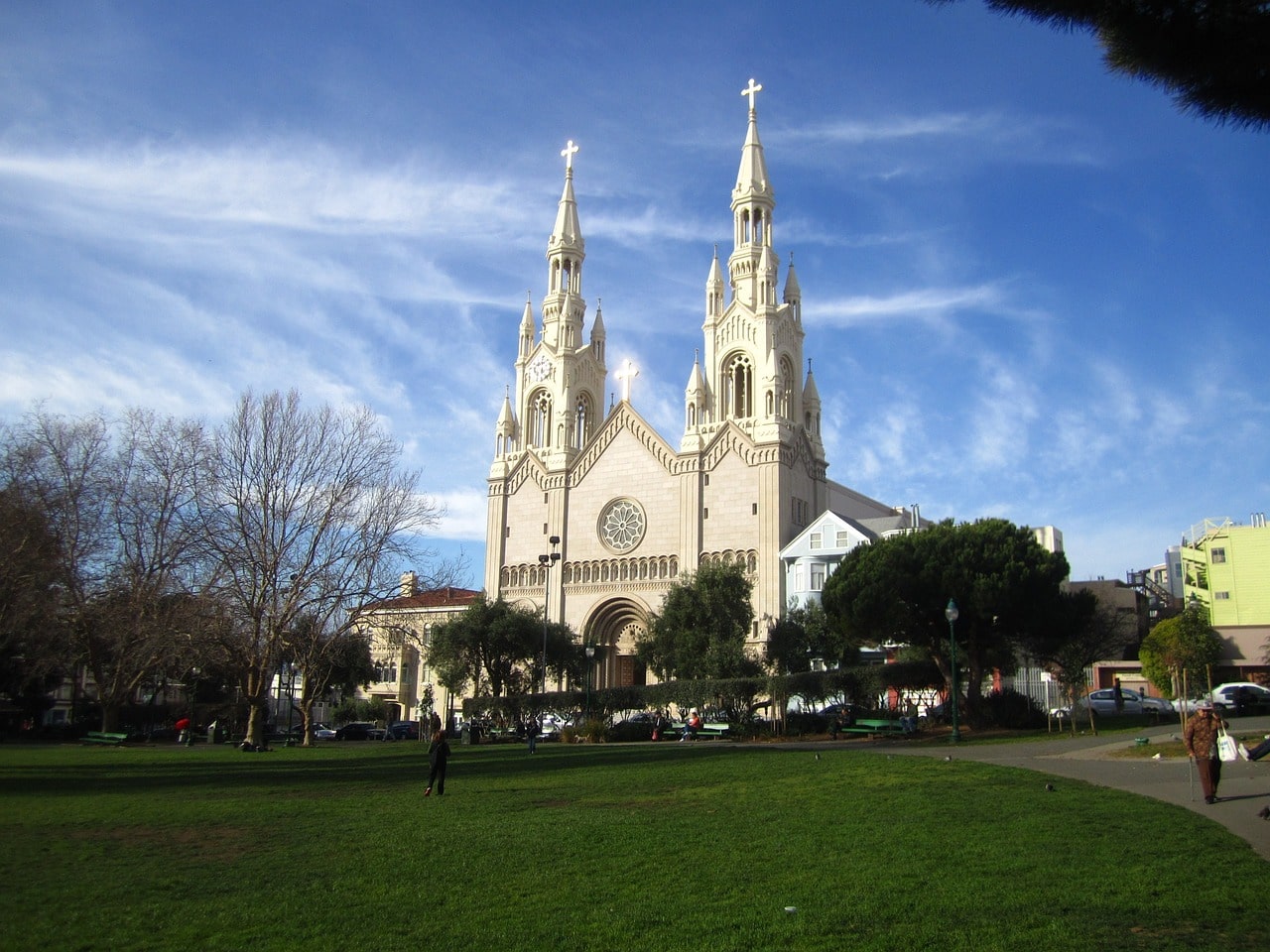
- The iconic Campanile Towers of Saints Peter and Paul Church in Washington Square
- The historic manufacturing site of Levi's at Levi's Plaza
- The stunning classic view of the Transamerica Pyramid skyscraper
- The spectacular modern view of the Salesforce Tower skyscraper
- Great restaurants and fun at the Ferry Building
- The bustling downtown life at Embarcadero Plaza
- The impressive art collection of the SFMOMA
20 More Things You Definitely Shouldn't Miss in San Francisco
- Hop on the iconic cable car line at Powell Street Station
- Shopping at Union Square and its surroundings
- Cross the border into Chinatown at the Dragon Gate and stroll the district
- The dreamy classic view of the Palace of Fine Arts in the Marina District
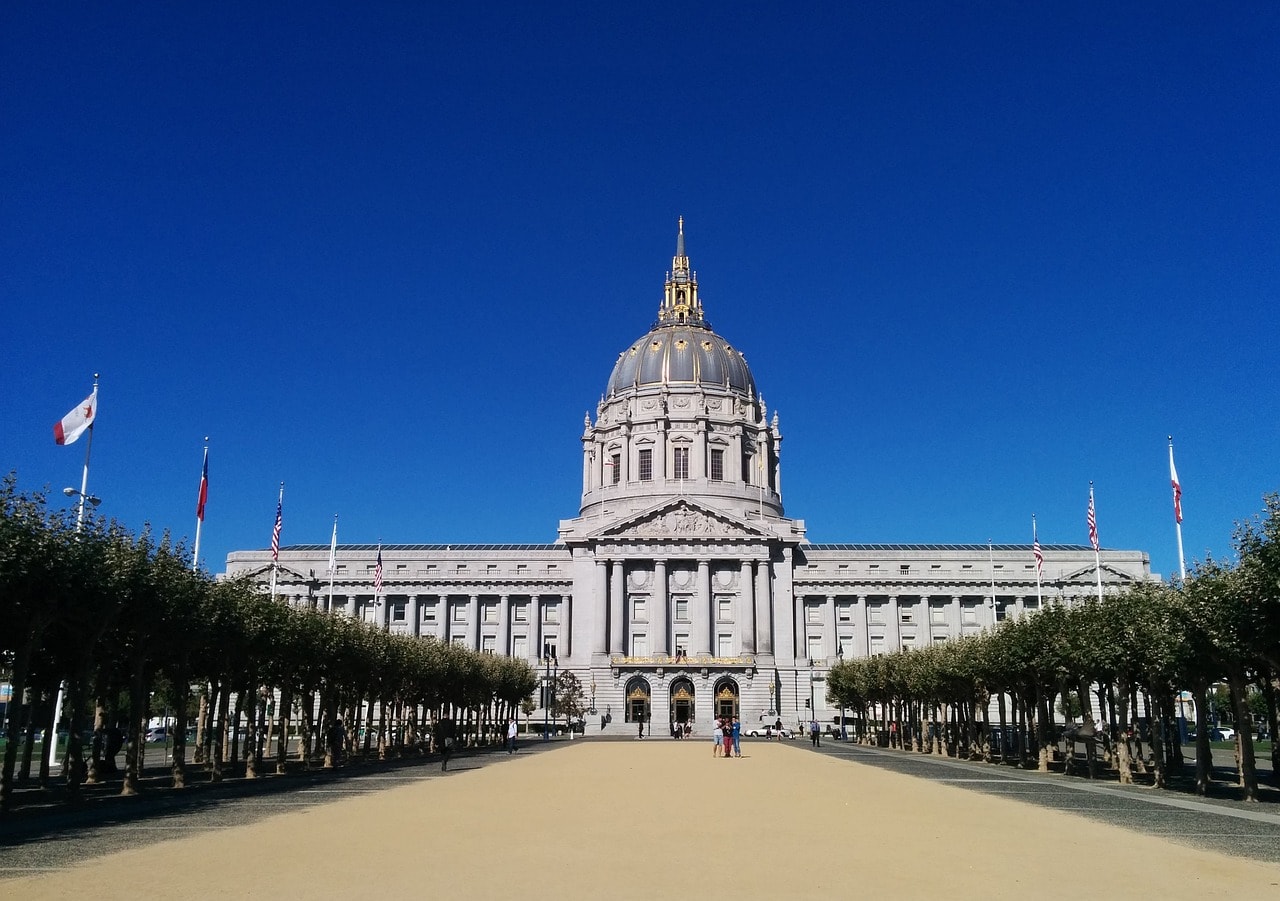
- The Paris-style Neo-Classical Baroque look of City Hall at Civic Center Plaza
- The breathtaking iconic view of the Painted Ladies at Alamo Square
- Meet Michelle, DJ, and Stephanie at the Full House
- The galleries of Fort Mason in the Marina District
- The modern construction of the Cathedral of St. Mary's Assumption
- Excellent Japanese food in Japantown
- The quality art collection of the Legion of Honor Museum in Lands End
- Learn a lot about Walt Disney at the Walt Disney Family Museum
- The famous Yoda statue at the Letterman Digital Arts Center
- The stunning art collection of the de Young Museum in Golden Gate Park
- A visit with the kids to the California Academy of Sciences' Natural History Museum
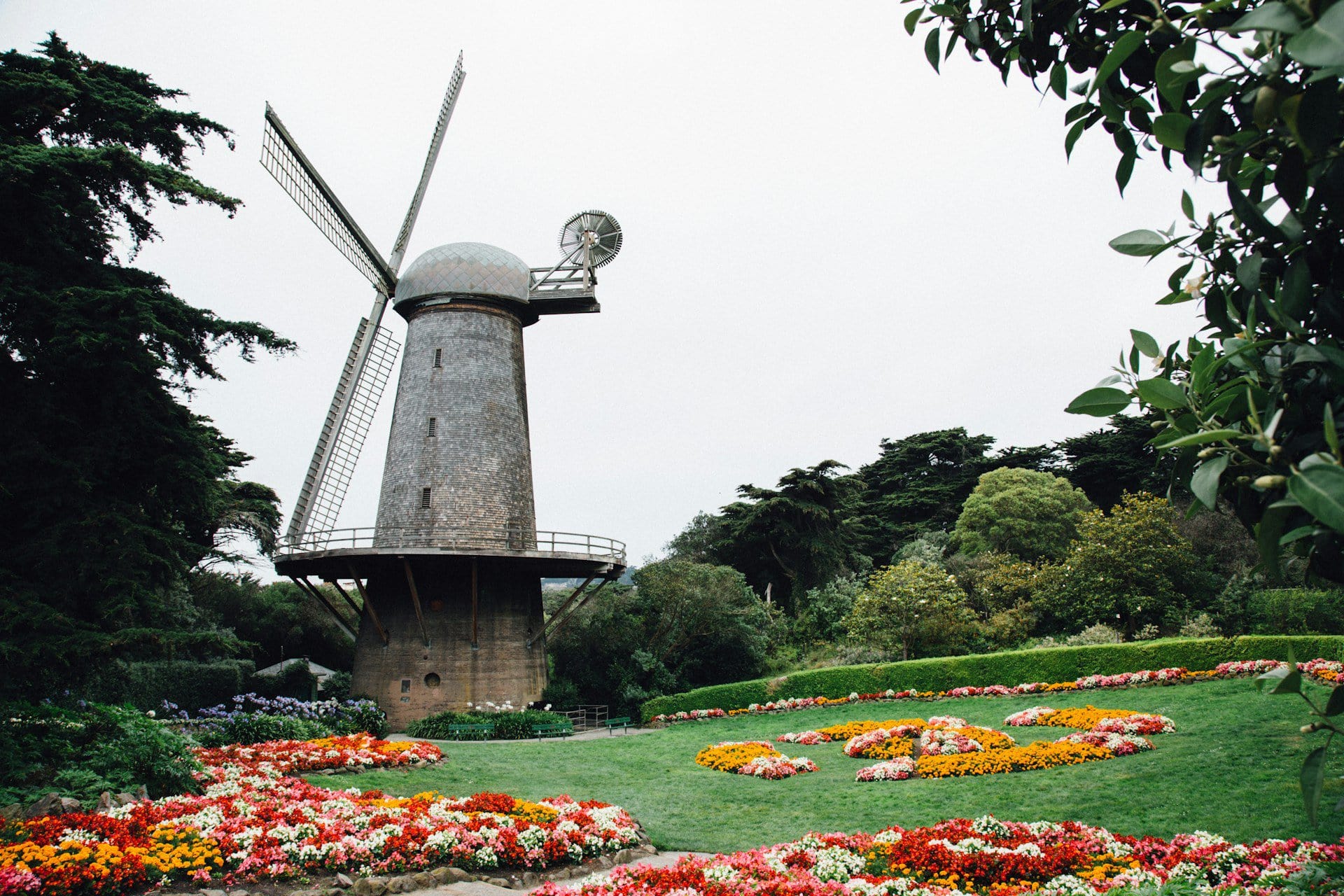
- The windmill and tulips of Queen Wilhelmina Garden in Golden Gate Park
- History at the Mission San Francisco de Asís (Mission Dolores)
- Panoramic views from Twin Peaks
- The hippies of Haight-Ashbury
- The proud atmosphere on Castro Street
To check availability and prices in San Francisco hotels, click here…
A few words about a trip to San Francisco
- San Francisco is the perfect city for an urban trip, with tons of attractions for both adults and family tours
- It's best to explore the city when the weather is nice and sunny
- The main tour in the city will take place in Fisherman's Wharf and the streets above (Pacific Heights, Russian Hill), Downtown and the Embarcadero, Chinatown, SOMA district, Union Square, and the Presidio (a park near the Golden Gate Bridge)
What is San Francisco?
- San Francisco is the largest and most important city in the central and northern parts of California.
- The city has nearly a million residents and its metropolitan area, known as the San Francisco Bay Area, has about 7.5 million residents.
- The city's metropolitan area includes the large cities of Oakland, home to about half a million residents, and San Jose, which is itself larger than San Francisco with a population over a million.
- The corridor between San Francisco to the north and San Jose to the south, along the San Francisco Peninsula, is known as Silicon Valley. It is home to the headquarters of nearly all the world's major tech companies.
San Francisco was founded by Franciscan monks in 1776 and over the years was a small village with a large base (Presidio) of the Spanish army.
With California joining the USA, the city experienced a massive boom in development during what is called the “Gold Rush” in 1848.
- The migration was caused by the discovery of large gold and silver deposits near the bay, and the city experienced huge population growth within a few years.
- In 1906, it was hit by a major earthquake and a fire fueled by gas reserves that consumed nearly all its buildings. The city was rebuilt after the great fire and became a very attractive place to live.
- In the 1950s, a Beatnik scene developed in the city. About a decade later, the city became the center of the counterculture movement, and in the summer of 1967, Golden Gate Park was the focal point of The Summer of Love, the pinnacle of the hippie movement that grew and lived in communes in the nearby Haight-Ashbury district.
- During the 1980s and 1990s, the city experienced significant economic development from the tech industry. Along with Silicon Valley, the city is considered the birthplace of high-tech.
Click here to rent a bike for a tour of San Francisco's green areas…
Today's San Francisco is one of the most popular tourist destinations in the entire United States. Despite its size, San Francisco is packed with places to explore, important sites, attractions, iconic urban landscapes, attractive neighborhoods and districts, and a special atmosphere you won't find in any other city in the USA.
Map of San Francisco
The Complete Guide to Transportation and Navigation in San Francisco
San Francisco is the most important urban center in central and northern California, playing a major role in transportation. The metropolis hosts major airports, a large port that serves both commerce and ferry and cruise movements along the Pacific coast, and major highways connecting the city with other important metropolises on the Pacific Ocean coast.
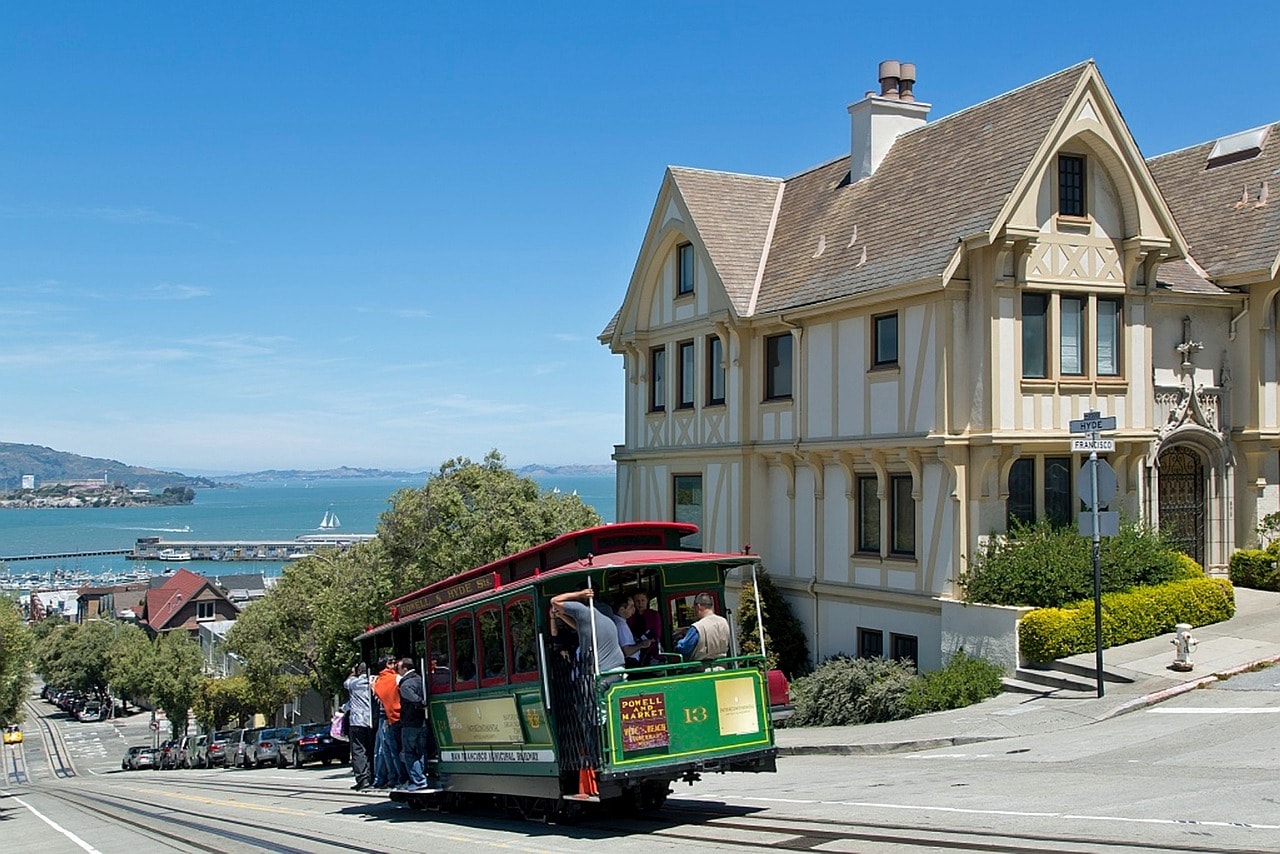
Public transportation within the city is currently a mix of a tourist attraction and an incredibly efficient transit function. San Francisco's cable car system is a vintage system that is now considered an attraction that tourists just can't miss.
How to get to San Francisco?
How to get to San Francisco by flight?
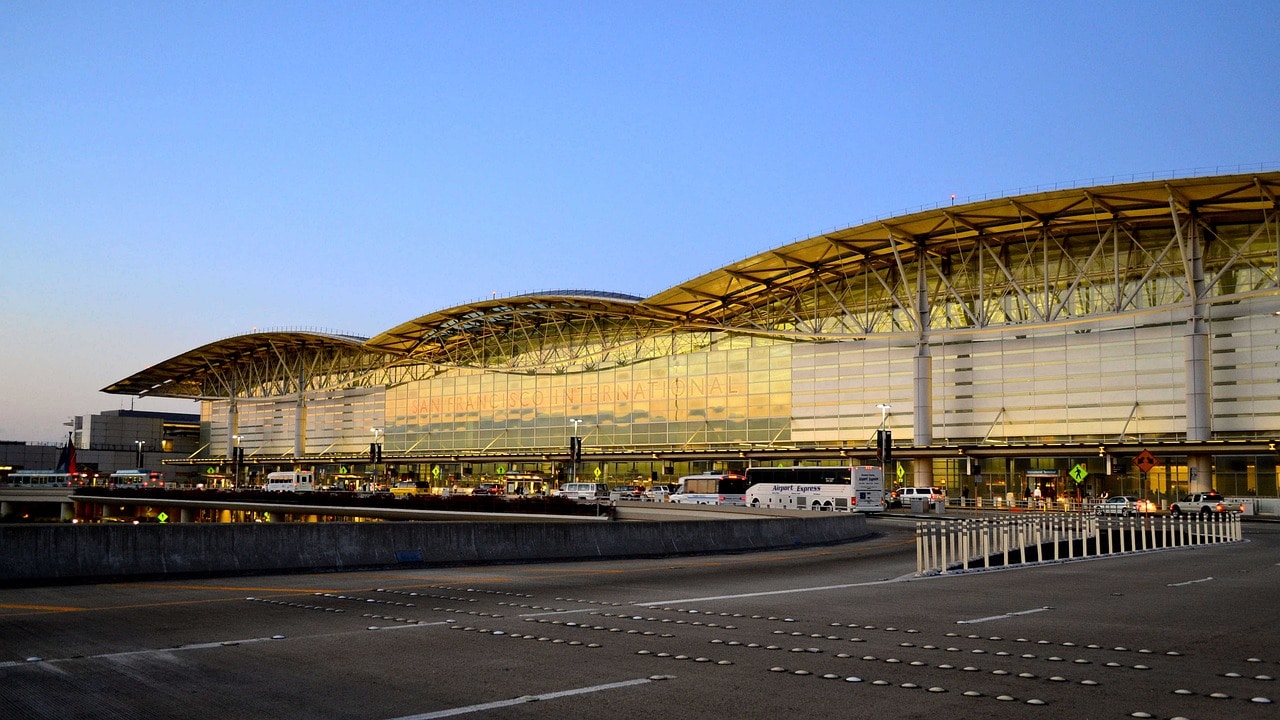
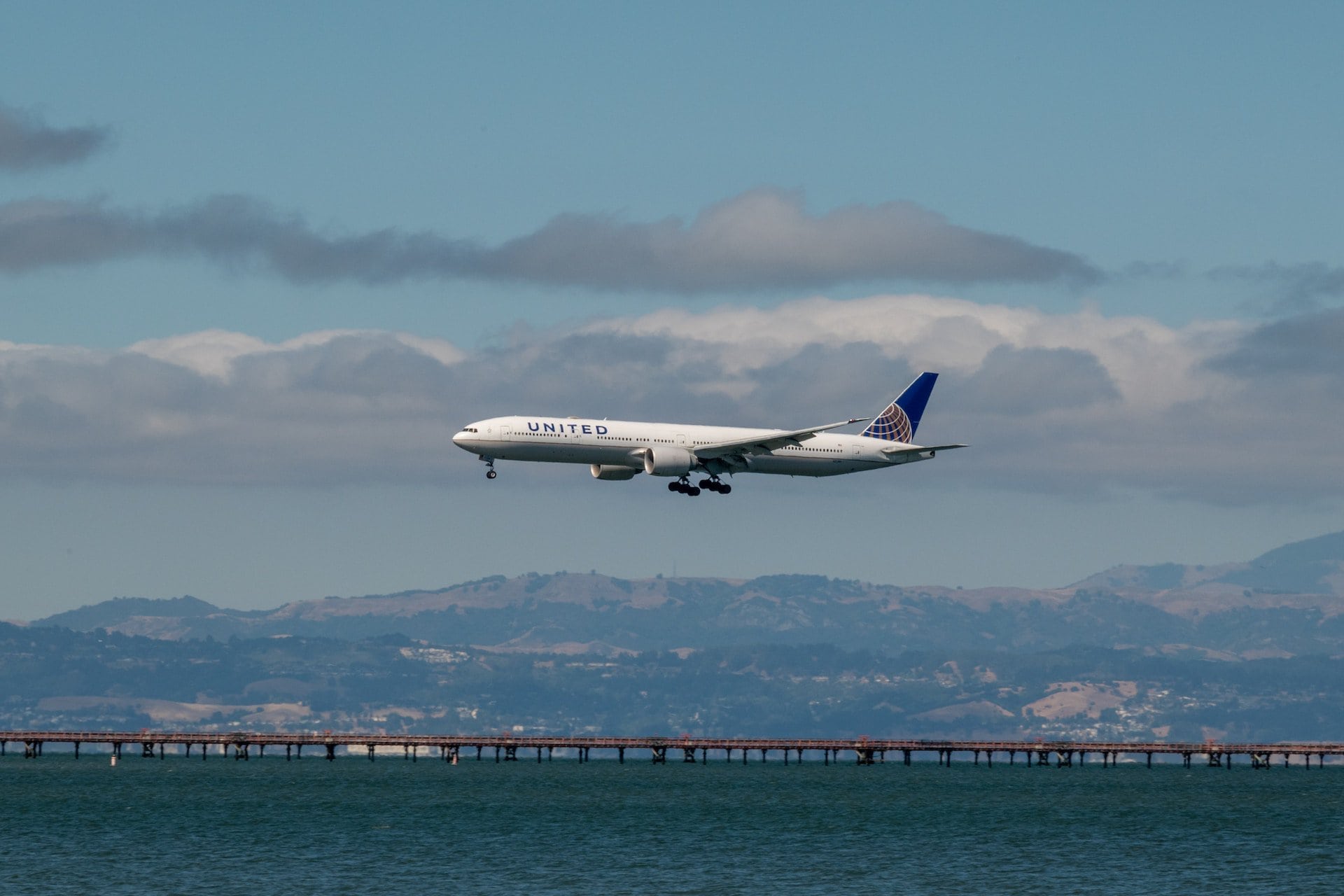
The San Francisco International Airport (SFO) is the central airport of the metropolis and one of the largest and main airports on the Pacific coast in the USA.
The metropolis has two other major airports:
- Oakland International Airport (OAK)
- San Jose International Airport (SJC)
The city is also accessible by car from Los Angeles to the south via the I-5 freeway or the beloved scenic Route 101. Driving on the 101 is part of the picturesque Pacific Coast road trip from Los Angeles to San Francisco.
Public Transportation in San Francisco
San Francisco's transportation system is one of the largest and most splendid among major US cities. In size and grandeur, it rivals only the extensive transit network of New York City.
- Unlike other big cities, San Francisco's metropolitan transit system is efficient and safe, serving the movement of tourists to and within the city.
- San Francisco's cable car system is actually a transport attraction in its own right, featuring several iconic lines that access the city's main sites.
For an updated map of San Francisco's public transportation system, click here…
For an updated map of the BART metropolitan system, click here…
Besides the cable car lines, which are almost entirely a tourist attraction (priced accordingly), the city has an extensive network of trains both within the city and in the metropolitan system, connecting to San Jose, Silicon Valley, and Oakland.
Click here for tickets to San Francisco's Big Bus Tourist Line…
- San Francisco’s transportation network is managed by the SFMTA (San Francisco Municipal Transportation Agency), and there is a shared metropolitan system with the transit networks of San Jose, Oakland, Santa Clara, and the major cities surrounding the Bay.
- San Francisco is also well-connected by long-distance Amtrak lines. The city is part of the Pacific line, allowing train travel to major coastal cities like Los Angeles, Portland, Oregon, or Seattle.
- The city's main station is located in the southern part of the SoMA district, near Oracle Park, the stadium of the San Francisco Giants baseball team.
Click here for all the information on public transportation in San Francisco…
When to Visit San Francisco?
Although San Francisco is located in California, which almost always promises perfect weather, it's a bit different from Los Angeles and the southern parts of California.
- The summer in San Francisco is absolutely the most perfect season in every way
- Temperatures during the summer are just about perfect, around 25 degrees, with intoxicating sunshine
- In summer, there's hardly any precipitation in the city, the daylight hours are long (June is a dream month), and the atmosphere in the city is perfect
Winter in San Francisco is also reasonable, though quite rainy. Temperatures can also be cold, but rarely drop below zero, and snow is a rare commodity. San Francisco's winter is similar to the winter in Mediterranean countries (not that it's a bad thing), a bit rainy, a bit sunny, sometimes cold and sometimes warm. In terms of travel, the city is a highly recommended winter destination.
For planning a trip route in San Francisco and professional advice, click here…
The transition seasons in the city, both fall and spring, are also a good time to travel. Early spring is still rainy, but April and May are great months to tour the city.
September in the city is like any summer month, pleasant and sunny. October and November can sometimes be stormy, but overall, it's still worth visiting the city.
Everything you need to know about hotels in San Francisco
San Francisco is the city with the most urban character in all of the Western United States. The city's large center, including Downtown, Chinatown, Union Square, and the SoMa district, is a massive attraction for strolling among tall, modern buildings, beautiful Victorian structures, elegant squares, and major museum institutions.
In the center of San Francisco, there is also a tremendous abundance of accommodation options, hotels, apartments, and more, completing the travel and leisure experience in this beautiful city. Staying in San Francisco does not rely on having a car, but rather on lodging in the city center and getting around by the city's well-developed and friendly public transportation. The city's iconic cable cars cross the tourist districts, climbing the hills above the bay.
Click here for all the information and tips on how to find a place to stay in San Francisco…
- The city is a paradise for shopping, dining, entertainment, nightlife, sports, and everything that makes the vacation and trip perfect
- San Francisco has an enormous selection of hotels of all kinds and levels. The tourist area is generally divided into two – downtown districts and the Fisherman's Wharf area
- Staying in downtown hotels is an important part of the travel experience in this beautiful city, and it's highly recommended to stay in the center
- Near the downtown area, there are also quite a few motels with a one or two-star rating, offering convenient and affordable accommodations in a very convenient location
The best neighborhoods to stay in San Francisco
Where do we think is the best place to find accommodation in San Francisco?
- Union Square (+ Nob Hill and Chinatown) – The entertainment area at the heart of the city
- Fisherman's Wharf – the top attractions in San Francisco
- SoMa District – great hotels in the heart of the city
- The Embarcadero – luxury near downtown
- San Francisco International Airport (SFO) – modern and large hotels with easy city access
San Francisco Accommodation Area Map

Everything to See and Do in San Francisco
All the sites and attractions in San Francisco divided by districts…
Downtown San Francisco
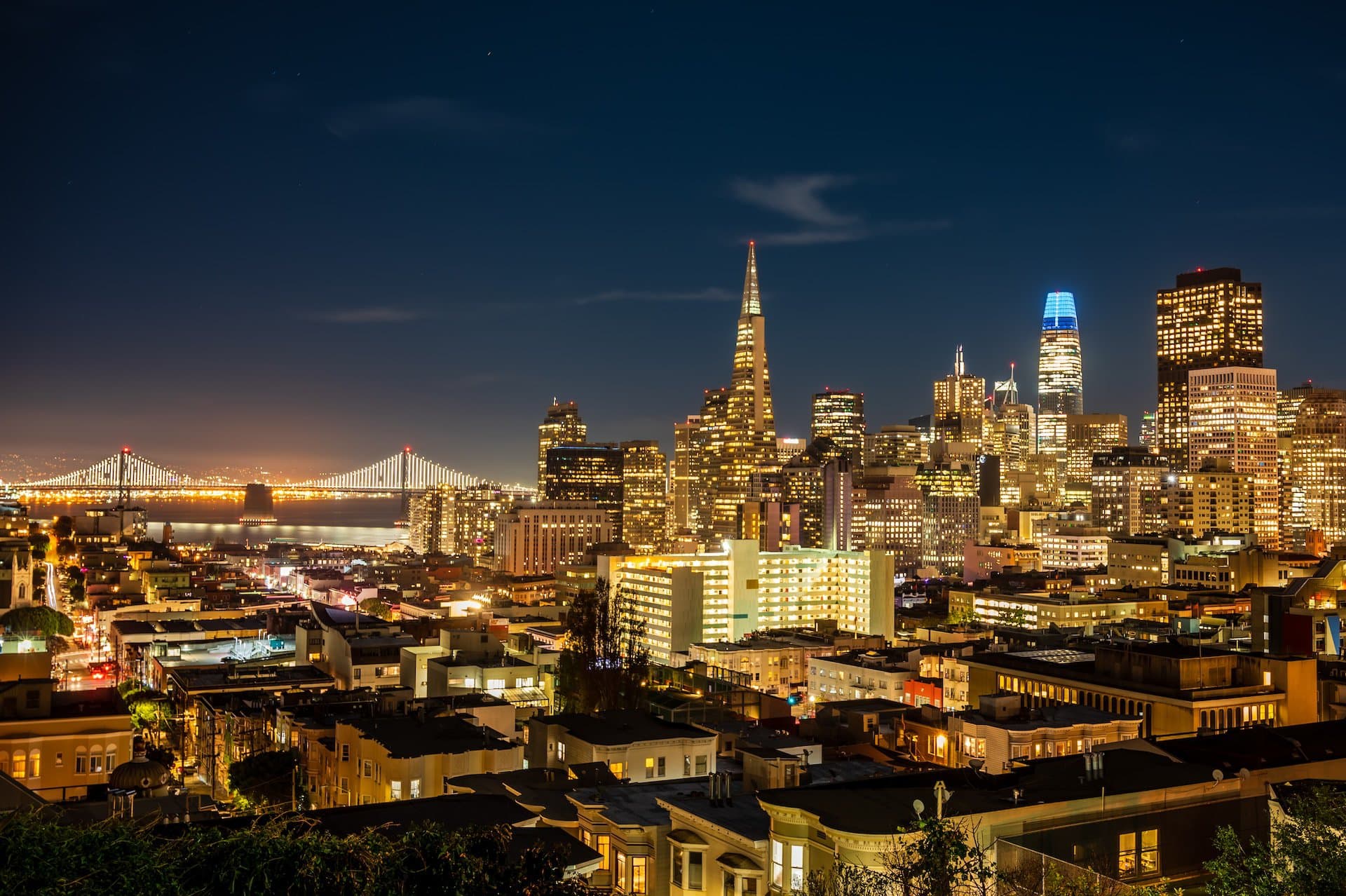
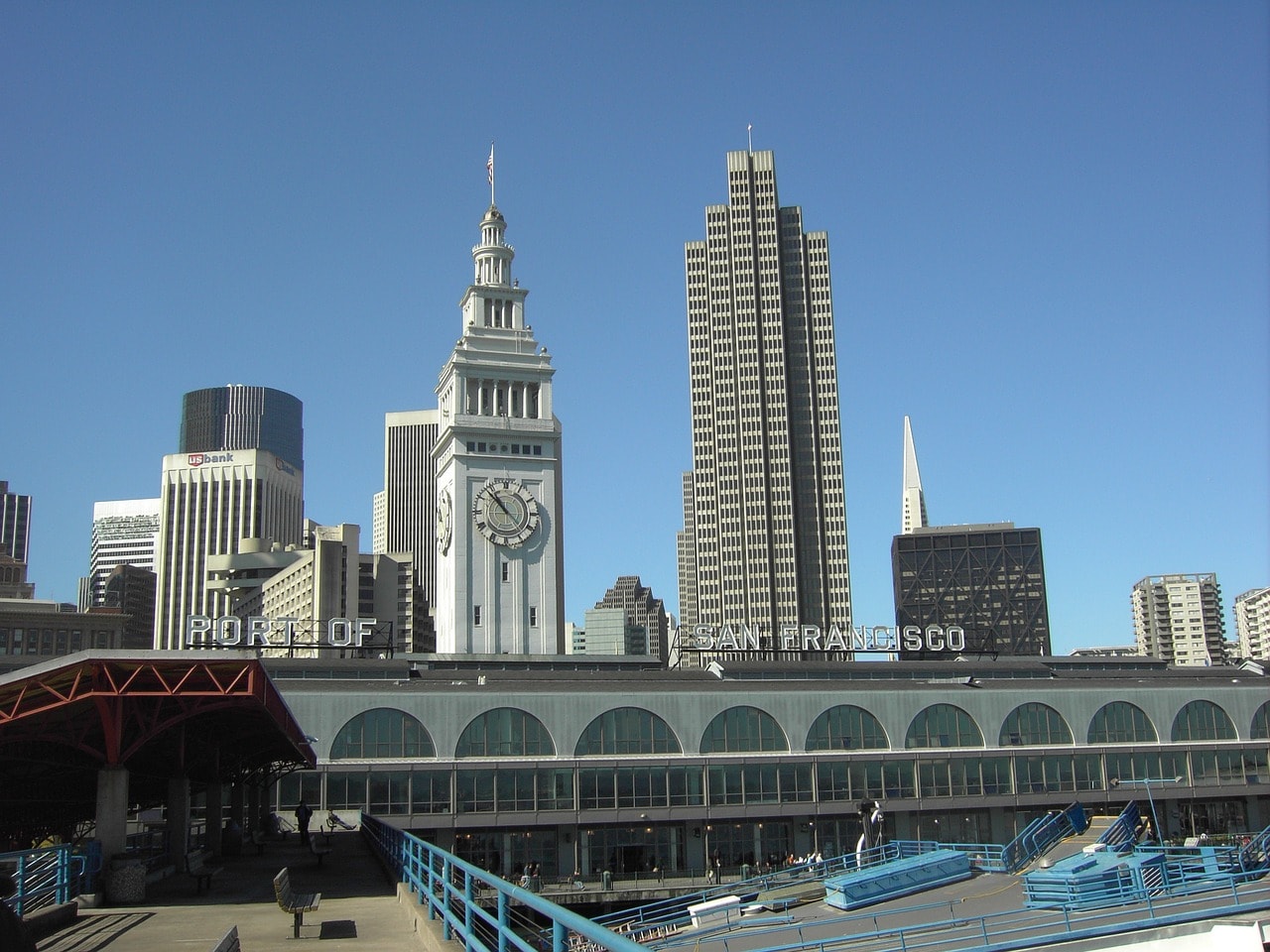
Downtown San Francisco, also known as the city's Financial District, is a must-visit to fully experience the city's splendor. Above the bustling streets are various commercial towers, including some of the most famous in the city. The tourist center of downtown is by the bay at the large Ferry Building, which now houses a food market and restaurants. Nearby is Embarcadero Plaza, the city's central square. Overlooking downtown is the city's iconic Transamerica Pyramid tower, a breathtaking sight.
Click here for all the information on exploring the downtown sites of San Francisco…
What is Downtown San Francisco?
- Downtown San Francisco is the city's Financial District
- The district is located on the shore of San Francisco Bay, north of the Bay Bridge, the bridge that connects the city center with Oakland via Yerba Buena and Treasure Islands
- Downtown is the elevated part of San Francisco and one of the most visited areas in this gorgeous city.
- It borders the SoMa district and Rincon Hill to the south, Union Square and Chinatown to the west, and the Embarcadero to the north.
San Francisco's downtown is a classic American financial district with a touch of early 20th century. Many of the buildings were constructed during the 1930s as part of the city's development response to the Great Depression, including major projects like the Golden Gate Bridge and the Bay Bridge.
Click here for a free walking tour with a local guide in downtown San Francisco…
Downtown also features numerous skyscrapers from the 1960s, with the iconic Transamerica Pyramid being the most famous. Today, downtown is a beloved spot for tourists and city residents, bustling especially during morning and afternoon hours. The busiest and most visited area is the Embarcadero Plaza and the neighboring Ferry Building.

San Francisco's Chinatown
San Francisco's Chinatown is the origin and foundation for all Chinatown neighborhoods that every major city in the West boasts about. The neighborhood was established on the avenues and streets of Yerba Buena, the American colony of San Francisco during Mexican rule. The area features historic red brick buildings with fire escapes and metallic balconies.
The streets of Chinatown are adorned and brimming with Chinese signs, historic temples, bustling streets, and a feeling of the Far East. The neighborhood has unique shops, decorations, festivals, and many excellent Chinese restaurants highly appreciated by city residents.
Click here for all the information on touring San Francisco's Chinatown…

What is San Francisco Chinatown?
San Francisco's Chinatown is the source of the famous phrase that has spread throughout major US cities and even to big cities in Western Europe. Chinatown is the historic home of Chinese immigrants who arrived on the west coast of the USA starting in the mid-19th century.
- The first reason for the concentration of Chinese immigrants in San Francisco is the Gold Rush, when a large workforce arrived from all over China and Japan and settled in California cities.
- The district was severely damaged in the great fire following the earthquake of 1906. This fire was taken advantage of by many immigrants who were in the USA, as they came immediately afterward to claim American citizenship by arguing that their documents had burned. After the fire, the district's population increased significantly.
- Today, about 35,000 people live in the neighborhood, most of whom are of Chinese or East Asian descent.
- The neighborhood acts, true to Chinatown fashion, like an independent territory, with signs in Chinese, mini-markets with exotic goods, traditional festivals, and of course, excellent and very popular Chinese restaurants.
- The neighborhood is where Bruce Lee was born, arguably the most famous Chinese-American.
For a guided tour of all the most interesting sites in San Francisco's Chinatown, click here…
SoMa and Union Square
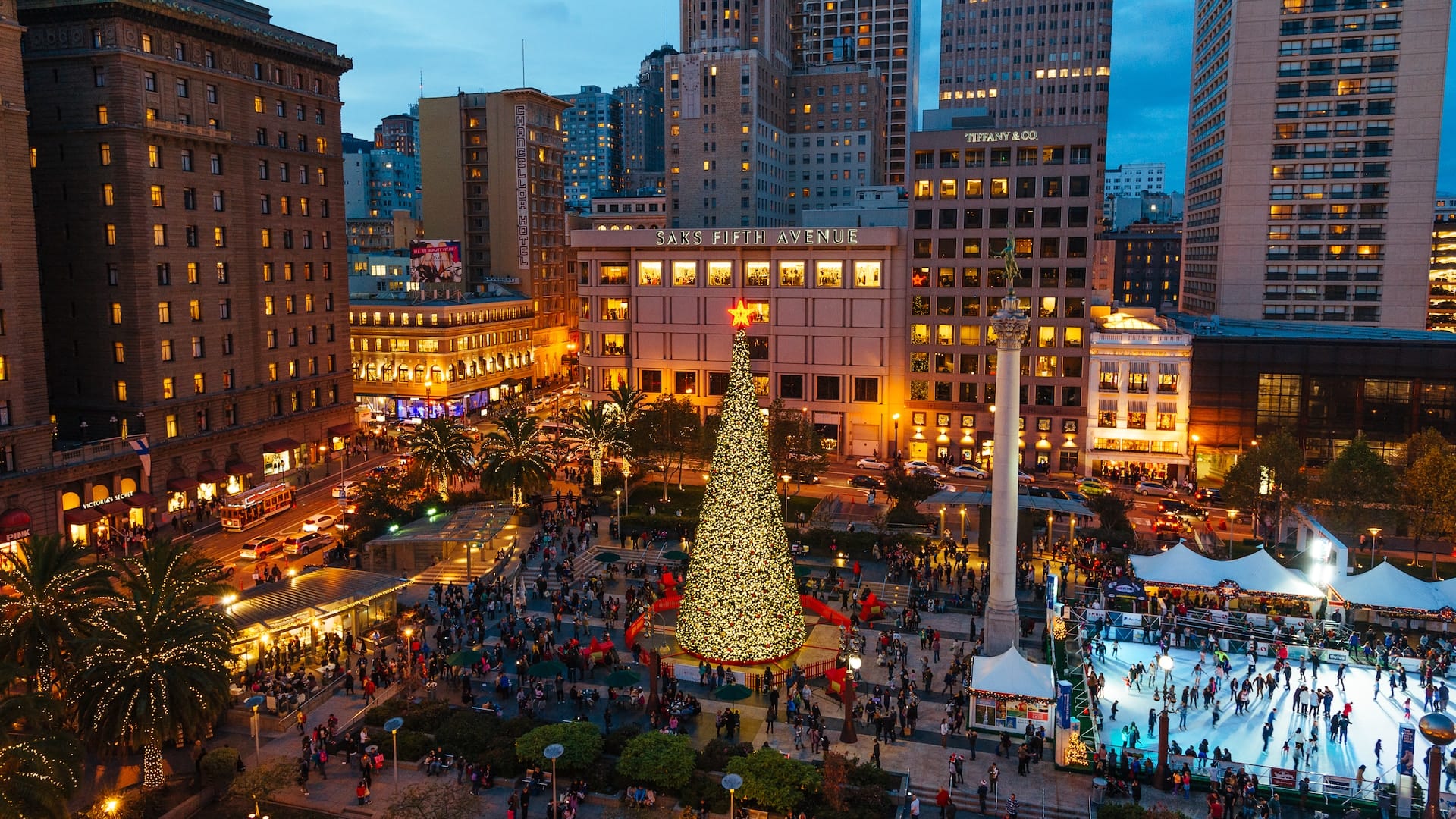
The SoMa district in San Francisco is a large and significant urban area that hosts a large number of museums. The heart of the district is the large Moscone Convention Center, next to it the city's important museum institution, the San Francisco Museum of Modern Art or the SFMOMA.
The district combines residential areas with tall towers that serve as headquarters for various companies. It also has historic sites such as the beautiful St. Patrick's Church and the San Francisco Mint. The area is packed with malls, shops, restaurants, entertainment spots, and places to stay.
Click here for information on the attractions and sites in the SoMa District and Union Square…

What is the SoMa District in San Francisco?
- SoMa is one of the main and most popular districts to explore in San Francisco.
- The name SoMa means South of Market Street.
- Market Street is the northernmost of those running diagonally, trending north as you head east. This diagonal intersects with the orthogonal grid of the streets to the north from the Financial District, Union Square District, Tenderloin, and west towards the Castro District.
This neighborhood is the base of the “white” settlement in historical San Francisco, during the time when the city was part of Mexico. At the heart of the district were built the manor houses of the residents of Yerba Buena (the good herb), the historic core of the city apart from the Franciscan mission at Mission and the Presidio at the northern tip of the peninsula.
SOMA is the cultural district of San Francisco, with the giant SFMOMA at its center. It's an essentially urban neighborhood, adjacent to the Financial District, combining tall commercial buildings (including headquarters of many tech companies), particularly trendy urban residences, bustling streets filled with restaurants, shops, and entertainment venues.
Click here to purchase entrance tickets online for SFMOMA…
Fisherman's Wharf and North of Downtown
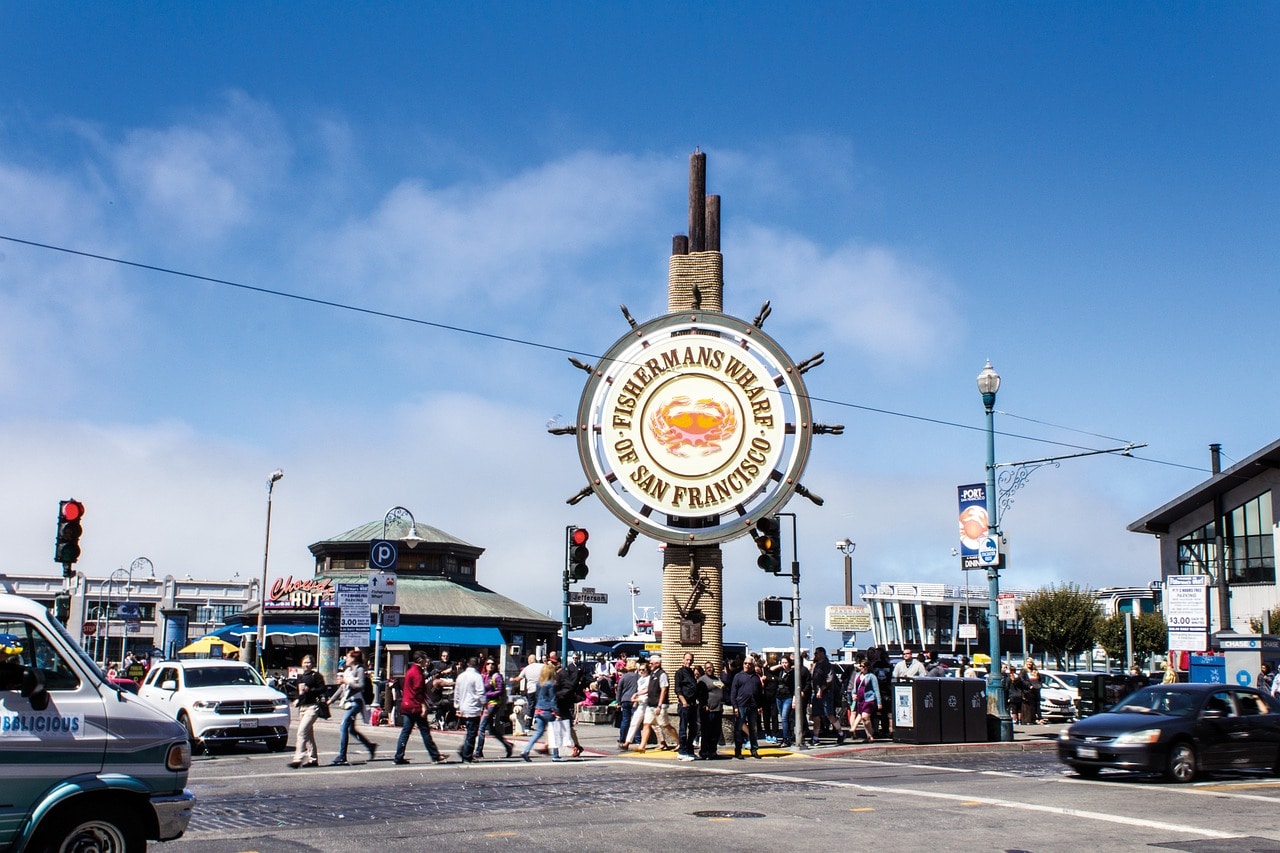
Fisherman's Wharf is an especially fun walking area in the northern part of San Francisco, offering a great abundance of attractions and entertainment spots. The center of the district, which used to be a large fishing dock for Italian fishermen, is Pier 39, which has almost turned into something out of a Disney park. Not far from there, Ghirardelli Square has transformed from a chocolate factory into an experience filled with entertainment, shops, and restaurants.
Opposite the piers lies the historic Alcatraz prison, infamous for housing America's worst criminals, with Al Capone being the most notorious among them. Looking west from the island and the piers, the Golden Gate stands out. On the hills above the piers are the northern city districts, which also include museums, beautiful squares, and interesting sites. One of these is the iconic climb of Lombard Street, a block built in a slalom pattern to compensate for the steep slope of the hill.

What are Fisherman's Wharf and the North City Districts?
Fisherman's Wharf is the liveliest and most colorful neighborhood in San Francisco. It sits at the northern end of the peninsula on which the city rests, along the shore of San Francisco Bay, north of the Embarcadero piers.
- The neighborhood west of the district is the Marina District, built on the grounds and facilities of the Panama-Pacific World's Fair held in 1915.
- Fisherman's Wharf is located on the northern slopes of a hilly area between the city's downtown and the SoMa district, with Chinatown and Nob Hill on its southern slopes.
- On these slopes, you will also find the city's iconic Lombard Street, built in a slalom style to compensate for its steep incline.
Click here to purchase online tickets for the Exploratorium…
Click here for tickets to the unique Exploratorium After Dark Thursdays (18+)…
The neighborhood itself developed with the settlement of numerous Italian immigrants in the area north of downtown. The Italians came to San Francisco with the city's rapid development following the gold rush.
Click here for a guided cruise under the Golden Gate Bridge and around Alcatraz Island…
- With the settlement of Italians in the area, piers were built from which the immigrants' fishing boats operated. Along with the fish came excellent restaurants that made the entire area attractive to city residents
- During this time, the area became established as the vibrant entertainment center of San Francisco, and the city decided to develop it as part of its expansion north from downtown
- Major events have been held in the area, with the biggest one being, of course, the 1915 Expo.
- Today, the whole area is a grand celebration of tourism and attractions, from the breathtaking Golden Gate Bridge built in the 1930s, through the legendary Alcatraz Island to the lively piers.
- Museums, tourist attractions, shopping malls, and everything that completes the area into a grand celebration for tourists wishing to combine fun, shopping, attractions, and iconic sights were built there.
- The tourist centers in the district are Pier 39, which is an entirely attractive open-air mall, and Pier 45, where museums and important ships to visit are located.
Click here for a guided tour at Fisherman’s Wharf, including a cruise and a tour of Alcatraz Island…
Neighborhoods west of Van Ness Avenue
The residential neighborhoods west of Van Ness Avenue are San Francisco at its best. These districts are a mix of affluent residences, famous historic Victorian homes, bustling avenues of luxury shopping, galleries, and excellent restaurants. West of Van Ness Avenue, there’s all the fun of climbing and descending avenues heading north to the piers and key sites of the Marina District.
Between the Marina District and Market Street, there are many different neighborhoods that can be roughly grouped as part of the Pacific Heights district. To the south, on the border with the SOMA district, is the Civic Center Plaza, the governmental center of the city, which, besides the stunning City Hall, is a favorite spot for culture enthusiasts.

What are the Civic Center Plaza, Pacific Heights Marina District?
The Civic Center is the administrative and cultural hub of San Francisco. This grand and elegant plaza sits north of the lively SoMa district, near the intersection of two major boulevards marking the western edge of San Francisco's downtown – Market Street and Van Ness Avenue.
- The Civic Plaza houses the impressive San Francisco City Hall building and is surrounded by numerous performance halls and concert spaces
- This is one of the areas bustling with visitors dressed to impress in the evenings, here to watch performances by the city's ballet, opera, and symphony orchestra
- The area boasts a plethora of upscale restaurants, entertainment venues, and the massive Bill Graham Civic Auditorium, which hosts large-scale events
- The Asian Art Museum, located across from City Hall, is considered one of the most extensive in size
Click here to purchase online tickets for the Asian Art Museum…
To the west of Civic Center Plaza and Van Ness Avenue, you'll find the beautiful residential districts of classic San Francisco. The neighborhoods of Hayes Valley, Japantown, the Fillmore District, and Pacific Heights stretch across hills along grid-like streets that rise and fall all the way north to Fisherman’s Wharf.
- At the tops of the hills, there are usually green squares, and the neighborhoods boast many main streets with upscale boutiques, excellent restaurants, shopping centers, and entertainment spots loved by locals.
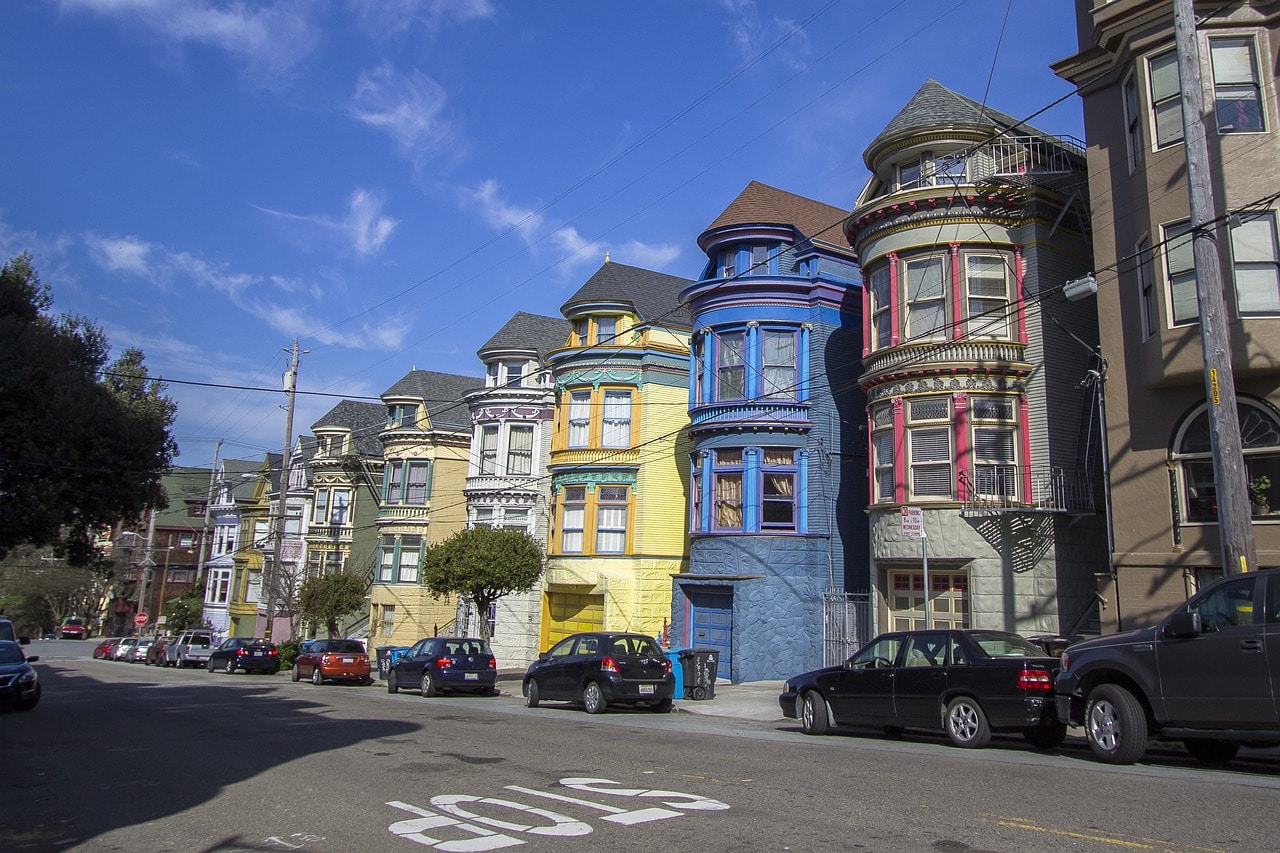
- Throughout the neighborhoods, you'll find numerous important historic houses. The most famous include the Painted Ladies at Alamo Square, the McElroy Octagon House, the Haas-Lilienthal House, Spreckels Mansion, and the Full House house.
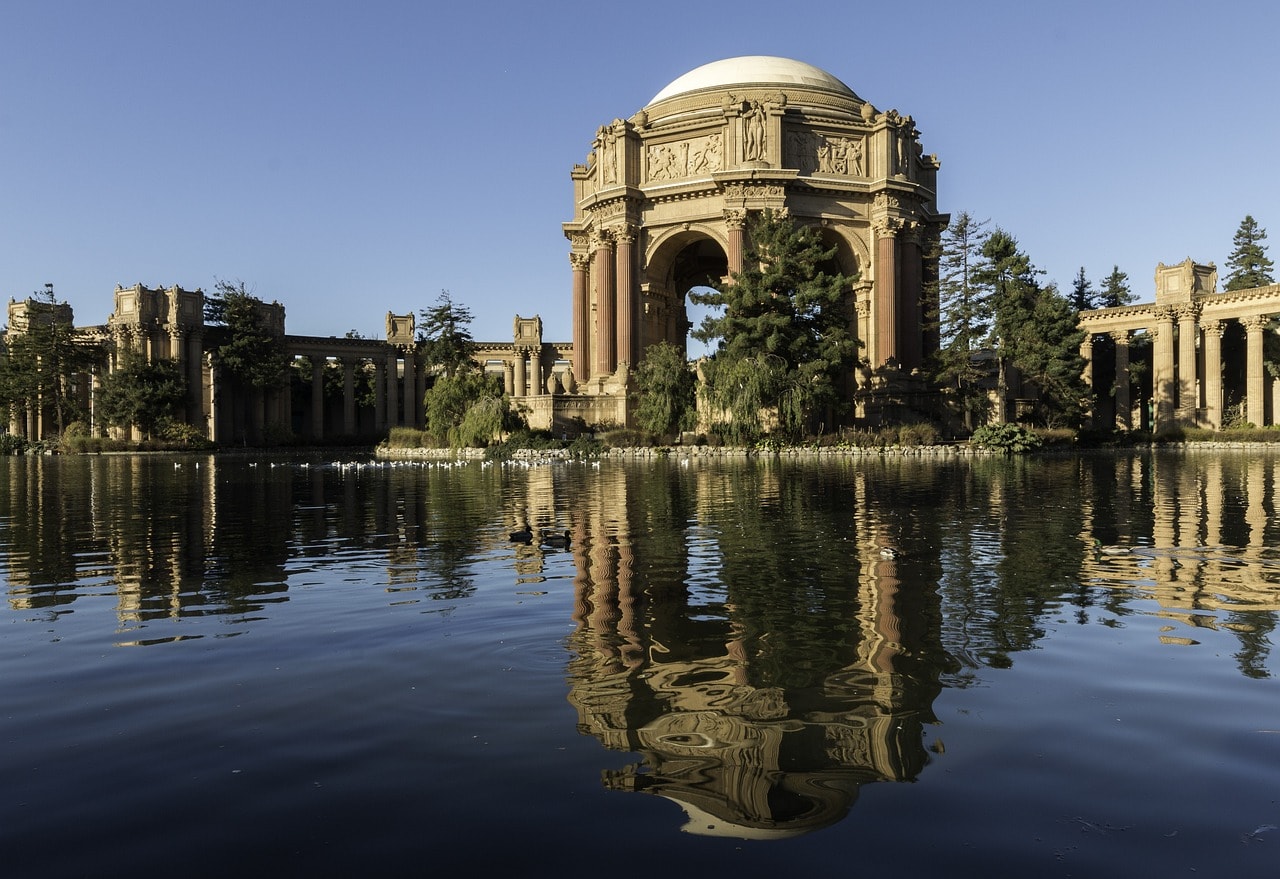
North of Pacific Heights lies the Marina District, the row of piers west of Fisherman's Wharf. This is primarily a residential district bordered by major attractions – Fort Mason to the east and the Palace of Fine Arts on the boundary with the Presidio.
The Presidio of San Francisco and the Golden Gate Bridge
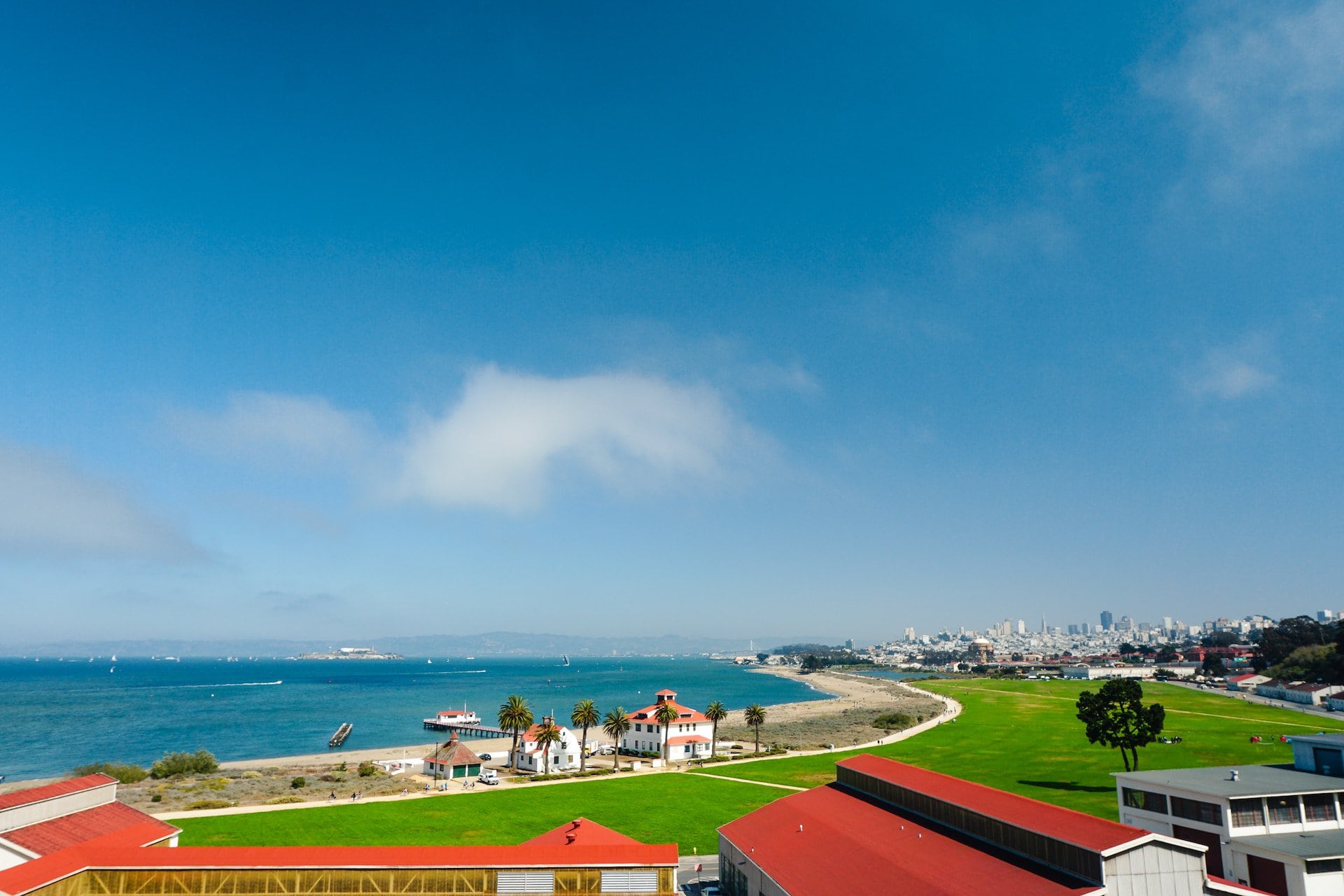
The Presidio of San Francisco was a massive military camp that formed the basis of Spanish settlement in the city in the late 18th century. For years, the area was a large American military base until in 1994 it was transferred to the National Park Service of the USA and became a park combining historical buildings with green spaces.
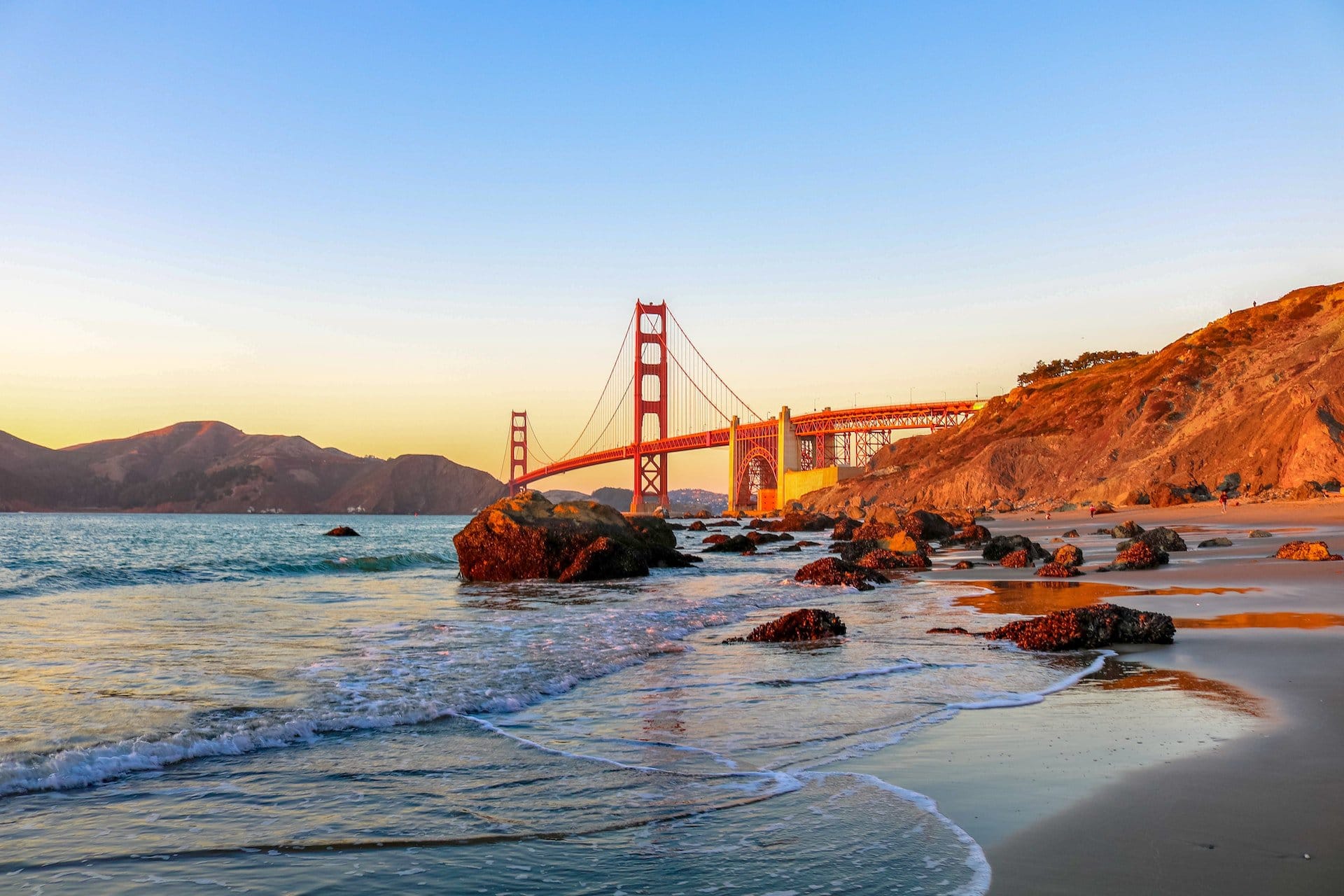
In 1937, the Golden Gate Bridge was inaugurated at the northern tip of the Presidio, quickly becoming the city's emblem. Today, the park combines attractions, nature, and breathtaking views of the iconic bridge.
Click here for all the info on exploring and the best viewpoints of the Golden Gate Bridge…
What are the Presidio and Golden Gate Bridge?
- The royal forts of San Francisco, known as El Presidio Real de San Francisco, are currently referred to simply as the Presidio
- This is a green area with a wide range of attractions located in the northern part of the peninsula where San Francisco sits
- The main attraction in the large park is at its northern edge, called Fort Point National Historic Site, the small cape above which rises the city's most famous landmark – the Golden Gate Bridge
- Almost every part of the park offers a viewpoint of the city's iconic bridge
- The Presidio Park contains hundreds of buildings that were part of the military bases there. Some, such as Fort Point, were built and preserved since the Spanish era at the end of the 18th century
- Today, the entire base area has been transferred for development by the American National Parks Authority and it combines private businesses in the former military buildings, together with beautiful natural areas offering scenic views of the ocean, the strait, and of course the Golden Gate Bridge.
- A variety of attractions have been built in the base's buildings, such as the Walt Disney Family Museum and the Lederman Digital Arts Center.
- West of the Presidio lies San Francisco's wild coastline where the Lands End viewpoint is situated.
- Above the viewpoint, where the city's cemetery used to be, is the Legion of Honor Museum, one of the most magnificent art museums on the entire West Coast of the USA.
The Golden Gate Park
The Golden Gate Park San Francisco is the more grand and elegant version of Central Park in New York. This designed urban park is an important part of the city's green lifestyle and one of its symbols. It connects the Pacific Ocean shore deep into the tranquil residential neighborhoods, offering a wide variety of attractions, including museums and primarily an abundance of landscaped gardens and mini botanical gardens. The park is a much-loved recreational spot for city residents as a green and elegant escape right within the city.
Click here for all the information on a scenic trip to Golden Gate Park…
What is Golden Gate Park?
- The Golden Gate Park is one of the most popular urban parks in the entire United States
- San Francisco's largest urban park is rectangular in shape, stretching from the Pacific Ocean shoreline in the west to the Haight-Ashbury district in the east.
- Between the Haight-Ashbury district and the University of San Francisco campus lies the Panhandle – the rectangular extension of the park stretching eastward, one block wide and spanning eight blocks of streets, just west of Alamo Square in the Fillmore district.
- The Golden Gate Park was constructed in the 1860s as the city's response to New York's dazzling new city park – Central Park.
- The park was planted on unstable sandy ground. Approximately 150,000 trees were planted to stabilize the sandy ground and prevent erosion by the wind.
- Over the years, many important institutions were established within the park, most notably the de Young Museum.
- Numerous designed gardens have been planted throughout the park, making a stroll there particularly enjoyable and attractive.
Click here to buy online tickets for the de Young Museum…
Mission District and Haight-Ashbury
Haight-Ashbury is the birthplace of counterculture and the fun, disconnected world of the hippies. In the late sixties, it was the epicenter of Western culture, stretching west from Golden Gate Park.
East of the neighborhood, below Buena Vista Park, is the center of the LGBTQ+ community, which is highly associated with San Francisco. Colorful Castro Street is the city's most prideful street, just slightly west of the Mission District, where the Franciscan mission was the nucleus of settlement in the city.

What are Haight-Ashbury and the Mission District?
- Haight-Ashbury and the Mission are the southwestern residential districts of San Francisco, between Golden Gate Park and the SoMa district and the downtown area of the city
- The Mission is the settlement core of the city along with the Presidio. It is named after the mission established by the Spanish Franciscans, in honor of Saint Francis of Assisi
- Around the mission, the original core of the city was built, which later expanded eastward
- The central axis of Central San Francisco, now known as Market Street, connects the Mission with the downtown area
To the west of the Mission lies the Castro neighborhood, traversed by Castro Street. The neighborhood and street are the heart of the LGBTQ+ community, so closely associated with the city.
- Haight-Ashbury is the district where the hippie movement in the USA emerged in the 1960s
- Nowadays, the residential area trapped between the Golden Gate Park to the west, Twin Peaks to the south, and the downtown districts to the west combines a sometimes grey and peaceful atmosphere, and sometimes a particularly vibrant one.
- This area is quirky in many different ways. Geographically, it includes hills, ups and downs, and of course, streets full of stairs, as well as some slightly unpleasant zones.
The area is very liberal, balancing between total freedom and neglect. The districts haven't yet fully undergone gentrification (though it will probably happen), and they still have sparks of the charm that existed in the 1960s.
Sports in San Francisco
Sports in San Francisco and the entire sprawling Bay Area hold a special place in the hearts of the city's residents. Considering the city's and the metropolitan area's size, San Francisco boasts an impressive number of professional sports clubs, with representation in all the leading leagues of popular sports. The Golden State Warriors are currently the hottest thing in town and a particularly sought-after tourist attraction.

- The Bay Area cities are represented in every popular sport – basketball, football, baseball, and hockey
- The San Francisco Giants and the Oakland Athletics are the metropolitan representatives in Major League Baseball – the MLB
- The legendary 49ers are the city's representatives in the NFL, the football league
- The San Jose Sharks are the metro's sole representative in the NHL, the professional hockey league.
- Leading the pack is the city’s basketball team, the Golden State Warriors. The team has won several championships in the past, but after years of mediocrity, their star rose with the arrival of Steve Kerr, the legendary three-point shooter of the Chicago Bulls during the Jordan era, as the coach. The team has been led for years by the legendary shooter Steph Curry, one of the finest players to have played in the NBA.
Click here for a guided tour of Oracle Park, home of the Giants…
How to plan a trip itinerary in San Francisco?
San Francisco is a big, vibrant city and you can't do it all in one day. The city is packed with must-see sites and attractions, including excellent museums, historic buildings, skyscrapers, iconic bridges, major shopping streets, fascinating cultural districts, parks and plazas atop hills, breathtaking viewpoints, and of course, the one and only Golden Gate Bridge.
Click here for two-day travel routes in the different districts and areas of San Francisco…
Daily Travel Routes in San Francisco
- Travel Route in Downtown San Francisco – Downtown, Chinatown, and SOMA District
- Travel Route in Fisherman's Wharf
- Travel Route in the Residential Districts West of Van Ness Avenue and Civic Center Plaza
- Travel Route in West San Francisco – The Presidio, Golden Gate Park, and The Mission

The History of San Francisco
- San Francisco was founded on June 29, 1776, by Spanish Franciscan monks. They established a mission at the northern tip of the peninsula, in the area of the Presidio.
- Like the other cities in California, San Francisco was named in honor of the ascetic saint from the city of Assisi, Italy, and it proudly bears his name.
- Near the monastery, the Spaniards set up a military base – the Presidio, but the place remained a small settlement even after the city was transferred to Mexico with its independence in 1821. During this time, settlers who came from the United States began to move into what is now the city, and with their help, the Mexican authorities began developing the settlement under the name Yerba Buena.
In February 1848, the city, along with all of California, was transferred to the United States following the signing of the Treaty of Guadalupe Hidalgo.
In this year, the “Gold Rush” began, a dramatic westward migration towards San Francisco following the discovery of gold. In one year, the settlement of San Francisco grew from a place with less than a thousand residents to a large city, with its population increasing 25-fold. The bay also revealed deposits of silver and other precious metals, which boosted the influx of immigrants to the city.
The city gathered crowds of young or older men of working age, and it quickly deteriorated to a place full of crime, prostitution, and gambling. During these years, there was also significant immigration from the Far East; the city was flooded with Chinese and Japanese immigrants who settled in their own neighborhoods.
- The rapid development of the city was halted on April 18, 1906, when a strong earthquake struck.
- The quake caused the ignition of gas lines and the city's defining fire. This fire destroyed most of the city's buildings.
- In a swift process, the city was rebuilt according to urban planning and became one of the most attractive cities in California.
- During the Great Depression, the city managed to keep its head above water. It was in this period that its symbol, the Golden Gate Bridge, was constructed and completed in 1937.