Pacific Heights and Civic Center Plaza – Neighborhoods west of Van Ness Avenue in San Francisco
The residential neighborhoods west of Van Ness Avenue showcase San Francisco at its best. These areas combine upscale living with the famous historical Victorian homes, bustling avenues of high-end shopping, art galleries, and fantastic restaurants. This is where you'll find the fun of climbing and descending the avenues leading north to the piers and the important sites of the Marina District.

- Between the Marina District and Market Street, there are many different neighborhoods that can generally be included as part of Pacific Heights.
- To the south, on the border with the SoMa district, is the Civic Center Plaza, the city's governmental hub, which, apart from the stunning city hall, is a beloved hangout for culture enthusiasts.
How much time should you plan for exploring Civic Center Plaza, Pacific Heights, and the Marina District?
For a trip from Civic Center Plaza, through Pacific Heights, to the bay shore in the Marina District, you'll need at least a full day of exploration.
14 Things You Must See and Do at Civic Center Plaza, Pacific Heights, and the Marina District
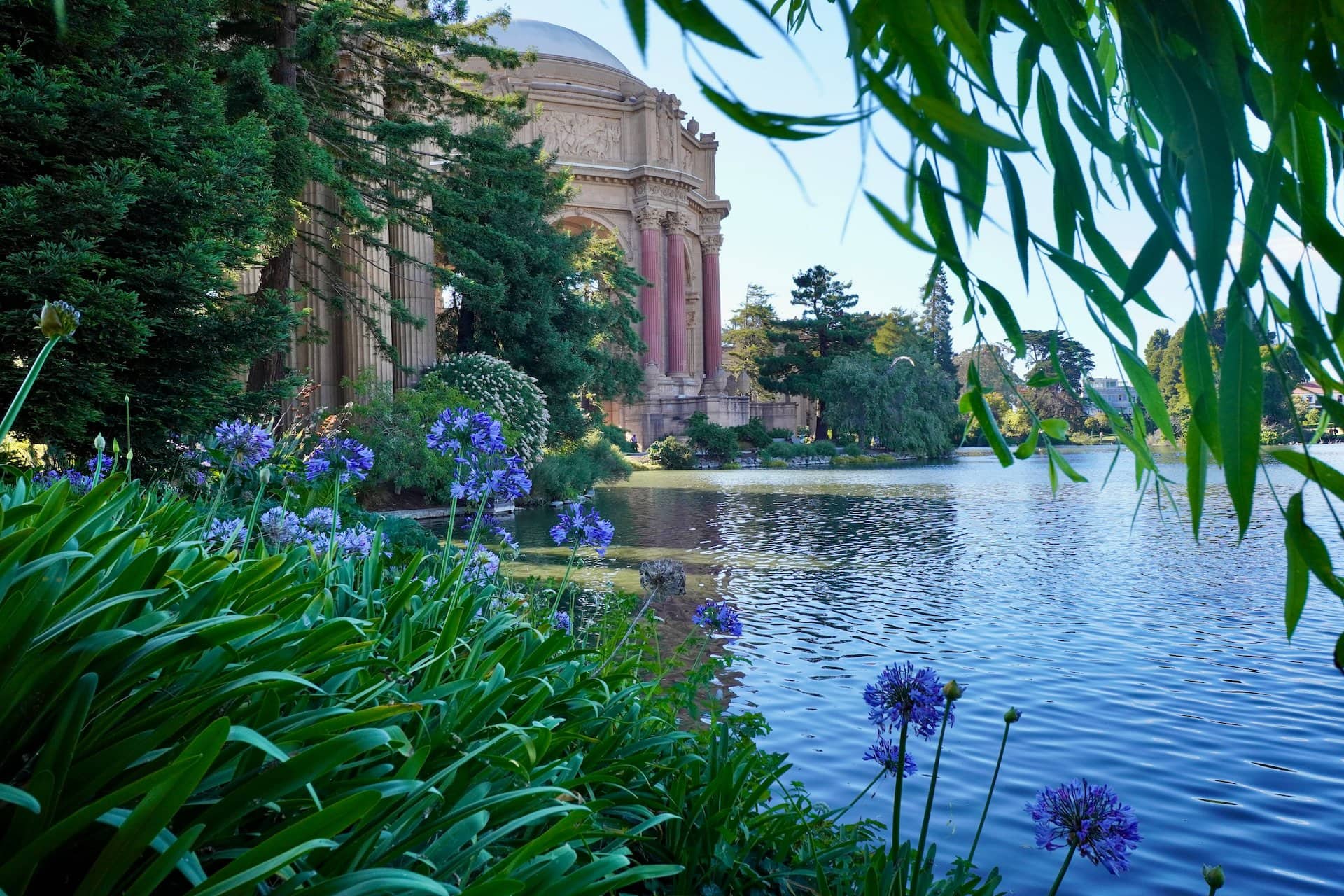
- The dreamy classic view of the Palace of Fine Arts in the Marina District
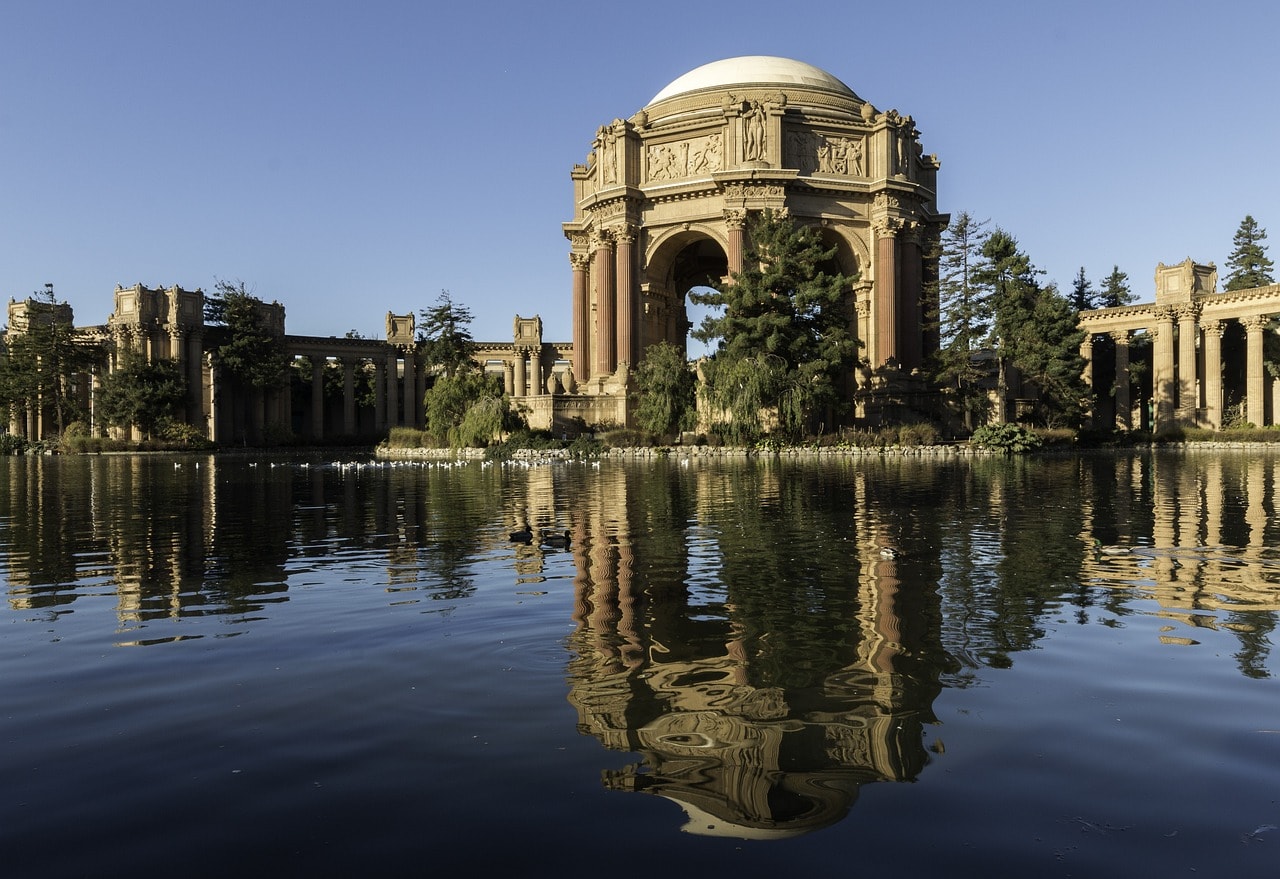
- The neo-classical Baroque Parisian style of City Hall at Civic Center Plaza
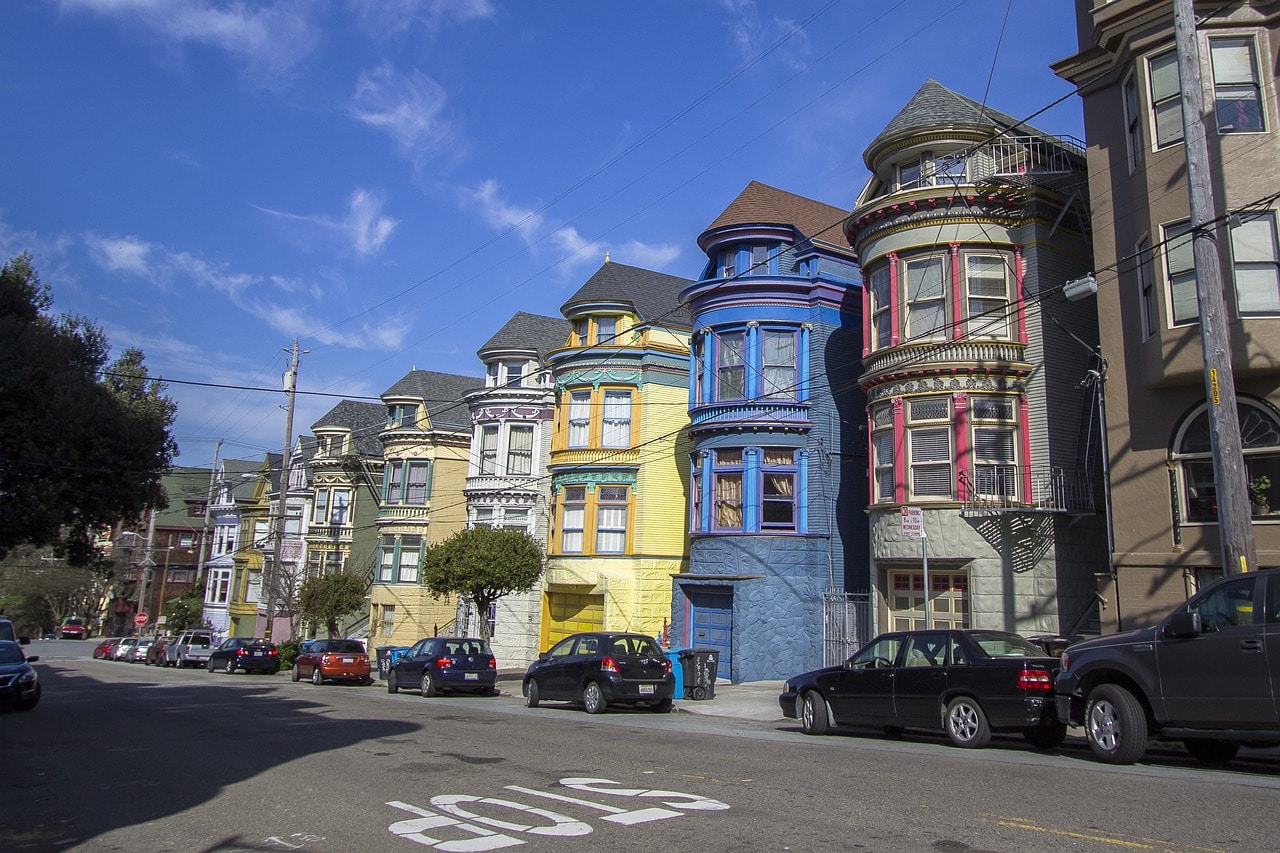
- The stunning iconic view of the Painted Ladies in Alamo Square
- Meet Michelle, DJ, and Stephanie at the Full House
- Performances by popular artists at the Bill Graham Auditorium
- Super fun shopping in Hayes Valley
- Luxury dining in Cow Hollow
- The large Oriental collection at the Asian Art Museum
- The galleries of Fort Mason
- The modern architecture of the Cathedral of Saint Mary of the Assumption
- Great Japanese food in Japantown
- Sparkles Mansion in Lafayette Park
- Visit the Haas-Lilienthal House
- The unique structure and wooden construction of the McElroy Octagon House
Click here for all the info on traveling in San Francisco…
Click here to check availability and prices at San Francisco hotels…
What are the Civic Center Plaza, Pacific Heights Marina District?
The Civic Center is the administrative and cultural hub of San Francisco. This large and elegant plaza lies north of the SoMa district and the bustling Union Square, near the intersection of two major arteries that define the western edge of downtown San Francisco – Market Street and Van Ness Avenue.
- The Civic Plaza houses the impressive San Francisco City Hall building and nearby is a large number of performance halls and concert venues.
- This area is one of the most frequented by well-dressed visitors during the evenings, who come for performances by the ballet, opera, and the city's symphony orchestra.
- The area is rich with upscale restaurants, nightlife spots, and the massive Bill Graham Auditorium, a venue hosting large-scale concerts.
West of Civic Center Plaza and Van Ness Avenue lie the beautiful residential districts of classic San Francisco. The neighborhoods of Hayes Valley, Japantown, the Fillmore District, and Pacific Heights stretch across hills with grid-like streets that roll up and down all the way north towards the Fisherman's Wharf.
- At the top of the hills, you'll often find a square green plaza, and in the neighborhoods, there are many main streets with upscale boutiques, excellent restaurants, malls, and entertainment spots popular with locals
- Throughout the neighborhoods, there are quite a few important historic homes, the most famous among them are the Painted Ladies at Alamo Square, the Octagon House of McElroy, the Haas-Lilienthal House, the Sparkles Mansion, and the Full House house
North of the Pacific Heights district, you'll find the Marina District, the waterfront west of Fisherman's Wharf. It's mainly a residential area bookended by major attractions – Fort Mason to the east and the Palace of Fine Arts on the border with the Presidio.
Map of the districts west of Van Ness in San Francisco
How to plan a trip itinerary in the residential districts west of Van Ness?
Exploring the districts west of Van Ness is more complex and spread out than a trip through the intense districts east of the main avenue. While touring SOMA, Downtown, Chinatown, and Fisherman's Wharf involves short walking distances and numerous sites close to each other, the districts west of the avenue include many neighborhoods and attractions scattered over a large area.
Beyond the distances between attractions that require public transport, the entire area is characterized by complex topography with many ups and downs typical of San Francisco.
Click here to rent bikes for a tour in San Francisco…
- It's worth starting your journey on Van Ness Avenue itself, at the Civic Center Plaza
- The green plaza is the city's governmental hub. There you’ll find the impressive City Hall, and the stunning buildings of the art centers where the city's major performances take place, such as popular music, ballet, opera, theater, and more. The excellent Asian Art Museum is also located there.
- The plaza is located near the SoMa district and Market Street, the main route running towards downtown
- From the Civic Center Plaza, it's worth crossing Van Ness westward and strolling down Hayes Street, the heart of the trendy Hayes Valley neighborhood
- The street leads to Alamo Square, where the Painted Ladies, one of San Francisco's most iconic landmarks, are located
- From Alamo Square, head north to the Fillmore District and Japantown where the Cathedral of Saint Mary's Assumption is found
- If you veer slightly west to the residential area, it's worth visiting the row of houses from the well-known TV show Full House.
- From there, you should head north towards Pacific Heights to Alta Plaza Park and Lafayette Park. This area boasts a wealth of magnificent historic houses like the Haas-Lilienthal House, Spreckels Mansion, and the Octagon House by McElroy.
- From Pacific Heights, head down to the two northern neighborhoods of the district – Union Street, with its trendy shopping street, and Cow Hollow, the affluent district with trendy shopping and great restaurants as well.
- From Cow Hollow, continue down to the two attractions in the Marina District, the Palace of Fine Arts and Fort Mason.
Click here for a free walking tour with a local guide in downtown San Francisco…
Everything to see and do in Civic Center Plaza and Alamo Square
The Civic Center Plaza
Of all the square plazas in San Francisco, and there are many of these in the touristy areas west of Van Ness Avenue (Jefferson Square, Alamo Square, Alta Plaza, Lafayette Park), the Civic Center is among the most beautiful but undoubtedly the most important. This is San Francisco's urban center, and surrounding the plaza are the important municipal institutions. The plaza is located near the junction of Market Street, San Francisco's main thoroughfare towards downtown, and Van Ness, the city's main avenue heading north, which is the route of Highway 101.
On the western side of the plaza, the impressive dome of the City Hall dominates. Opposite City Hall, on the eastern side of the plaza, are the San Francisco Public Library and the Asian Art Museum. Between the museum and the library, on Fulton Street, are the impressive Pioneer Monument sculptures.
Around the monument and along the street itself, the popular Heart of the City Farmers' Market takes place every Wednesday and Saturday. The market offers fresh organic produce from the agricultural areas surrounding the city and from the Napa Valley to the north. On its southern end, you'll find the impressive Bill Graham Civic Auditorium.
San Francisco City Hall
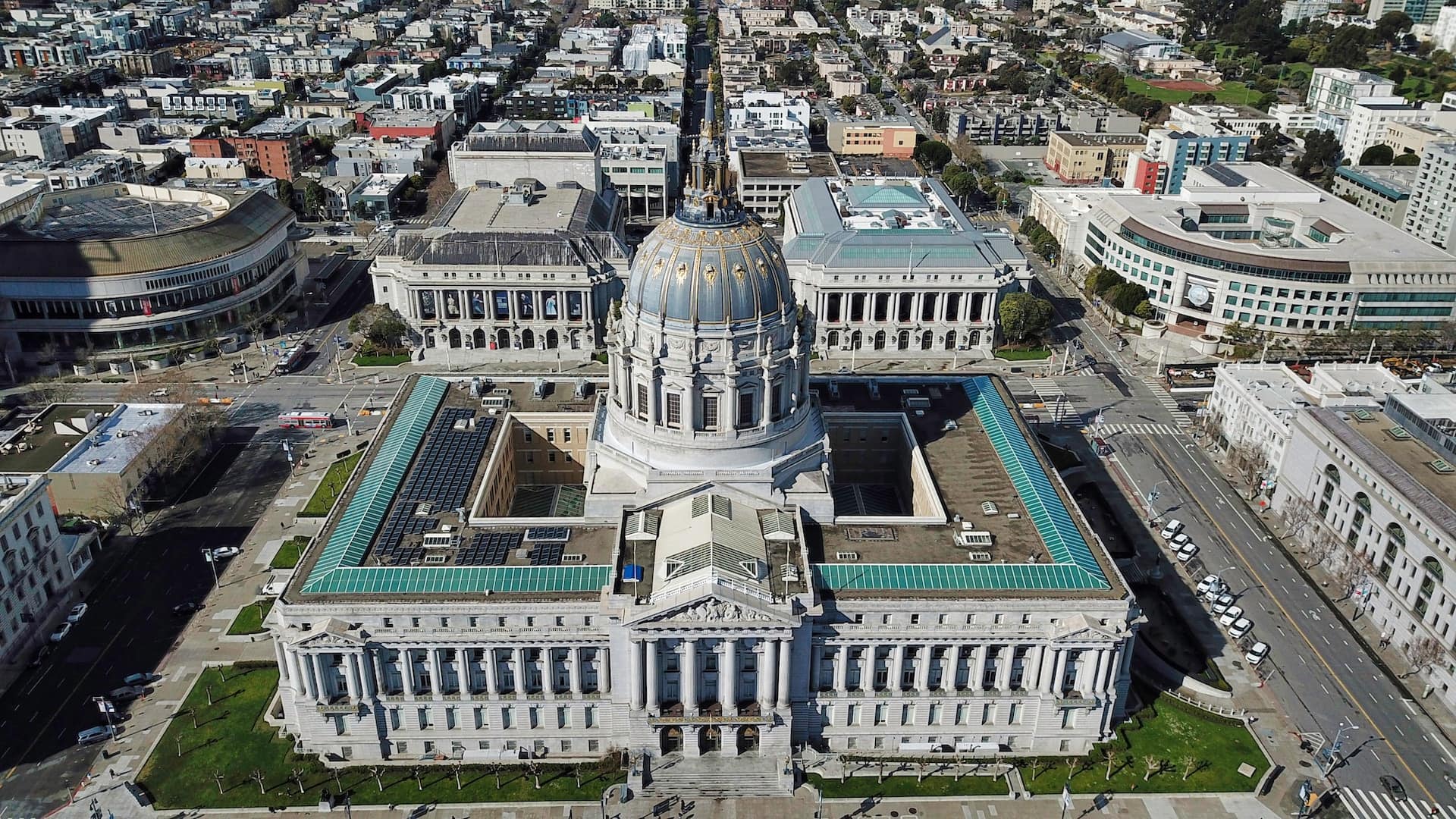
The impressive San Francisco City Hall was constructed in 1915, designed by architect Arthur Brown. The large neo-classical building is based on the design of various U.S. state capitols, but with prominent grandiose Baroque additions. Above the building's facade, with its six classical columns, there is a magnificent pediment depicting figures during the Gold Rush. The building's dome was inspired by the stunning dome of the Church of the Val-de-Grâce in Paris.
Although the building is quite impressive from the outside, you can also join guided tours with prior arrangement. Click here to register for a guided tour of City Hall and get all the details about the visit…
Bill Graham Civic Auditorium
Similar to City Hall, the neighboring auditorium named after Bill Graham was inspired by the 18th-century Parisian style. The large auditorium holds nearly 9,000 spectators. It opened to the public at the end of 1913. The construction of the auditorium was part of the Panama-Pacific Expo held in the city in 1915 to rejuvenate the city after the earthquake and fire of 1906.
Today, the auditorium is one of the city's most attractive venues, hosting shows, concerts, and major music festivals almost every night.
Click here for all the information on performances at the auditorium…
Asian Art Museum
Just as San Francisco's Chinatown is arguably the most important Chinese residential district in the major cities of the West, the city's Asian Art Museum is considered one of the most significant museums dedicated to this art form. The museum opened in what was the northern wing of the public library, now left only with its southern wing. The building itself was constructed in 1917 in a style that combines neo-classicism with French baroque.
The museum was based on the large collection of Ivory Brundage from Chicago, who bequeathed the collection to the city in the 1950s. The collection was displayed in the de Young Museum wing in Golden Gate Park. As the collection grew significantly, it moved to its new location and opened to the public in 2003.
The museum's collection includes nearly 20,000 pieces of art, decorative objects, furniture, and more, primarily from Japan and China. A large part of the collection is considered archaeological items, with some items being over six thousand years old. Within the museum, a traditional tea house from the city of Kyoto, Japan is displayed in its entirety.
Address: Larkin St. 200, San Francisco
Click here to purchase online tickets for the Asian Art Museum…
Click here for the museum's current operating hours…
San Francisco War Memorial and Performing Arts Center
Behind the back of the Van Ness City Hall (which also has a very impressive building front), there are two large theaters, which, as befits the surroundings, were also built inspired by French Baroque. The Herbst Theatre and the San Francisco Opera House are the remarkable parts of the War Memorial complex. Between the two grand theaters is the Memorial Court, a pleasant green area with a view of the City Hall's front.
The Herbst Theatre was built in 1915 and has seating for a thousand people. The War Memorial Opera House opened in 1932 as the home of the city's opera company. Next to the opera house is the Louise M. Davies Symphony Hall, home of the symphony band, and behind the opera house is the home hall of the San Francisco Ballet company. All the theaters in the center can accommodate nearly 8,000 spectators. Together with the nearby Bill Graham Auditorium, the area is bustling every evening with the city's cultured crowd coming to enjoy the wide range of performing arts available.
Hayes Valley
Hayes Valley is the trendy neighborhood nestled between the Civic Center and the legendary Alamo Square to the west. The neighborhood offers a first taste of the beautiful residential homes located outside of downtown. The main street in the neighborhood is Hayes Street, after which the neighborhood is named. On this street, and the parallel ones, you'll find plenty of elegant restaurants, boutique shops, small hotels, art galleries, upscale cafes, and more. The neighborhood also boasts a number of high-end second-hand shops, featuring the luxurious side of flea market culture.
Alamo Square
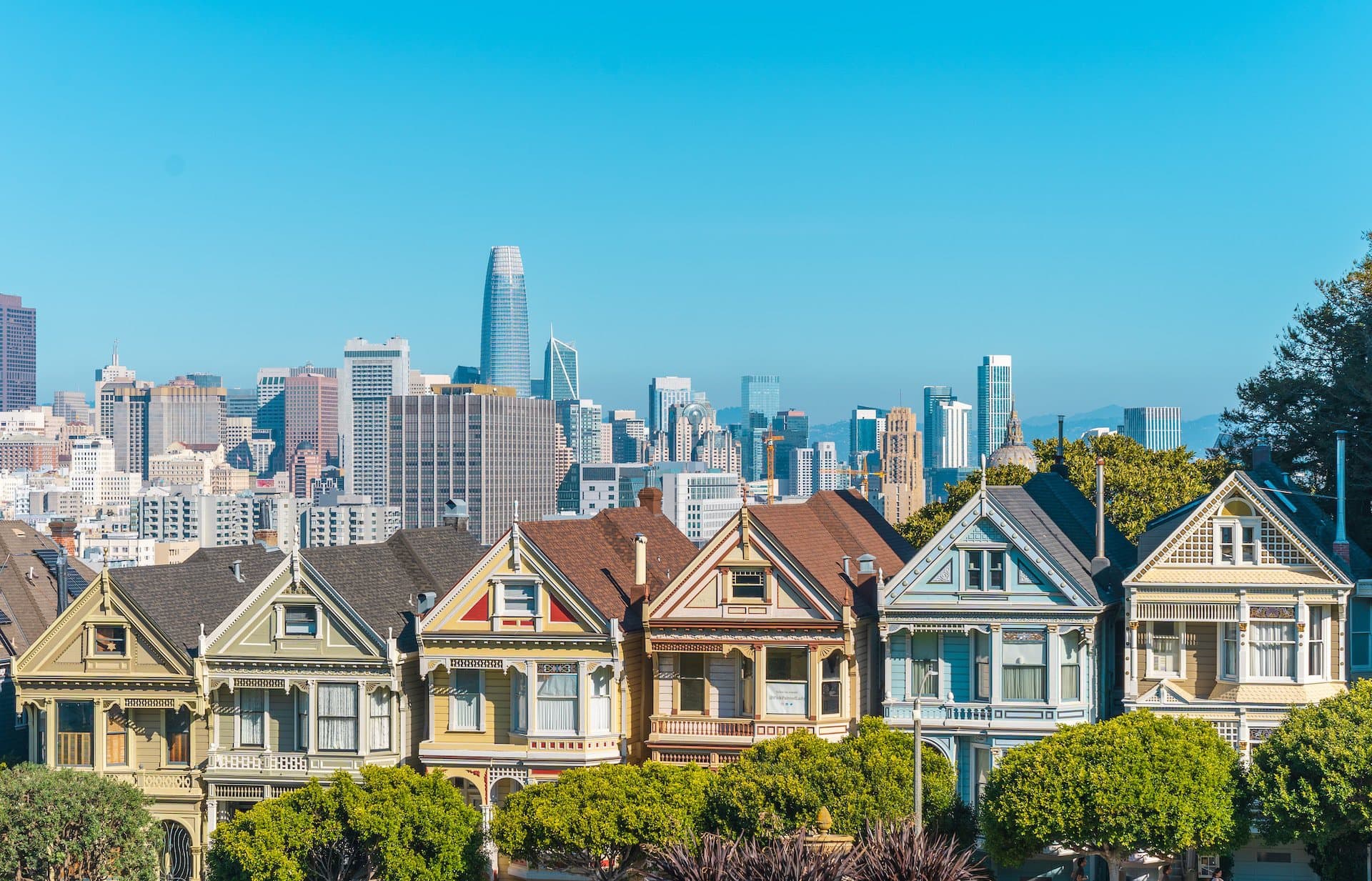
Alamo Square is located in the southern part of the Fillmore District, west of downtown and the Civic Center Plaza. The square sits atop a hill and is a must-visit site in the city, primarily due to the iconic row of homes known as the Painted Ladies. Because of its location on the hill, the square has become a popular spot for gazing out toward downtown San Francisco, which lies just behind the Painted Ladies.
Apart from the iconic row, the entire square is surrounded by Victorian-style houses. The most notable among these is the William Westerfeld House, located on the northwest corner of the square.
The Painted Ladies
This stunning row of houses dominates the eastern part of Alamo Square. The houses were built in the Queen Anne style, the distinctive British architectural style during the reign of Queen Anne in the early 18th century. This style is also known as British Baroque and was very popular in the United States and especially in San Francisco at the end of the 19th century.
This unique row of houses was named after the trend that swept through the city in the 1960s, where the old Victorian houses that characterize the city's neighborhoods were painted in differing colors to renew and highlight their presence. The row of Queen Anne-style houses is likely the most famous project of this trend.
Everything to See and Do in the Pacific Heights Neighborhood
Cathedral of Saint Mary of the Assumption
The official Catholic cathedral of San Francisco, located in the Cathedral Hill neighborhood near Japantown. The church serves as the seat of the bishop for the entire metropolitan area after being moved from the Old Saint Mary's Cathedral still proudly standing in Chinatown.
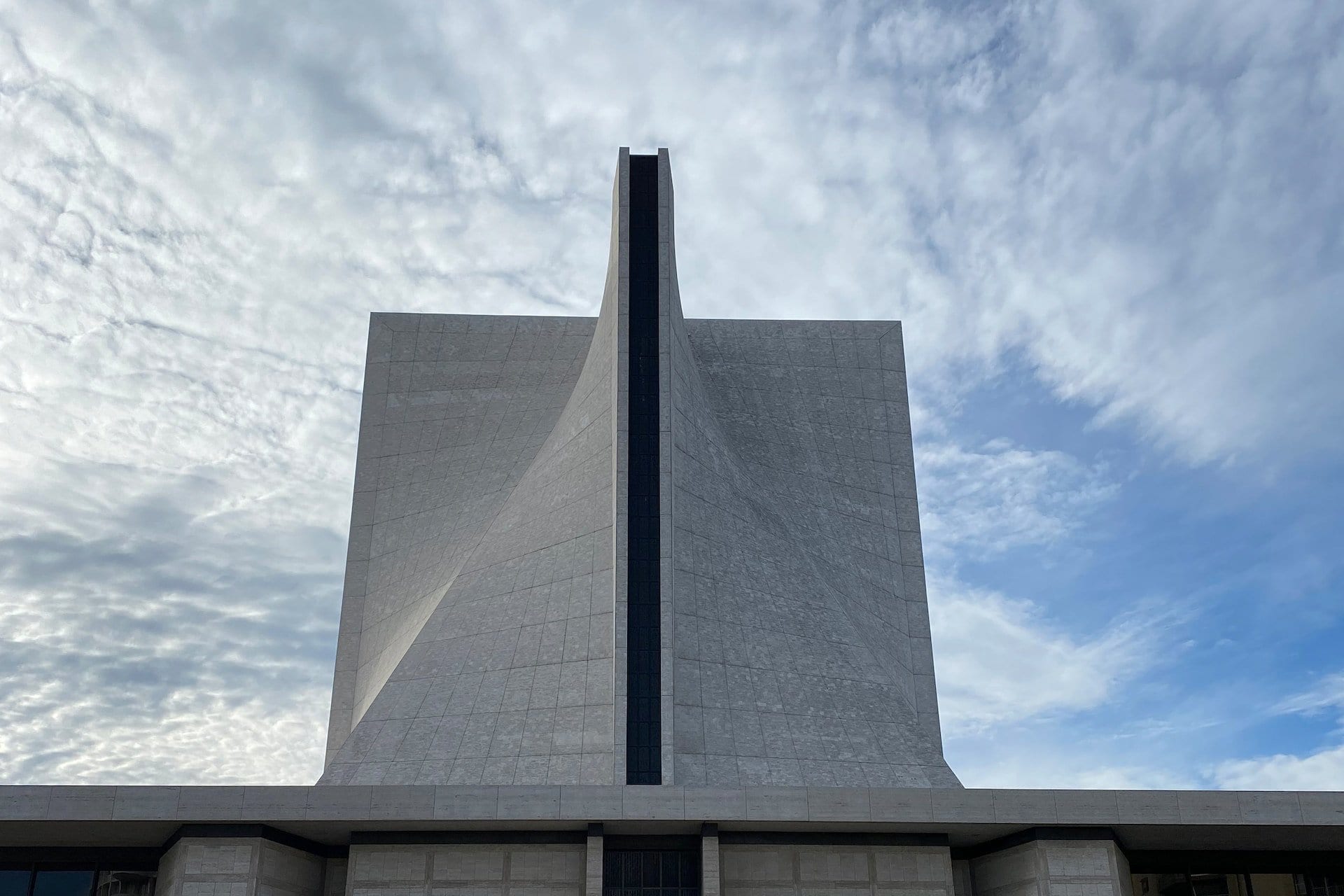
Saint Mary's was constructed in a stunning modern design and completed in 1971. The church stands 60 meters tall, dominating the rather drab street it resides on. It's worth stepping inside for a short tour to admire the modern architectural design and the magnificent reliefs depicting religious scenes.
Address: Gough St. 1111, San Francisco
Japantown
The historic district of Japanese immigrants is located between Van Ness Avenue to the east and the Fillmore District to the west. The area developed as a settlement for Japanese immigrants who arrived in San Francisco during the Gold Rush and at the end of the 19th century. Similar to the concentration of Chinese in the district above Market Street, the Japanese gathered in the northern part of the Fillmore District.
Until World War II, the neighborhood was thoroughly Japanese, but many residents were relocated to internment camps following Japan's declaration of war on America in World War II.
After the war, the neighborhood lost its oriental appearance, but following preservation efforts in the 1960s and the opening of the Japan Center mall and the Japantown Peace Plaza, the area once again embraced its Japanese characteristics.
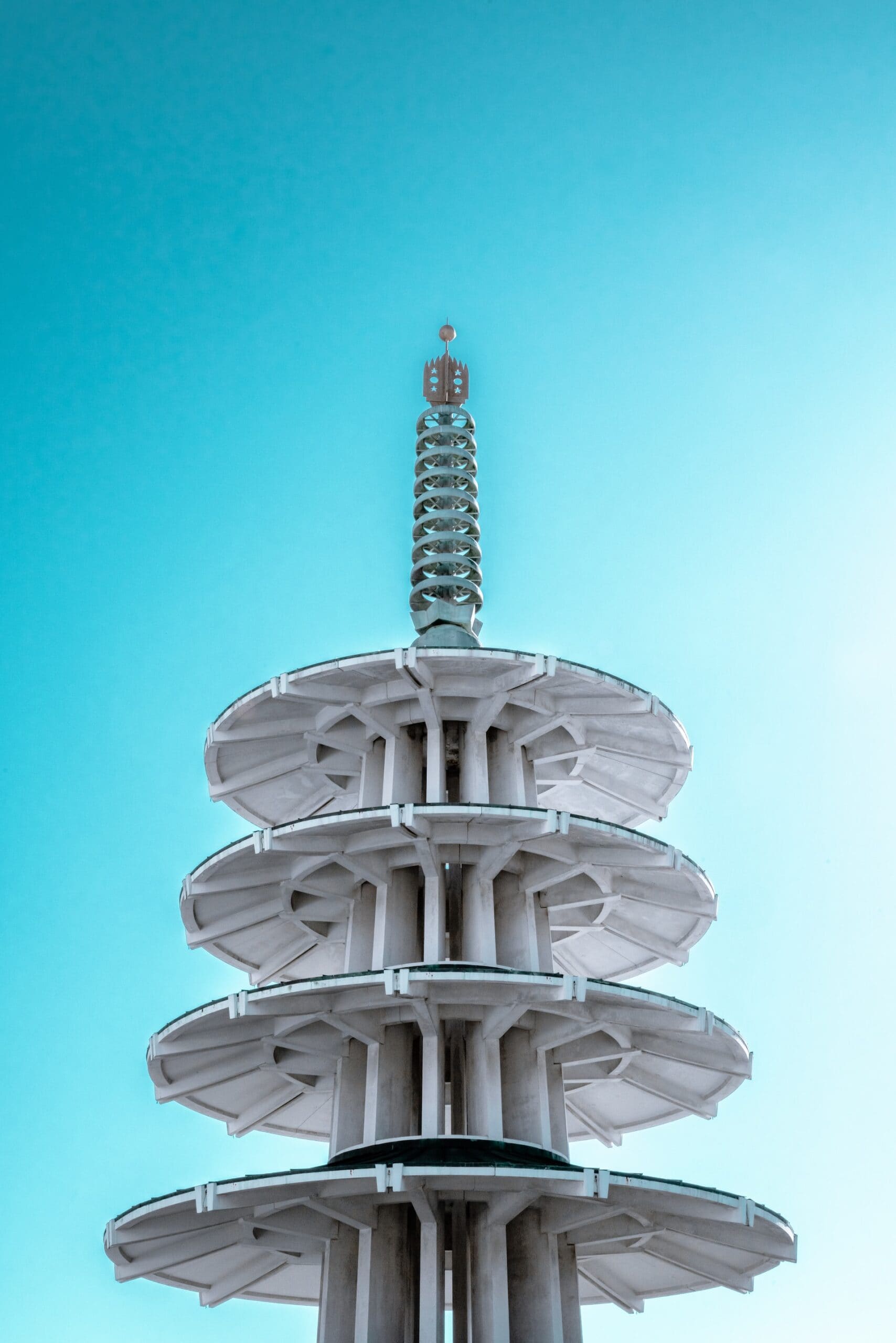
Today, the district partly still reminds one of the old Japantown, with Japanese businesses and signage, pagodas, and various Japanese decorative elements, but it's not a Chinatown in terms of ethnic diversity and character. The symbol of the district is the Peace Pagoda at the heart of the plaza. Nearby, both in the mall and in the streets, there are very popular Japanese restaurants.
Fillmore District
Trendy Fillmore Street is located just a bit west of the Peace Pagoda at the heart of Japantown. The district is a pleasant place for strolling and shopping, featuring restaurants, luxury shops, entertainment venues, and concert halls. The commercial part of the street stretches north toward the Pacific Heights neighborhood and the large city park – Alta Plaza Park.
Full House House
When strolling around Japantown and shopping on Fillmore Street, it's definitely worth veering slightly west into the tranquil residential district of the Lower Pacific Heights neighborhood. On Broderick Street, there's a row of charming homes that have now become a tourist attraction. These are the houses featured in the opening and transition scenes of the popular American series, Full House. Today, they are a sort of little attraction, with many visitors coming to the picturesque street just to snap a photo with their iconic facades.
Address: Broderick St. 1709, San Francisco
Spreckels Mansion
In the northern part of Lafayette Park, hidden behind a huge hedge, lies the charming architectural gem of the Sparkles Estate. The large mansion can be seen from the nearby streets that descend north from the hill on which the park sits. It was built in 1912 and is affectionately called the Parthenon of San Francisco, as a testament to the owner’s love for Greek culture and their unlimited budget. The estate is currently owned by author Danielle Steel.
Address: 2080 Washington St., San Francisco
Haas-Lilienthal House
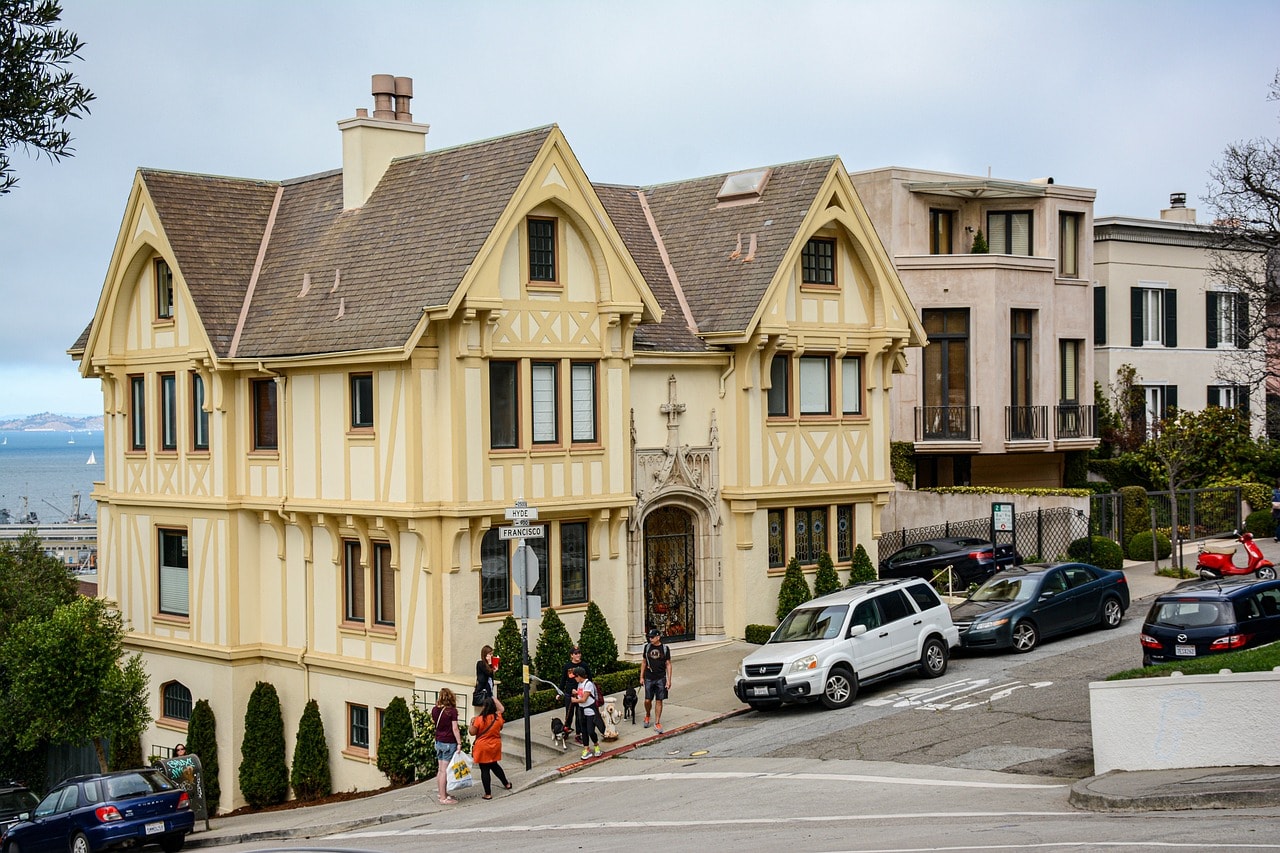
One block east of the Sparkles Estate is another stunning house, also a must-visit when touring Pacific Heights. Located on Franklin Street, it stands out among the dull modern residential buildings. The neighborhood features quite a few special homes, and William Haas’s house is one of the most beautiful among them. It was built in 1886 in the Queen Anne style, or British Neo-Baroque. Haas’s daughter, Alice Lilienthal, lived in the house until 1972, when she fortunately bequeathed it to the city.
The house is open to the public today as a period museum. It's one of the few Victorian homes in San Francisco open to the public. You can take guided tours and get a glimpse of the wealthy residents' lifestyle, including antique furniture, valuable ornaments, and more owned by the family.
Address: Franklin St. 2007, San Francisco
Click here for museum registration and opening hours…
The McElroy Octagon House
North of the Haas-Lilienthal House and the Lafayette Park area, you'll find the historic Octagon House. It sits near the intersection with Union Street, the main road of the Union Street neighborhood, located in the northern part of the Pacific Heights district. This is one of the city's unique homes, classified as a Colonial Dames Octagon House, a style popular in the mid-19th century and one of the few that survived. The house was built in 1861 and was abandoned about a hundred years later. A historical society focused on this type of homes purchased it in 1951 and turned it into a preserved house that is open to visitors.
Address: Gough St, 2645, San Francisco
Click here for the current visiting hours…
Cow Hollow
Cow Hollow is the neighborhood west of Union Street in the northern part of the Pacific Heights district. The neighborhood borders the Marina District to the north and the western part of Fisherman's Wharf, serving as a bridge between the affluent residential districts of western San Francisco and the city's most touristy area.
This is a highly affluent neighborhood established in the late 19th century on grazing fields, hence its name. Upon its construction, it became a coveted destination for luxury living and commerce, and to this day, it boasts upscale residential streets alongside equally prestigious commercial avenues. The commercial part of the neighborhood merges with the Marina District, encompassing the western section of Lombard Street (not the iconic steep section in the Russian Hill neighborhood to the east) and the bustling Chestnut Street.
Everything to See and Do in the Marina District
Fort Mason
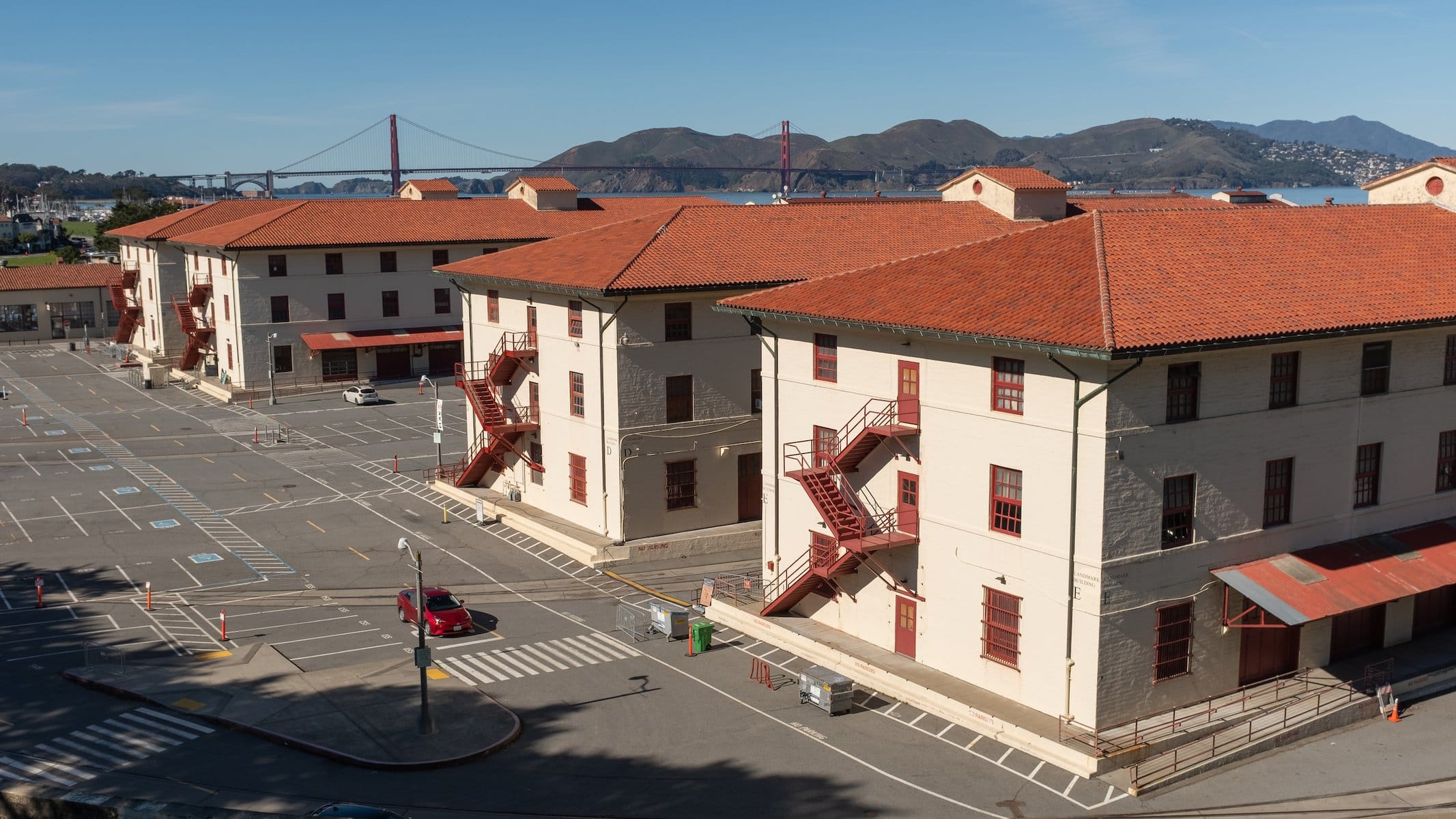
Mason Fortress is located in the eastern part of the Marina District, west of Aquatic Cove. The fort was a military base built during the American Civil War. The U.S. army left the site in the 1890s, and the base's houses became part of the harbor. The houses were inhabited in 1906 by residents whose homes were destroyed in the severe earthquake that struck the city. The homes returned to U.S. Army hands during World War II, serving as the departure point for the Marines and Navy toward the Pacific Ocean.
In 1972, the historic fort and the large park beside it returned to the city's control, and the barracks buildings housed the Fort Mason Center for Arts & Culture. Today, the site is filled with galleries, restaurants, and cafes. The Fort Mason Center Farmers' Market is held on the large plaza in front of the galleries every Sunday morning.
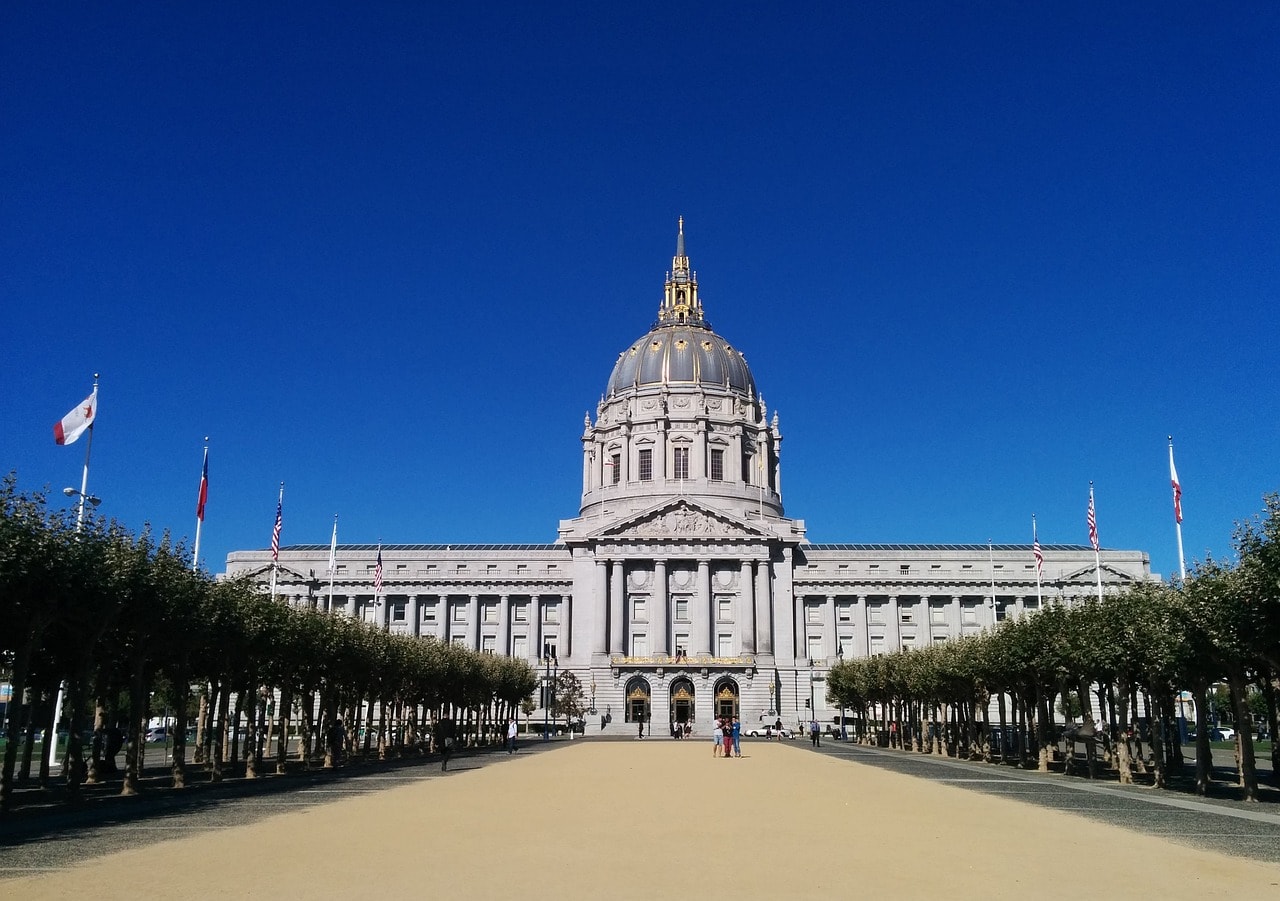
Palace of Fine Arts
The special palace is one of the few remaining structures from the Panama-California Expo held in the city in 1915. It is located in the western part of the Marina District, right on the border with the attractions of The Presidio. Today, the palace has been converted into a popular arts center with a large auditorium seating about a thousand and plenty of music and theater performances held there. The hall itself is a large neo-classical rotunda structure set by an artificial pool. Two impressive porticos (colonnades) extend from the rotunda, surrounding the pool.