San Francisco's Chinatown
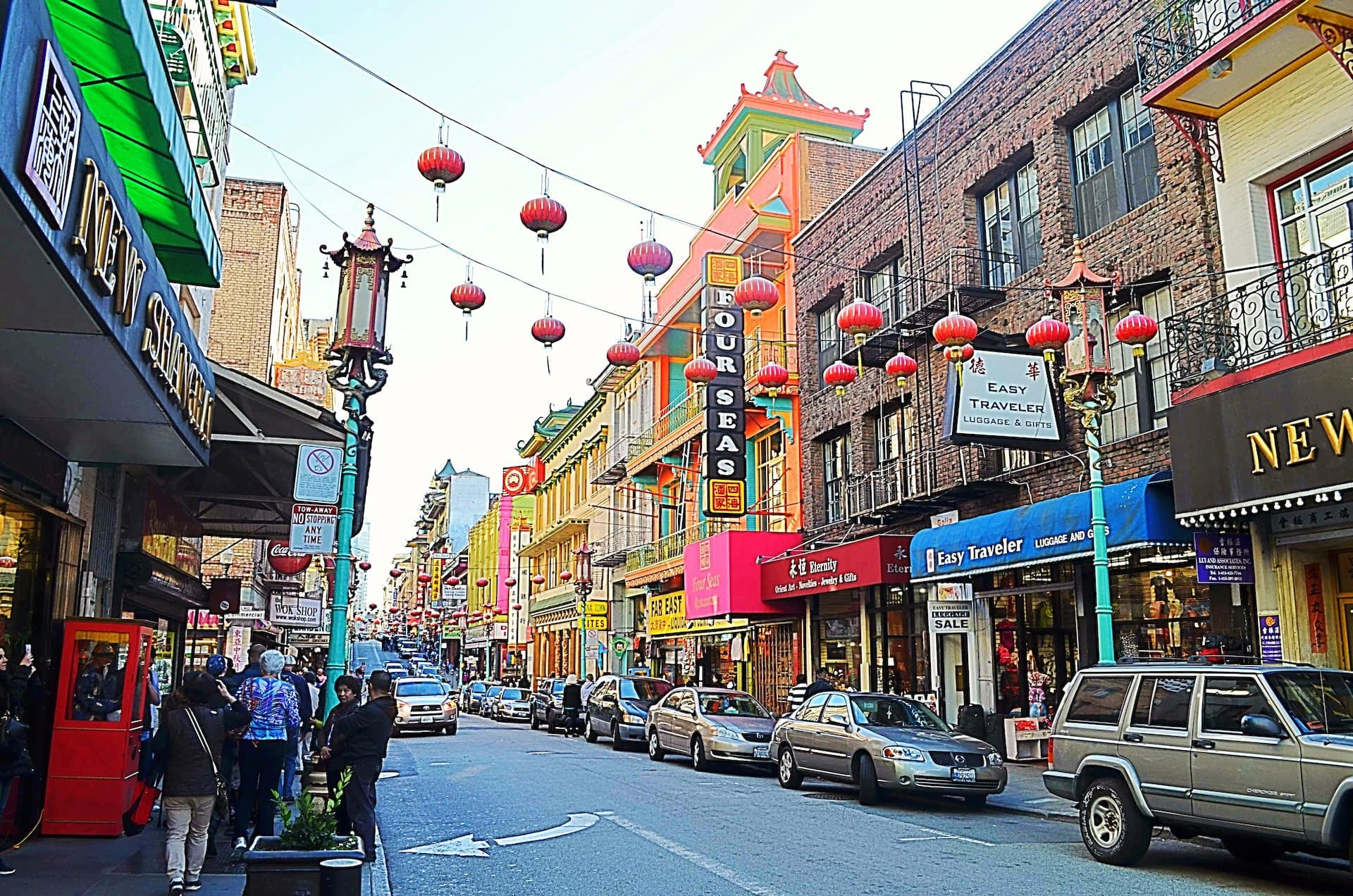
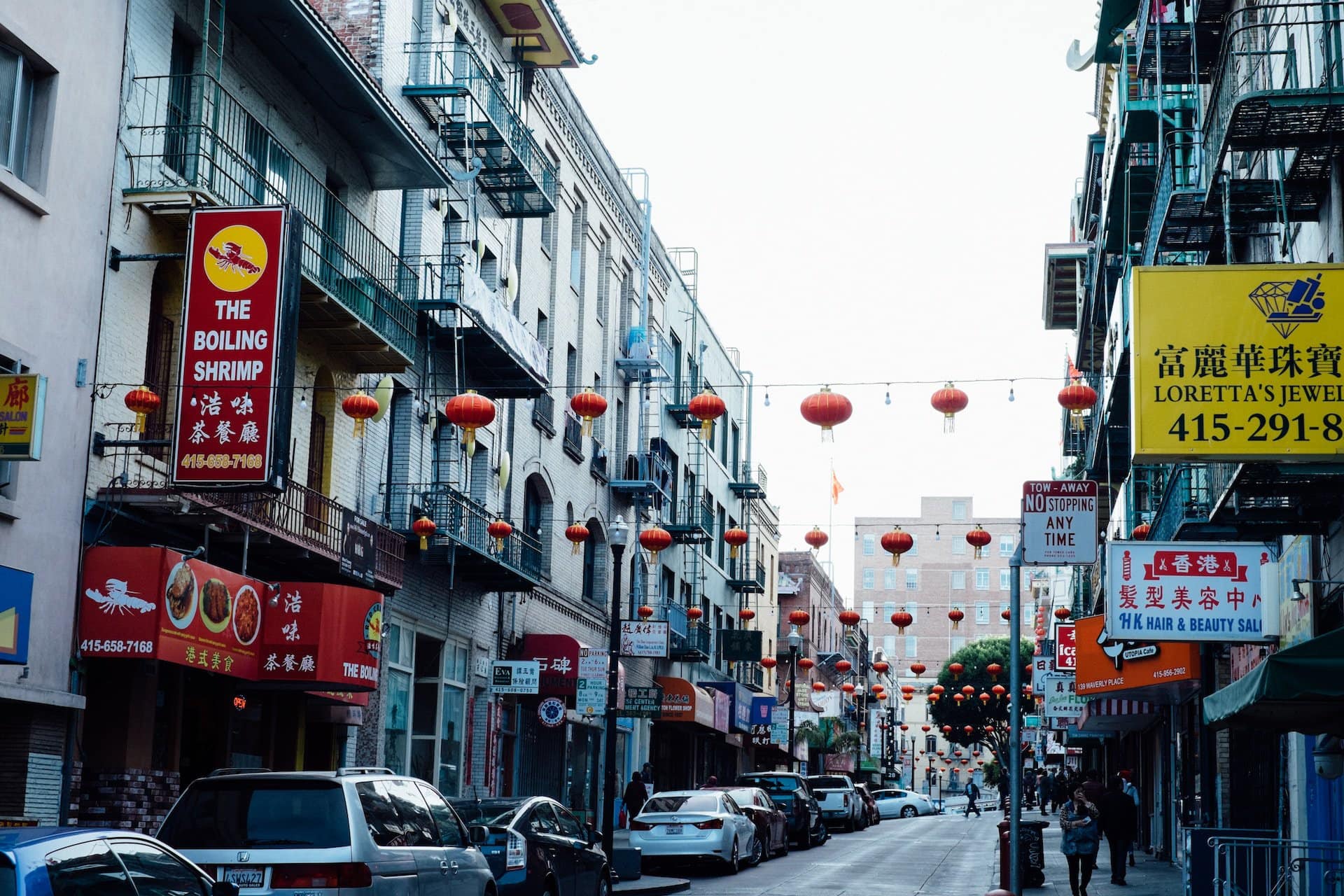
San Francisco's Chinatown is the origin and basis for all Chinatown neighborhoods that no major city in the West is without. The neighborhood was established on the avenues and streets of Yerba Buena, the American colony of San Francisco during Mexican rule. The neighborhood boasts historic red brick buildings with fire escapes and metal balconies.
The streets are decorated and filled with Chinese signs, historical temples, bustling streets, and a vibe of the Far East. The neighborhood features unique shops, decorations, festivals, and numerous excellent Chinese restaurants that are highly popular with the city's residents.

How much time do you need for a trip to San Francisco's Chinatown?
You should dedicate a few hours to half a day for a trip to San Francisco's Chinatown. The tour can be combined with the downtown area and Union Square to the south.
What must you see and do in San Francisco's Chinatown?
- The hustle and shops of Grant Avenue
- The unique Golden Gate Fortune Cookie Factory
- Vintage cable cars at the Cable Car Museum
- The stunning balconies of Waverly Place
- The beautiful streets of Jackson Square District
- The beautiful interior and impressive facade of Old St. Mary's Cathedral
- Cross the border at the Dragon Gate
- A spiritual experience at Tin Hau Temple
Click here for all the information on traveling in San Francisco…
Click here to check availability and prices at hotels around Union Square and Chinatown…
Click here for a free walking tour with a local guide in downtown San Francisco…
What is San Francisco's Chinatown?
San Francisco's Chinatown is the origin of the famous phrase that has spread throughout major cities in the USA and even to large cities in Western Europe. Chinatown is the historic home for Chinese immigrants who arrived on the West Coast of the USA from the mid-19th century.
- The first reason for the concentration of Chinese immigrants in San Francisco was the Gold Rush, during which a large workforce arrived from across China and Japan and settled in California cities
- The district was severely damaged in the great fire following the 1906 earthquake. This fire was used by many immigrants in the USA who arrived immediately afterward to obtain American citizenship, claiming their documents were burned. After the fire, the district's population grew significantly
- Today, about 35,000 people live in the neighborhood, most of whom are of Chinese or East Asian descent
- The neighborhood acts like a little autonomous territory typical of a Chinatown, with Chinese signs, mini-markets with exotic goods, traditional festivals, and of course, excellent and very popular Chinese restaurants.
- Bruce Lee was born in the neighborhood—arguably the most famous Chinese-American.
- To the west of Chinatown lies the elegant Nob Hill district. At the heart of the district is Grace Cathedral in Huntington Park. The district is a luxurious and peaceful residential area with several large hotel establishments.
- Nob Hill is also home to the Cable Car Museum, where there's a display of ancient cable cars that served the city since the mid-19th century.
Click here for a particularly tasty food tour in the hidden corners of San Francisco's Chinatown…
San Francisco Chinatown Map
Everything to See and Do in San Francisco's Chinatown
Jackson Square District
The Jackson Square district is actually a small neighborhood of six blocks, located between downtown San Francisco and Chinatown. The heart of the district is the intersection of Montgomery Street (downhill) and Jackson Street. The area is characterized by red brick buildings that were constructed in the mid to late 19th century. It's a district that's separate from both the towering downtown skyscrapers and Chinatown, but it's a great spot for a short stroll. Streets are lined with shops and restaurants, offering impressive views of the downtown skyline.
Portsmouth Square
Portsmouth Square is the central square of San Francisco in the mid-19th century. Originally built in 1839, it was at the heart of the lively commercial and social hub of the Yankee outpost Yerba Buena, the city's original urban center during the Mexican rule. Today, the square has been raised, with a large parking lot beneath it. The square serves as the gateway to Chinatown from the Financial District and is mainly used by district residents for rest and relaxation.
Click here for a guided tour of all the most interesting spots in San Francisco's Chinatown…
Old Saint Mary's Cathedral
The first cathedral of San Francisco was the bishop's seat since 1854 when its construction was completed. The church still serves the city's Catholic population, though it is now deep within Chinatown territory. Like its exterior, the church's interior is very elegant, clean, and filled with religious paintings and statues. The church's tall tower overlooks the serene and elegant St. Mary's Square, which is also surrounded by tall towers on all sides.
Next to the cathedral is one of the most impressive buildings in Chinatown, the Trade Mark Building, designed like a Chinese temple.
Address: 660 California St., San Francisco
Dragon Gate, Chinatown SF
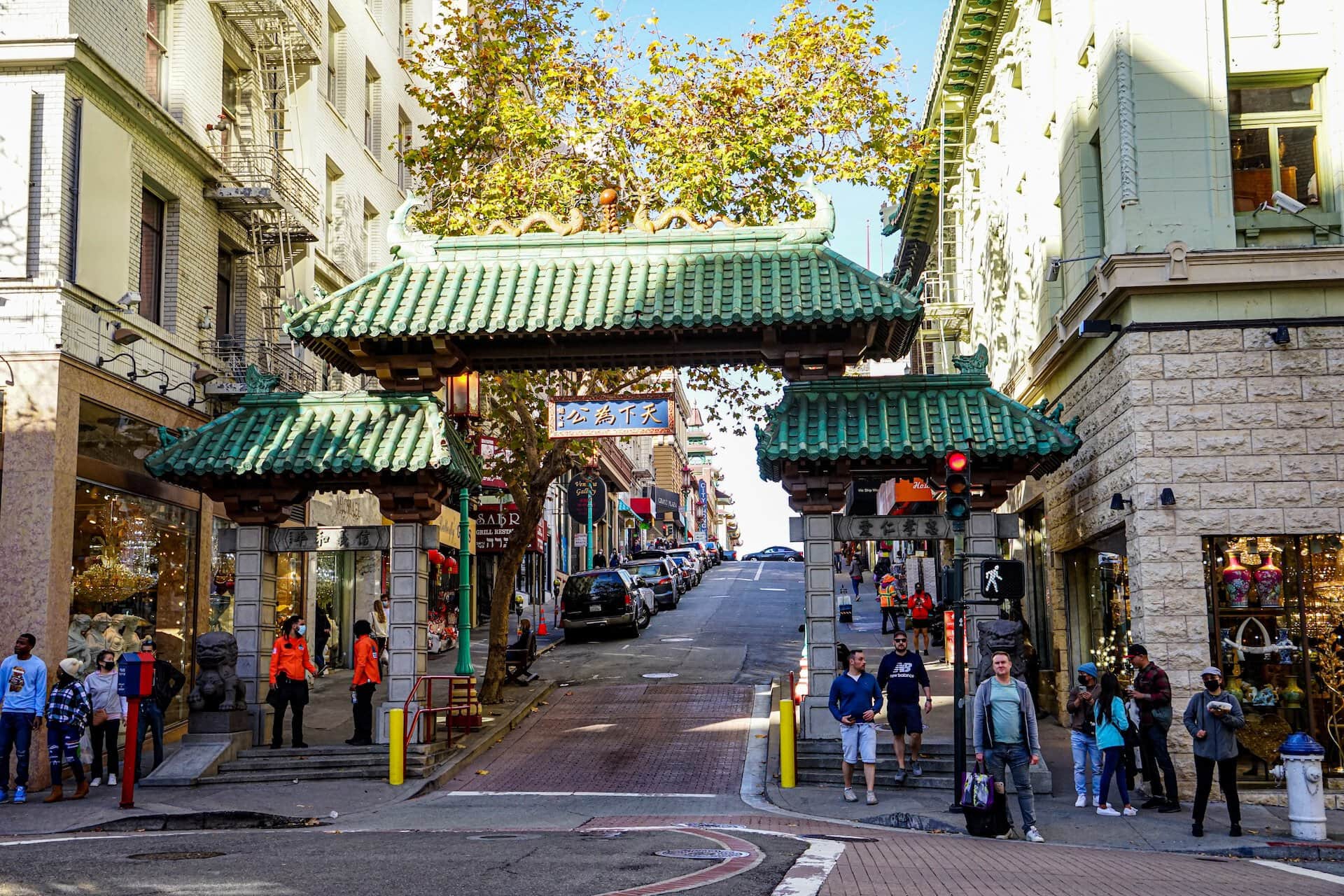
The Dragon Gate, the official entryway to Chinatown, is located on the southern part of the neighborhood, at the intersection of Bush Street and Grant Avenue. The gate stands at the beginning of Grant Avenue's incline, the main street of the district. It officially marks the transition from the bustling Union Square area to the vibrant (with a foreign flair) Chinatown. Designed by Chinese-American architect Clayton Lee, it draws inspiration from traditional village entry gates in China. The green gate, topped with two traditional Chinese dragons, is now considered one of the neighborhood's icons.
Address: Grant Ave. 413-401, San Francisco
Grant Avenue
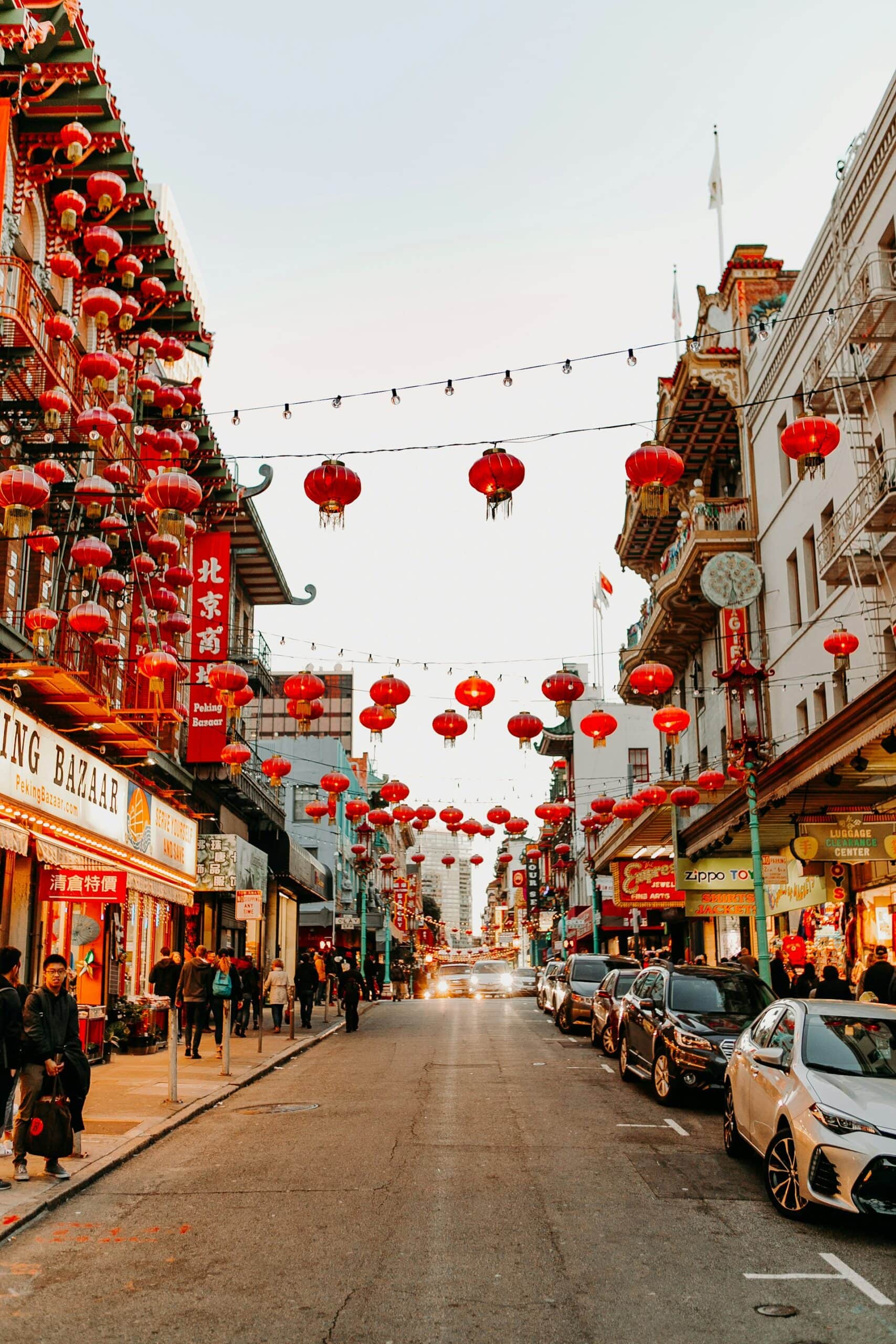
Grant Avenue is the main street of Chinatown. The avenue starts from Market Street, at the northern edge of SoMa District, crosses the Union Square District, and continues through Chinatown to the north. In the Chinatown section, it is the beating heart of the vibrant neighborhood, with lots of Chinese signage, numerous businesses, and especially exotic restaurants and shops.
The avenue is relatively narrow, often lit and decorated. The street's ornate identity does not at all reflect its historical importance as the first and main street of the Yerba Buena colony in the mid-19th century. The avenue was the vibrant heart of the white settlement in the Mexican San Francisco of that time, and today it is the heart of the Chinese settlement in American San Francisco.
Stockton Street and Waverly Place
The street parallel to Grant Avenue to the west is also a major commercial hub in the heart of the Chinatown neighborhood. Stockton is home to specialty shops, mini-markets, restaurants, decorations, and the exotic vibe of Chinatown. Between Grant Avenue and Stockton Street runs the shorter Waverly Place for two blocks. This street is known as the street of painted balconies, thanks to the metal balconies of the late 19th-century emergency exits, painted and embellished in true Chinese decorative style.
Tin How Temple
The Tin How Temple is nestled in the heart of Waverly Place and is historically considered possibly the first Chinese temple in America and the oldest that is still active. The temple was built in 1852 by three Chinese immigrants who were among the first to arrive on the West Coast. These immigrants established the settlement area for Chinese immigrants in the streets north of Market Street and Union Square. The temple is dedicated to the goddess Matsu, considered the Empress of Heaven and the patroness of sailors and fishermen in the Taoist religion. The temple was partly burned in the great fire of 1906 but was successfully restored and reopened in 1910.
Address: Waverly Pl. 125, San Francisco
Golden Gate Fortune Cookie Factory
One of the unique establishments in Chinatown is the Golden Gate Fortune Cookie Factory, which produces the traditional Chinese-American dessert. The factory opened in 1962 in the heart of the neighborhood and has since produced thousands of fortune cookies, distributing them to restaurants across the West Coast. Fortune cookies were invented in San Francisco in 1909 by a Japanese chef who came up with the idea as a marketing gimmick. Since then, they have become an integral part of the dining experience in Western Chinese restaurants (in no way resembling regular Chinese restaurants in the Far East).
The Golden Gate brand is well-known, and the small factory also produces cookies in various flavors. You can visit the factory and watch the massive oven that takes up the entire space, as well as the factory workers preparing San Francisco's famous brand.
Address: Ross Alley, 56, San Francisco
Click here for all the information on visiting the Fortune Cookie Factory…
Chinese Historical Society of America Museum
The Museum of the Chinese Historical Society of America is the oldest and most significant institution in the USA dedicated solely to the great Chinese immigration to American cities. The museum is based on the Society's historical work, which includes a vast archive documenting the community's activities since the mid-19th century during the Gold Rush. The museum features important exhibits related to the history of the Chinese community in the city and throughout the West Coast, including art by local artists, decorative items, and historical artifacts. The museum places great emphasis on the iconic figure of Bruce Lee.
Near the museum is the Kong Chow Temple, the oldest temple in the city, founded in 1854. It was relocated to its current location on Stockton Street in 1977 after its demolition at the original site caused significant unrest in the neighborhood.
Address: Clay St. 965, San Francisco
Click here for the museum's current opening hours…
Everything to See on a Trip to the Nob Hill District
San Francisco Cable Car Museum
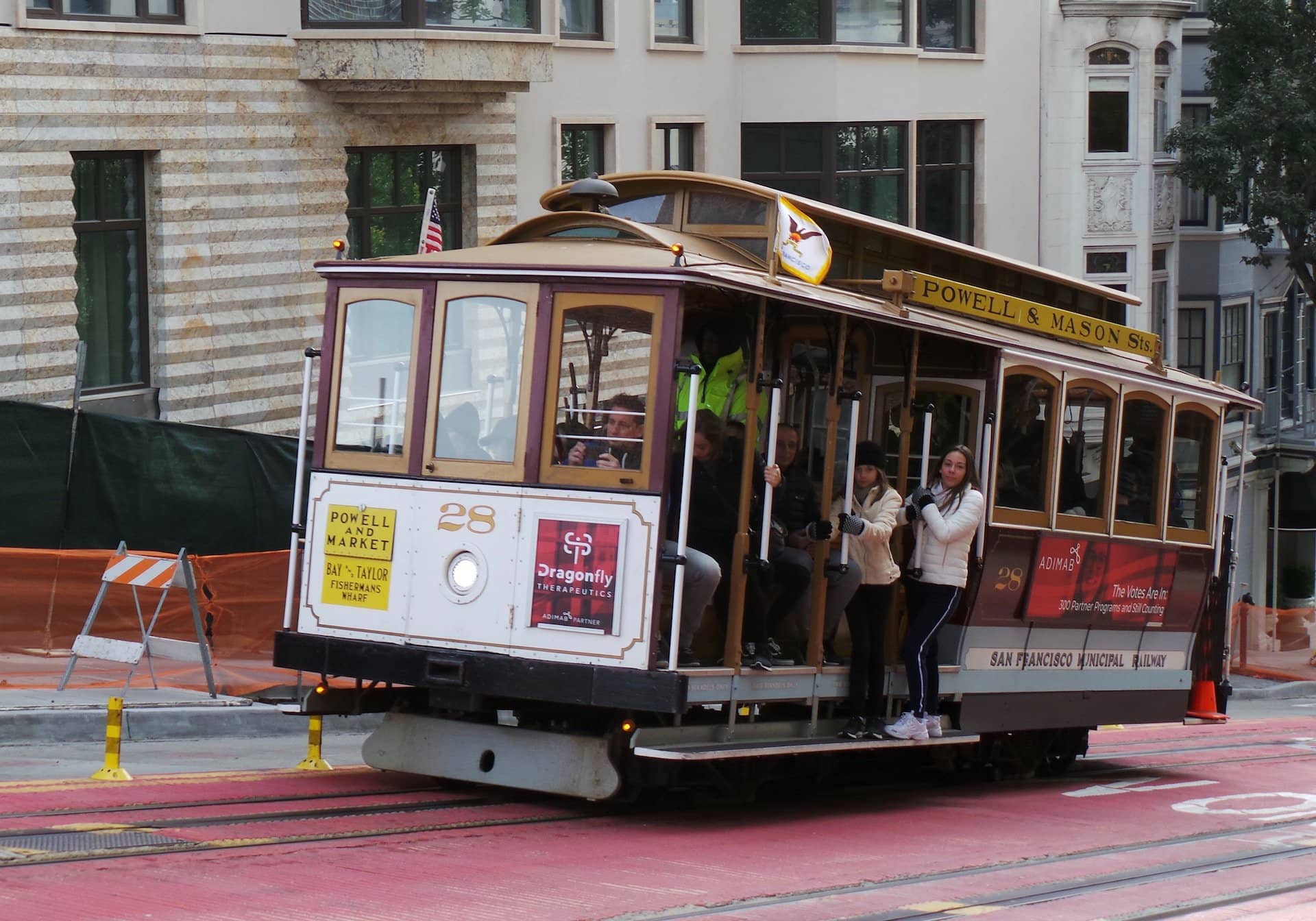
The Cable Car Museum is the grand version of San Francisco's train museum in Downtown. The museum is entirely devoted to San Francisco's iconic cable cars, some of the city's most beloved landmarks. The historic museum was founded in 1853 in the Nob Hill district, at the western edge of Chinatown. Inside, you'll find some of the most unique vintage cars of the extensive system, mid-19th century cars you can enter and literally touch history.
Address: Mason St. 1201, San Francisco
Click here for the museum's current operating hours…
Grace Cathedral
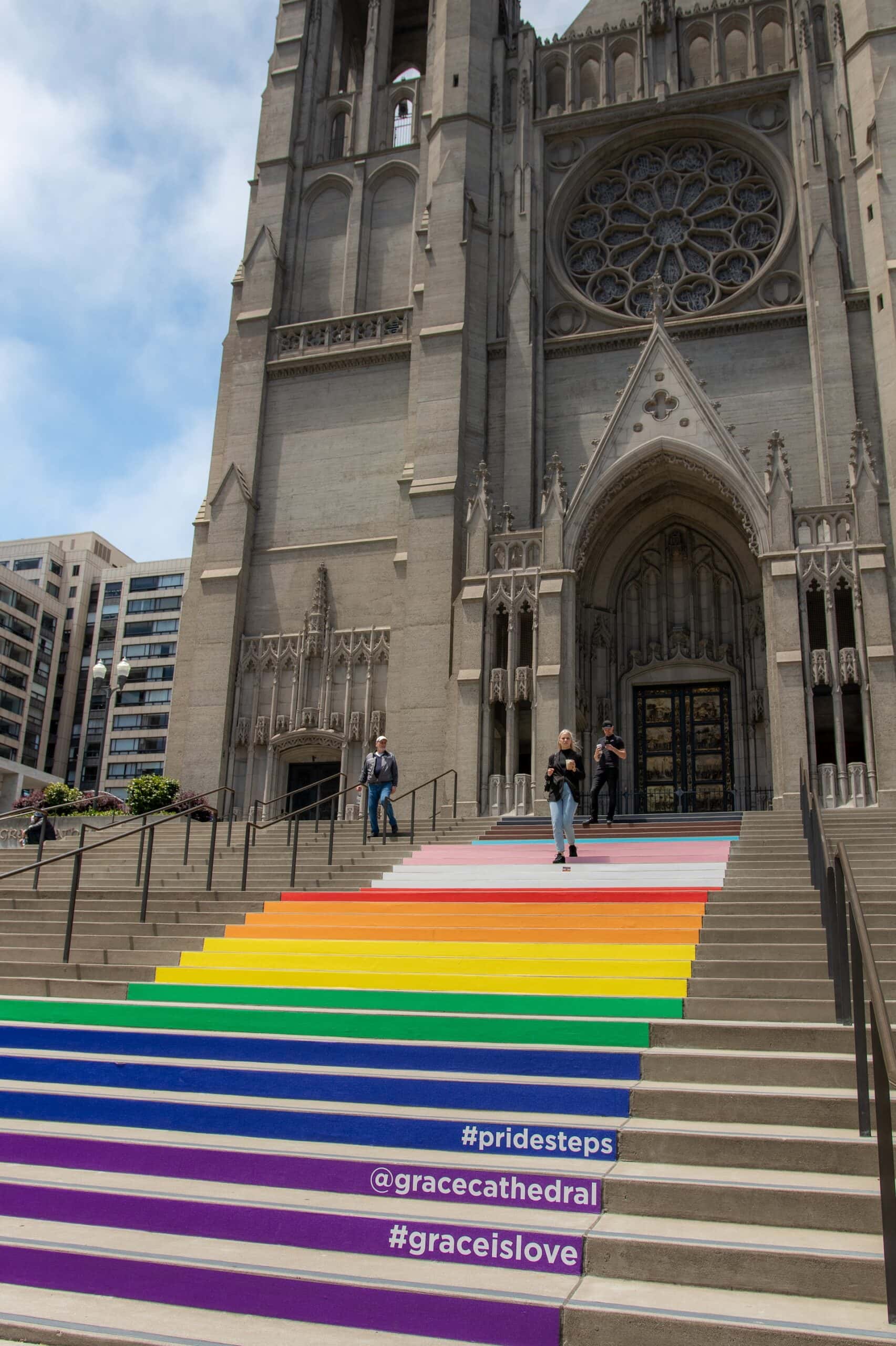
A bit south of the Cable Car Museum, in the heart of the Nob Hill district, lies the elegant Grace Cathedral. The cathedral is a scaled-down replica of the Notre-Dame façade in Paris, in stunning French neo-Gothic style. Another immortal quote in the church is the main entrance door, where there is an almost exact replica of the Gates of Paradise, the magnificent Porta del Paradiso by Lorenzo Ghiberti, a giant of the Florentine Renaissance, which stands at the Baptistry of the Florence Cathedral.
The church belongs to the Episcopal stream and is among the largest churches in the USA belonging to the Anglican stream in the USA. Construction of the church began in 1928 but was only completed about forty years later. Above the church's roof is a pointed Gothic spire with a height of 35 meters.
The church is located on Huntington Park, where you'll find the magnificent James C. Flood Mansion. To the east of the park and the mansion are two of San Francisco's grand hotels – the Fairmont San Francisco and the Mark Hopkins San Francisco, which currently operates under the InterContinental brand of the IHG group.
Travel Route in Central San Francisco – Downtown, Chinatown, and the SoMa District
- It's best to start your tour of Central San Francisco in the attractive SoMa district. The SFMOMA – the San Francisco Museum of Modern Art, is one of California's most important museums and is located in the heart of the district.
- Nearby is the Moscone Center, the major convention center, the Contemporary Jewish Museum, and St. Patrick's Church. Around the Yerba Buena Gardens, there are more urban museums worth visiting.
- From the garden area, it's recommended to head towards the San Francisco Mint and the large San Francisco Center Mall. Nearby is the Powell Street cable car station.
- It's worth hopping on the cable car and heading up to the city's main shopping area at Union Square.
- Afterwards, continue on the car towards Chinatown, pass through the Dragon Gate, and stroll along the bustling Grant Avenue.
- The avenue is home to the old cathedral named after Mary.
- From the cathedral, it's a short walk west to the Nob Hill neighborhood, where you'll find the Cable Car Museum, showcasing vintage cars of the city's iconic transport.
- From the museum, head to Huntington Park at the heart of the district, facing luxury hotels and the grand facade of Grace Cathedral.
- From Nob Hill, return to Chinatown and wander through Waverly Place and Stockton streets, where you can soak in the district's unique atmosphere. Nearby is the small factory of the Golden Gate Fortune Cookie Company.
- From Portsmouth Square, cross towards downtown. Opposite the square, you can already spot the Transamerica Pyramid, one of the city's iconic skyscrapers.
- Just south of the magnificent tower, you'll find the intriguing Wells Fargo Museum
- From the museum, it's worth heading east toward the Embarcadero and the Embarcadero Plaza along the bay shore and near the San Francisco Railway Museum
- From the museum, head a little south towards the Salesforce Tower, the tallest skyscraper in the city, and return to the SoMa district