Three Day Trips in the Outer Boroughs of New York City
Where will we tour? Throughout all the boroughs of New York City (a whole world outside the downtown, midtown, and uptown of Manhattan)
What are the tour routes? Day routes that cover all the must-see spots in the Bronx, Brooklyn, and Queens
When is it best to travel? New York is a city that never sleeps, you can follow these routes all year round (preferably when it's not raining or snowing)
Who is the trip suitable for? Young people, loners, couples, and friends who want to explore the whole city on exciting subway journeys
What means of transportation will we use? A mix of foot pain and standing in the subway
How intense is it? Daily tours that aren’t too strenuous in the satellite neighborhoods of New York City.

Information on the travel itinerary
If you've already been to Manhattan and want a more advanced New York experience, we offer you the best routes to get to know the other boroughs of the city up close. Unlike other day trips, this tour is mainly based on the excellent subway system of the Big Apple.
We offer an option for three routes here:
- Tour in central Brooklyn, around Prospect Park. We'll finish the day with a trip to Coney Island, home of amusement parks.
- Tour in the northern part of Manhattan and the Bronx. We'll start in Morningside Heights and the Columbia University campus, then head north to The Cloisters at the island's edge, and move to the Bronx borough.
- Tour in Flushing Meadows in the borough of Queens
Click here for all the information about public transportation in New York City…
Where to stay?
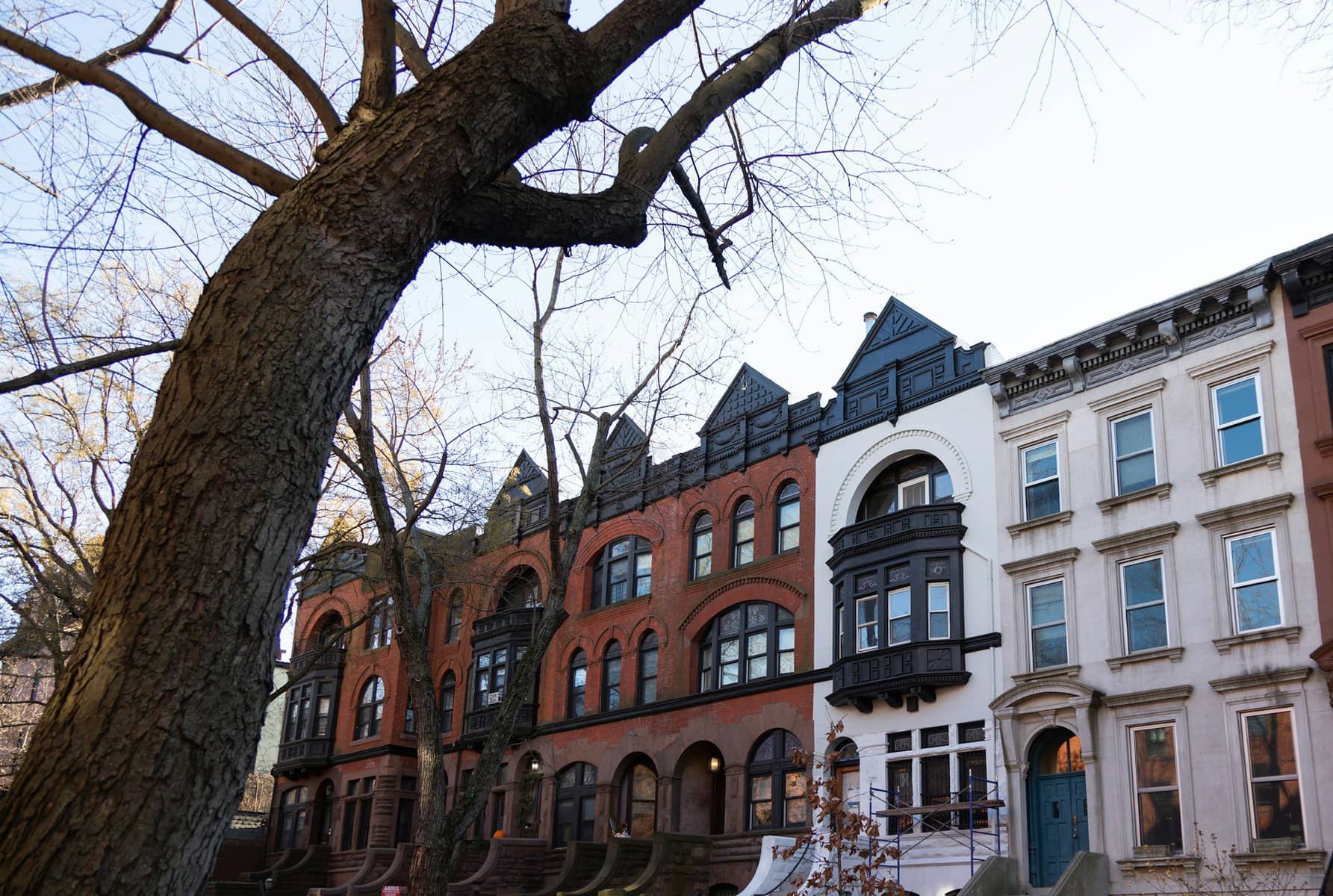
It is highly recommended to find accommodations within Manhattan itself. The island is filled with numerous accommodation options, all of which are not cheap. You can also stay in Brooklyn or Queens near a subway station.
Click here for a list of 12 excellent hotels in Manhattan…
Expert Tips for Travelers in New York
- Since the city's transportation is very easy and convenient with the subway (and buses too), there is no problem getting to any neighborhood or borough, definitely to the central parts of all the satellite boroughs
- From Manhattan, it's also worth venturing into the neighboring boroughs, whether it's the Prospect Park area in Brooklyn, the Flushing Meadows in Queens, or the zoo and botanical gardens in the Bronx
- In Manhattan, appearance is quite important, and in any case, New York is a stylish city. But for tourists – it's better to prioritize comfort over looks. Comfortable shoes are a must when touring New York City (preferably closed shoes, because you're still taking the subway)
- The experience of New York outside Manhattan can feel a bit strange, but you get used to it quickly. The boroughs are notable ethnic mosaics with some less pleasant areas that don't have too much to offer. On the other hand, places like Downtown Brooklyn have undergone certain gentrification processes and are definitely worth exploring, like the Park Slope neighborhood, for example
Map of New York City
Detailed Travel Itinerary
Day Trip 1: Prospect Park Area in Brooklyn and Coney Island
Prospect Park Area in Brooklyn
- Take the red line (lines 2 or 3) south from Times Square or Wall Street to the Grand Army Plaza subway station at the northern edge of Prospect Park in Brooklyn. We'll start the tour at Grand Army Plaza. This impressive square was originally planned as the official entrance to Prospect Park in 1870. The plaza's symbol is the grand Soldiers and Sailors Memorial Arch, a magnificent triumphal arch leading to the park's paths, erected in the square in 1892.
- We'll stroll a bit east and enter the Brooklyn Museum, featuring a collection of artworks from great European masters and a fascinating archaeology collection.
- From the museum, we'll head to the Brooklyn Botanic Garden in its southern part and visit the Cranford Rose Garden and the Japanese Garden, where each spring there's a spectacular blooming of cherry trees, as befits Japanese tradition.
- We'll enter Prospect Park and circle the lake that spans the entire southern part of the park, offering a variety of sports activities and the option to rent boats for a ride. The park is filled with charming stone and wooden bridges, expanses of grass and forested areas, statues and monuments, and even a lovely zoo.
- We'll exit from the west side of the park and take a stroll in the Park Slope neighborhood. We'll continue north on Fifth Avenue, the commercial center of the neighborhood, up to the Barclays Center, home of the NBA team Brooklyn Nets. From there, you can also take a short walk in the Prospect Heights neighborhood.
Coney Island
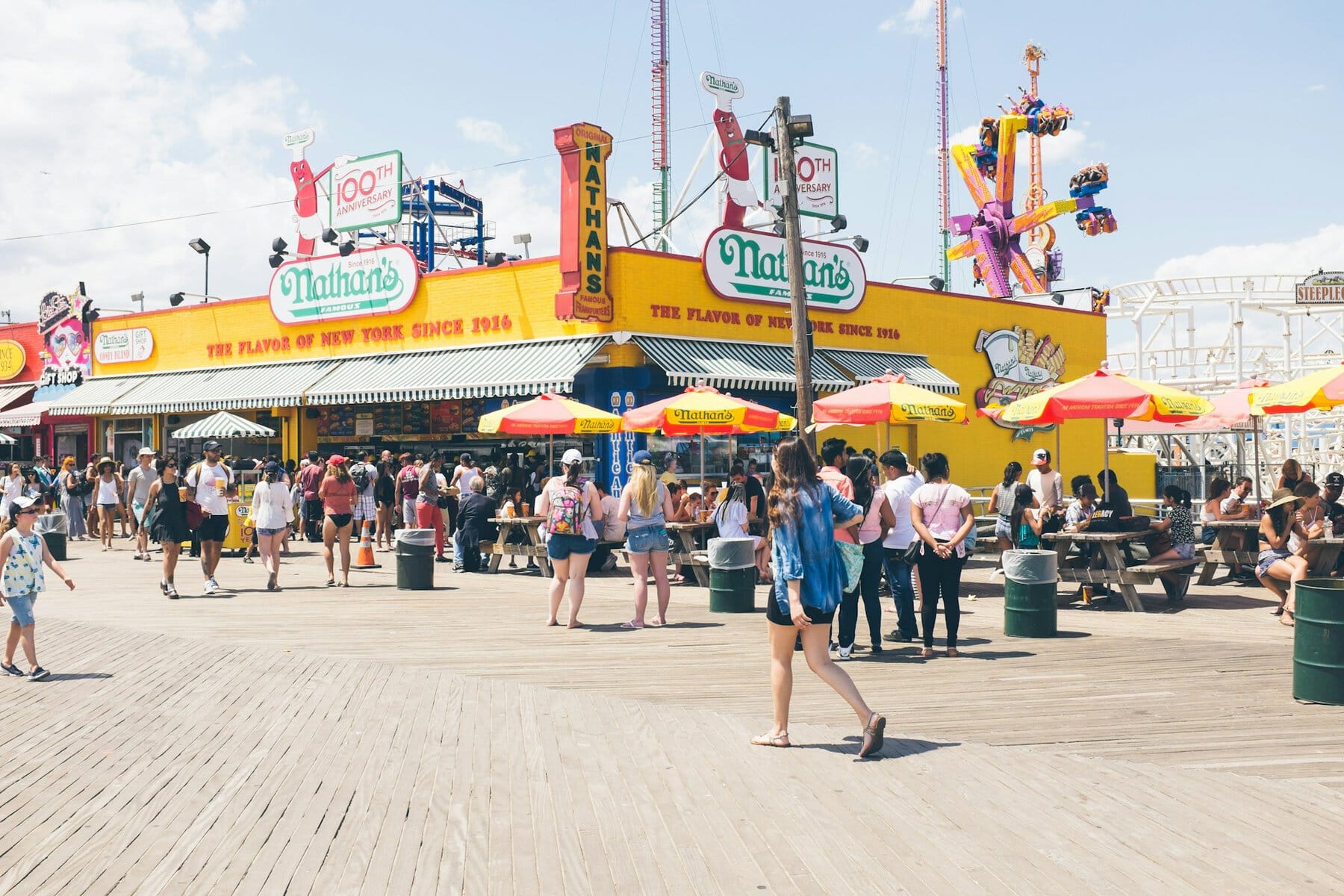
- From the western part of Prospect Park, we'll hop on the subway line F (the orange line) and head south to Coney Island. Coney Island's beach became a part of the New York City lifestyle with the neighborhood's development in the late 19th century. The long and wide sandy beach turned into a leisure destination for New Yorkers at the beginning of the 20th century when neighborhood houses were constructed along the beach. Along with the neighborhood's development, a long boardwalk was built along the beach, and soon entrepreneurs recognized its touristic potential, leading to the construction of facilities and attractions.
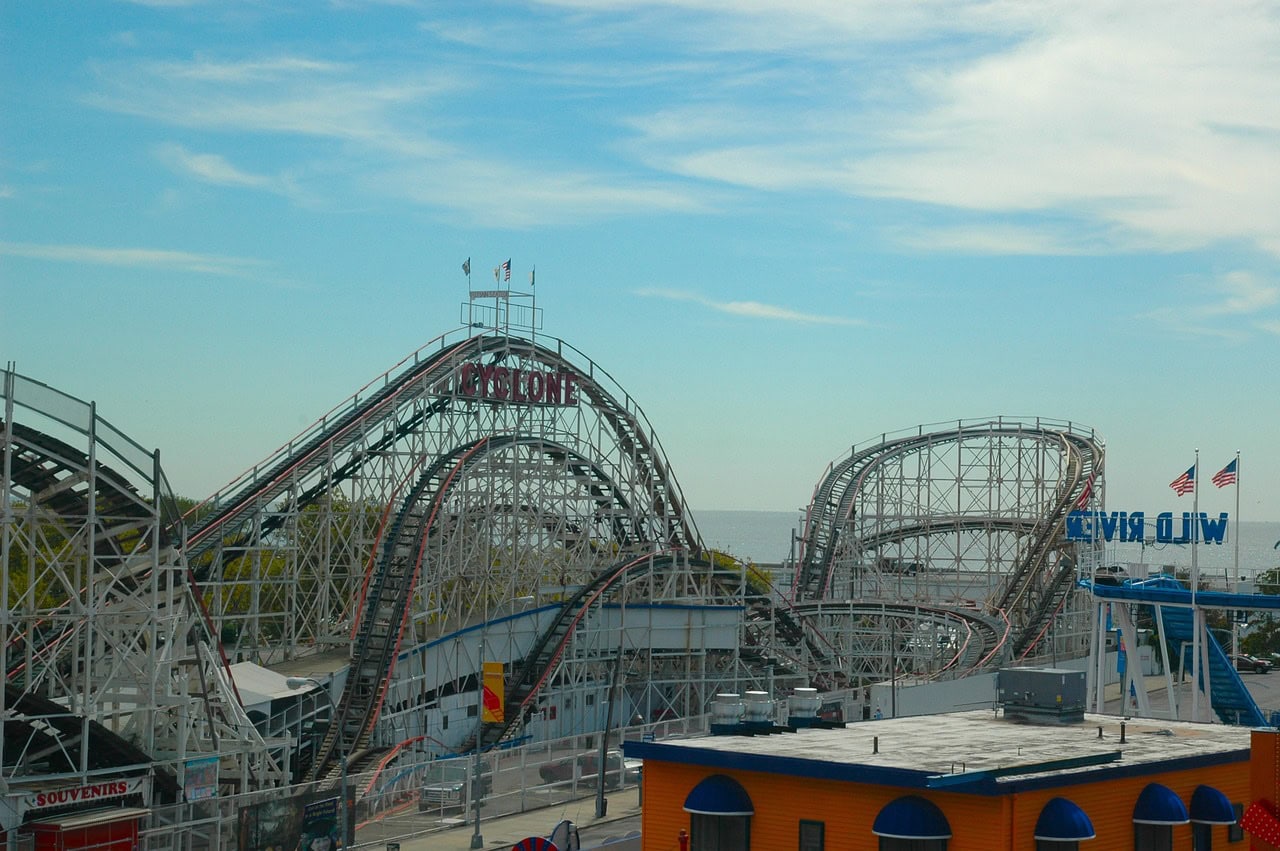
- Let's visit the three amusement parks along the boardwalk – Luna Park, Steeplechase Park, and Dreamland. This cluster of amusement parks was once the largest and most popular in the entire world, attracting a huge number of New Yorkers every day, especially on weekends. Luna Park became a generic name for amusement parks. It's worth entering the amusement park where some famous rides are still operational, such as Deno's Wonder Wheel Amusement Park's giant Ferris wheel and the famous Cyclone roller coaster.
- After that, you can head to the wide, sandy beach, which in the summer days is considered one of the favorite hangouts for locals to relax and unwind.
Day Trip 2: Northern Manhattan and the Bronx
Morningside Heights and Northern Manhattan
- We'll start the day touring the outer boroughs in the quieter parts of Manhattan. We'll get off at the 110th Street West subway station (the red lines) and walk north on Broadway towards the Columbia University campus. Two blocks from the station, we'll see the facade of Tom's Diner, one of the most iconic New York spots due to its appearance in the Seinfeld series (and which inspired the famous song by Suzanne Vega).
- We'll head east on West 112 Street and arrive at The Cathedral Church of St. John the Divine. The planned length of the basilica structure (cross-shaped) is almost 200 meters with a width of 50 meters in the main nave. Despite the traditional style of construction, there are many modern elements incorporated into the cathedral's decoration, such as the column capitals at the entrance which feature reliefs of the New York City skyline, including the Twin Towers.
- From the cathedral, we'll walk a bit north and enter the beautiful St. Paul’s Chapel situated in the eastern part of Columbia University's campus. The campus itself offers a respite from the noise and shadow of Manhattan's towers, featuring green spaces alongside neo-classical style buildings.
- From the campus, we'll head slightly north and west towards the Hudson River and reach The Riverside Church. The church's design is based on the massive architecture of the Chartres Cathedral in France. With its unusual appearance, the huge 120-meter bell tower makes the church a blend of a cathedral and a New York skyscraper from the thirties.
- Next to the church, we'll also visit General Grant National Memorial, which was designed after Napoleon's tomb at Les Invalides in Paris.
- From Grant's Tomb, we'll head slightly north to the 125th Street subway station on the red line and ride north to the Dyckman Street station. Crossing Nagle Avenue west, we'll arrive at Fort Tryon Park. The green park is situated on a historic hill that was part of the defense line of the American forces during the Revolutionary War.
- In the heart of the park lies the Cloisters Museum, one of the key museums in New York. It is a kind of branch of the Metropolitan with a display of significant medieval paintings. At the museum, don't miss the masterpiece “Triptych of the Annunciation” by the Flemish artist Robert Campin. This early piece by the master from Flanders set the stage for what we know as the Northern or Flemish Renaissance.
The Bronx
- From the Cloisters, we return to the subway at Dyckman Street (don't confuse it with the blue line station) and continue to the station at 242nd Street (Van Cortlandt). We disembark there and enter the western part of Van Cortlandt Park and head to the Van Cortlandt House Museum. From the house, we proceed east to the grand Woodlawn Cemetery.
- From the park and cemetery, you can continue to the New York Botanical Garden and the Bronx Zoo located slightly to the south (you can take the train one station south from the Williams Bridge stop). Keep in mind that visiting the botanical gardens and the zoo takes quite a bit of time, and afterwards, it's best to head back to Manhattan.
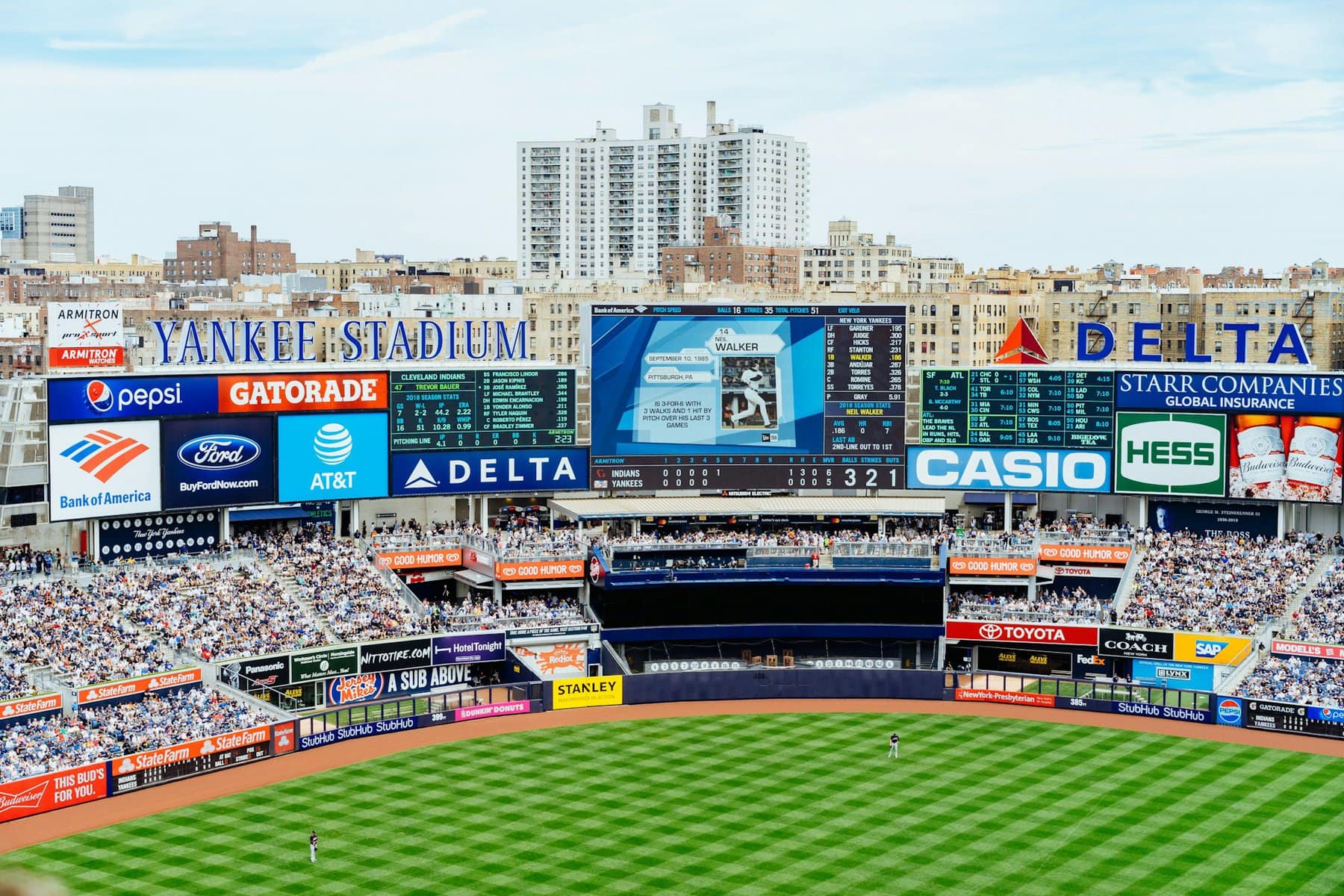
- From the eastern part of Cortlandt Park, you can take the green line down to the 161st Street or Yankee Stadium station. Yankee Stadium is the iconic city's home team stadium since 1923, with a capacity for 54,000 people. It's also the fictional workplace of George Costanza in Seinfeld.
Day Trip 3 (Half Day): Flushing Meadows Park in Queens
Queens
- From Times Square, we'll hop on the purple line of the subway (number 7) and head east, far from Manhattan. We'll begin our travel day by exiting at the Mets-Willets Point station, right next to Citi Field, the home stadium of the Mets, the Yankees' rivals in the MLS league. It’s where the legendary Shea Stadium once stood.
- From Citi Field, we'll head south to Flushing Meadows Corona Park, where the 1939 World's Fair was held (and the first headquarters of the UN). We'll enter the park and arrive at the cluster of tennis stadiums of the US Open tournament.
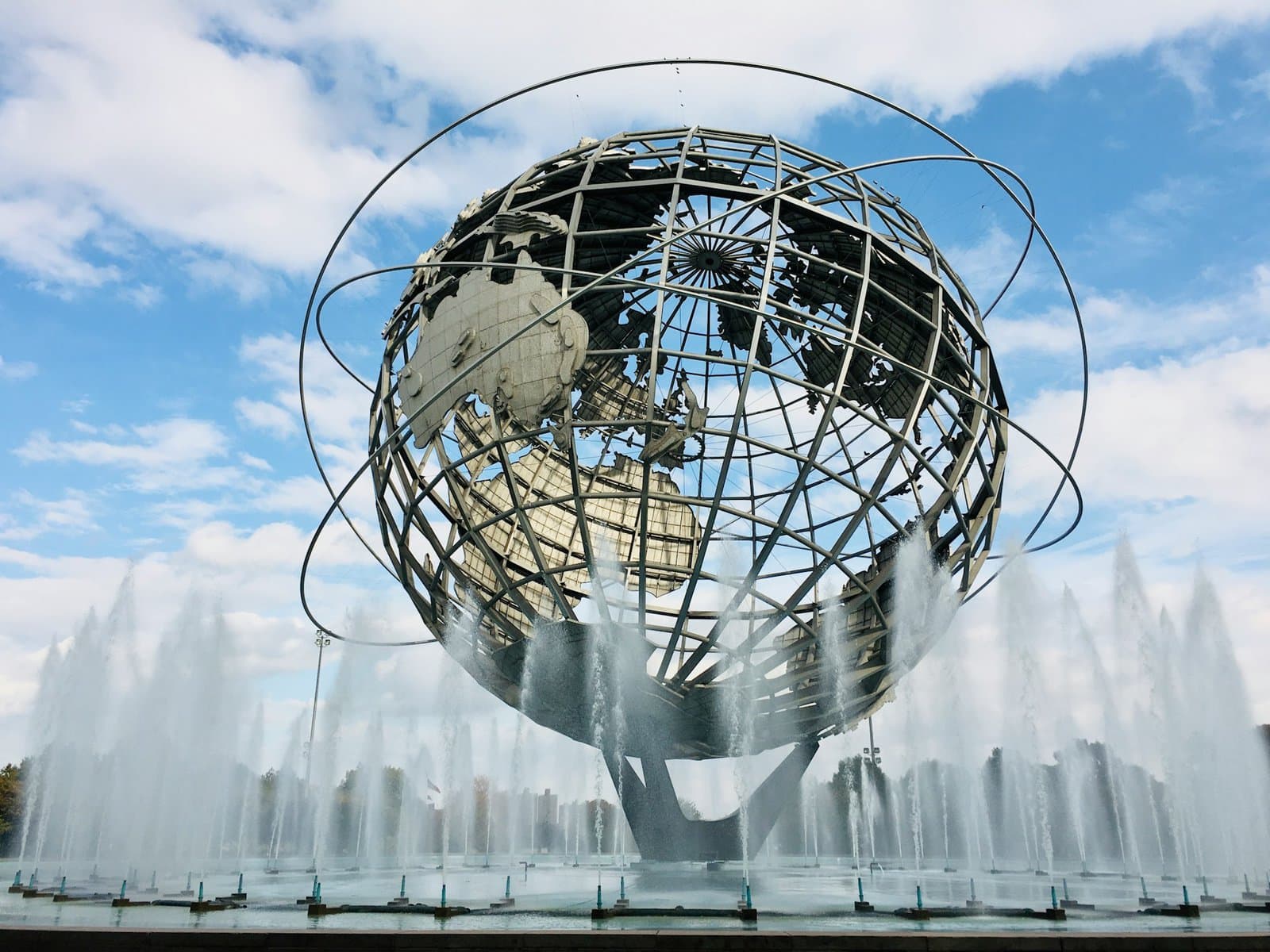
- From the tennis center, we'll head to the park's main square where the Unisphere, one of New York's most recognizable symbols, stands. It was built for the 1964 World's Fair. The Unisphere is a round globe model on a metal frame located at the heart of a pool and fountains that mask its base. Around the globe are several metal rings symbolizing orbit in space, and it was built as part of the Americans' preparations to fly into space. At the foot of the Unisphere was filmed the dramatic ending scene of the movie “Men in Black.”
- Opposite the Unisphere, we'll visit the round Fountain of the Planets. In the southern part of the park is the New York State Pavilion with two prominent observation towers above it.
- After the park tour, we'll return to the subway station and head back to Manhattan.