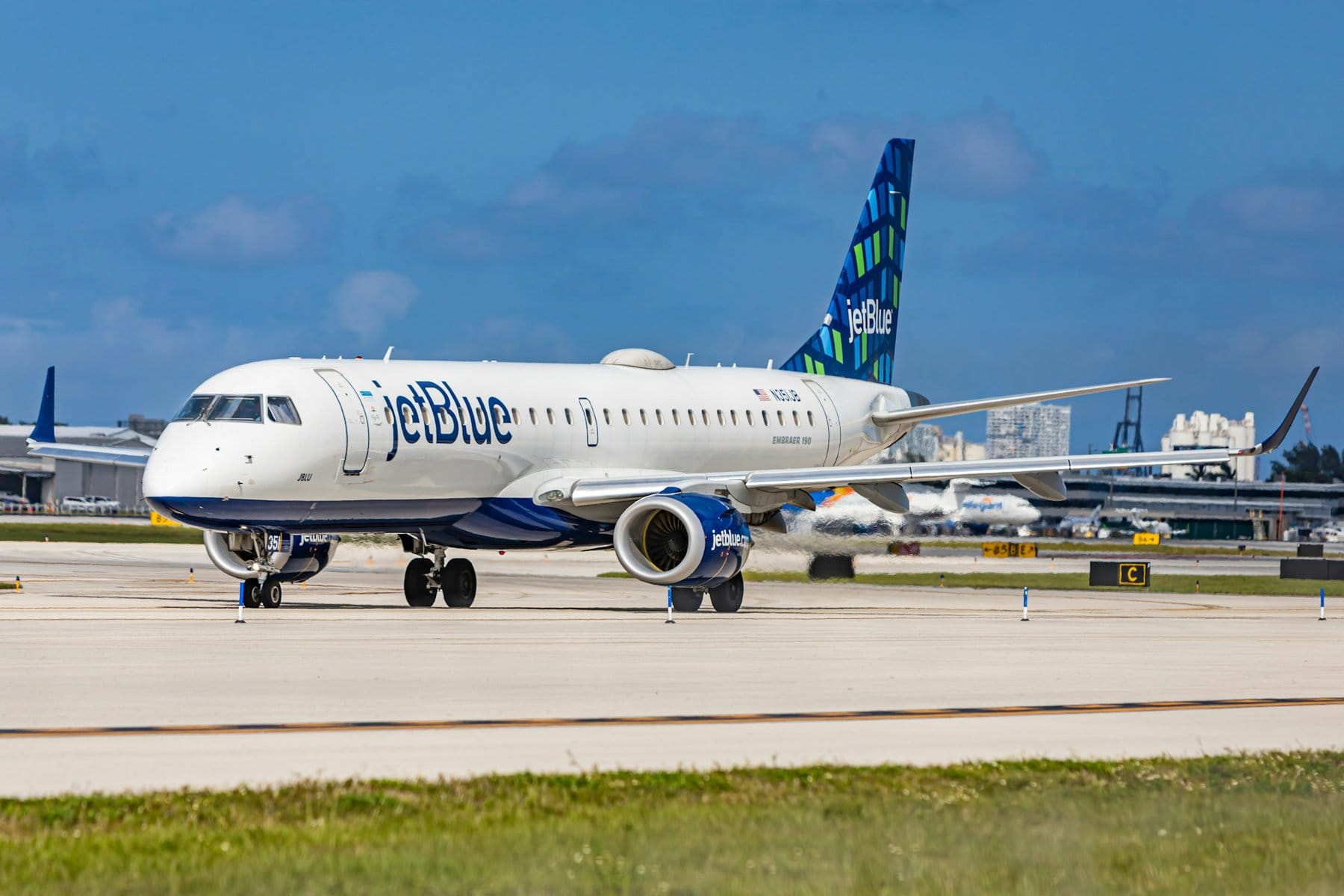
Miami and Miami Beach – The vibrant city of Florida
Miami is the largest and most significant urban center in Florida. The city is the heart of the massive metropolis stretching along the Gold Coast to Palm Beach. Miami is a vibrant city with a unique blend of Latin and Jewish influences, most purely expressed in Ocean Drive in South Beach. This part of Miami Beach is full of clubs and vibrant both day (on the stunning beach) and night. There's so much more to see around Miami, like Little Havana, Coconut Grove Village, and the cool Miracle Mile of Coral Gables.

How many days are needed for a trip to Miami?
For a trip to Miami, including downtown, the surrounding districts of the city center (Brickell, Coconut Grove, Little Havana, etc.), Miami Beach, and Coral Gables, you need at least three full days.
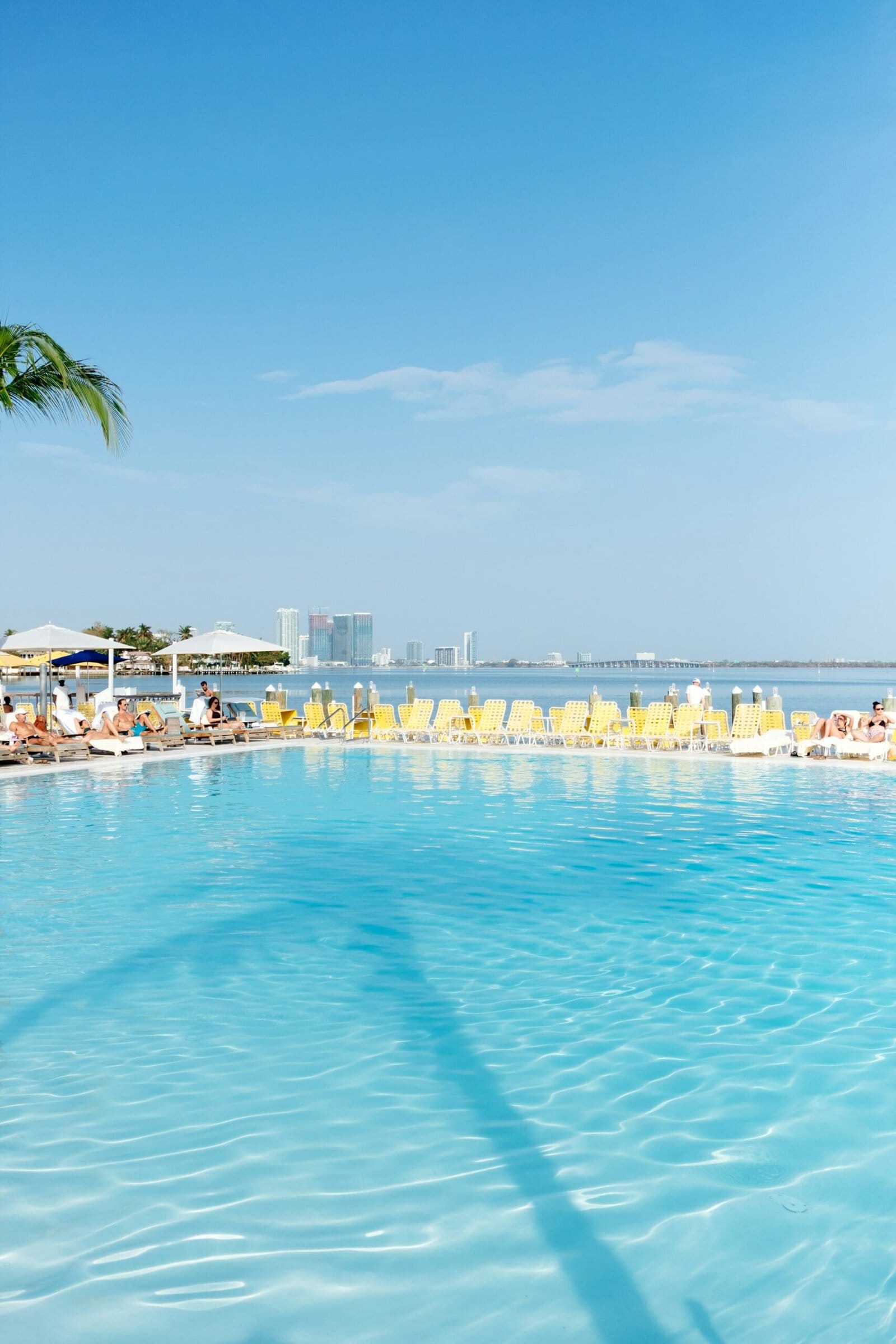
Obviously, you must find a place to stay in Miami:
Click here to check availability and prices for hotels in Miami…
Click here for a list of 10 great hotels and resorts in Miami…
Click here for a list of 8 amazing resorts for a vacation in Miami Beach…
14 Must-See and Do Things in Miami
- Lunch and fun at Lincoln Road in Miami Beach
- Dance the night away at the clubs on Ocean Drive, South Beach, and lounge on the stunning beach during the day
- Shopping under the shadow of downtown Miami's towers at Bayside Marketplace
- Luxury shopping on Miracle Mile in Coral Gables
- Shopping with celebrities in the heart of Coconut Grove Village
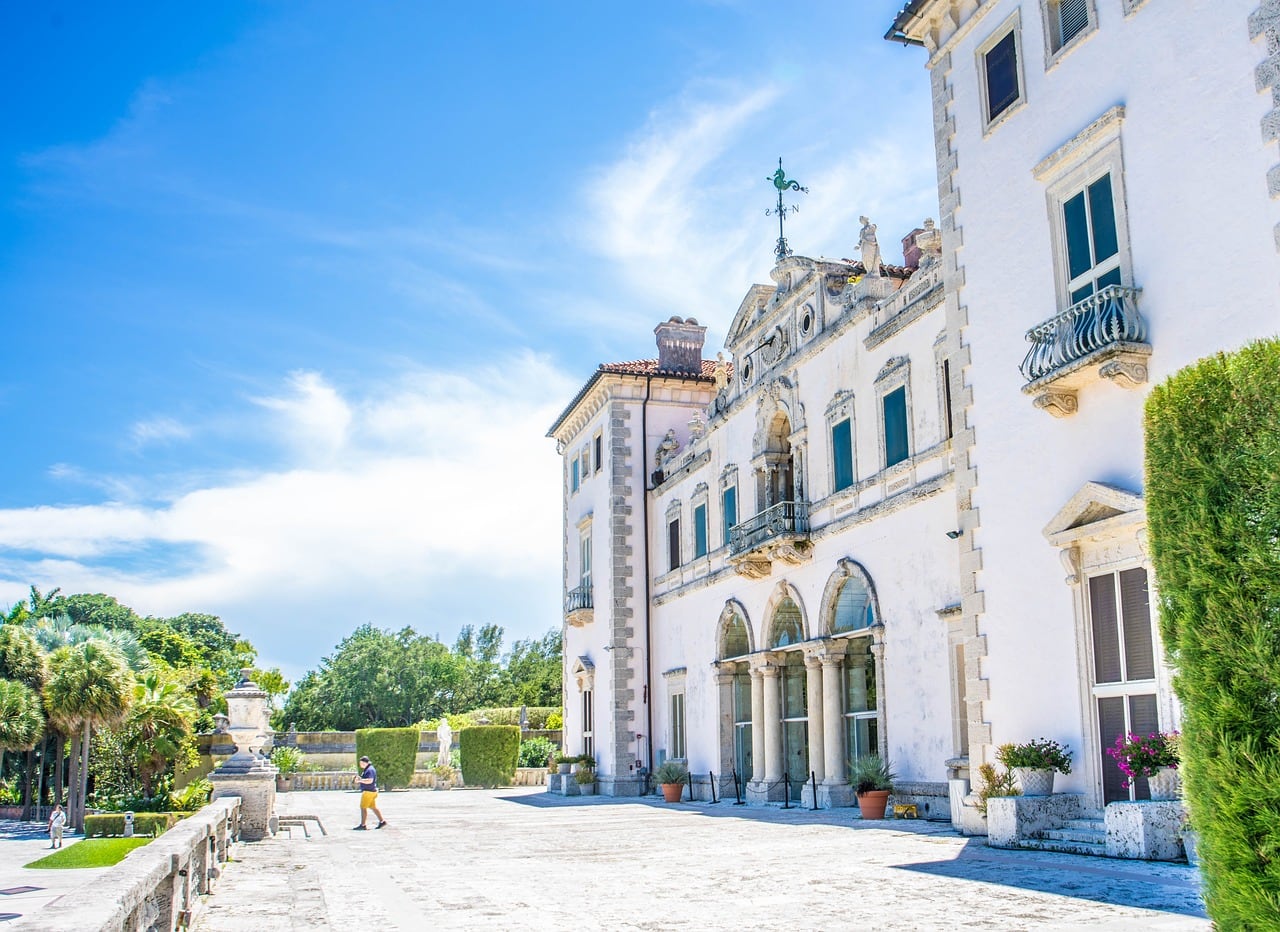
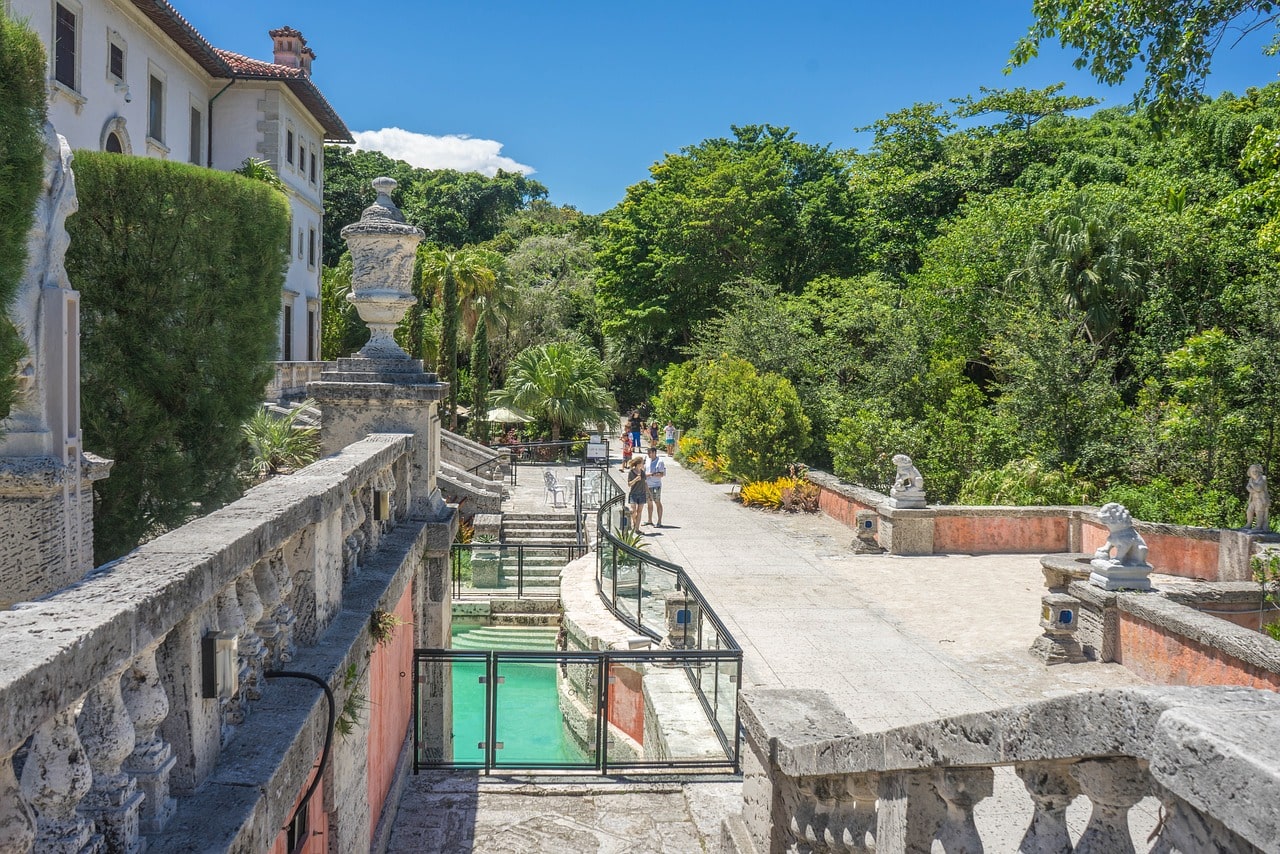
- Splendor at the Vizcaya Villa in South Miami
- Sea life at the Miami Seaquarium
- Tropical birds at Jungle Island Zoological Park
- Swim (or just admire) the Venetian Pool in Coral Gables
- Visit the magnificent Biltmore Hotel Palace
- History at Diner Key
- The Hand Sculpture of the Holocaust Memorial in Miami Beach
- Dolphin watching (if you're lucky) at Haulover Beach
- The Yiddish atmosphere and resort hotels in Mid-Beach
Click here for all the info on a trip to Miami Beach and South Beach…
Click here for a tour of all Miami sites, Downtown, and nearby districts…
What is Miami?
- Miami is the heart of the largest and main metropolitan area in Florida and the entire southeastern part of the USA (approximately the same size as Atlanta's metropolitan area in Georgia).
- About half a million people live in Miami itself (nearly a million live in Jacksonville to the north), but the giant metropolitan area is home to nearly seven million.
- The Miami metropolitan stretches along the Atlantic coast from Homestead in the south to West Palm Beach in the north, along what is called Florida's Gold Coast.
Click here for a boat tour among the celebrity homes in Miami Beach…

Miami is a very new city; its center and the entire metropolitan were built during the 20th century.
This is a very international city in character, with a large portion of its population being Spanish-speaking. The city is the gateway to the USA from the Caribbean, home to many immigrants from Cuba, Puerto Rico, Haiti, Jamaica, and other small islands.
The city's weather is still Caribbean with a tropical nature, extremely hot and humid in the summer and delightfully pleasant throughout the rest of the year.
Click here to purchase online tickets for the Seaquarium…
Miami of Today
- The international atmosphere of the city also includes a huge Jewish community, most of whom arrived as part of the sun migration upon reaching retirement age.
- The Jews are an important part of the fabric of the city and the whole Gold Coast.
- The Miami area is the third-largest Jewish center in the USA after New York and Los Angeles.
- The traditional Jewish areas are Miami Beach, Aventura, Hollywood, and Boca Raton, but Jewish communities and individuals are spread throughout the entire metropolitan area.
Click here for all the information on car rental in the USA + useful tips and substantial discounts…
Miami, and especially Miami Beach, have significantly developed after many retirees from New York and Northern USA started buying vacation homes there. Since New York is so Jewish, many of those purchasing homes in Miami were Jewish.
Miami is an important city commercially and transportation-wise, with a massive port, a major airport, and a central hub for the Caribbean cruise industry.
To rent a SUP in Miami, click here…
Map of Miami
How to Get to Miami?
How to Fly to Miami?
Miami Airport
Miami Airport, coded MIA and officially named Miami International Airport, is conveniently close to the city. It's about 10 km from downtown and about 15 km from Miami Beach. For the northern parts of the metropolitan area like Fort Lauderdale and Boca Raton, the drive will take about an hour.
The airport is a major hub for flights to South America and the Caribbean islands, as well as destinations in Europe and the rest of the US. Most scheduled flights to key world destinations depart from here. Direct flights from Israel land here, and it's also a key address for those planning connecting flights to major destinations in South America. It's a very large airport but not enormous, offering all the usual services found in American airports.
Click here to search for cheap flights to Miami…

Fort Lauderdale Airport
Fort Lauderdale Airport, designated as FLL and officially called Fort Lauderdale Airport, is located slightly south of the city center, about half an hour north of Miami. It's essential to check flights to this airport as well since most low-cost flights land here, and, indeed, domestic flights are generally cheaper here.
For those arriving on a domestic flight and planning to stay in the northern parts of the metropolis, landing at Fort Lauderdale is much more convenient, and reaching northern destinations in the metropolis is very quick and avoids the traffic jams when leaving Miami northwards. Although the train line seems to pass through the airport, it actually runs about 2 km west of it, and the train station is on Highway 95, from which you'll need to take a free bus to or from the airport. It's particularly inconvenient on a hot day, during rain, or if you have a lot of luggage.
How to reach Miami by car?
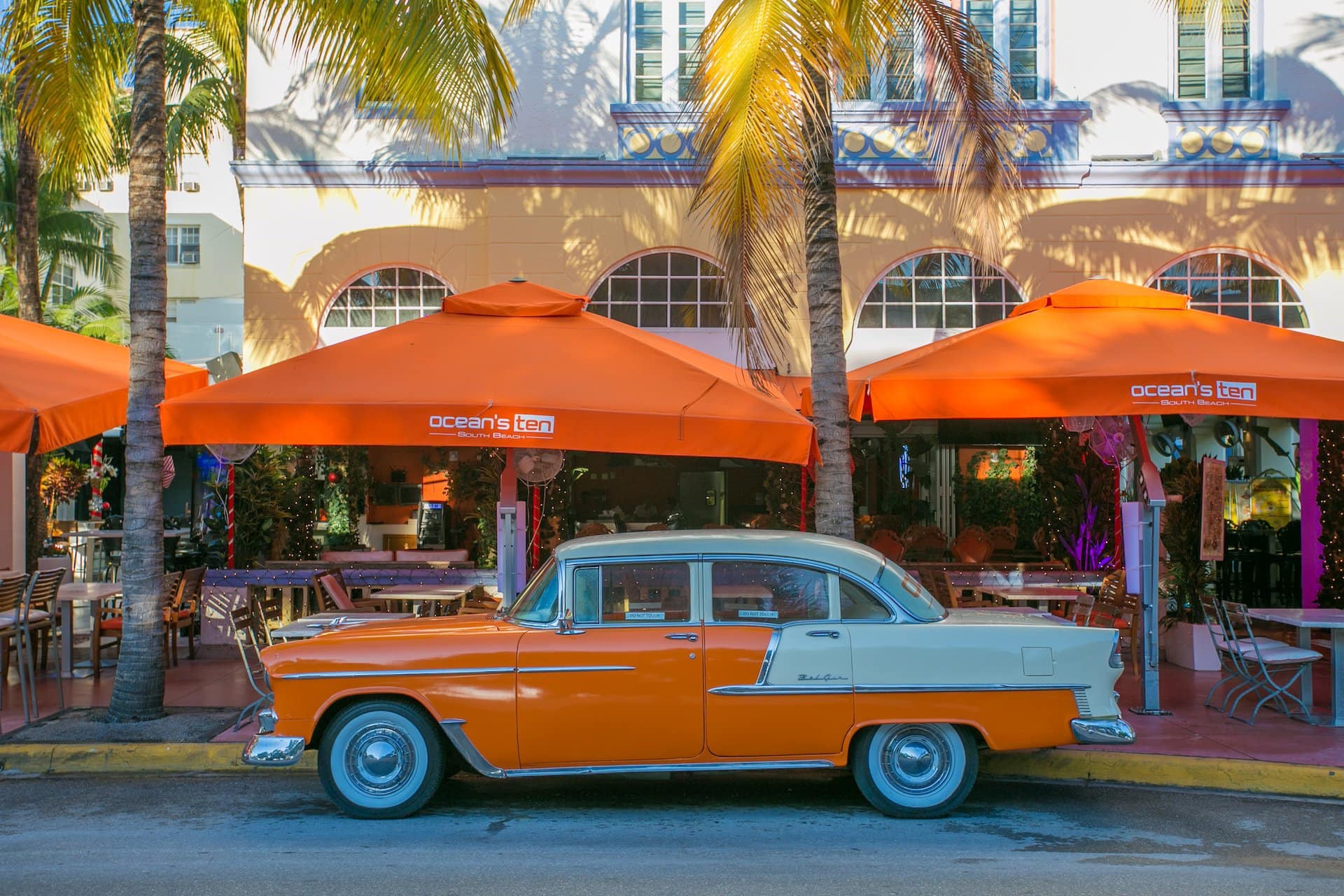
Since Miami is an end destination, located at the southernmost tip of Florida with only sea or swamps beyond, reaching it by car is usually the last stop before flying home or traveling to another major city in the USA where the trip will continue.
Alternatively, those starting their trip in Miami can undoubtedly continue north to other destinations in Florida (like Orlando) and then further, for instance, on a road trip along the east coast of the USA.
Click here for a half-day tour to the Everglades (departing from Miami)…
- The main highway running through the entire Miami metropolitan area and reaching up to New York is I-95
- This highway is congested for most of the day and very busy, but it is the main thoroughfare of the metropolitan area
- The highway that travels west to the western side of Florida through its desolate and swampy center is I-75, and it is also a toll road
- Highway 1 is the road running along the eastern Seaboard of Florida, and A1A is the highway that runs the full length of Florida's coasts like Miami Beach, then later Palm Beach, and in many parts, it merges with Highway 1
- This is an urban road with traffic lights, so it's pretty slow. On your way to almost any point close to the beach, you'll drive on parts of it
- It's also recommended for those who want to get to know the metropolis up close and take a drive at least from Miami Beach to Boca Raton to experience the different characters of the northern coastal suburbs. The travel time will be much longer than on I-95, but along the way you'll find quieter and less famous beaches and towns
Click here for Jet Ski rental in Miami…
There's a train to Miami from northern parts of the USA, but like most train services in the US, they are inconvenient and very slow, primarily designed for freight rather than passengers. Therefore, it's not recommended to arrive in Miami by train.
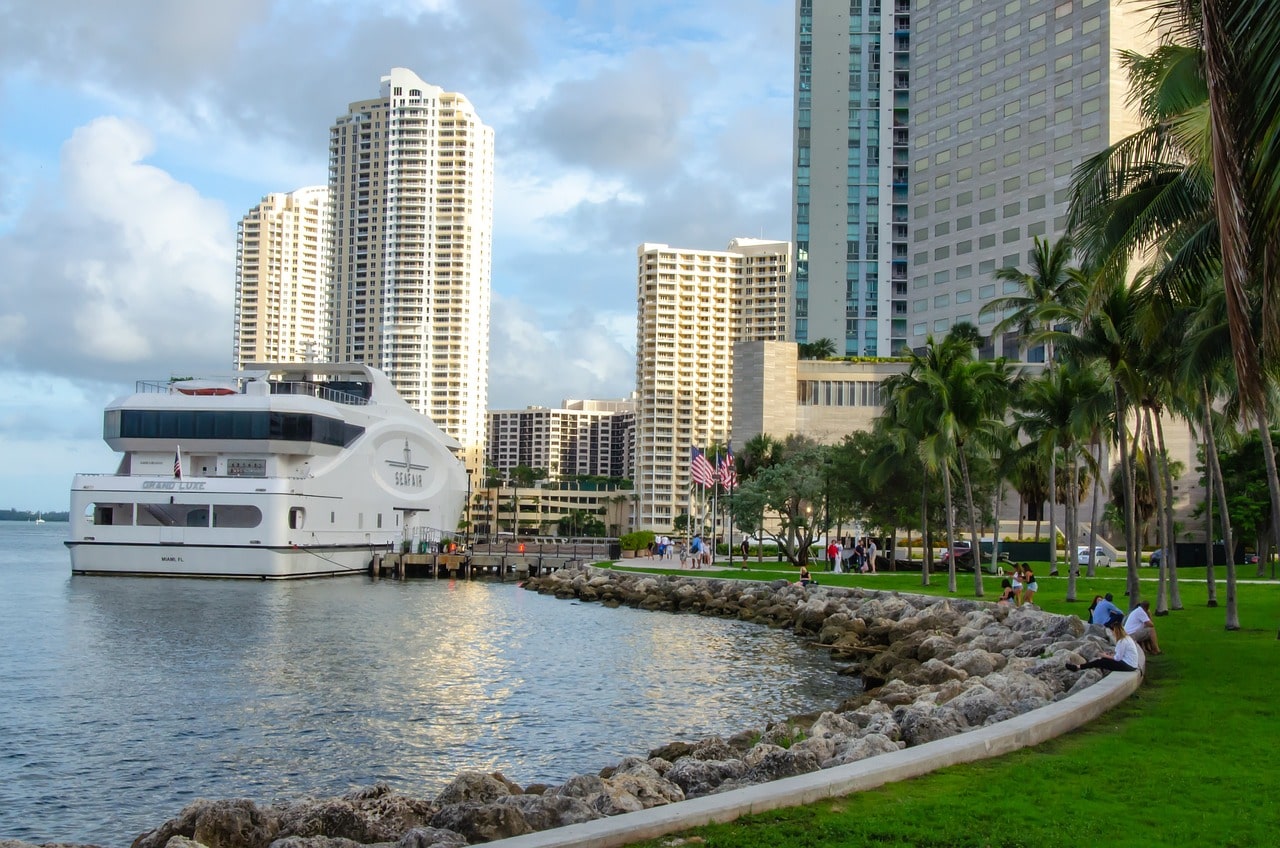
Arriving in Miami by Sea
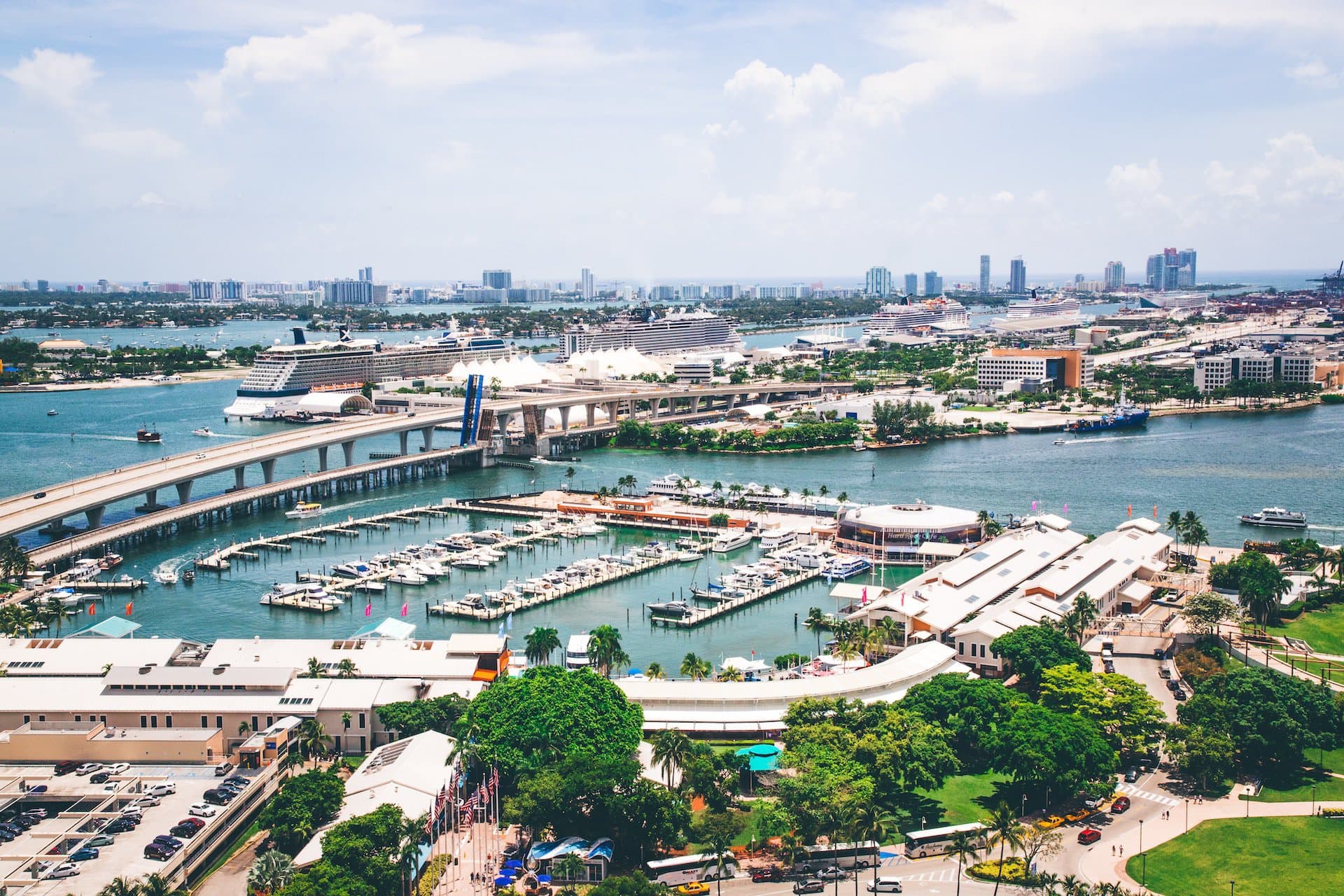
The Port of Miami is the largest cruise port in the world. Although most cruises depart and return to this port in a circular route, there are also cruises where people disembark here and continue their journey by flight to their final destination or stay for a few days in the city to rest after long days at sea.
Click here for a day trip to the Bahamas Islands by a ship departing from Port of Miami…
Car Rental in Miami
To get from the airport to the city, most travelers to Miami or Florida, in general, will rent a car as it is the most convenient way to get around any point in the city or state. Miami is car-friendly, and although there is a train line, you really can't get around by public transportation.
In Miami, like in other parts of Florida, there are toll roads. One is already present when exiting the airport to the city, so it's very important to ensure your car has the ‘Sun Pass', which is the chip that toll road cameras can detect.
When to Visit Miami?
- The best time to visit Miami is during the winter and spring seasons when the weather is stable and exceptionally pleasant.
- Winter in Florida is arguably the most perfect weather in the entire western world. Temperatures in winter are very pleasant, around 20 to 25 degrees, and there's not much rain. That's why hordes of tourists flock to the Gold Coast to spend their winter in the warmth and sunshine of Florida.
- Unlike the pleasant winter, summer in Florida is quite tough. The temperatures are high and the humidity is simply dreadful.
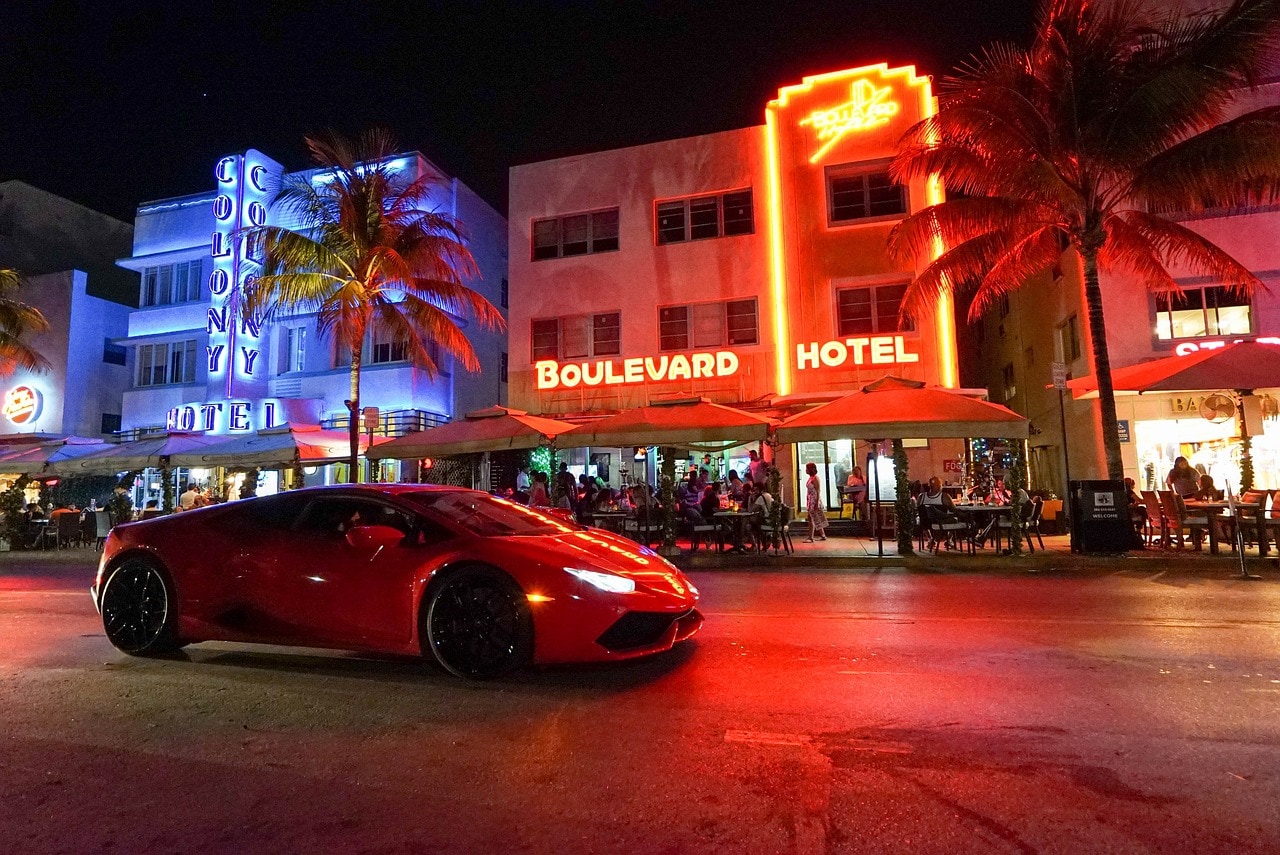
- Although the summer weather is harsh, Miami is a big party in summer. As the scorching sun settles down and the afternoon showers end, the city lights up in neon, turning parts of it into one big street party.
- As August approaches, the humidity rises and around 3:00 PM, a downpour starts that lasts over an hour, breaking the humidity.
Click here to purchase a combo ticket for the Skyviews Ferris Wheel and the HistoryMiami Museum…
From late spring through fall, significant tropical storms can hit Miami and all over Florida, occasionally including hurricanes that greatly impact the Atlantic coastline. Miami is vulnerable to hurricanes, and if one is on a collision course with the city, it's advisable to evacuate (hurricane paths can be known several days in advance).

How to Plan a Travel Itinerary in Miami?
Miami Beach Travel Itinerary
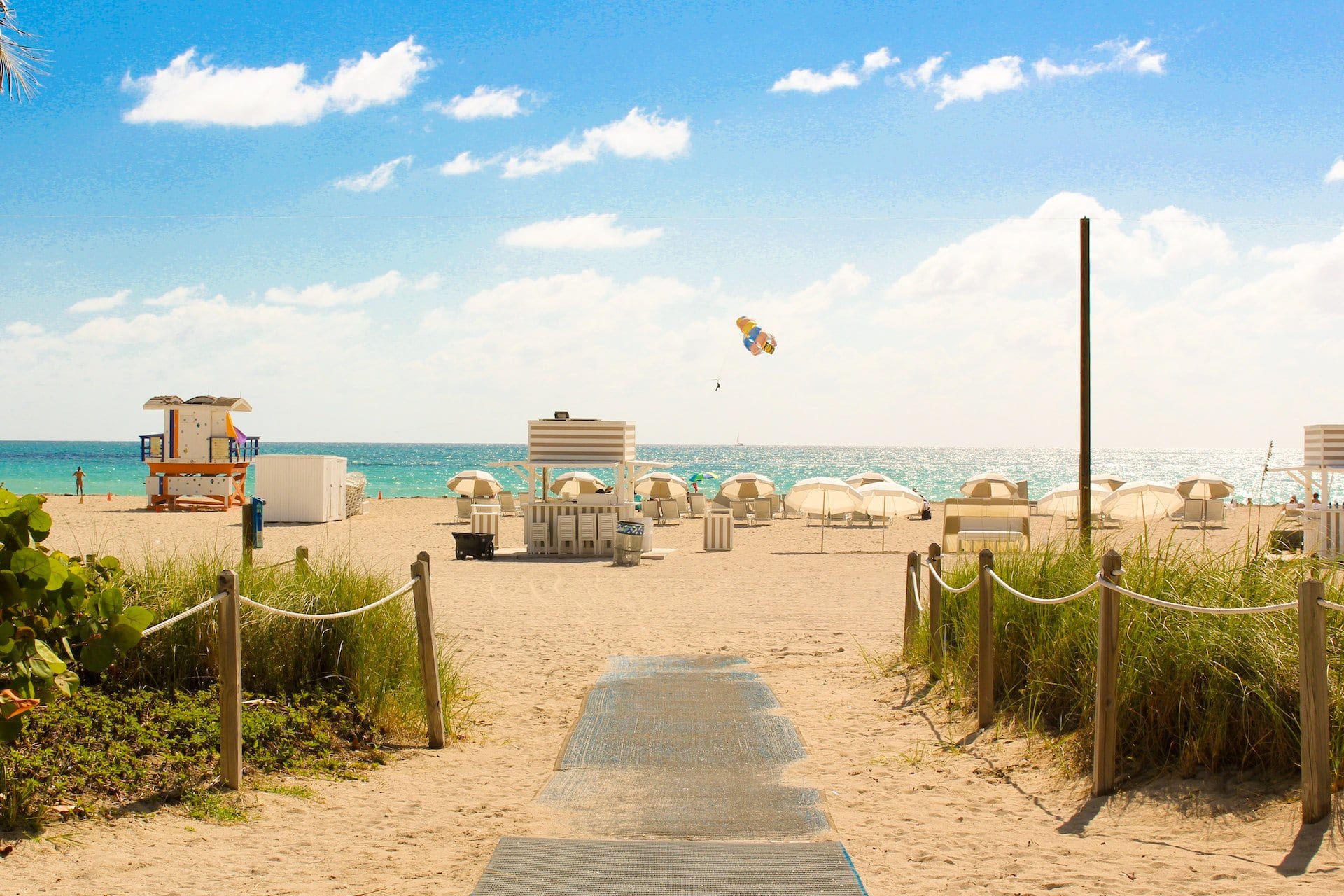
The trip in Miami Beach is relatively simple and includes a mix of driving and walking tours. The city's main thoroughfare is Lincoln Way, a shopping street filled with entertainment spots and stores, where it's also recommended to stop for lunch. Another focal point in the city is its long, sandy beach.
- It's worth driving on the main avenues like Ocean Drive and Washington Avenue to admire the city's unique Art Deco buildings.
- In South Beach, there are several attractions like the Jewish Museum and the Wolfsonian Museum.
- In the Lincoln Road area, there are additional attractions such as the Holocaust Memorial and the Bass Museum.
- It's also worth driving north on the elongated island towards Hollywood to experience the beautiful beaches and resorts in the northern part of the city.
Click here for itinerary planning in Miami and professional consultation…
Itinerary in Downtown Miami and Surrounding Neighborhoods
Begin your Miami tour in the city's financial center, among the tall skyscrapers of downtown. The Miami port area has been developed, particularly around the Bayside Marketplace, which has become the main entertainment spot in downtown.
- Not far from the open mall over the yachts, you can find museums such as the Frost Science Museum and Planetarium, and the Perez Art Museum.
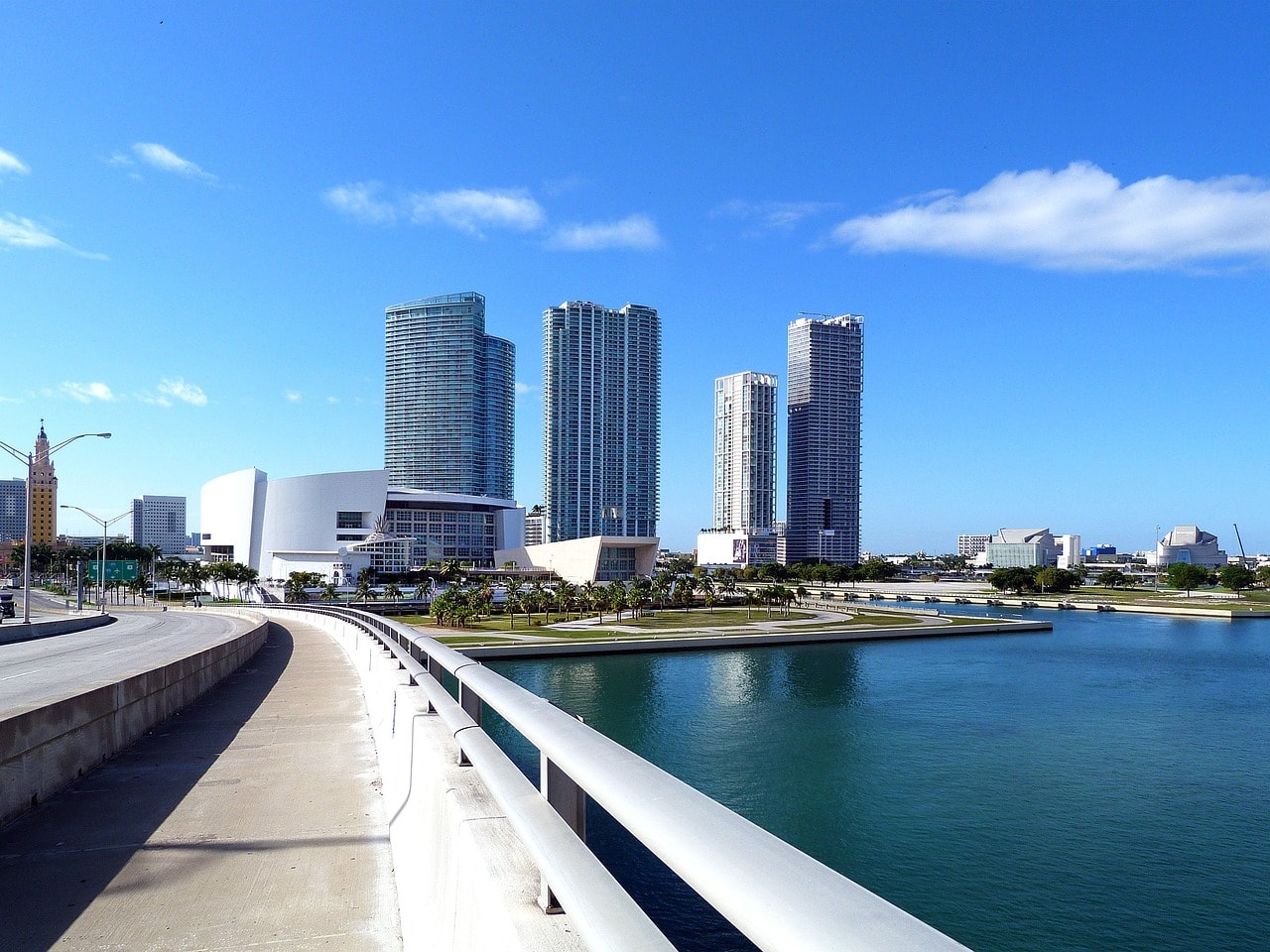
- Nearby the mall is also the home stadium of the Miami Heat and Bayfront Park.
- South of Downtown lies the Brickell neighborhood, and to the west, Little Havana, the Cuban experience in America.
Apart from Downtown and its adjacent satellite neighborhoods, south along the Atlantic coast, lies the Coconut Grove area, Miami's trendy region. Here you'll find the Vizcaya Villa, and further south is Dinner Key, home to Miami's city hall. Adjacent, Coconut Grove Village is undoubtedly the most fun and glamorous hangout area in Miami.
Coral Gables Tour Route
West of Miami is the city of Coral Gables, which hosts plenty of sites worth visiting.
- The heart of the city (actually a Miami neighborhood) is the Miracle Mile, a particularly trendy long boulevard of luxury shopping, restaurants, and entertainment.
- To the west are the city's historic sites, such as Merrick House, the Venetian Pool, and the splendid Biltmore Hotel at the city's edge.

Everything You Need to Know About Accommodations in Miami
Staying and vacationing in Miami is an intense and especially fun experience. In Miami Beach and near Downtown Miami, there's an unbelievable number of accommodation options, from luxurious resorts on the most golden beaches, to four and three-star hotels with an urban vibe offering city experiences at a much more affordable price.
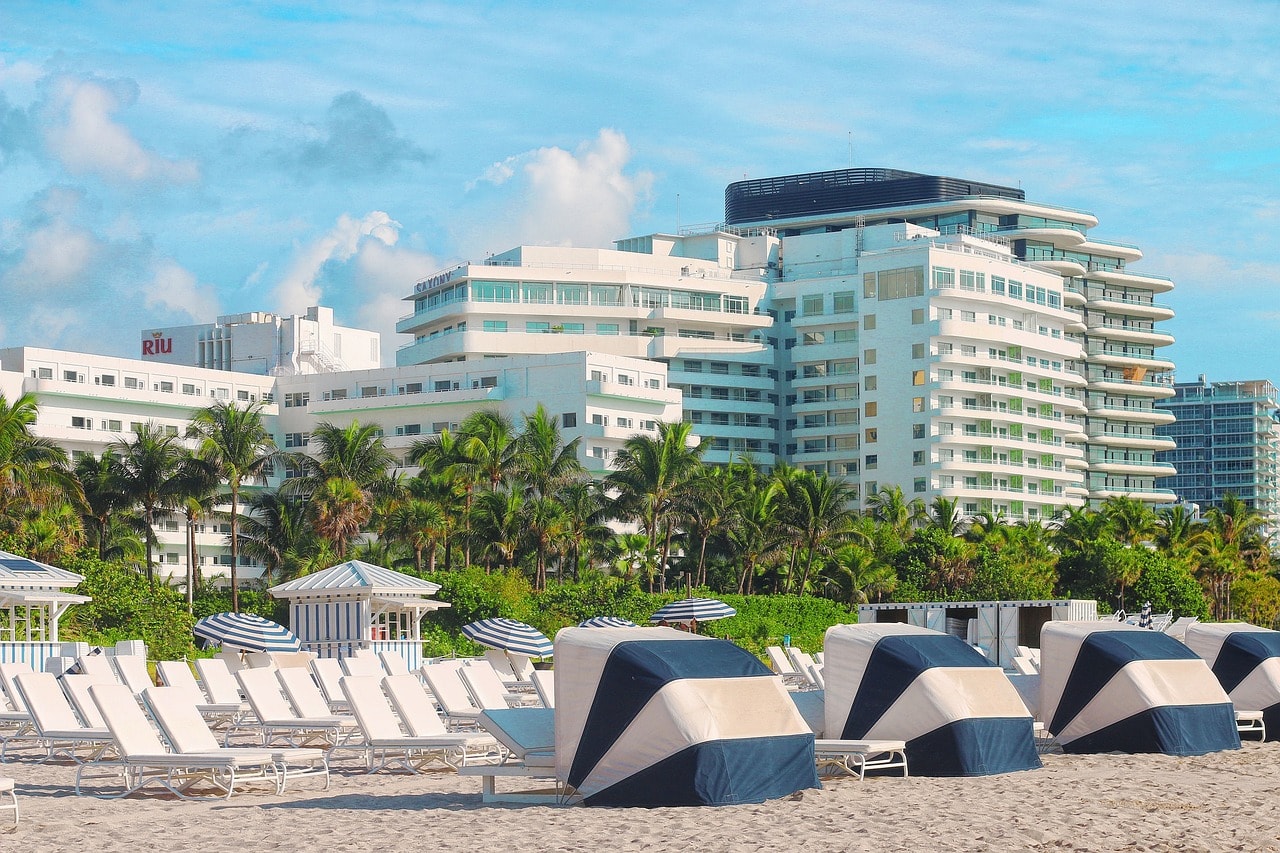
On Miami Beach's Ocean Drive, the further south you go to South Beach, the closer you get to the heart of the city's almost legendary nightlife that wakes up after sunset in the summer (it's just too hot during the day!). Along the shore to the north, you'll find luxurious resorts and beachfront hotels for relaxation.
Click here for all information and tips on accommodations and hotels in Miami and Miami Beach…
The Best Neighborhoods to Stay In Miami
Here are the 5 areas we think are the best for staying in Miami:
- Ocean Drive in Miami Beach – the hub of entertainment and nightlife in Miami
- Brickell and Downtown Miami – historic and significant institutions in the heart of the city
- Bal Harbour – pure relaxation on the beach or by the pool
- Sunny Isles Beach – ocean serenity at great beachfront hotels
- Coral Gables – vibrant urban atmosphere just outside Miami
Map of Accommodation Areas in Miami

Everything to See and Do in Miami Beach
South Beach in Miami Beach is one of the most beautiful and vibrant beaches in southern Florida. The southern neighborhood is a fun travel destination for party and club enthusiasts, especially in the Ocean Drive entertainment areas.
Just a bit to the north, the center of Miami Beach is the bustling pedestrian street of Lincoln Road, with several interesting attractions and museums nearby. Miami Beach is a city that combines leisure with fascinating sites, most notably the captivating Holocaust Memorial as a symbol of the importance and centrality of the Jewish community in the city.
Click here for all the information on traveling in Miami Beach and South Beach…

What is Miami Beach?
Miami Beach is a large resort city located just across from the official downtown of Miami city. Approximately eighty thousand residents live in Miami Beach, throughout the barrier island located east of Miami. Between Miami and Miami Beach lie the lagoon waters of Biscayne Bay.
Click here for a guided flight over South Beach on a light plane…
- The city was founded in 1915 as a luxury residential area outside the mainland
- Like every barrier island in Florida, Miami Beach is also at increased risk of hurricane strikes, and a strong hurricane in 1926 hit the city and caused significant damage
- In the 1930s, the city began to redevelop, and many homes were built in the Art Deco style
- Over the years, Miami Beach also suffered from decay, and a few decades ago experienced neglect similar to Miami itself, as the wealthy fled north towards Palm Beach and the Gold Coast cities, while the metropolitan areas of Miami filled with a weaker population and many immigrants from Latin America and Cuba.
- In the last twenty years, Miami Beach has undergone gentrification; a stronger population has returned to live there, especially in South Beach.
- Today the city is a fascinating mix of Latin population, LGBTQ community, and many Jewish seniors. The city is full of entertainment venues, resort hotels, and all the fun Florida has to offer.
- Significant parts of South Beach are part of the young people's entertainment world, and the atmosphere in this part of the city is very youthful. South Beach's beach is the daytime afterparty of the island's party scene; it's noisy and crowded.
- As you move north, the beaches become more serene, and the atmosphere is much more peaceful.
Click here for a sunset cruise on Biscayne Bay…
South Beach
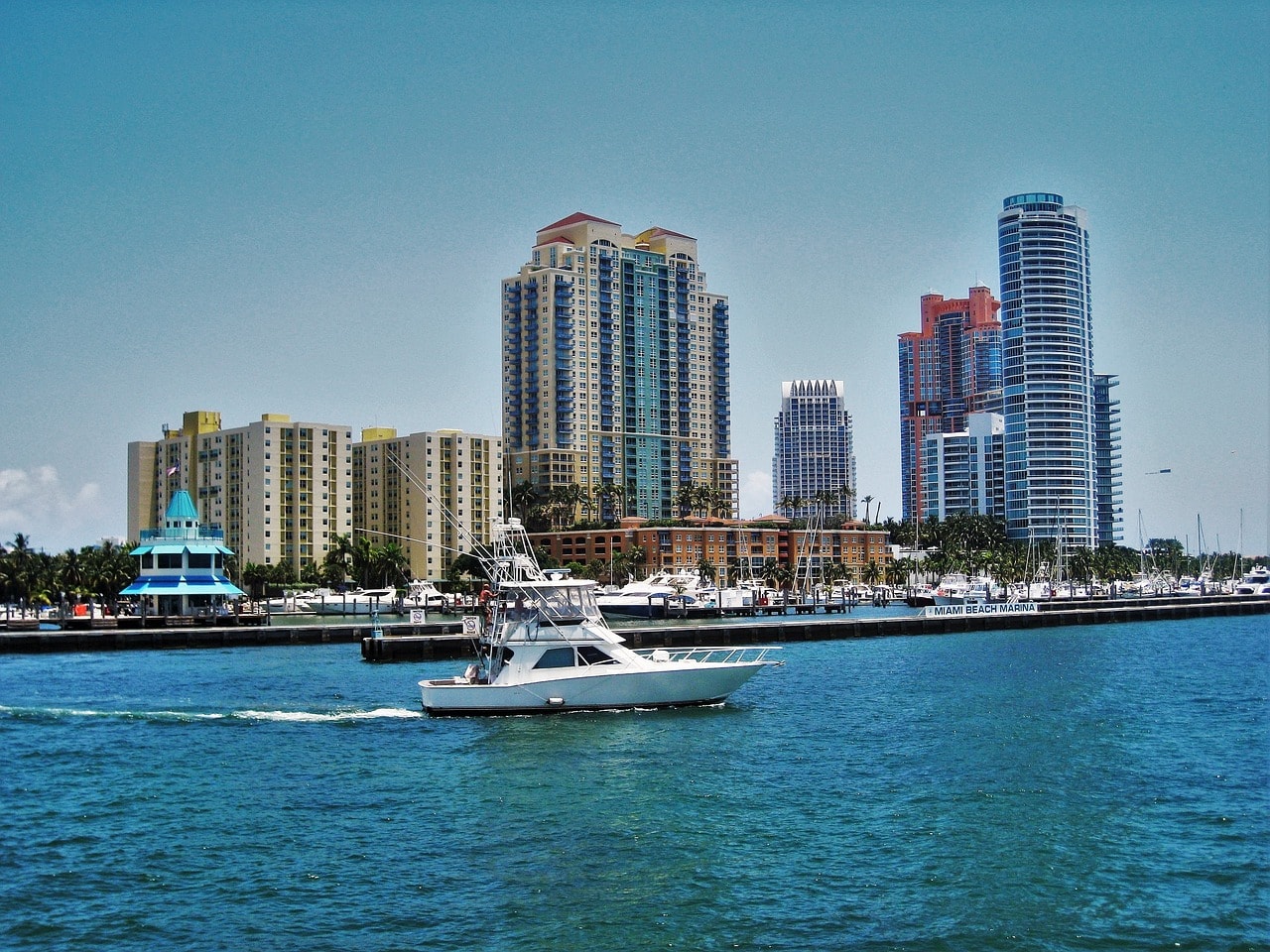
The southern beach, or South Beach (SoBe), is the most famous area and the main entertainment and tourism hub of Miami Beach. In the past, it was considered very dangerous, but since the 2000s, it has become much safer. The dark days of South Beach still peek through here and there on the streets, so stay focused when touring.
Click here for a guided tour of all the secrets of nightlife in Miami Beach and South Beach…
In the westernmost part from the sea, there are many shops, giving it an urban vibe. You can also feel a strong Jewish presence here. The district was built in the early decades of the 20th century in an Art Deco style, and to this day, it features hundreds of buildings characterized by this distinctive decorative style. South Beach is also known as the Miami Art Deco District.
South Beach starts from 23rd Street and extends southwards to South Point Park. The beaches here are beautiful, and on Ocean Drive, you'll find the famous bars and clubs of South Beach. You can learn about South Beach's unique architectural style at the Art Deco Welcome Center, located at the intersection of 10th Street and Ocean Drive.
Downtown Miami and the Surrounding Districts
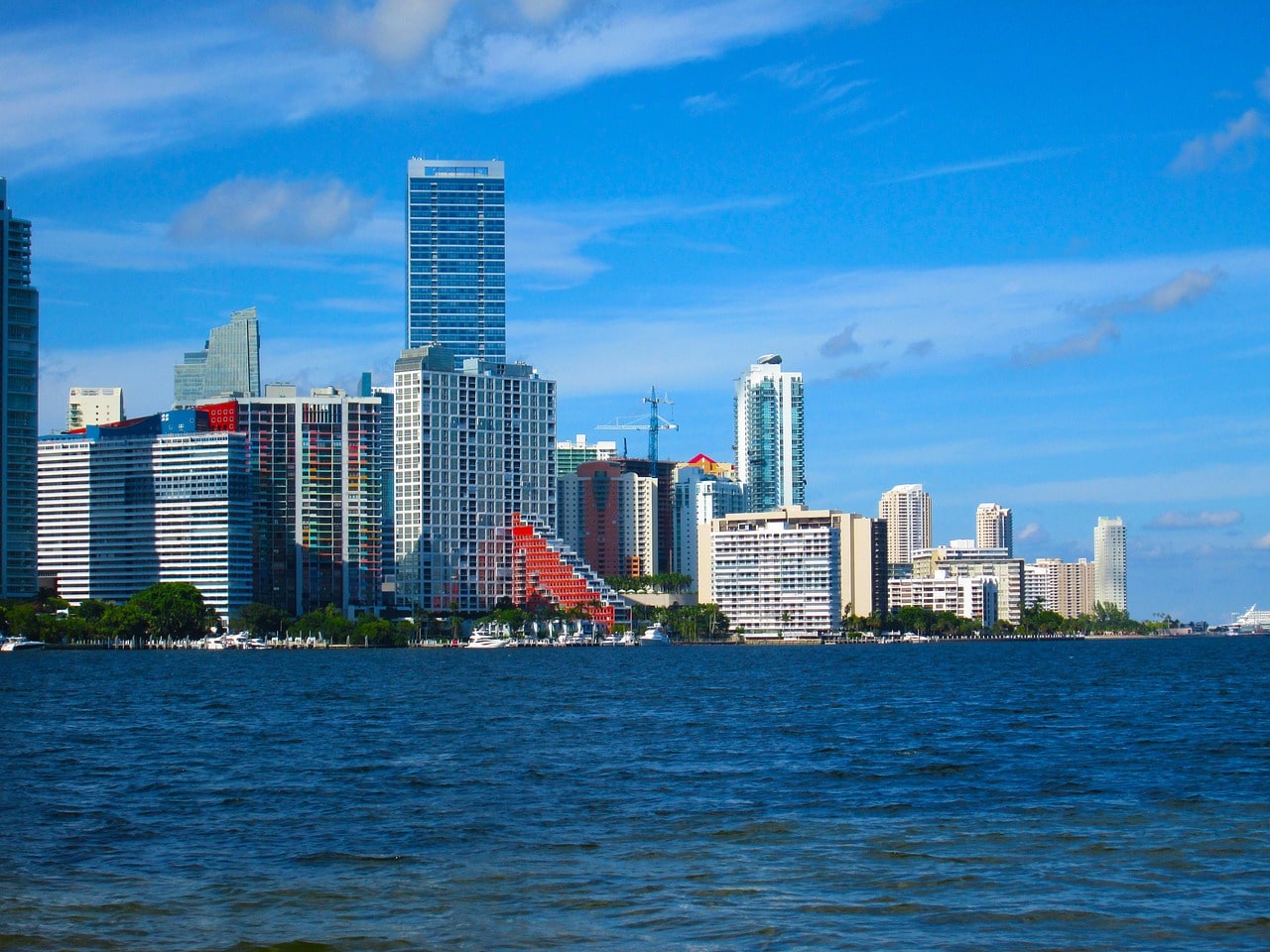
Downtown Miami isn't large, but like any American city, it's filled with tall and shiny skyscrapers. The Atlantic coastline of downtown includes the Port of Miami and the touristy area of Bayside Marketplace. On the outskirts of downtown are the city's well-known residential neighborhoods with quite a few attractions.
Little Havana
A bit west of downtown on 8th Street (Calle Ocho in Spanish) is the traditional residential area of Cuban expatriates who arrived in Miami starting from the 1950s due to the unrest that led to the communist revolution on the island. In March, the Calle Ocho Festival takes place here, attracting many visitors to the area. Eighth Street is the heart of the district, offering a wide variety of unique stores but mainly, excellent Cuban restaurants that have become must-visit institutions for tourists.
Click here for a tasting tour at the best Cuban restaurants in Little Havana…
The Port of Miami
The largest port in the southeastern United States. Its uniqueness lies in being the largest passenger port in the world, due to the fact that the famous cruises set sail from here to all over the world, especially to the Caribbean and the Bahamas. The two biggest cruise companies in the world, Carnival Cruise and Royal Caribbean, are located in Miami.
Click here to purchase a combo ticket for the Skyviews Ferris Wheel and the HistoryMiami Museum…
Brickell
South of downtown but directly connected to it is the Brickell neighborhood, named after one of the city's founders. This area has seen significant growth in recent years with numerous skyscrapers rising above Miami's waterfront edges. Brickell Avenue is known as the Wall Street of Miami, housing the offices of most major banks. Among these offices, there are mostly residential apartments in high-rise buildings (condominiums), making the neighborhood very trendy for young professionals and city families.
Click here to purchase online tickets for the Frost Museum in Miami…
Coconut Grove
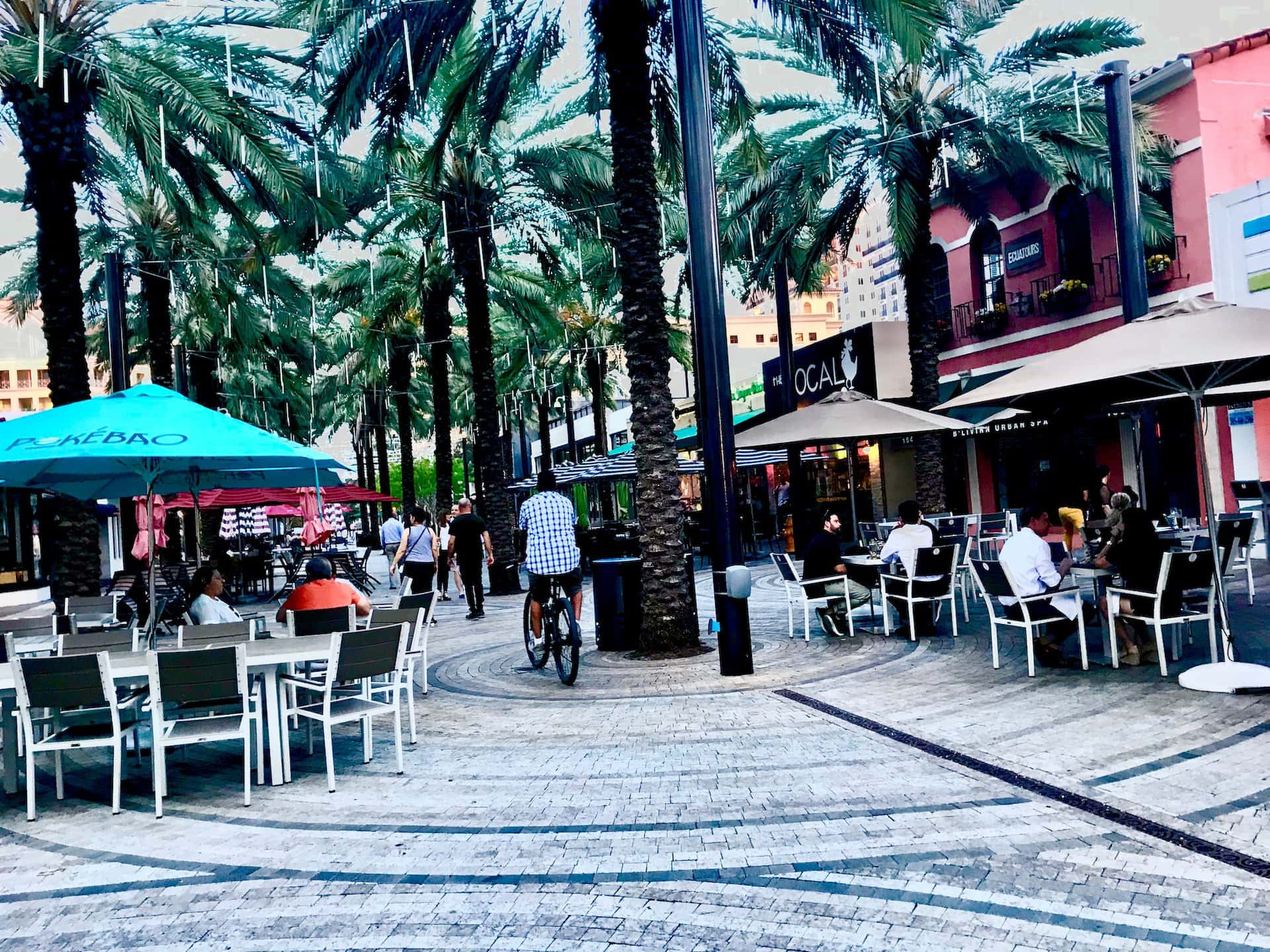
Nestled next to Dinner Key is Miami's trendiest neighborhood, Coconut Grove. This area gained nearly mythical status in the 1960s as Florida's hippie hub (Florida sunshine + commercial-scale drugs = a particularly chill and quirky spot). Nowadays, it's pretty established with massive apartment complexes along the ocean shore, interspersed with beautiful parks like Kenneth M. Myers Bayside Park and Peacock Park. Nearby, you'll also find the historic Barnacle.
Coral Gables
Coral Gables is a small city that spans the entire southwest area of Miami. It’s home to around 50,000 residents, mainly in the northern streets near Miracle Mile. Just south of the northern neighborhood lies the University of Miami campus, which is within the city, while further south, there’s upscale modern construction along the Atlantic Ocean, less relevant for tourists.
Sports in Miami
The Miami Heat
The Miami Heat is Miami’s renowned basketball team. They play at the Kaseya Arena, formerly known as the famous American Airlines Arena, which holds 20,000 spectators. The arena is located right in the heart of the city, near the Bayside Marketplace. Founded in 1988, the team has won three NBA championships, the last one in 2013. In recent years, they have been one of the strongest teams in the league, consistently making it to the playoffs and advanced stages.
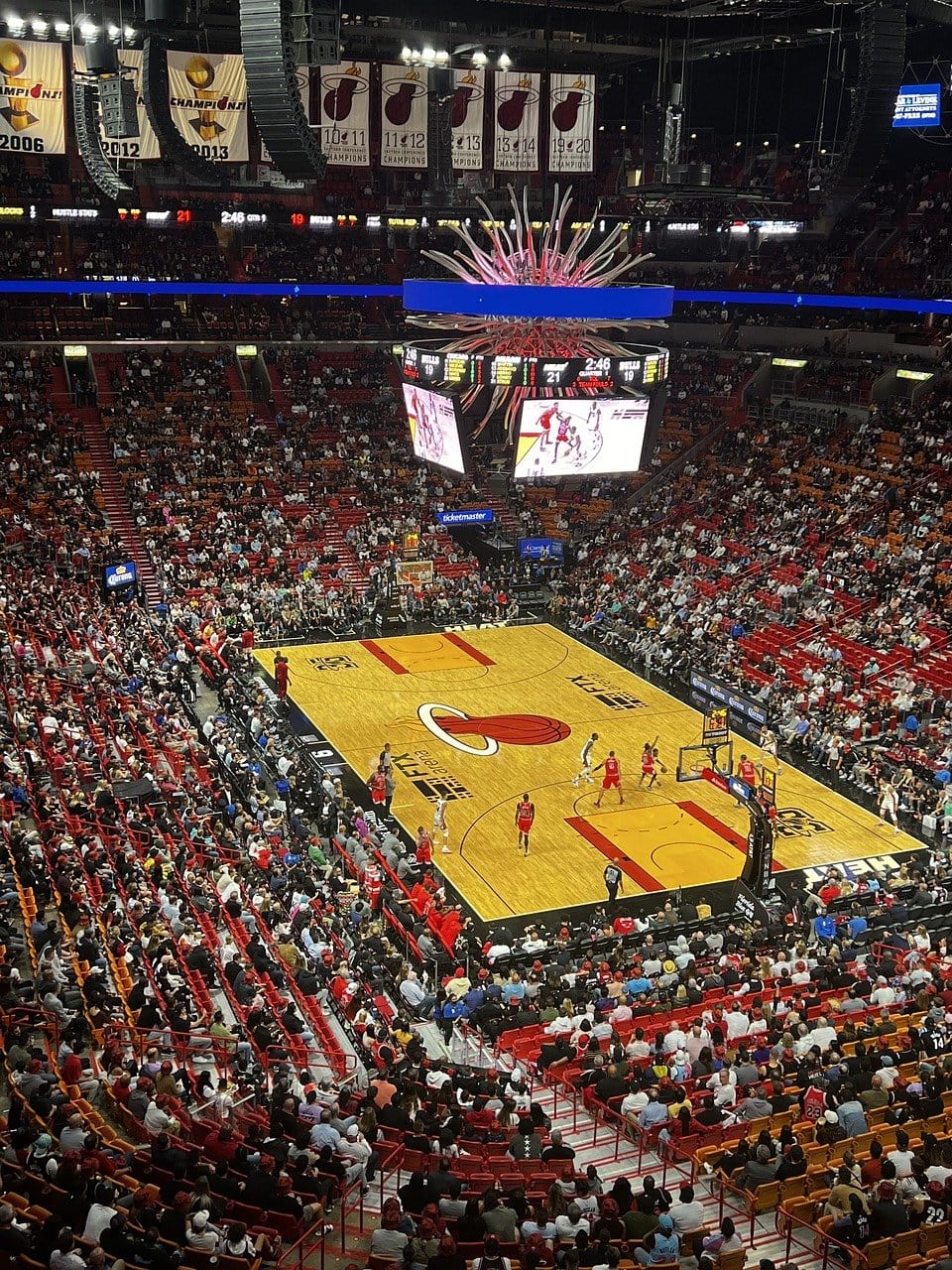
Home arena address of the Heat: 601 Biscayne Blvd., Miami
For ticket inquiries and purchases for Heat games on the NBA site, click here…
The Miami Dolphins
The Dolphins are the famous football team of Miami. The team was established in 1966 and has won the Super Bowl twice in its history. The team is closely associated with its legendary quarterback Dan Marino, known as one of the greatest players who never won a Super Bowl (to understand the matter, it's worth watching the movie Ace Ventura: Pet Detective).
The Dolphins play at the Hard Rock Stadium in Miami Gardens, about a 25-minute drive north of downtown. The stadium seats 80,000 spectators. The Dolphins are an important part of the city's fabric and a very beloved team, though in recent years they have been quite disappointing and have achieved few successes.
The home stadium address of the Dolphins: Don Shula Dr. 347, Miami Gardens
Click here to check and purchase tickets for Dolphins games on the team's website…
The Miami Marlins
The Marlins are Miami's baseball team. They joined the MLB in 1993 and have already won the World Series twice, the last time in 1997. After their second victory, the team went through a deep crisis from which they still haven't recovered. The Marlins are considered the least profitable team in the league, and their achievements are limited. Because of this, getting tickets to Marlins games is no problem, as the main attraction is usually the opposing team (check when the Yankees are in town). The Marlins play at LoanDepot Park, also known as Marlins Park, located between Little Havana and downtown.
The home stadium address of the Marlins: Marlins Way, 501, Miami
Click here to check and purchase tickets for Marlins games on the MLB website…
Special Attractions in Miami
Biscayne Bay Boat Trip
The cruise will take you on a tour of the homes of the rich and famous in Miami. The cruise is in the canal area, which means between Miami Beach and Miami, allowing you to also admire Miami's stunning skyline. You can take the cruise 7 days a week starting at 10:30 AM and then every hour on the hour until 6:00 PM, and on weekends until 7:00 PM. The cruise costs $27 for adults and $19 for children and lasts an hour and a half. It departs from the Bayside Market area, located near the American Airlines Arena in downtown Miami.
The Metromover Aerial Tram
In downtown there is an elevated train route that the Metromover travels on. It’s a nice experience traveling between the skyscrapers. The route is 4 kilometers long and the ride takes about ten minutes. The ride is free!!
The History of Miami
Miami is located in Miami-Dade County in southeastern Florida and is a national business hub, it has a major port and is the largest city in Florida. The name Miami likely means ‘big water' or ‘fresh water' in the language of the native Tequesta tribe that inhabited the area until the arrival of the Spanish in 1567.
In 1821, the United States acquired Florida as part of an agreement with Spain that also led to Mexico's independence. Afterwards, and during the Seminole Wars, Fort Dallas was established in 1836 as a base for forces fighting the native people, and around it, the first pioneer settlers, including Julia D. Tuttle, known as the ‘Mother of Miami', and William B. Brickell, settled. They were the nucleus around which Miami developed. After the victory over the Seminoles and Florida's admission as the 27th state in the USA (1845), a wave of settlement and agriculture began in the area, as well as a military presence due to its strategic location.
In 1896, Miami was officially founded following a freeze in northern Florida that destroyed citrus crops the previous year. Tuttle and Brickell convinced railroad tycoon Henry Flagler to extend his railroad along Florida's east coast to the Miami area because freezes didn’t reach there, ensuring the supply of oranges even in years when crops in the north were affected by frost (this is also why today there are iguanas in Miami and not further north. Because they freeze if cold waves from mainland America reach north and central Florida, which happens almost yearly).
Miami in the 20th Century
In the 1920s, Miami expanded greatly, and its population tripled. After the economic crisis in the early 1930s, the growth halted until the 1950s after the war.
In the early sixties, following the revolution in Cuba, hundreds of thousands of Cubans began arriving in Miami fleeing the reach of the communist regime. Additionally, other Latin immigrants arrived, solidifying the city's Latin character.
Starting in the eighties, with the rise of the major Colombian drug cartels, Miami became the center of their cocaine trade. This was due to its proximity to the South American continent as well as being a city known for its sun, tourism, and parties. The city became very violent due to the battles between different drug gangs, but since the early 2000s, authorities have curbed this trend and encouraged tourism, making the city much quieter and far less violent.
The city has many universities, the most famous being the University of Miami, a world leader in Marine Study.