Hollywood – The Shiny Walk of Fame of Los Angeles
Hollywood in Los Angeles offers a cinematic adventure. This bustling L.A neighborhood, birthplace of fame and celebrities, is now teeming with tourists eager to catch a glimpse of movie stars and bask in glitz and glory.
Snap a shot of the iconic Hollywood sign, now a symbol of the film industry. Discover famous streets like Melrose and Hollywood, packed with entertainment venues, restaurants, museums, and historic theaters. The Hollywood Walk of Fame immortalizes the legendary stars of the silver screen. Above the city in the Santa Monica Mountains, you'll find striking views of the metropolis from places like Griffith Observatory and Mulholland Drive.

How much time do you need for a Hollywood and West Hollywood tour?
You'll need at least a full day for visiting Hollywood and West Hollywood, from morning until the nightlife on Sunset Strip in the evening. It's also worth dedicating a few extra hours for a short road trip along Mulholland Drive.
12 Must-See and Do Things in Hollywood and West Hollywood
- Follow the stars on the Hollywood Walk of Fame on Hollywood Boulevard
- The stunning facade of the Chinese Theatre
- Visit Hollywood's historic theaters – El Capitan and the Egyptian Theatre
- Take a photo with stars at the Madame Tussauds Hollywood wax museum
- The historic barn at the Hollywood Historical Museum in the parking of the Hollywood Bowl
- Tour Paramount Studios
- Panoramic view of the metropolis from Griffith Observatory
- Touch the historic Hollywood sign atop Mount Lee
- Entertainment and nightlife on Melrose Avenue and the Sunset Strip
- Explore the entire ridge with a road trip on Mulholland Drive
- Modern streams at the MAC Center
- Make a pilgrimage to the greatest graves at Hollywood Forever
Click here to check availability and prices for hotels in Hollywood…
Click here for all the information about a trip to Los Angeles…
What is Hollywood?
- Hollywood is a neighborhood in the northern part of Los Angeles, at the foot of the Santa Monica Mountains to the north
- This is the eastern edge of the glam strip on the slopes of the Santa Monica Mountains, in the sequence of boulevards (Santa Monica Blvd, Sunset Blvd, Wilshire Blvd, Melrose Ave, and more) stretching from Santa Monica Beach through Westwood, Bel Air, and Beverly Hills to Silver Lake
- Hollywood is divided into a cluster of sub-neighborhoods – Hollywood, East Hollywood, West Hollywood, Hollywood Hills, Hollywood Dell, and Hollywoodland, where nearly 300,000 people live, most of them in West Hollywood
- With the burst of the film industry into modern life, Hollywood has become a common term for describing the vast film industry of Los Angeles
- Since the first decade of the 20th century, some of the most important studios that produced and still produce movies have been located in and around the neighborhood.
- Disney Studios, Warner Bros, Universal, Sony, and Paramount still operate from the neighborhood or in Burbank, just over the hill.
- In the 1930s and 40s, the neighborhood reached the peak of the golden age of filmmaking, and its status has become legendary since then.
- Today, the neighborhood is the epitome of glamor and glitz in the popular American film industry and plays a huge role in what's termed as popular culture.
- All of Hollywood is dedicated to the cinematic experience, including theaters, cinemas, historical sites, and entire streets that fulfill the curiosity of tourists who come to experience film-like America.
- Hollywood is home to some of the most famous attractions of Los Angeles, including the iconic Hollywood Sign on the side of Mount Lee, perhaps the most well-known landmark in all of Los Angeles.
Click here for a guided tour following the homes of Hollywood's big stars…
Map of Hollywood and West Hollywood
Hollywood and West Hollywood Travel Itinerary
A trip in Hollywood and West Hollywood requires a car, so it's essential to account for the time spent finding parking in different areas and walking from the parking spot to your destination.
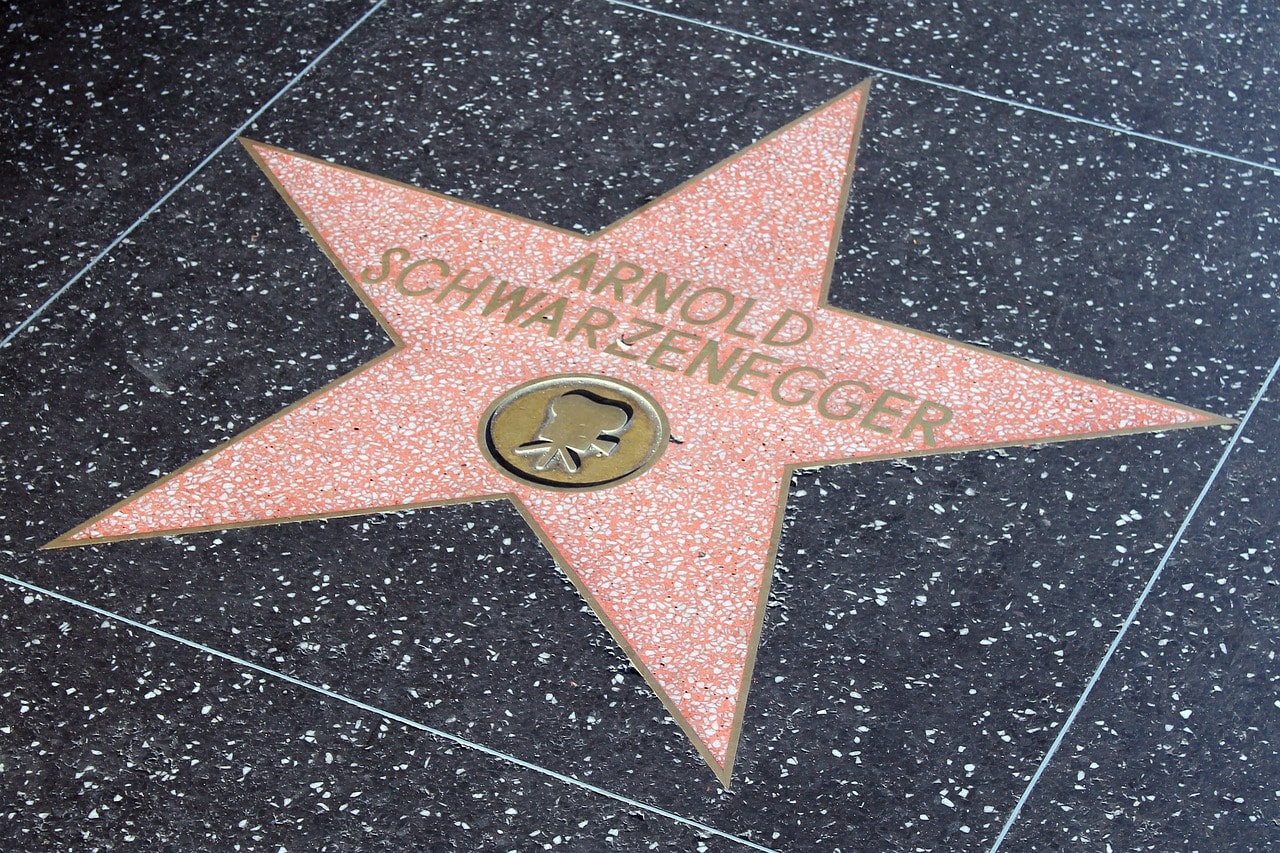
- It's a good idea to start your trip at Hollywood's Ground Zero, the dazzling Hollywood Boulevard, among the famous historical theaters of the Hollywood Walk of Fame
- On the short street section, where all the sidewalk stars are, there are fascinating theaters like the Chinese Theater and El Capitan, important buildings, malls, shopping, restaurants, and quite a few attractions
- You can also enter the Madame Tussauds wax museum and the Guinness World Records museum along the boulevard. It's a touristy and crowded space, but with lots of action and plenty to do
- From Hollywood Boulevard, it's worth climbing the slopes of the Santa Monica Mountains towards the Hollywood Bowl to enter the Hollywood Historical Museum
- If there's a show at the Hollywood Bowl, it's worth going (in the afternoon and evening hours) because it offers an excellent acoustic experience with breathtaking views
- From the Hollywood Bowl, continue to the southern part of Griffith Park, to the observatory with a stunning view of downtown
- From the observatory, you can also clearly see the famous Hollywood sign, and if you want, you can even hike up Mount Lee to reach the sign itself (you can reach Mount Lee Drive via the Hollywood Bowl)
- It's also worth visiting the Hollywood Forever Cemetery and booking a guided tour at the nearby Paramount Studios
- From there, continue along the lively Melrose Avenue towards West Hollywood. It's worth checking out the MAK Center for Art and Architecture and heading to the bustling Sunset Strip in the evening
- If you have a bit of time, it's also worth hiking the ridge and driving along Mulholland Drive
Click here to find accommodations in Hollywood hotels…
All the Attractions at the Hollywood Walk of Fame (Hollywood Boulevard)
The Walk of Fame is the heart of Hollywood and the American movie industry. It's the central section of Hollywood Boulevard, stretching from east to west and lined with historic movie theaters and cinemas. The Walk of Fame also features museums related to Hollywood and the glamor of movie stars, along with restaurants, shops, bars, entertainment spots, swarms of tourists, and of course, the famous stars embedded in the sidewalk.
Hollywood Walk of Fame
The Hollywood Walk of Fame is probably the most famous sidewalk in the entire USA. From the entrance to the Chinese Theatre on Hollywood Boulevard to the west, along the boulevard to the intersection with Vine Street, lie the stars of those who's been honored to be part of Hollywood's luminaries. Along the sidewalk, you can find all the greats of the film and television industry. With over 2,600 stars, countless tourists and curiosity seekers come to witness this wonder.
TCL Chinese Theatre
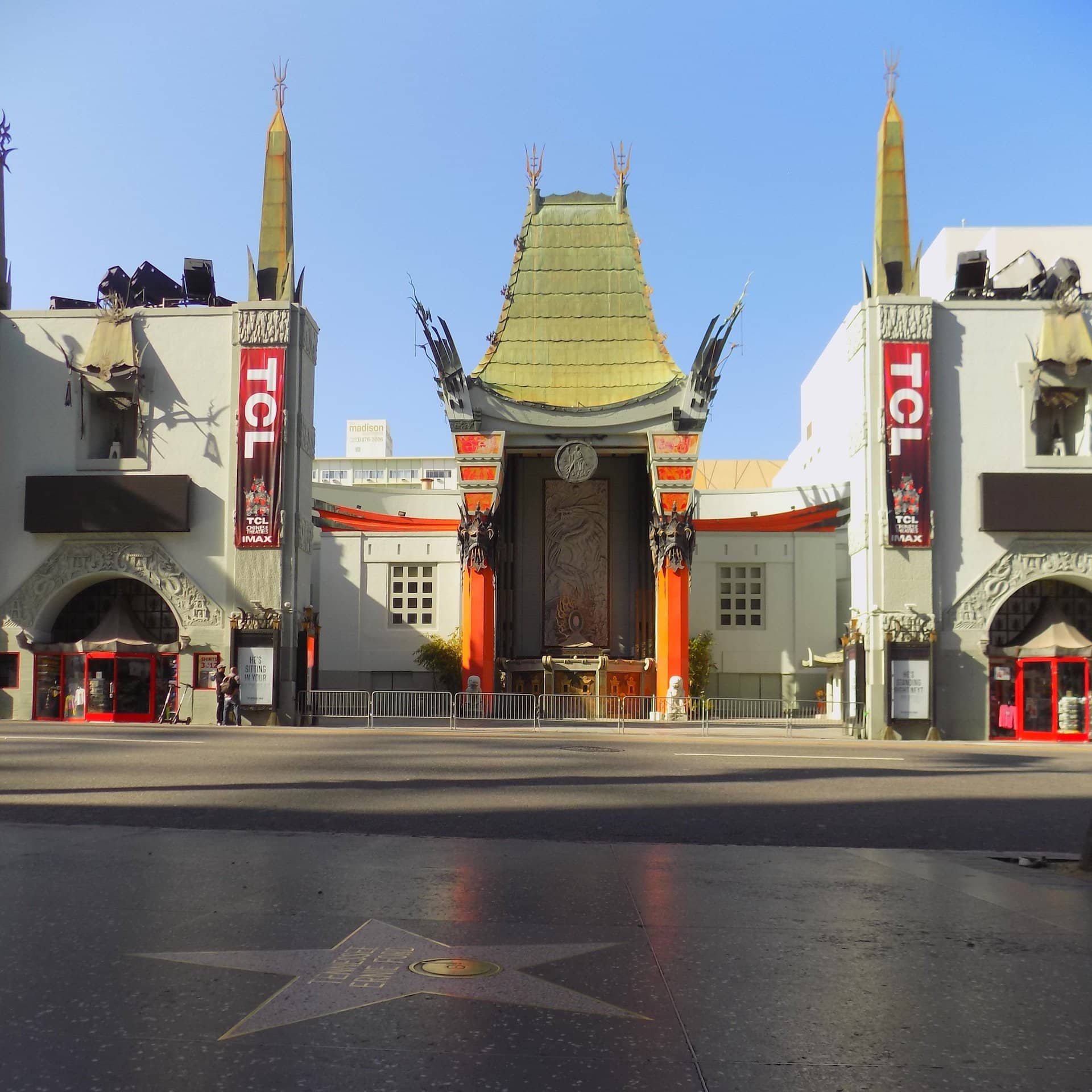
The Chinese Theatre is the heart of the Walk of Fame, the bustling and tourist-packed boulevard stretching westward to Vine Street. It's one of the most iconic sites of the boulevard, built in 1927 and since then representing one of Hollywood's symbols. The theatre is famous for its impressive facade built in the style of a Chinese pagoda. The star paving on the sidewalk began in the 1960s at the theatre's entrance and has since expanded west along the boulevard.
Address: Hollywood Blvd. 6925, Los Angeles
El Capitan Theatre
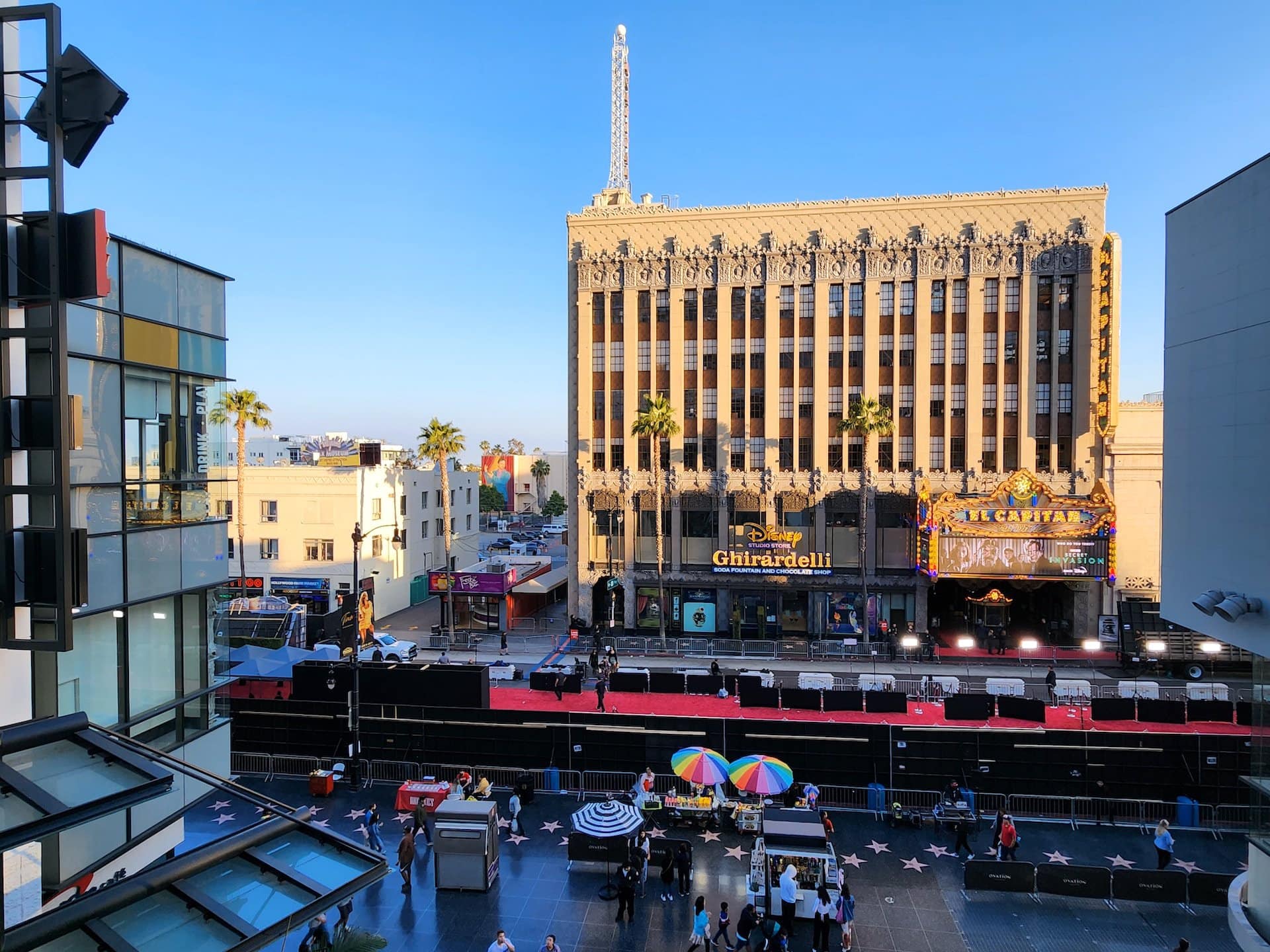
El Capitan Theatre is located opposite the front of the Chinese Theatre on the south side of the boulevard. It was built a year before the Chinese Theatre, in 1926, and traditionally was the preferred location for Hollywood film premieres. Today, the theatre is owned by Disney and is used as a venue for premieres of the company's films.
Address: Hollywood Blvd. 6838, Los Angeles
The Hollywood Roosevelt Hotel
Opposite the Chinese Theatre, at the intersection of Hollywood Boulevard with North Orange Drive, lies the historic Walk of Fame hotel – the Roosevelt. The enormous hotel was built alongside the boulevard's theatres and opened in 1926. In the past, it was a preferred stay and hangout for movie stars, and even today you can still spot stars staying or visiting there. The hotel now operates as a four-star establishment, which is quite pricey for its level, but offers the most central location in Hollywood.
Address: Hollywood Blvd. 7000, Hollywood, Los Angeles
The Egyptian Theatre Hollywood
The Egyptian Theatre is the oldest of the historic theaters on Hollywood Boulevard. It was one of the primary premiere theaters during Hollywood's golden age (the 1930s) but has since dimmed somewhat. Today, it serves as a venue for special events and screenings by the American Cinematheque organization.
Address: Hollywood Blvd. 6712, Los Angeles
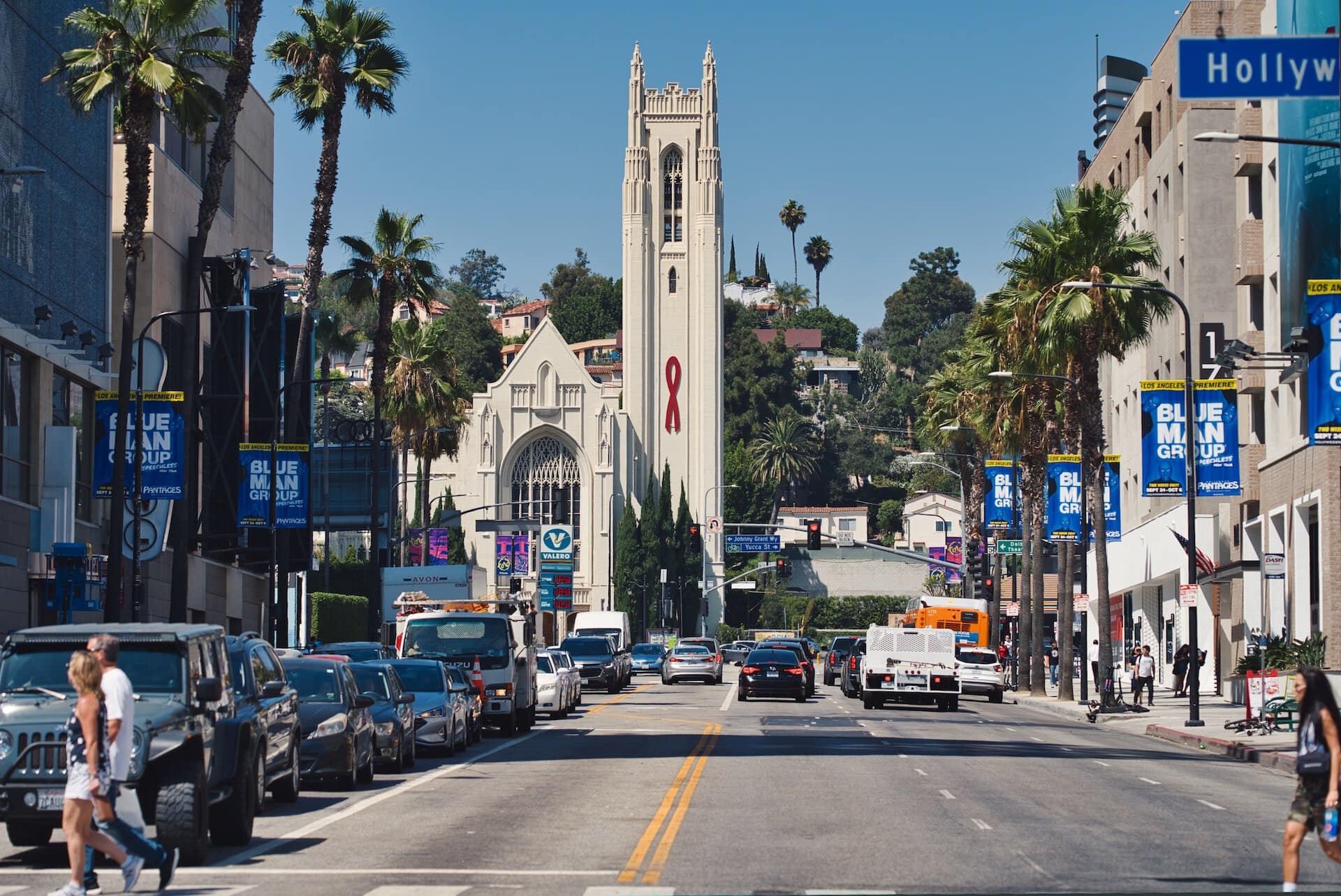
Hollywood Wax Museum and the Cluster of Hollywood Boulevard Attractions Museums
Madame Tussauds Wax Museum is one of a series of private ‘museums' as part of the popular culture found in the most touristy part of Hollywood Boulevard. It epitomizes the concept of the famous London institution, where you can mingle with life-size wax figures of movie stars in their natural environment.
The wax museum is the highlight of a large cluster that includes several private attraction museums from large networks such as Ripley's Believe It or Not!, Guinness World Records Museum, and The Hollywood Museum, located across the street. The Hollywood Museum has an entire basement floor recreating Hannibal Lecter's confinement from the film The Silence of the Lambs. These places are very popular among tourists flocking to the glamorous boulevard, offering another option to touch Hollywood's fame.
Address: Hollywood Blvd. 6767, Los Angeles
Hollywood Highland
A large and central shopping center that also serves as a metro line station. The center is adjacent to the Chinese Theater at the intersection of Hollywood Boulevard with Highland Avenue. It features restaurants, shops, and entertainment venues.
Address: Hollywood Blvd. 6801, Los Angeles
Hollywood Bowl and Paramount Studios
The Hollywood Bowl
The grand amphitheater of Los Angeles and Hollywood is situated north of the Hollywood Heights neighborhood, near Route 101, on the way from Hollywood to Universal Studios on the other side of the Santa Monica Range. The theater is built on the hillside and can accommodate nearly 20,000 people. Above the stage is the famous shell, one of the best acoustic structures in California. The Bowl is home to the Los Angeles Philharmonic Orchestra and hosts concerts, performances, and events throughout the year.
In the Bowl's shopping and dining complex – the Plaza Marketplace also operates the Hollywood Bowl Museum, in the place where the original tea house was located. The museum offers educational activities, information about the amphitheater, and rotating exhibitions.
Address: Highland Ave. 2301, Los Angeles
Click here for the current event list of the Hollywood Bowl…
The Hollywood Heritage Museum
The Hollywood Heritage Museum is located across from the Hollywood Bowl inside an old wooden barn. This wooden barn was purchased by Cecil B. DeMille and Jesse L. Lasky in 1913, and it is where the first full-length film in Hollywood was filmed. DeMille and Lasky shot the film ‘The Squaw Man' in the barn in 1914. DeMille was one of the successful creators of early films while Lasky established, in those years, the Paramount Pictures Corporation together with Adolph Zukor.
In 1983, the barn was relocated from Vine Street to the large parking lot of the Hollywood Bowl, and after extensive renovation, it was transformed into a small museum. At the museum, you can see Hollywood memorabilia, mainly of the two pioneers who inaugurated Hollywood's film world at this location.
Address: 2100 Highland Ave., Los Angeles
Click here for the museum's current operating hours…
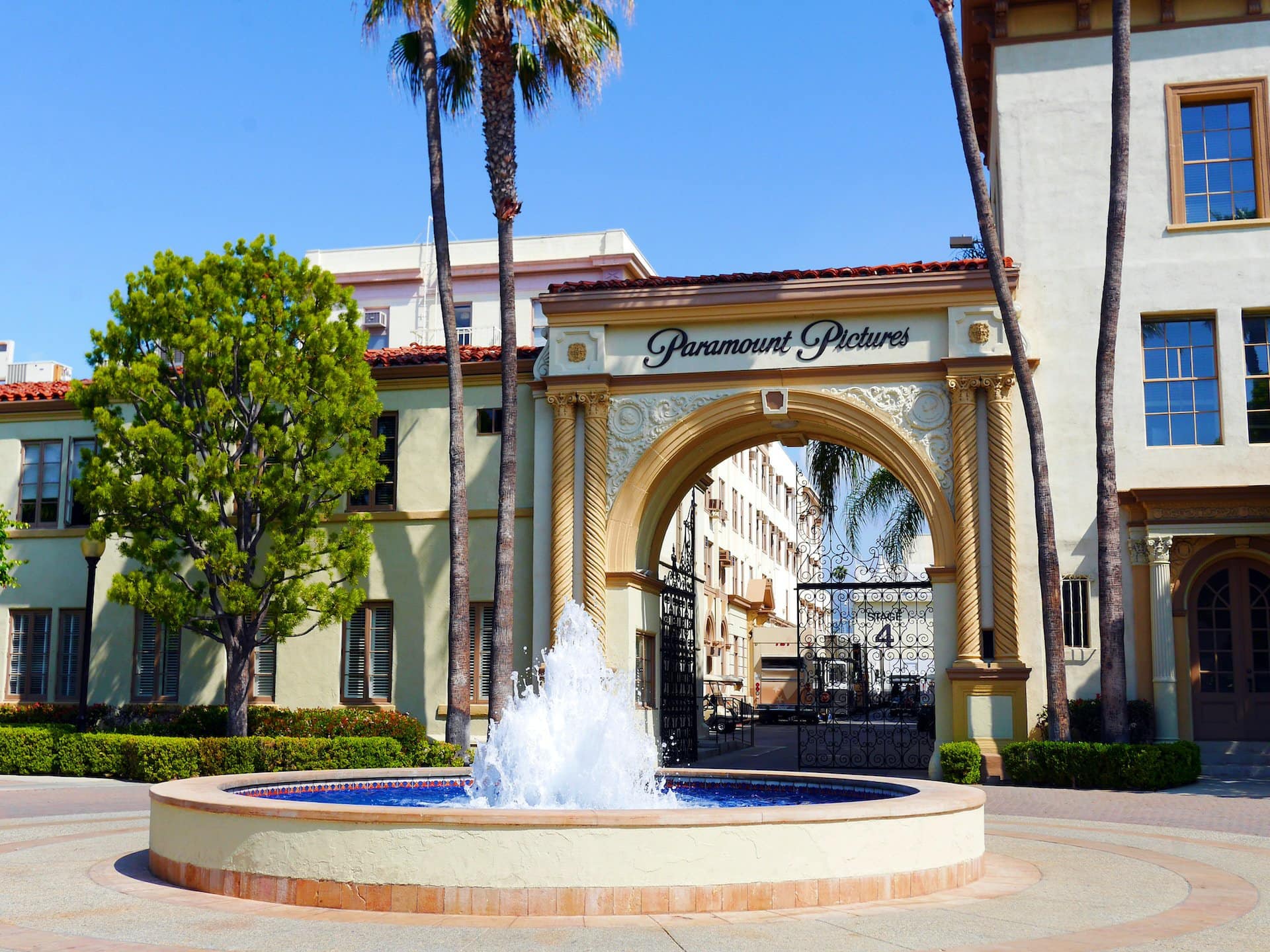
Paramount Studios
Paramount Studios are located just south of the Hollywood Forever Cemetery on Melrose Avenue in South Hollywood. Paramount was Hollywood's first major production company, and following its success, other big names like Warner Bros, Disney, and Universal came to the neighborhood. Today, it's the last one with studios still remaining here, as others have moved to modern facilities in the Valley, mainly in Burbank. You can visit the studios and see movie and TV sets on guided tours offered by the company.
Address: Melrose Ave. 5555, Los Angeles
Click here to sign up for one of Paramount's studio tours…
Hollywood Forever Cemetery
The official cemetery of Hollywood stars, located in the northern part of the Paramount Studios. This is the resting place for some of Hollywood's greatest historical film stars, alongside singers, television stars, producers, and big directors who built the Hollywood empire. The cemetery is a green and peaceful place, much calmer than its competitor in Westwood – the Westwood Village Memorial Park & Mortuary. The gravesites of Judy Garland, Cecil B. DeMille, Rudolph Valentino, and media mogul William Randolph Hearst can be found here. Guided tours are regularly conducted, and due to its size, it's worth joining them.
Address: 6000 Santa Monica Blvd., Los Angeles
Griffith Park
Griffith Observatory
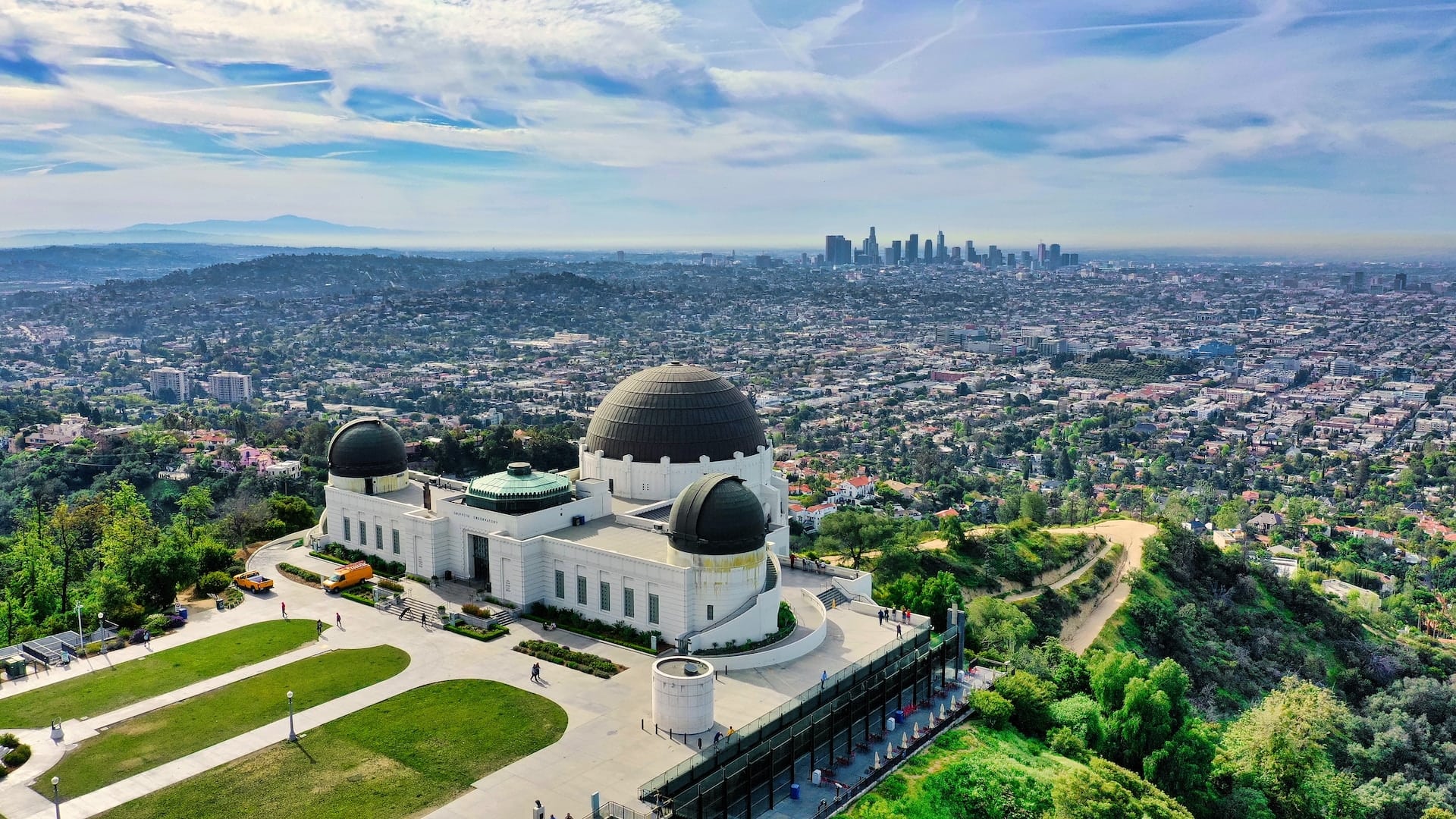
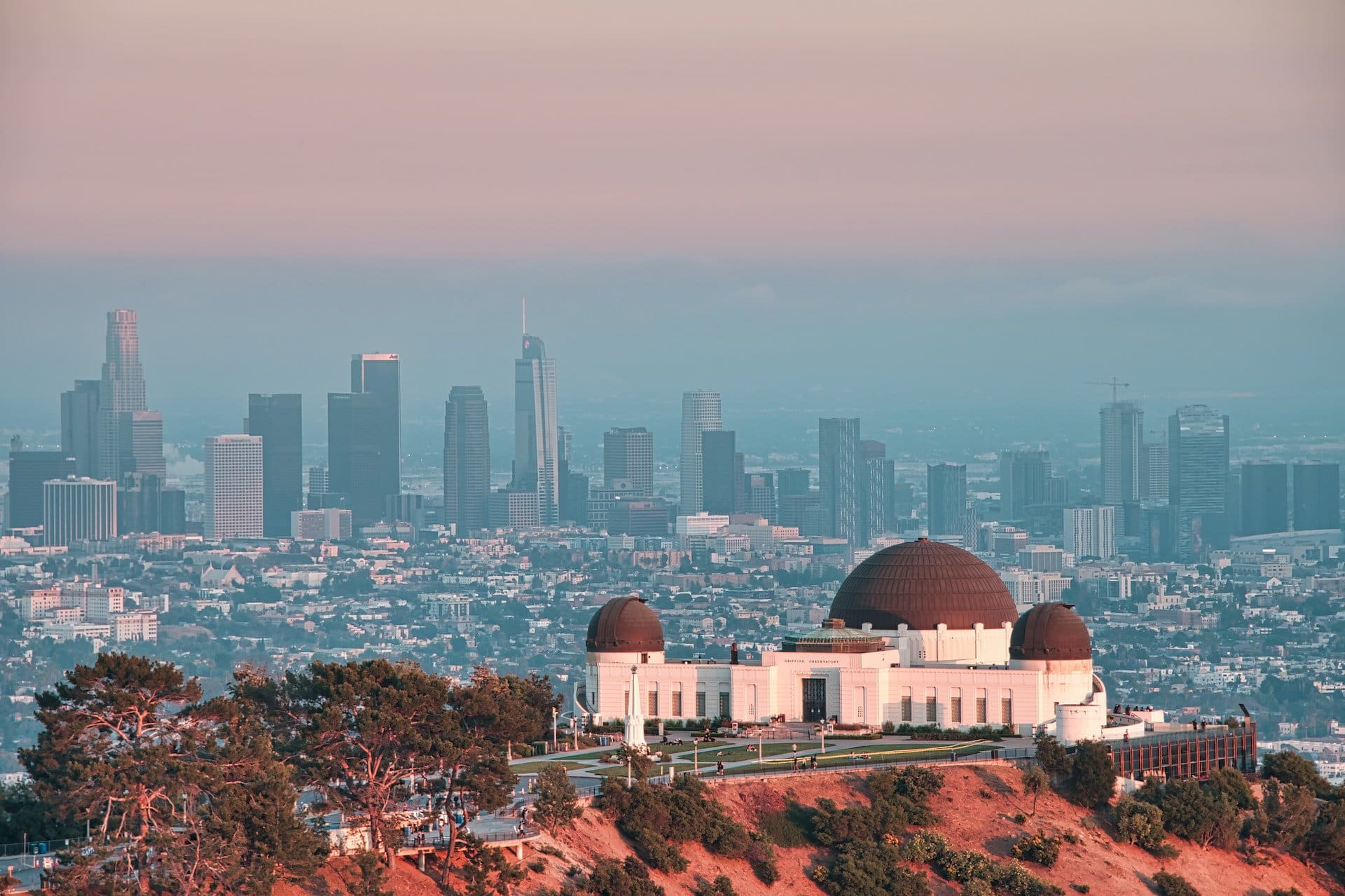
Griffith Observatory is located in the southern part of the large Griffith Park, just a 5-minute drive from Hollywood Boulevard. The observatory is a great place to experience all the fun of observatories, including a fascinating planetarium that takes the viewer on a journey through space and an intriguing science wing. The main highlight of the observatory is the stunning view it offers of the hills and the vast urban area surrounding it. From the observatory, you can get the best view of the gigantic Hollywood Sign that hangs on the slopes of Mount Lee to the west of the observatory.
A short drive from the observatory is The Greek Theatre, which seats 6,000 people. The theater began operating in 1930 and since then it has hosted performances, plays, and more. The theater belongs to the City of Los Angeles and hosts many public events open to the public.
Address: 2800 E Observatory Rd., Los Angeles
Click here for the current operating hours of the observatory…
Hollywood Sign
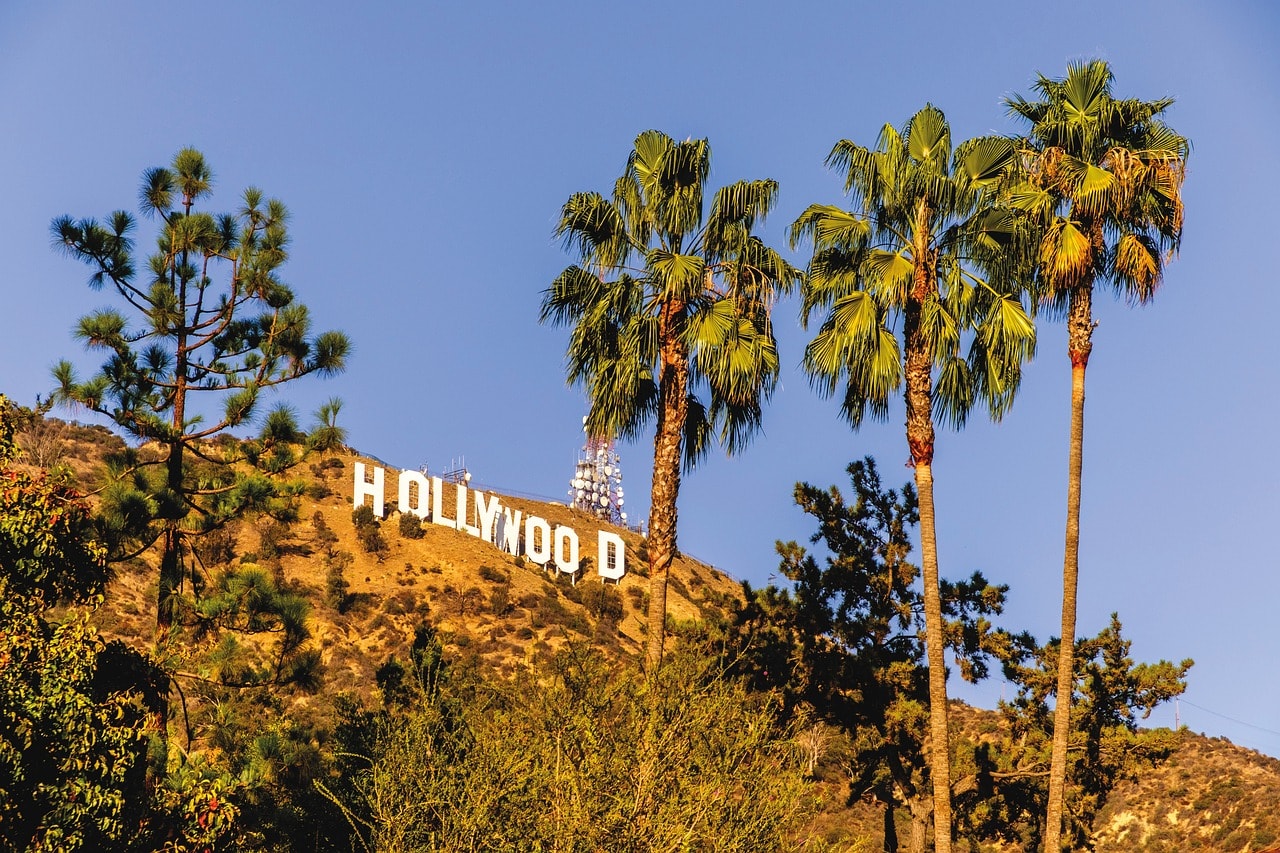
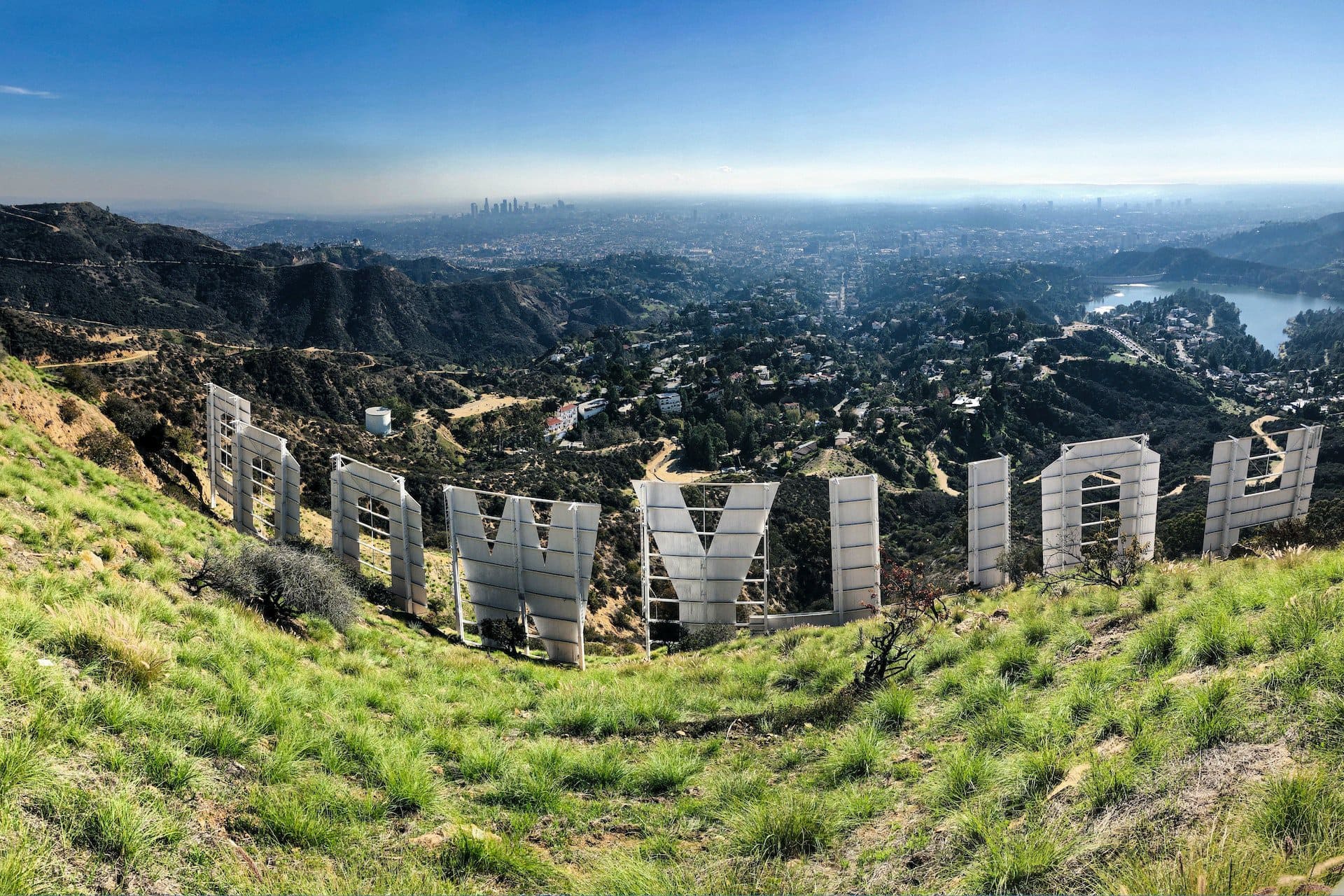
The most famous landmark of Hollywood and all of Los Angeles, overlooking the neighborhood and the city from the southern slopes of Mount Lee. Originally, the sign read Hollywoodland as part of a real estate promotion for the Hollywoodland neighborhood located at the mountain's summit. The sign was built in 1923 and has since become a part of the city's overall scenery. Over the years, its condition deteriorated and in the winter of 1978, it was severely damaged in a storm. The sign was restored without the word ‘land,' and after marketing and branding became once again the beloved symbol of the city and neighborhood.
Click here to hike the hills toward the Hollywood sign…
You can reach the top part of the sign at Mount Lee's summit via the road leading to the Mount Lee Radio Transmitter on Mount Lee Drive.
West Hollywood
Unlike Hollywood, which is a neighborhood within Los Angeles, West Hollywood is an independent city and part of the Beverly Hills enclave within Los Angeles. Although it appears to be its own city, West Hollywood is integrated within the urban fabric of the glamorous neighborhoods on the southern slopes of the Santa Monica Mountains and is connected with Beverly Hills, Santa Monica, and Hollywood by a series of the most famous and grand boulevards spanning their lengths. About 35,000 people live within the city itself.
Melrose Avenue
The most vibrant part of Melrose Avenue is located in West Hollywood (technically in the Fairfax neighborhood of Los Angeles). The avenue begins opposite the Beverly Hills Sign in West Hollywood Park to the west and runs relatively straight to Silver Lake. Along its long stretch are numerous entertainment venues, stand-up comedy clubs, restaurants, bars, and shopping stores. The Melrose Trading Post flea market is held every Sunday on the grounds of Fairfax High School from 10 AM until evening.
MAK Center for Art and Architecture at the Schindler House
The MAK in West Hollywood is the Californian branch of Vienna’s Museum of Applied Arts (Museum für angewandte Kunst). The MAK is located in the historic Schindler House from 1922, though much of it is found in the modern wings built around the older structure (relative to Los Angeles). The museum and large art center sit in the most artistic area of West Hollywood, spanning the space between Melrose Avenue to the south, Santa Monica Boulevard to the north, and the expansive gallery avenue N. La Cienega, which links the two famous roads.
Address: 835 Kings Rd., West Hollywood
Click here for the center's visiting hours…
The Sunset Strip
The Sunset Boulevard Strip is the liveliest and hottest part of the long avenue as it passes through West Hollywood. The Strip runs along the northern part of the Norma Triangle neighborhood, at the point where the ridge of the Santa Monica Mountains begins to rise to the north. Along the Strip, there's a large concentration of trendy boutique stores, restaurants, comedy clubs, bars, small concert venues, and all the nighttime fun for L.A.'s nightlife.
Mulholland Drive
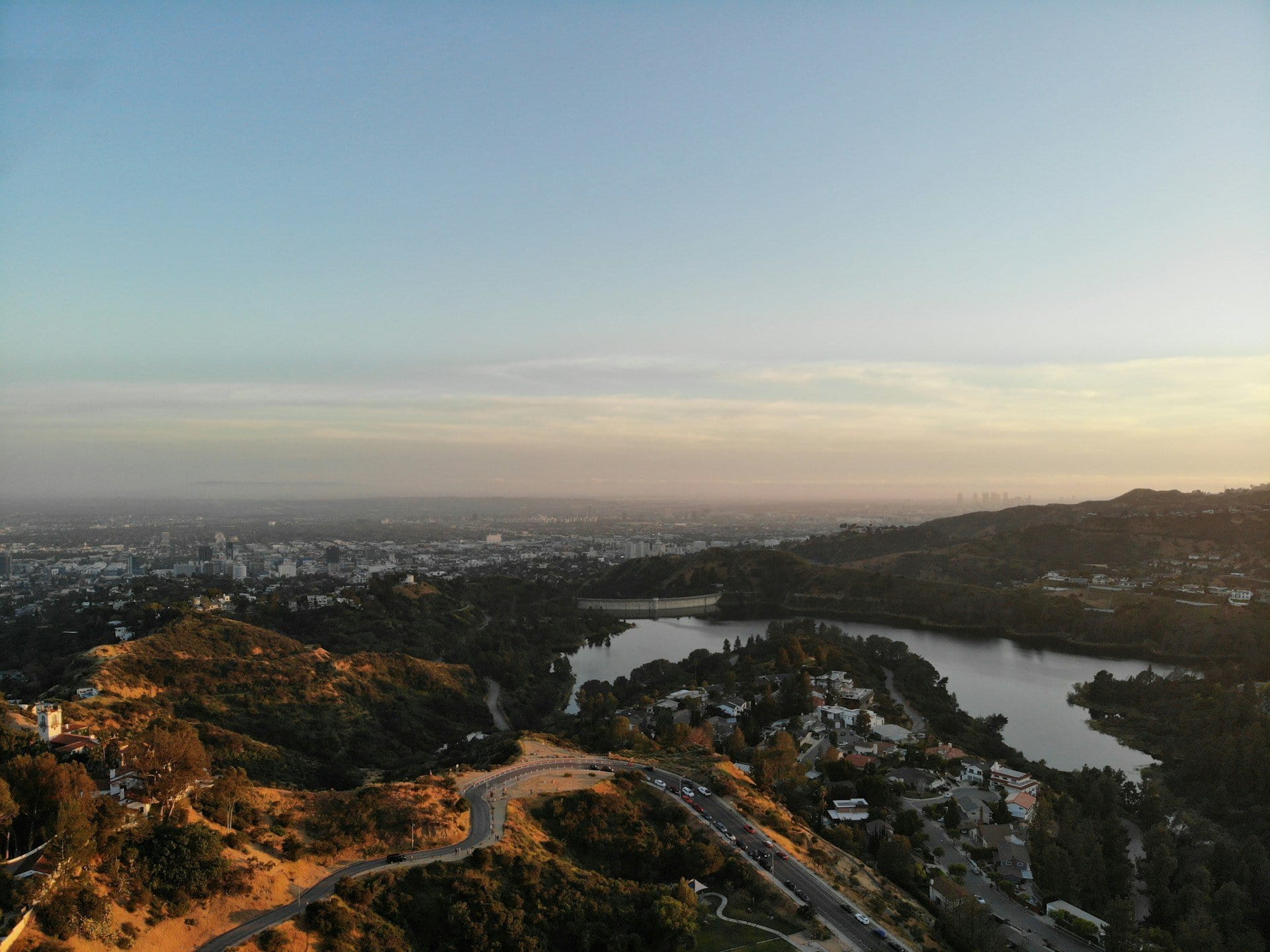
Mulholland Drive is a mountainous road that crosses west to east along the ridge of the Santa Monica Mountains. The route begins at what remains of the Nike Missile Control Site LA-96, an anti-aircraft missile defense project spread across the USA. Nearby is the San Vicente Mountain Park, where the road continues westward as Mulholland Highway through Tarzana and ends at the Santa Monica Bay shoreline at Leo Carrillo after Malibu.
The fascinating part of Mulholland Drive lies in the eastern ridge, where the road is actually a hilly street lined with mansions. The street was immortalized by David Lynch's film titled ‘Mulholland Drive' from 2001. The road is the northern border of Hollywood and ends in the east at Highway 101, which crosses the ridge from south to north and connects Hollywood with North Hollywood in the Valley, where major production companies moved to new studio facilities from Hollywood.