The Big Island of Hawaii and Hawaii Volcanoes National Park
The big island of Hawaii is the southernmost and largest of the archipelago's islands and continues to grow. Due to the volcanic activity of Kilauea and Mauna Loa, the island is expanding southward with the flow of lava into the Pacific Ocean. The island is one of Hawaii's top vacation spots, combining especially wild natural attractions with stunning coastal cities and towns for a getaway.
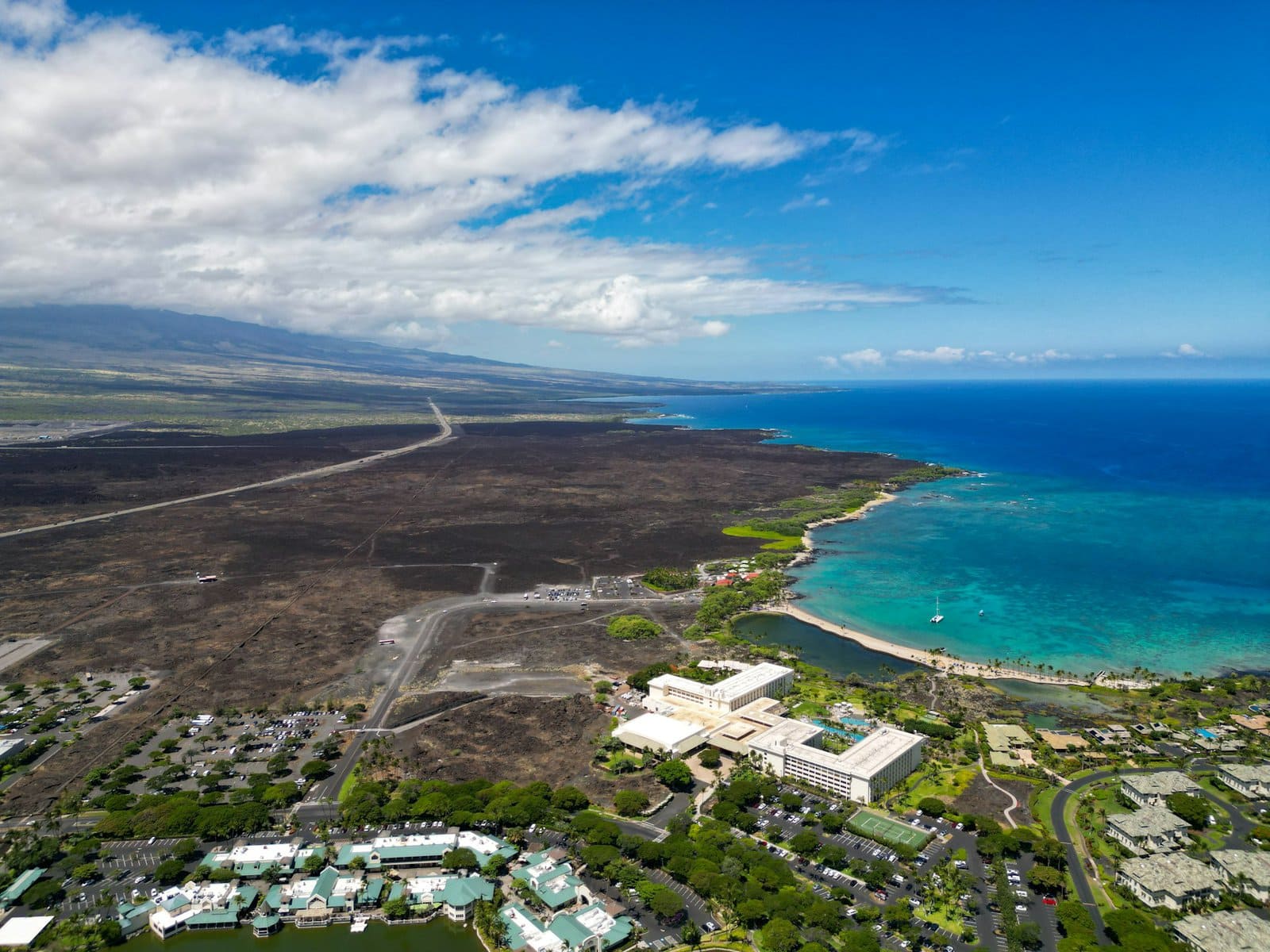
The city of Hilo is a destination for urban exploration and is the gateway to stunning natural sites and the big national park, while Kona on the west side of the island is a tourist destination for vacationing. The beaches near Kona feature dozens of resorts adjacent to some of the most beautiful beaches in the USA.

How many days do you need for a trip to the Big Island of Hawaii?
For a pure trip to the Big Island of Hawaii (excluding lounging days on the beach), you need at least two to three days (if you want to cover all the island's attractions and natural wonders).
Whether you're venturing into the wilderness of Hawaii Volcanoes National Park or relaxing on the beaches of Kona, you need to find a place to stay on the Big Island of Hawaii.
Click here to check availability and prices for hotels on the Big Island of Hawaii…
What are the must-see and must-do things on the Big Island of Hawaii?
- An urban vibe (more or less) along the coastline of Hilo
- Resorts for leisure on the beaches north of Kailua-Kona
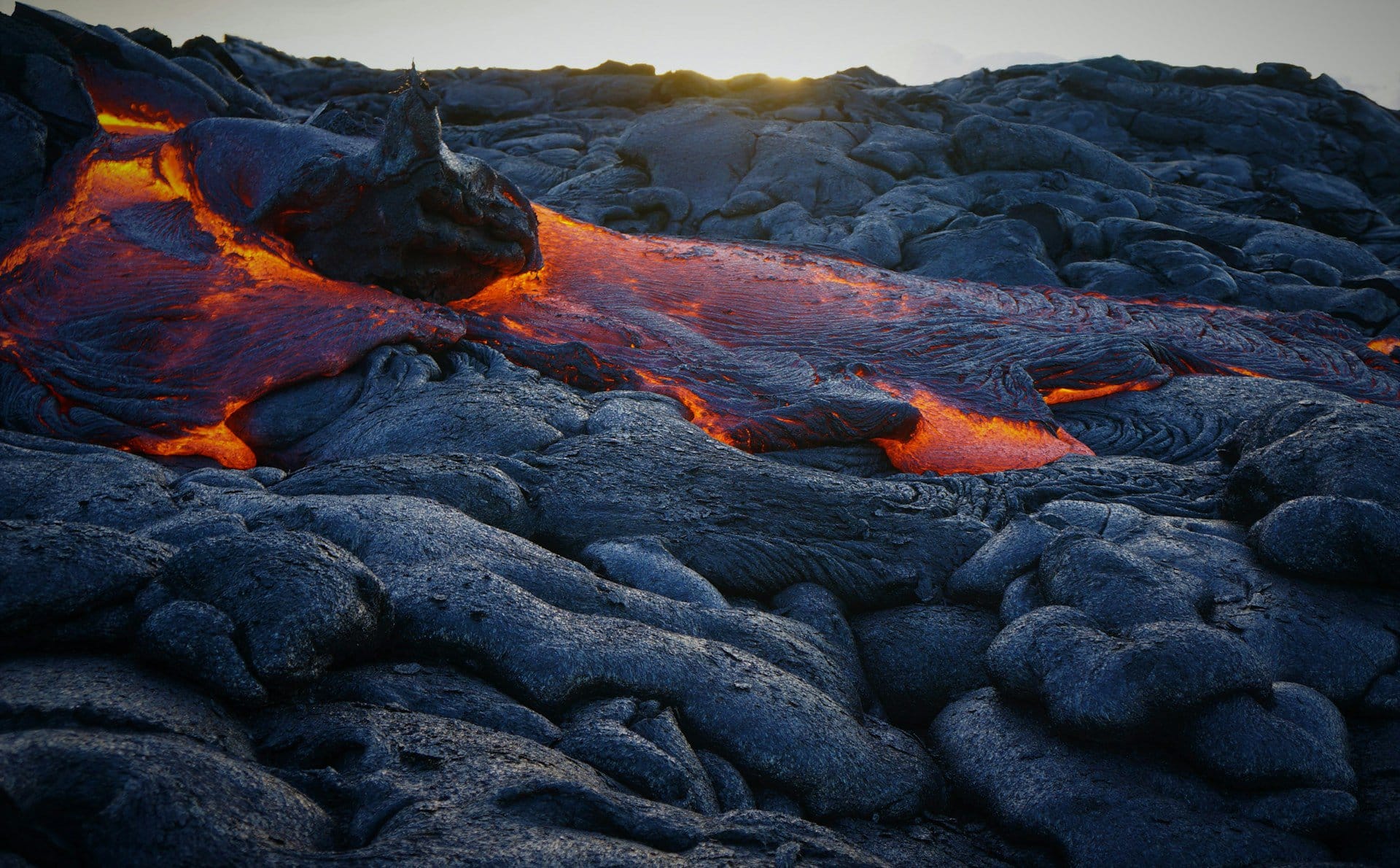
- The Crater Rim Drive Tour around the active Kīlauea volcano
- Black sand beach along the Chain of Craters Road in Hawaii Volcanoes National Park
- Amazing view of the Mauna Loa volcano
- A man-made tropical jungle at the Hawaii Tropical Bioreserve & Garden
- Akaka Falls State Park
- Flashlights through the (no longer present) lava tubes at Kaumana Caves
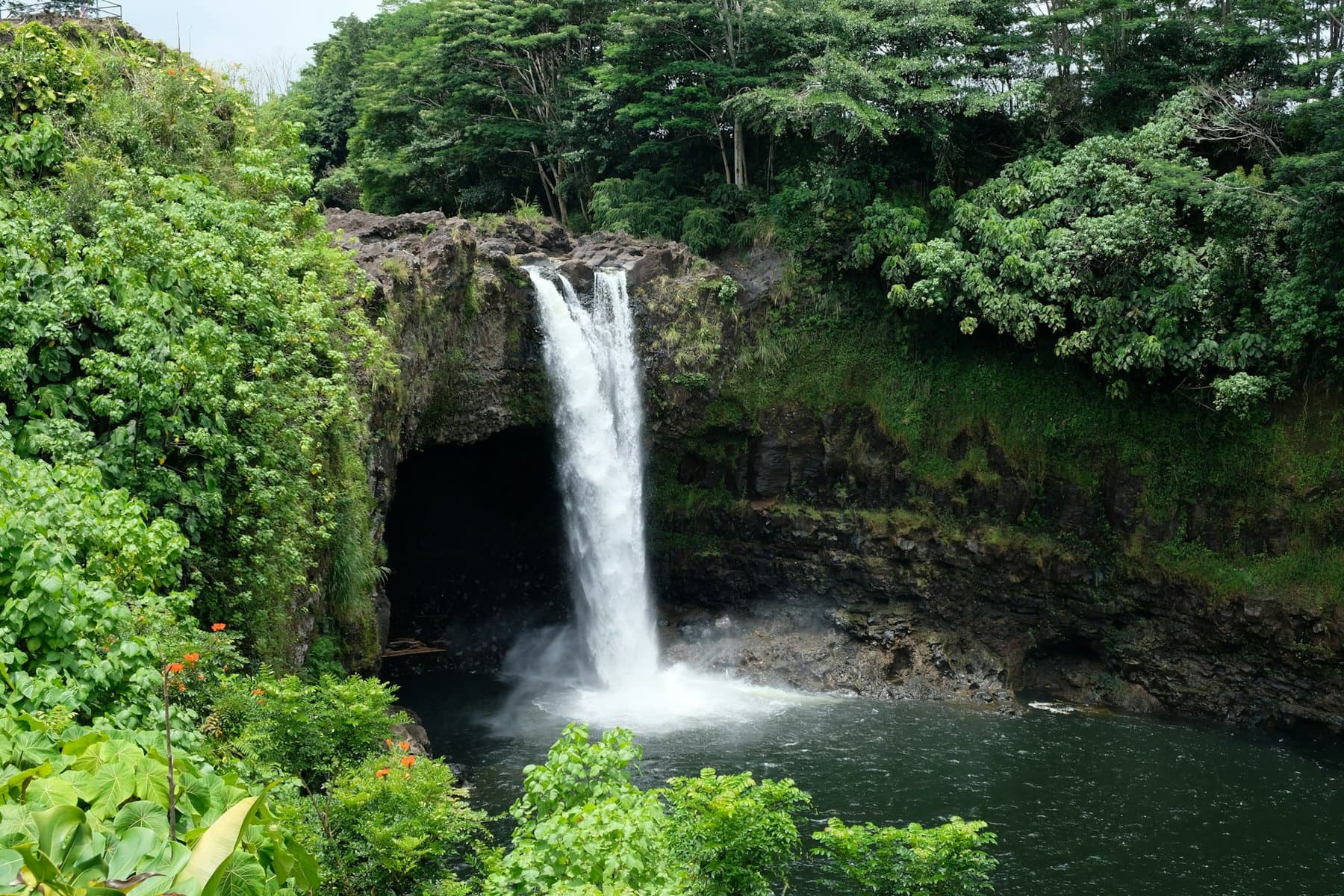
- Rainbow Falls at the Wailuku River State Park
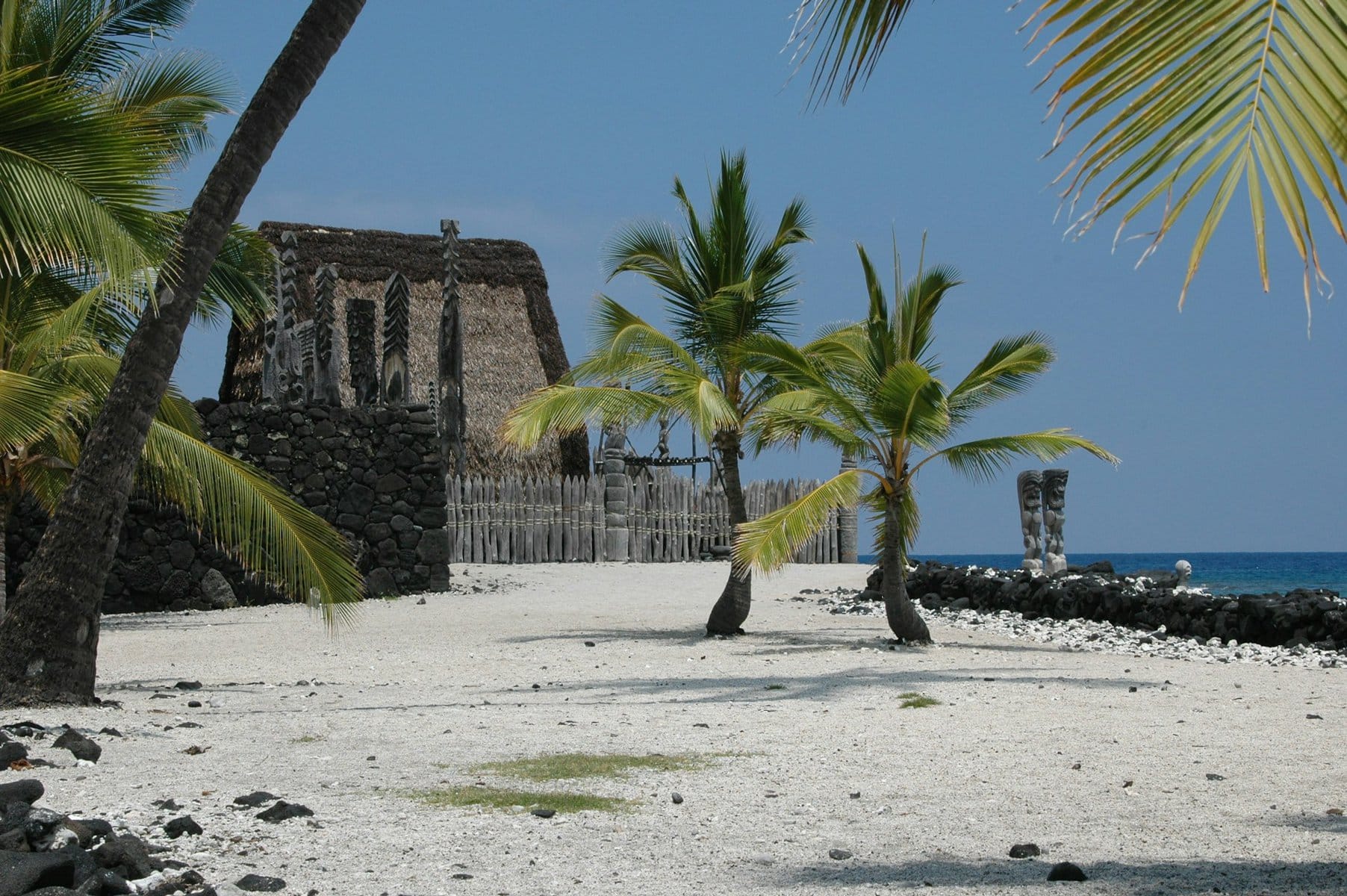
- Learn about native Polynesian culture at the Pu'uhonua O Honaunau National Historical Park
- The geological beaches of the southern island – Punaluʻu Beach – the black sand beach and Papakōlea Beach – the green sand beach
What is the Big Island of Hawaii?
The island of Hawaii (as opposed to the state comprising 19 islands) is the largest of the 50 U.S. states. The state is named after this big island, which is named after Hawaiʻiloa, a Polynesian fisherman considered the discoverer of the island and the neighboring island of Maui, named after his son. When British explorer James Cook arrived on the island, he adopted the name of the Polynesian fisherman (having already named southern islands after him, now known as the Cook Islands).
- The island of Hawaii is the largest of the archipelago islands, the southernmost, the easternmost, and also the youngest geologically (and therefore the most volcanically active).
- The island is the peak of an active volcanic ridge measuring over 10,500 square kilometers (half the size of New Jersey or the island of Sicily in Italy). It is significantly larger than the other islands of the archipelago and continues to grow due to lava pouring into the sea on its southern part, creating additional land along its edges.
- The largest of the island's active volcanoes is Mauna Loa, the largest active volcano in the world, dominating the entire southern part of the island. Its height is almost 4,200 meters above sea level (which is not far due south). The volcano is very active and erupts every few years.
- The eruptions of Mauna Loa are relatively predictable, while its younger sibling Kīlauea is considered much more dangerous and is currently the most active volcano in the world.
- On the small island, there are more volcanic peaks, some of which are active, such as Mauna Kea, Kohala, and Hualālai.
- Due to volcanoes and topographical elevations, the small island has multiple and unstable climate zones and a relatively sparse population.
About two hundred thousand residents live on the island of Hawaii. The largest city on the island is Hilo in the east, housing a quarter of the island's population. The largest city on the west coast is Kailua-Kona.
The island's economy primarily relies on tourism and agriculture. Thanks to the fertile volcanic soil, the island boasts coffee plantations and huge cattle farms. With its stunning beaches, the island has developed awesome resorts along paradise shores.
Click here for all the information on car rental in the USA + useful tips and significant discounts…
Map of Hawaii Island
How to get to the Big Island Hawaii and Hilo?
How to get to the Big Island Hawaii and Hilo by flight?
Ellison Onizuka Kona International Airport at Keāhole (KOA) – The main airport of the Big Island of Hawaii is situated in the western part of the island, north of the city of Kailua-Kona. The airport primarily serves flights connecting the island with Honolulu. It also receives flights from several major airports on the U.S. west coast. This airport replaced Hilo International Airport, which currently only handles flights from Honolulu and Kahului on the island of Maui.
For attractive flight deals to the Kailua airport, click here…
Everything you need to know about lodging and hotels on the Big Island of Hawaii
The island of Hawaii is a developing and particularly vibrant vacation destination. The main tourist activity on the island revolves around pure beach vacations, but the island also welcomes many visitors who come to explore the national park of the volcanoes or the island's stunning natural sites.
Vacation on the Island of Hawaii:
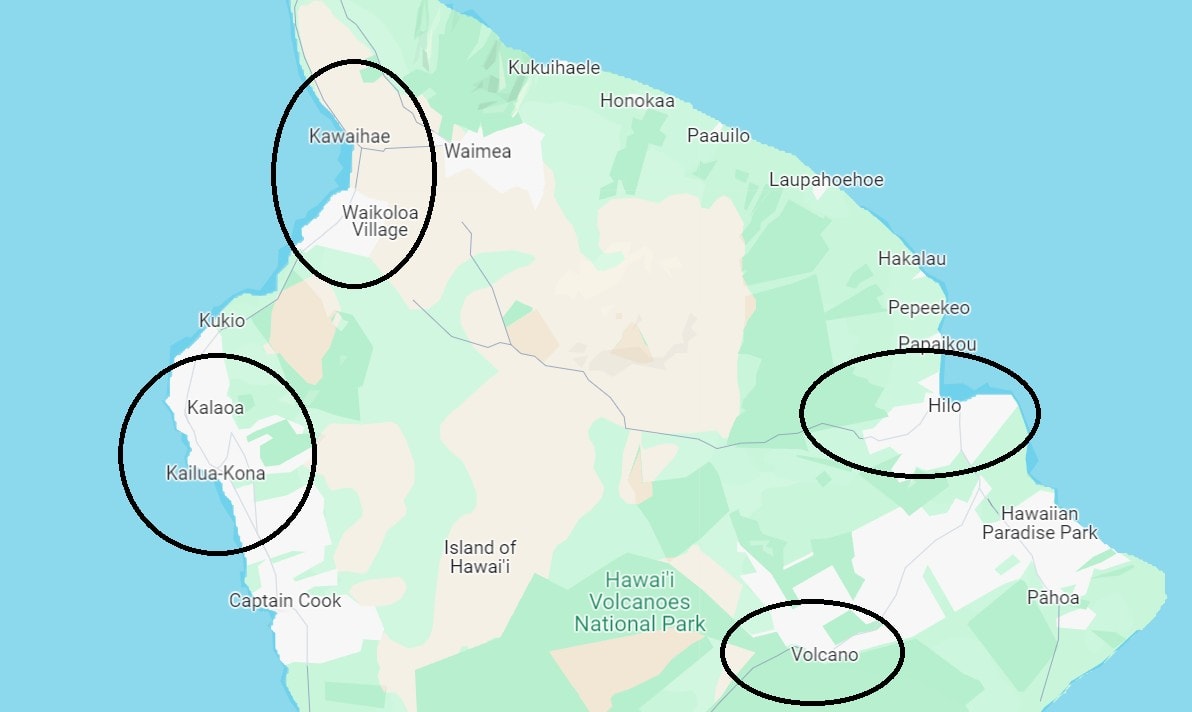
- The main resort area is the excellent beaches north of Kona city, not far from the island's international airport and the city. North of the city, a drive of fifteen to fifty minutes will take you to a long list of large coves with white sand beaches
- Nearby the beaches like Hapuna, Kaunaʻoa Beach, Waikōloa Beach, Anaehoʻomalu Beach, and more, you'll find the island's best and most luxurious resorts
- These are five or four-star resorts with large pools, organized beaches, and all the fun of a summer vacation. You’ll find representation of all the well-known and high-quality international brands
- There are also vacation hotels in Kona itself, at the beaches south of it, and in Hilo on the east coast
Click here to check availability and prices at the stunning Kona hotels and resorts…
The large city of Hilo is the base for exploring the natural wonders of the island, including the national park. In the city center, there are quite a few accommodation options from motels to three-star hotels.
Click here to find a place to stay in Hilo or Volcano…
The town of Volcano (more of a logistical center than a settlement) up the volcanic ridge is also full of accommodations, mostly lodges serving as the gateway to a deep exploration of Hawaii Volcanoes National Park.
Map of Accommodation Areas on the Big Island of Hawaii
How to Plan a Travel Itinerary on the Big Island of Hawaii?
Planning a trip to the Big Island of Hawaii starts with setting the goal of your visit. It's a very popular vacation island with fantastic resorts along the beaches north of Kona on the island's west coast. The Big Island has two main hubs: Hilo on the east coast and Kona on the west coast. The island's main airport is in Kona, but you can also reach Hilo with domestic flights from Honolulu. The travel time between Hilo and Kona is about an hour and a half.
Click here for a guided tour of Hawaii Volcanoes National Park (departing from Hilo)…
- The island's main attraction dominates its entire southern part. Hawaii Volcanoes National Park is one of the most breathtaking destinations among the national parks of the USA. As its name suggests, it is entirely dedicated to volcanic activity. The park's itinerary includes hiking trails close to its main roads.
- The coastline south of the park includes the beach where the lava flows, which is part of the park, and further south – the black sand beach and the green sand beach, which have become popular attractions for a trip.
- Kona is the main resort town of the island of Hawaii. Nearby are several attractions such as the Captain Cook Monument and the Pu'uhonua o Hōnaunau National Historical Park, which is south of it, as well as the great beaches and resorts mostly to its north.
- Hilo is the largest city on the island. It's worth exploring its center and also some of the natural sites on its outskirts (aside from Hawaii Volcanoes National Park), such as Rainbow Falls at Wailuku River State Park, the Hawaii Tropical Botanical Garden, Akaka Falls State Park, and the lava tubes at Kaumana Caves.
Click here to download an app for a guided tour route on the Big Island of Hawaii…
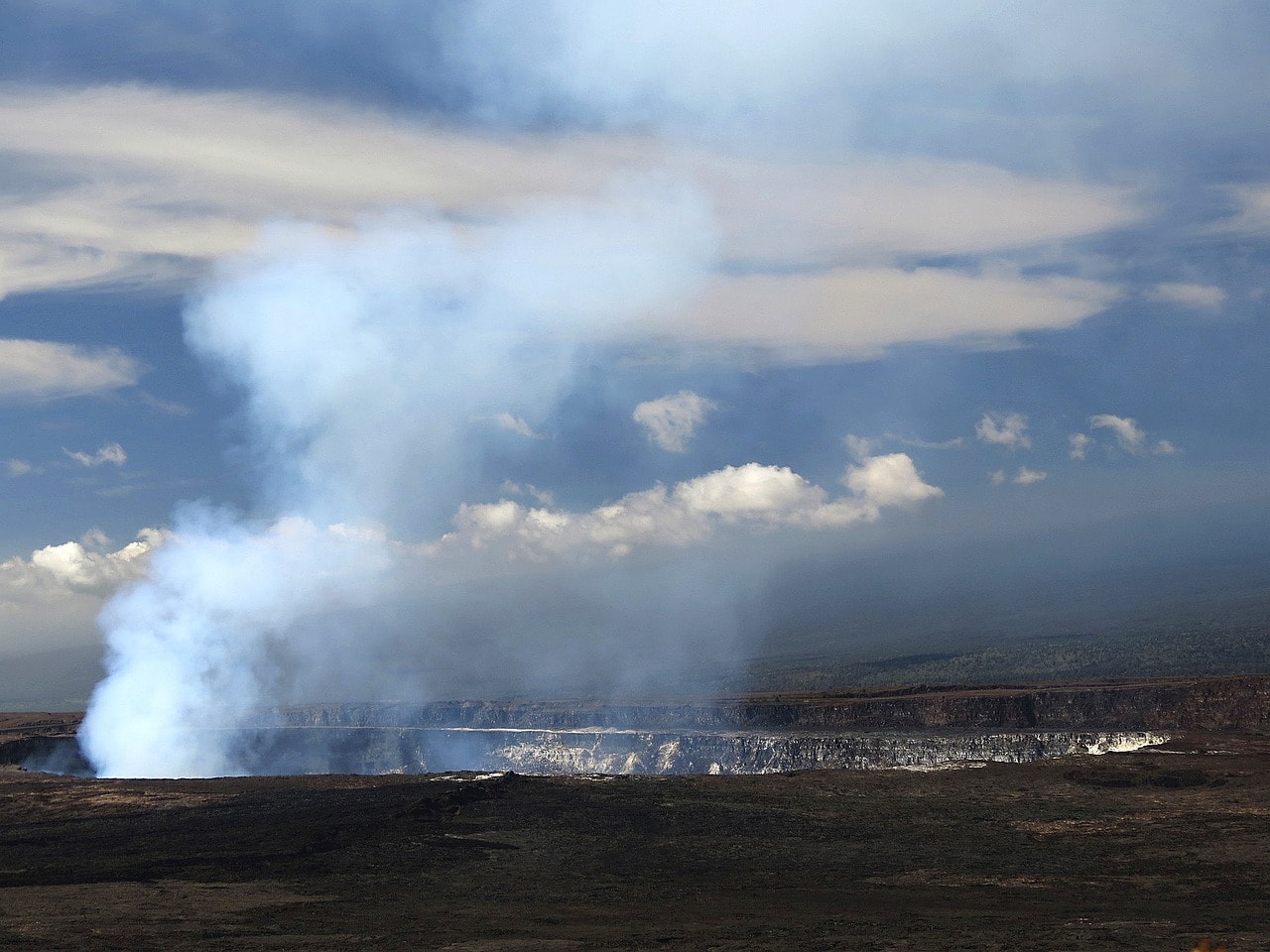
Hawaii Volcanoes National Park
Kīlauea Visitor Center
The Kilauea Visitor Center is the official gateway to the national park and the stunning, unique volcanic range of Hawaii Island. It's a 45-minute drive from Hilo on Highway 11, which runs along the southern slopes of the range. Due to the seismic conditions and the mountain's instability, it's crucial to stop by the Visitor Center where you can get real-time updates on any restrictions or warnings, or find out where you can safely view lava flows.
The park includes Hawaii's southern coastline, a beach built from lava flow and entirely basaltic. This coastline is constantly changing as the lava meets the ocean waters. Above the coast stands the active Kīlauea volcano, with the colossal Mauna Loa volcano towering above it.
Crater Rim Drive Tour
The Crater Rim Drive is the most stunning scenic road in all of Hawaii. It starts at the Kilauea Visitor Center and loops around the active Kilauea volcano, whose summit reaches 1,200 meters. This volcano has been continuously active for over forty years and is officially considered the most active volcano in the world. From the road, you can witness abundant volcanic activity and even see lava flows in certain areas.
For a guided night tour and stargazing from the Mauna Kea volcano observatories, click here…
Parallel to the road route, often slightly up the mountain, stretches the popular Crater Rim Trail hiking path. This is a gentle walking trail without too many ascents and is very popular. You can access the trail from various parking areas along the road. More adventurous trails that approach the volcanic craters also branch out from the road.
On the eastern slopes of the mountain lies the wooded section crossed by the Kīlauea Iki Trail. This popular hiking trail offers breathtaking views of the summit of Mauna Loa, which rises to 4,100 meters to the northwest. It's the largest and most active volcano in the world. The eastern part of the trail leads to Nāhuku, an underground lava tube you can walk through.
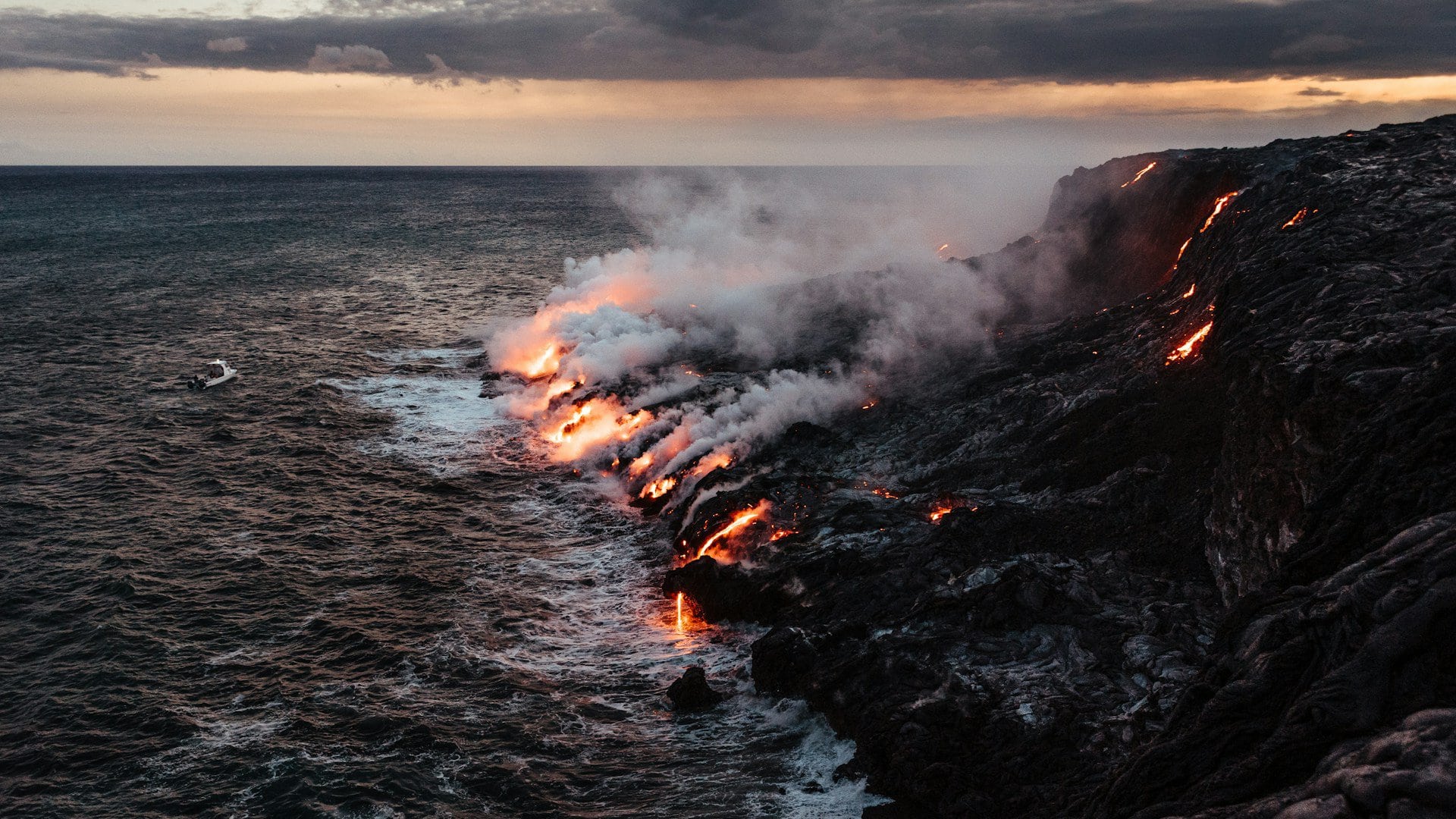
Chain of Craters Road
The Chain of Craters Road goes south from the Crater Rim in the southeastern corner of the Kīlauea volcano. If circling the mountain is an exciting volcanic experience, then this road is a testament to the building of Hawaii's southern coastline by lava flowing into the ocean. All along the way, enormous lava fields stretch out, mostly hard (the initial stage of basalt rock) and some soft and smoking.
Along the way, there are lava tube exits associated with the Kīlauea caldera at the summit. It's worth stopping at Puhimau Crater, Mauna Ulu Crater, Pauahi Crater, Hōlei Sea Arch, and Kealakomo Overlook, where you can see the lava building the island's southern coastline. Kamokuna Beach is where the volcano's lava flows into the ocean waters.
Puʻuloa Petroglyphs
The Puʻuloa petroglyph site is one of the most important historical locations for the Polynesian natives on the island. It is the largest petroglyph site in Hawaii, featuring carvings likely of ritual origin made in the soft lava and embedded in the basalt stones. The site boasts over twenty thousand different carvings and is accessible by a not-too-long trail from Chain of Craters Road.
The Unique Beaches of South Hawaii Island
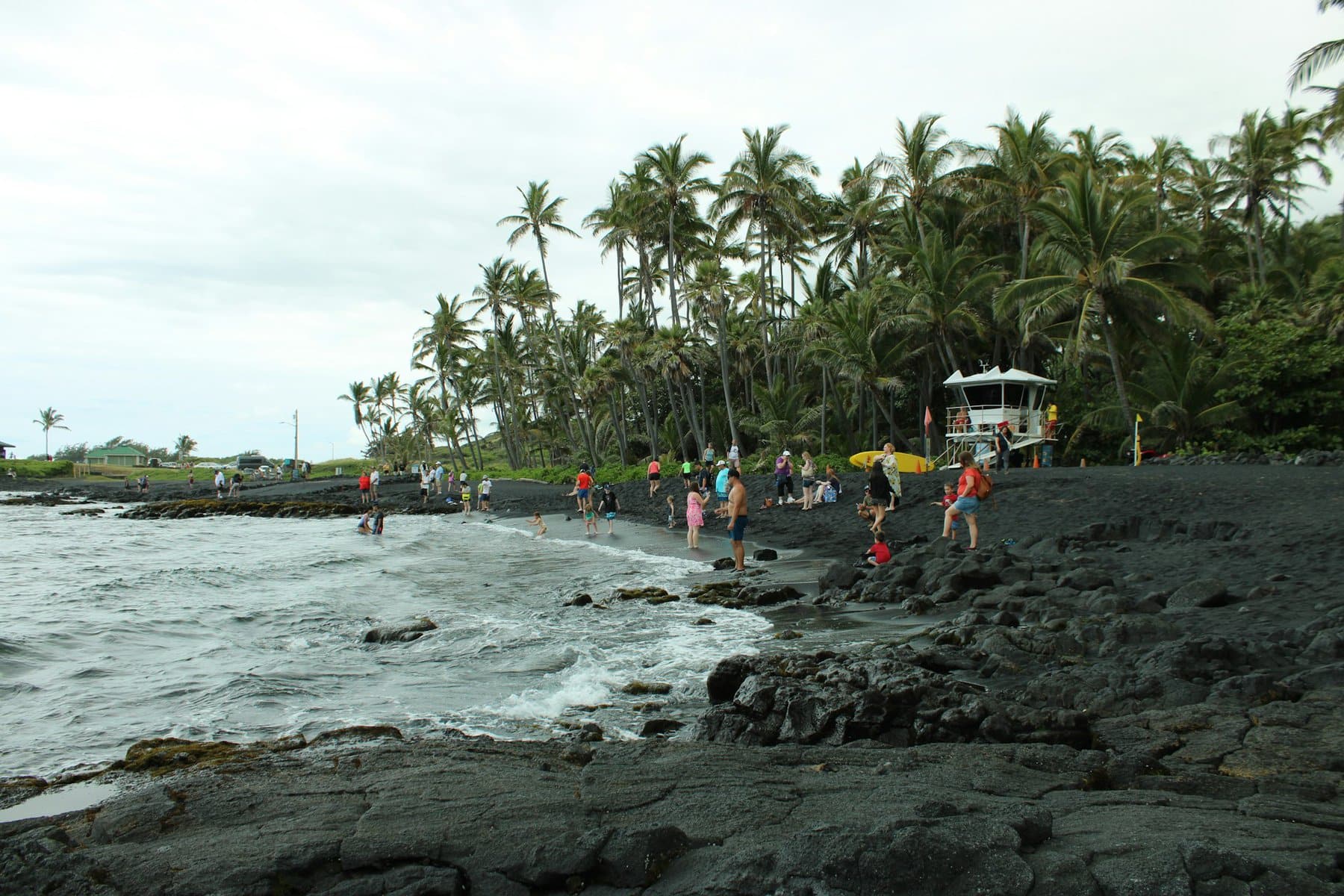
Punaluʻu Beach – The Black Sand Beach
The Black Sand Beach is one of Hawaii's unique attractions that combines the island's two most enticing features – volcanic activity and stunning tropical beaches. The beach was formed from the erosion of basalt stones that were once molten lava meeting the ocean water, a process that's currently occurring east of the beach, at the foot of the Hawaii Volcanoes National Park ridge.
Today, the beach is a calm area in terms of volcanic activity and offers relaxation on a breathtaking black sand surrounded by palm trees. It's a very organized and busy bathing beach, located an hour and ten minutes drive from Hilo (and a little over two hours from Kona). The beach is an important nesting site for sea turtles, and you can see them on the beach. During egg-laying times, there are restrictions on staying on the beach.
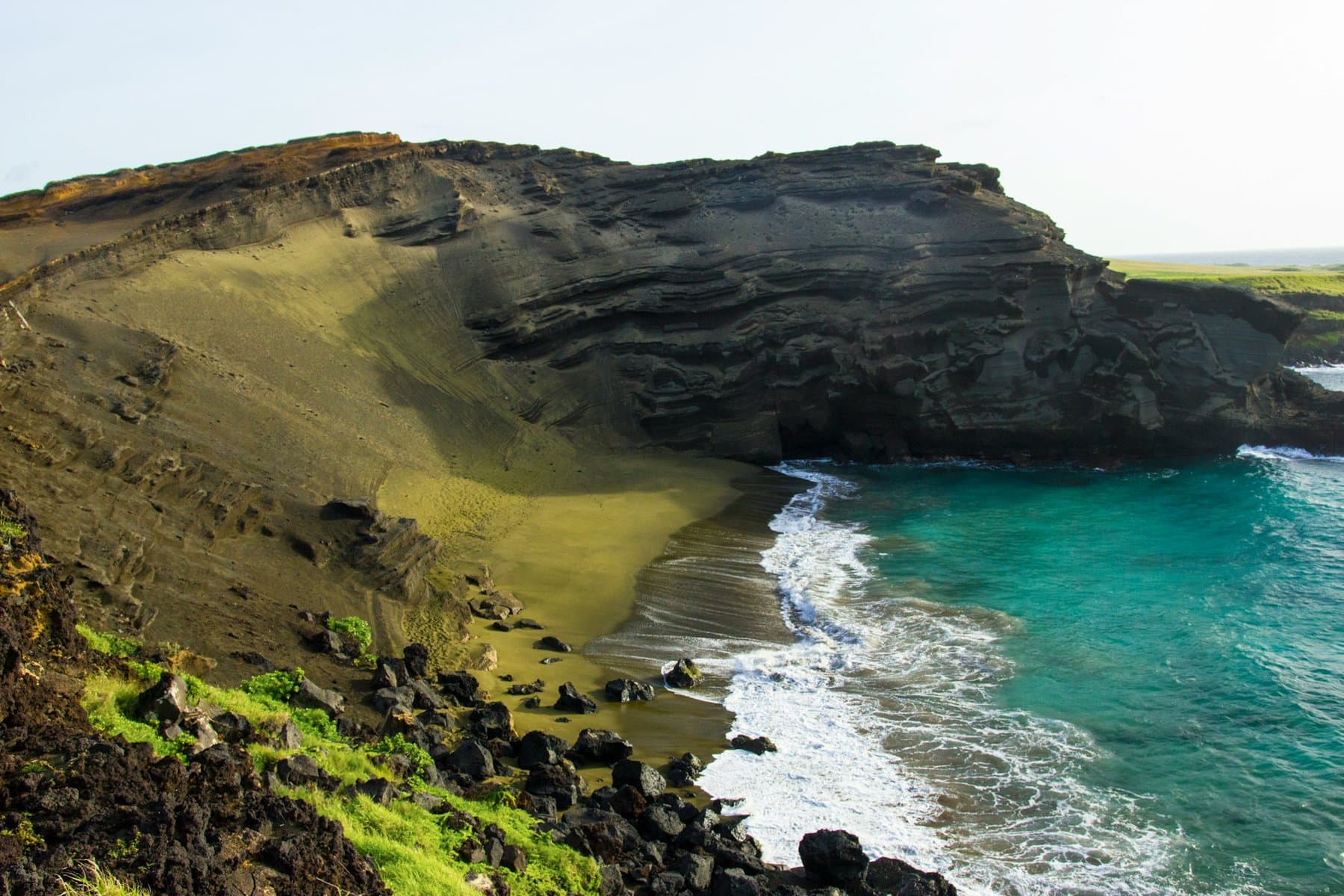
Papakōlea Beach – The Green Sand Beach
About a forty-minute drive southwest from the Black Sand Beach, touching the southern tip of the island, lies another stunning beach that is a geological wonder – the Green Sand Beach. This beach too is a spectacular natural attraction. The sand itself may be slightly greenish, resembling the color of the open, exposed pastureland known as South Point Park. It's a basin of ancient lava flow, crisscrossed by dirt trails leading to the popular beach.
Everything to See and Do in Hilo and Along the Eastern Coast of Hawaii Island
Hilo
The city of Hilo is the largest on the island of Hawaii and the second-largest city in the state of Hawaii after the capital, Honolulu. Around fifty thousand people live in Hilo, located on the eastern coastline of the Big Island of Hawaii at the foot of the intense volcanic ridge dominating the island's south. Hilo is a quaint city, with its center lining the coast along Kamehameha Avenue. Parks and beaches stretch from the city center toward Hilo Bayfront Beach Park.
The heart of this charming city is the Hilo Farmers Market, a place where you can purchase the island's unique agricultural produce. Also located in the center is The Pacific Tsunami Museum, where you can learn about the phenomena resulting from volcanic activity and earthquakes. The island has been significantly affected by tsunamis several times and is considered the main warning center for safeguarding the West Coast of the USA.
Another important museum near the center of Hilo is the Lyman Museum. It's the historical mansion home of David Belden Lyman, where he lived with his family in the mid-19th century. The mansion was built in the style common to New England. The museum is the place to learn about the lifestyle of the first white settlers on the islands, as well as a spectacular display of minerals originating from the volcanic ridge above.
Rainbow Falls in Wailuku River State Park
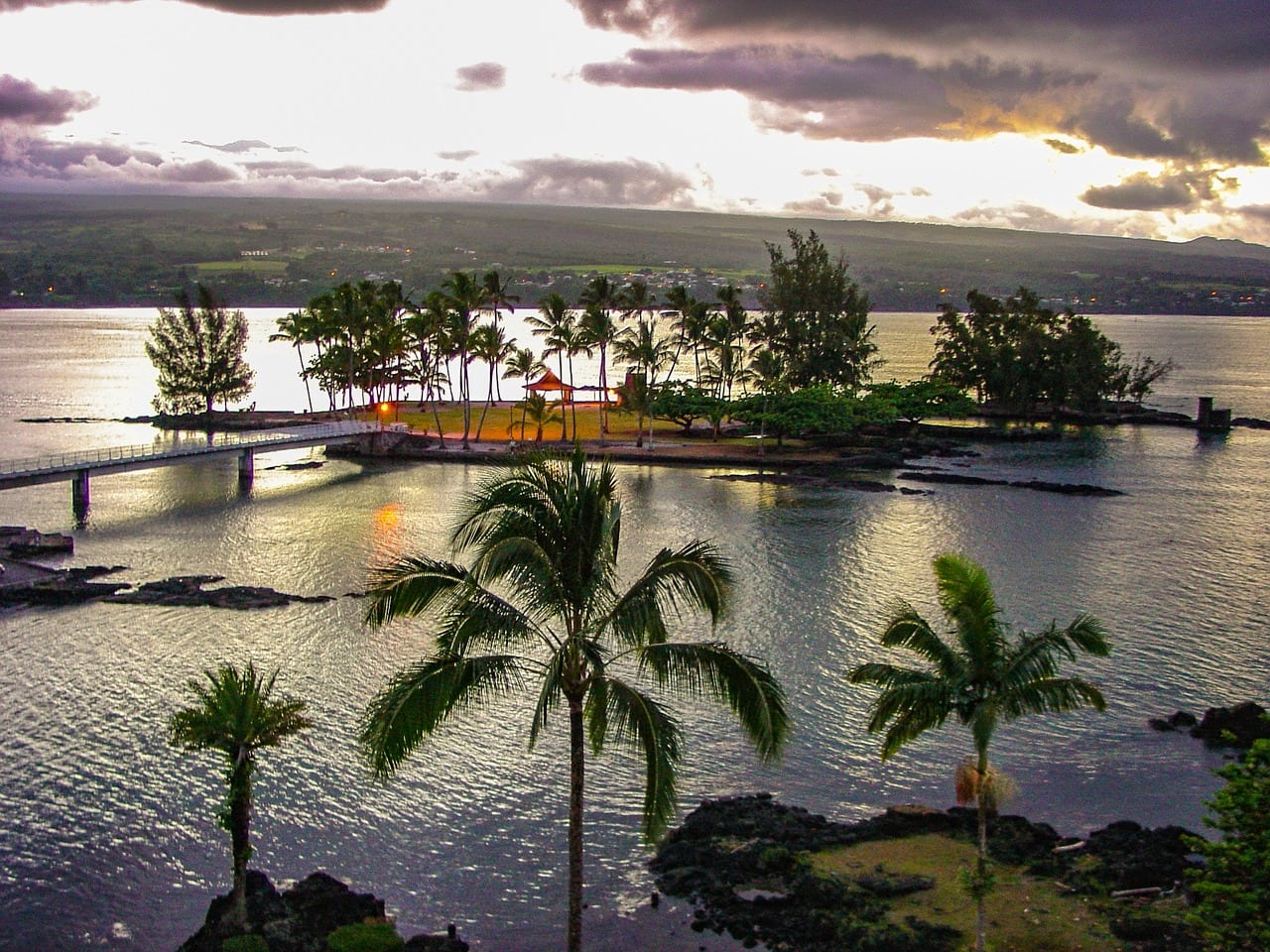
On the western outskirts of the city of Hilo is the breathtaking site of Rainbow Falls, which are part of the Wailuku River path that flows into the ocean in the city center. The falls are accessible by car, just a five-minute drive from downtown.
From the parking lot, a short trail leads to a vantage point where you can see the largest waterfall in the series, over thirty meters high. Due to the water rushing through the falls between the river's pools, mist forms from the spray, refracting the sun's rays to create a rainbow over the stream.
Click here for all the latest park information and hours…
Hawai‘i Tropical Bioreserve & Garden
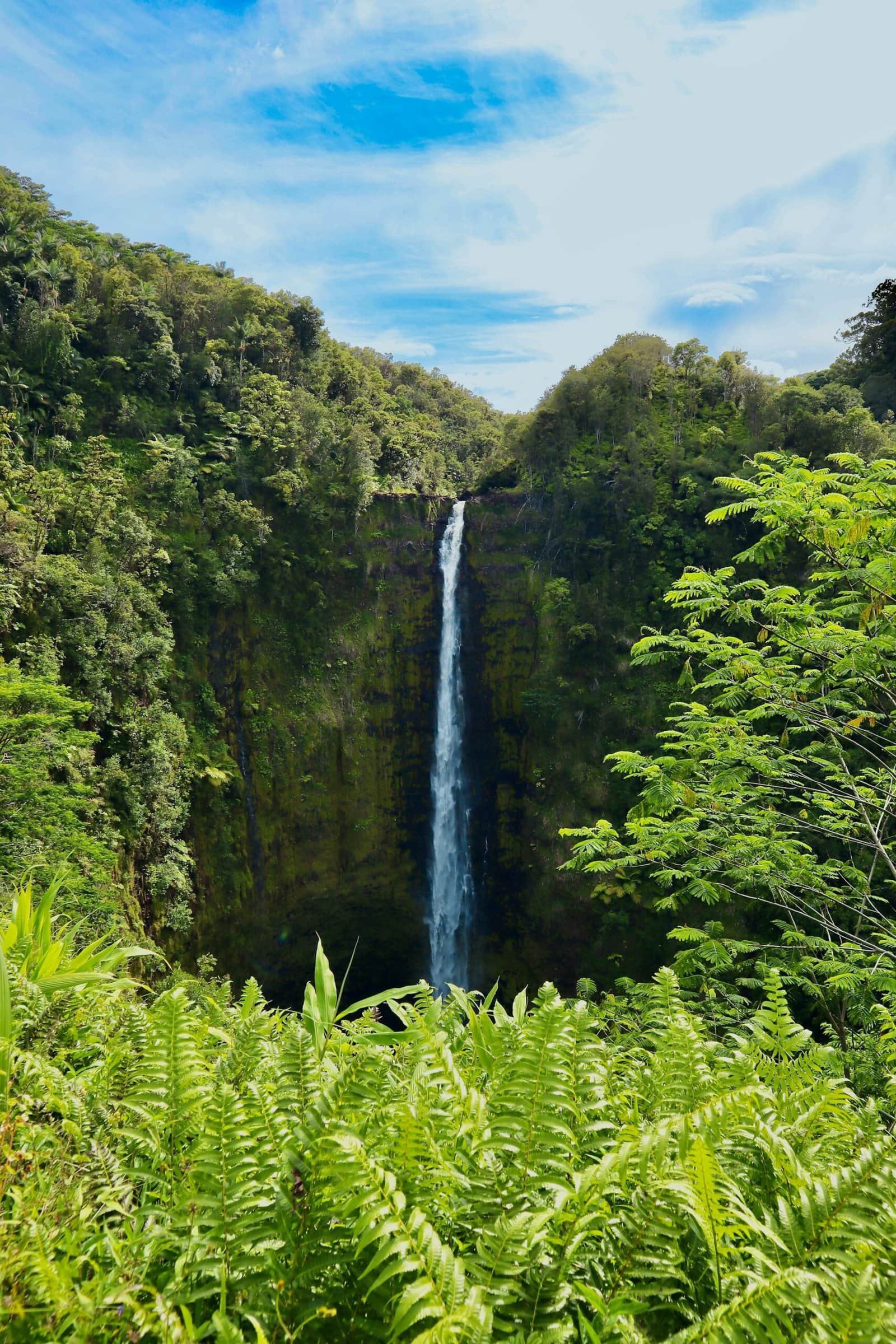
The island's largest botanical garden is just a 15-minute drive north of Hilo. It's a massive tropical garden with more than two thousand different species of native plants, some of which are endangered. The gardens are a beautiful place to visit, offering trails through the forests, streams and waterfalls, picnic areas, and everything the nature and tropical air of Hawaii have to offer, with charming landscaping.
Address: Mamalahoa Hwy, Papaikou
Click here for the current garden hours and fees…
Akaka Falls State Park
Akaka Falls is one of the most famous destinations in all of Hawaii. The falls are located a twenty-five minute drive north of Hilo in the western part of the vast Hilo Forest. From the park's orderly parking lot, you embark on a circular trail just under a kilometer long through the tropical forest. From the trail, you can see the falls, the largest of which is 91 meters high, as part of the Kolekole Stream route.
Click here for current park hours and costs…
Kaumana Caves
The site of Kaumana Caves is a ten-minute drive from downtown Hilo heading towards the volcanic ridge. The caves are a lava tube formed in the late 19th century as part of an underground system connected to the magma flow of Mauna Loa. You can enter the caves and walk along a path. The caves are dark, so you must bring flashlights (preferably on a hat).
Everything to See and Do in Kona and the West Coast of the Big Island of Hawaii
Kailua-Kona
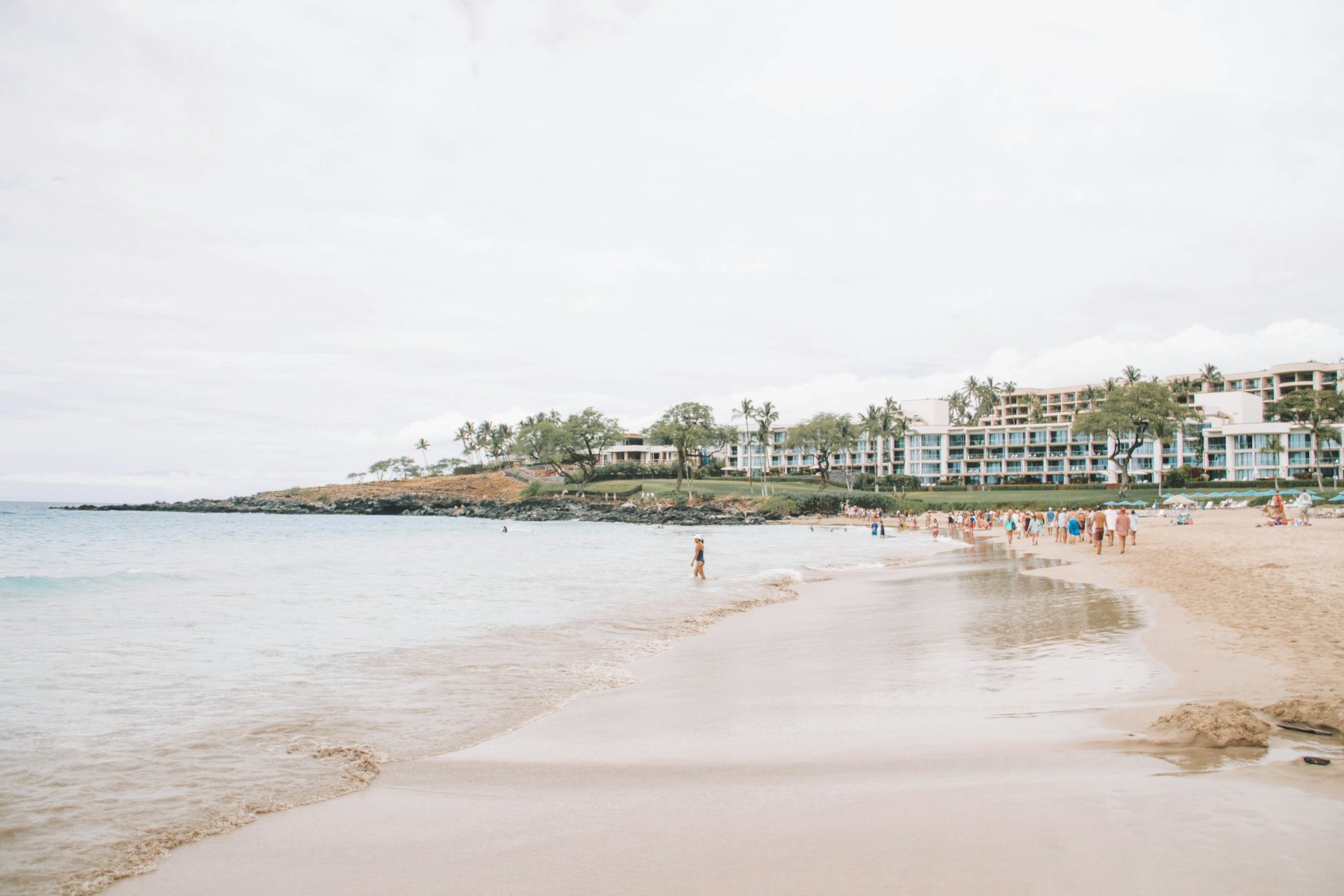
The second largest city on the Big Island of Hawaii is Kailua-Kona (Kona is the region's name, and the city is also known as Kona Town or Kona). This small city is home to about twenty thousand people and spans the west coast of the Big Island. Kona is a popular tourist destination that developed rapidly with the opening of the international airport north of Kailua.
Click here for a short submarine adventure and a view of the reef near Kona…
The city is considered much more attractive than the larger Hilo, and along the city's main avenue, Aliʻi Drive, there are many hotels, restaurants, and stunning beaches. The city hosts the annual Ironman Triathlon marathon held in Hawaii in October.
Click here for a night cruise and watching manta rays…
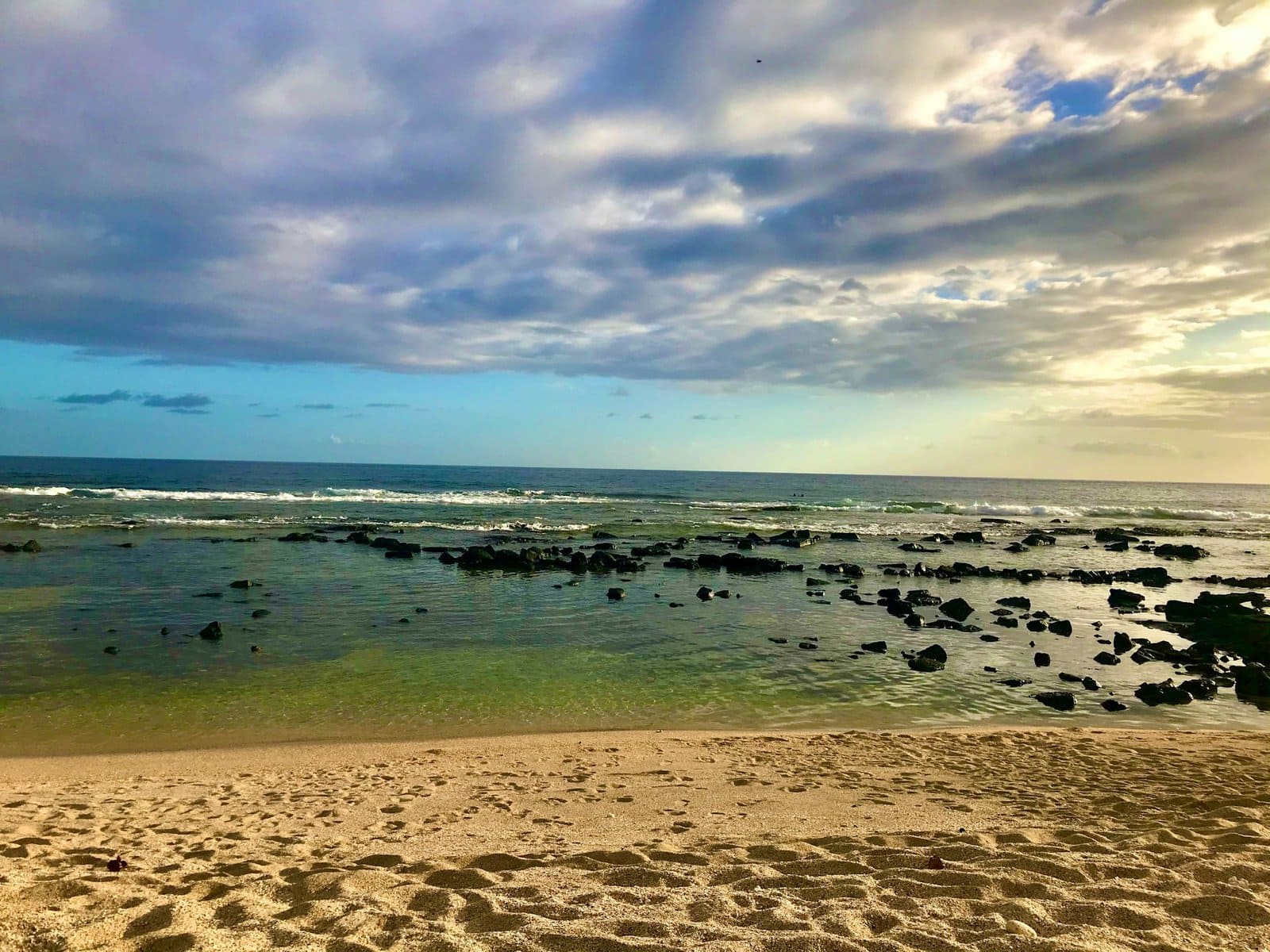
Kailua is the coffee trading hub of the island, where all the fresh produce from farms on the northern slopes of the volcanic ridge arrives. In town, you can enjoy excellent and fresh coffee, making it an attraction for coffee connoisseurs. The town center offers several attractions such as the small Kamakahonu Beach near the Kailua Pier. The pier is a departure point for diving trips with manta rays. In the southern part of the town, the popular Kona Farmers Market operates, and next to it, the open-air Kona Inn Shopping Village.
Click here for a night dive with manta rays…
Beaches near Kona and on the western part of Hawaii Island
Near the city of Kailua-Kona, there are many popular beaches for swimming, diving, and relaxing. These beaches are part of Kona's growing tourism industry. Magic Sands Beach Park, slightly south of the city, is one of the island's unique beaches because it gets swallowed by the tide. Today, it is a sort of attraction and is often crowded with swimmers when it is exposed.
Click here for a guided snorkeling tour on the Big Island of Hawaii…
North of the city, a forty-minute drive north from Kona, you'll find some popular beach resorts. The lovely Hapuna Beach is a wide white sand beach and is considered one of the most beautiful on the island. Just north of it is Kaunaʻoa Beach, or Mauna Kea Beach (named after the large resort behind it), also a very popular wide white sand beach for vacationing. North of Kona, there are numerous small secluded beaches such as Waikōloa Beach, Anaehoʻomalu Beach, and more, which are known for having the best resorts on the island.
Pu'uhonua O Honaunau National Historical Park
The Pu'uhonua o Honaunau National Historical Park is an important historical site on the west coast of the Big Island of Hawaii. Located a half-hour drive south of Kona, it's considered one of the most sacred sites in the archipelago. The park is part of Polynesian tradition that allowed those who broke laws and were sentenced to death to evade punishment and relocate to Pu'uhonua, meaning ‘place of refuge,' where they had to live under the authority of religious priests.
Today, the park is a popular tourist site where you can walk among the traditional houses of Polynesian residents and admire traditional sculptures. The site is located right on the ocean shore in a particularly peaceful and pastoral area. The historical site was opened in 1955 as part of an effort to preserve Polynesian culture and functions as an open-air museum.
Click here for the site's current operating hours…
Captain Cook Monument and Kealakekua Bay
The monument of James Cook, the British explorer and the first European to reach the island, is located a twenty-five-minute drive south of Kona in a wooded area west of the township of Captain Cook. The monument is a nine-meter tall white obelisk placed in the wooded northern part of the shore of Kealakekua Bay in 1874. The obelisk marks the place of Cook's death after he was killed in a battle with the island's natives. You can reach the monument by hiking through the forest from the township or by boat. The beach near the monument is a popular snorkeling spot.