Pennsylvania Dutch Country – Lancaster County and Gettysburg
The countryside to the west of Philadelphia and north of Washington D.C. has over the years become one of the main attractions in northwestern USA. North of Washington lies the famous Gettysburg battlefield, which each July turns into a massive attraction as thousands of reenactors gather on the historic grounds to recreate the Civil War battle. To the north, the state capital Harrisburg, and to the east, the Pennsylvania Dutch Country, also known as Amish Country, is a rural area full of tourists eager to see the unique Amish way of life.

How many days in Pennsylvania Dutch Country?
To explore Amish Country, Harrisburg, and Gettysburg, it's best to allocate at least two full days or even three (to take your time). You can also make it a lengthy one-day trip if you skip Gettysburg.
Most travelers in Amish Country choose to stay in the beautiful countryside or in Philadelphia.
Click here to check availability and prices in Amish Country…
What must-see attractions and activities are there in Pennsylvania Dutch Country and Southeast Pennsylvania?
- Gettysburg battle reenactment in early July
- The impressive Harrisburg Capitol Building
- Stroll through Amish villages in Lancaster County
- Chocolate from all angles in Hershey
What is Amish Country – Pennsylvania Dutch Country?
- The countryside west of Philadelphia and north of Baltimore and Washington DC, along the Susquehanna River Valley, is currently one of the most toured rural areas in the USA. The main reason to visit the area is, of course, the Pennsylvania Dutch Country, or Amish Country.
- Lancaster County is what's known in tourist terms as Amish Country, the rural area where the Amish, Mennonites, and other devout Christian sects live, preserving a lifestyle that resists progress and technology.
- For ages, Pennsylvania has been regarded as the state from which the most devout and extreme streams of the renewed Christian religion under Protestantism have emerged. Streams such as Jehovah's Witnesses originated in Pittsburgh in the western part of the state, and it's also a significant part of the development of the Mormon religion.
For a guided tour of Lancaster County, click here…
To the west of Lancaster lies the state capital, the relatively large city of Harrisburg on the banks of the Susquehanna River. This historic city makes a nice stop, with interesting museums and, of course, the grand Capitol building complex. On its outskirts is Hershey, the place where the chocolate so closely associated with America is produced.
South of Harrisburg, you'll find the historical battlefields of Gettysburg. Gettysburg was the site of one of the largest and most decisive battles of the American Civil War, and it's also where President Lincoln delivered the historic Gettysburg Address.
Map of the Pennsylvania Dutch Country
How to get to Lancaster County?
How to reach Philadelphia and Harrisburg by flight?
Philadelphia International Airport (PHL) – This major airport is located south of the historic city center. It is well-connected to downtown via the I-95 freeway, which leads right into the city in just 10 minutes. Philadelphia Airport is one of the hubs for American Airlines and is conveniently linked with all major airports in the U.S. and major airports in Europe. The travel time from Philadelphia Airport to Lancaster County is about two and a half hours.
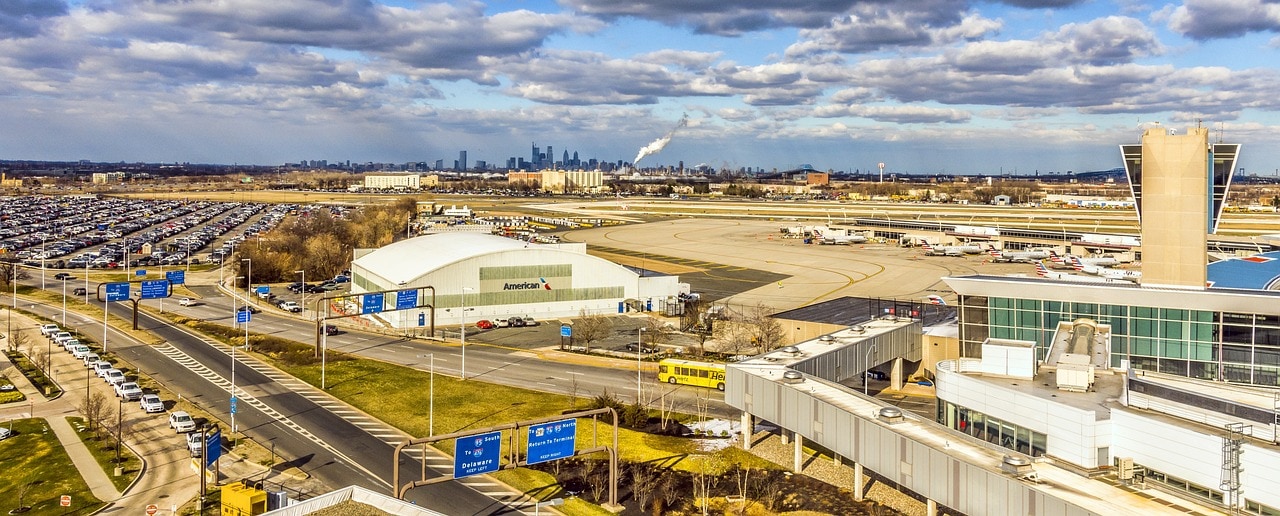 Philadelphia International Airport
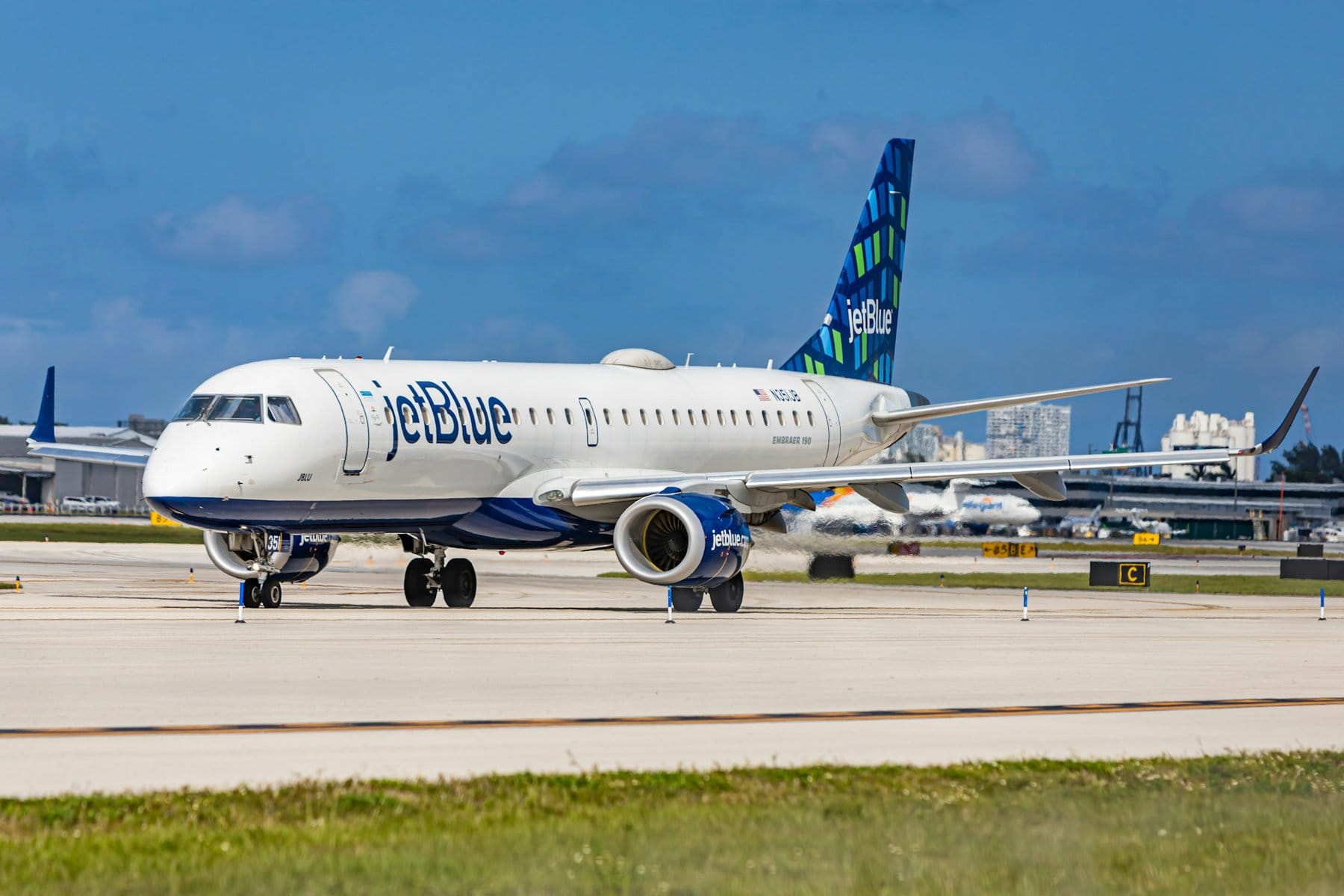
Newark Liberty International Airport (EWR) – New York's second-largest airport is located in New Jersey, between the city of Newark to the north and Elizabeth to the south. The airport has three terminals connected by an efficient AirTrain system. It is a hub for American Airlines, JetBlue, and American Express, making it accessible to every corner across the USA. The airport offers numerous flights from all over Europe and Israel, including El Al. The travel time from Newark to Lancaster is about two and a half hours as well.
Click here to check flight prices to Philadelphia or New York…
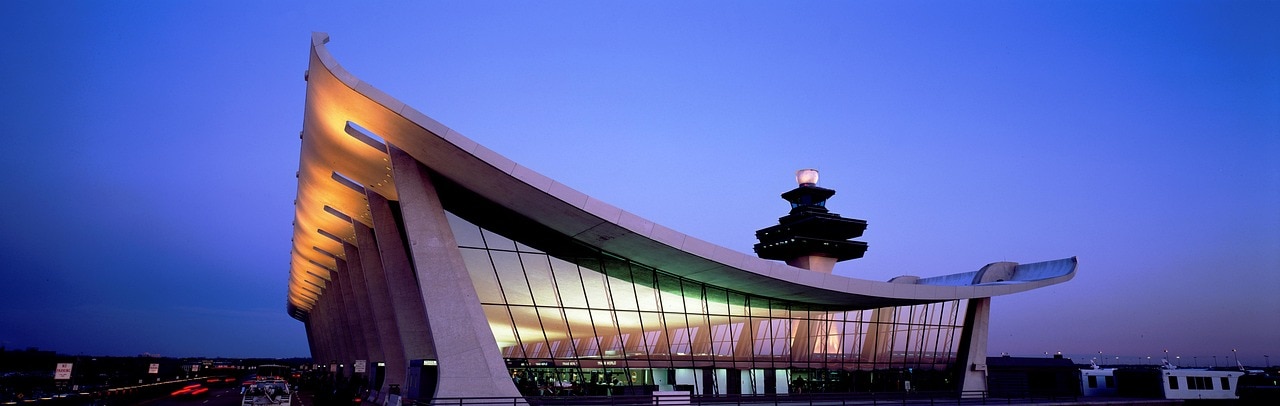
Dulles International Airport (IAD) – Dulles is the main airport for Washington D.C. It is located 40 kilometers west of the city in Virginia. The airport is a hub for American Airlines and is well connected with direct flights to Ben Gurion Airport. Washington's airport is about a one and a half hour drive from Gettysburg in southern Pennsylvania and a bit over two hours from Harrisburg.
How to reach Pennsylvania Dutch Country by car?
- Highway 76 connects Philadelphia with Harrisburg, the capital of the State of Pennsylvania. This road passes north of Lancaster County, from which you can detour to explore the Amish countryside
- Highway 83 runs south from Harrisburg towards the city of Baltimore
- To reach Gettysburg, exit the highway at the small town of York and drive west on Interstate 30
Click here for all the info on car rental in the USA + helpful tips and significant discounts…
When to Visit Pennsylvania Dutch Country?
Just like the overall area, traveling in the southeastern part of Pennsylvania largely depends on the weather.
- The best time to travel in the area is in early summer. At the beginning of July, the spectacular reenactment of the Battle of Gettysburg takes place, and the whole town fills with visitors and volunteer actors recreating the battle
- In late spring and summer, the weather is great, warm, not too rainy, and the sunlight hours are long
- Spring months are also pleasant for a visit, featuring stunning blossoms and strong river and stream flows
- Fall months are also characterized by the impressive blooming of northern USA, though there can be some rainy days
- The winter in the area is quite harsh, often very cold to freezing
How to Plan a Trip to Pennsylvania Dutch Country?
- You can set out from both Philadelphia and Washington D.C. for a trip to Pennsylvania Dutch Country and Gettysburg
- For those coming from New York, the base will naturally be Philadelphia, from where you'll travel west towards Lancaster County
- The trip itself is circular, from Philadelphia to Lancaster, then to Hershey and Harrisburg and then south towards Gettysburg. From Gettysburg, you can either continue south to Washington D.C. or head back to Philadelphia
Click here for trip planning in Amish Country and professional consultation…
The trip itself must be done with a rental car, including driving on the most rural roads of Lancaster County where you can see Amish buggies.
Click here for all the info on car rental in the USA + helpful tips and significant discounts…
Everything You Need to Know About Lodging in Pennsylvania Dutch Country
- Staying in Amish country and the entire southeastern part of Pennsylvania is based on country inns and motels
- Country inns can be found in all the towns in the area, including some really intimate and unique ones
- Motels are mainly located near Highway 76, both close to towns and directly along the road
- There are also urban hotels in Hershey and Harrisburg
- You can also take a day trip in the area from either Washington D.C. or Philadelphia, so you essentially stay in the two main cities (Click here for everything you need to know about lodging in Washington D.C.…)
Click here to check availability and prices in Amish Country…
Click here to find accommodation in Philadelphia…
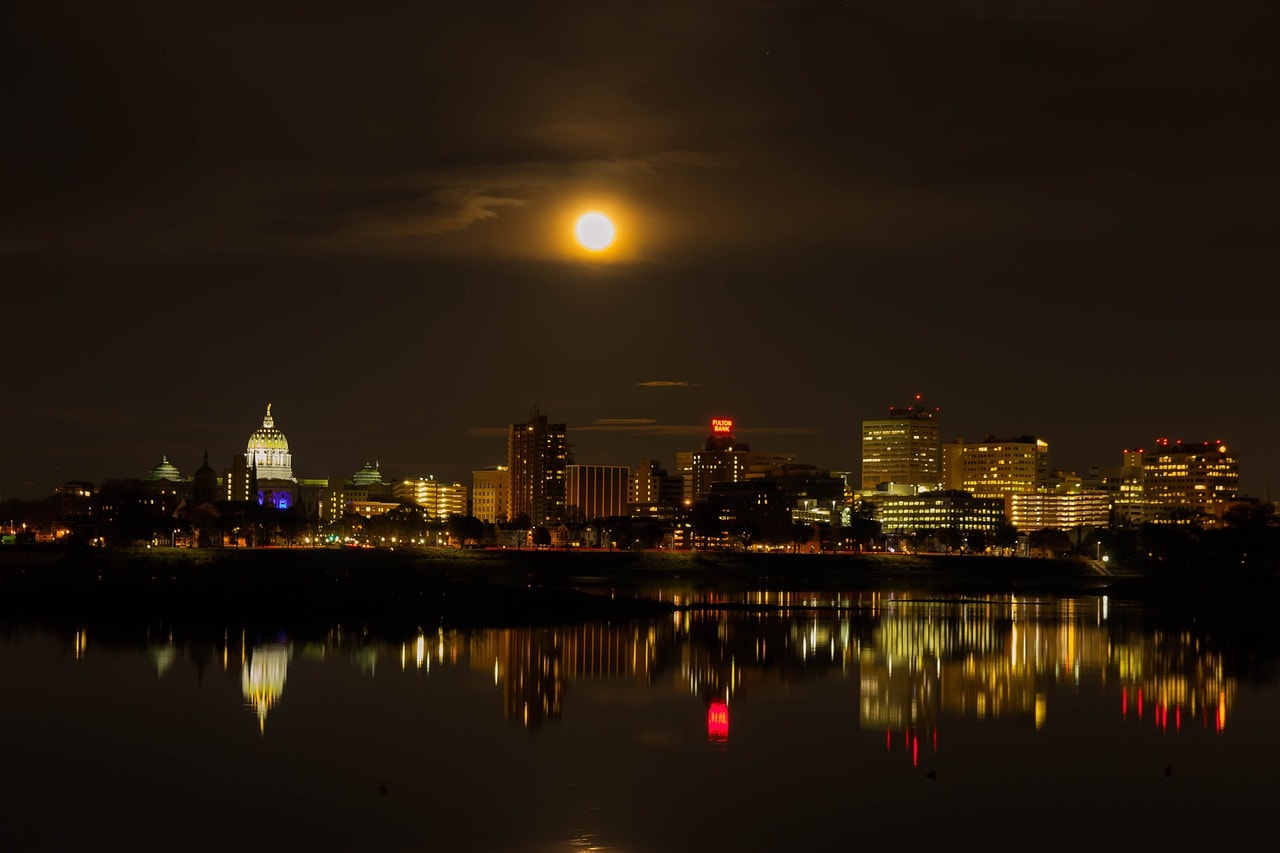
Everything to See and Do in Pennsylvania Dutch Country
Lancaster County – Pennsylvania Dutch Country
Visit to Amish Country
Today, the Amish have become something of a tourist attraction. The countryside of Lancaster County features the pinnacle of American technology alongside Amish members traveling on horse-drawn buggies. About thirty thousand Amish members reside in the county, accounting for about 7% of the county's total population. They all live in the rural area surrounding the city of Lancaster.
Click here for a day trip from New York to Amish Country and Philadelphia…
In the agricultural area around the city, the proportion of Amish is much higher. Today, there's an entire industry of paid tours departing from Philadelphia or New York, with tourist buses arriving to see the secluded lifestyle of the community.
You can see Amish communities mainly on the outskirts of the small town of Lancaster and in the towns of Strasburg, Intercourse, New Wilmington, neighboring Volant, Bird in Hand east of Lancaster, and several other small villages.

Lancaster
The city of Lancaster, the capital of the county named after it, is also the urban base for a trip to Pennsylvania Dutch Country. The city is home to about sixty thousand residents. Lancaster was founded in 1729, and its historic center still retains some old buildings. The heart of the small city is the intersection of Queen Street and King Street, where the Soldiers and Sailors Monument stands on a high column. In the city center, there are hotels and motels as a base for a trip in the rural area on its outskirts where the Amish can be seen.
Click here for a tour in the Amish Country…
Hershey
The town of Hershey was established in 1903 in the countryside east of Pennsylvania's capital, Harrisburg, on the land of Derry Township. The town was built around the massive chocolate factory of Milton S. Hershey. Hershey was born and raised in Derry Township and eventually it became almost a city where his factory workers lived. The Hershey chocolate factory is considered the largest among the chocolate factories in the USA. Their most famous brand is Hershey's Kiss, an American version of the Italian Baci.
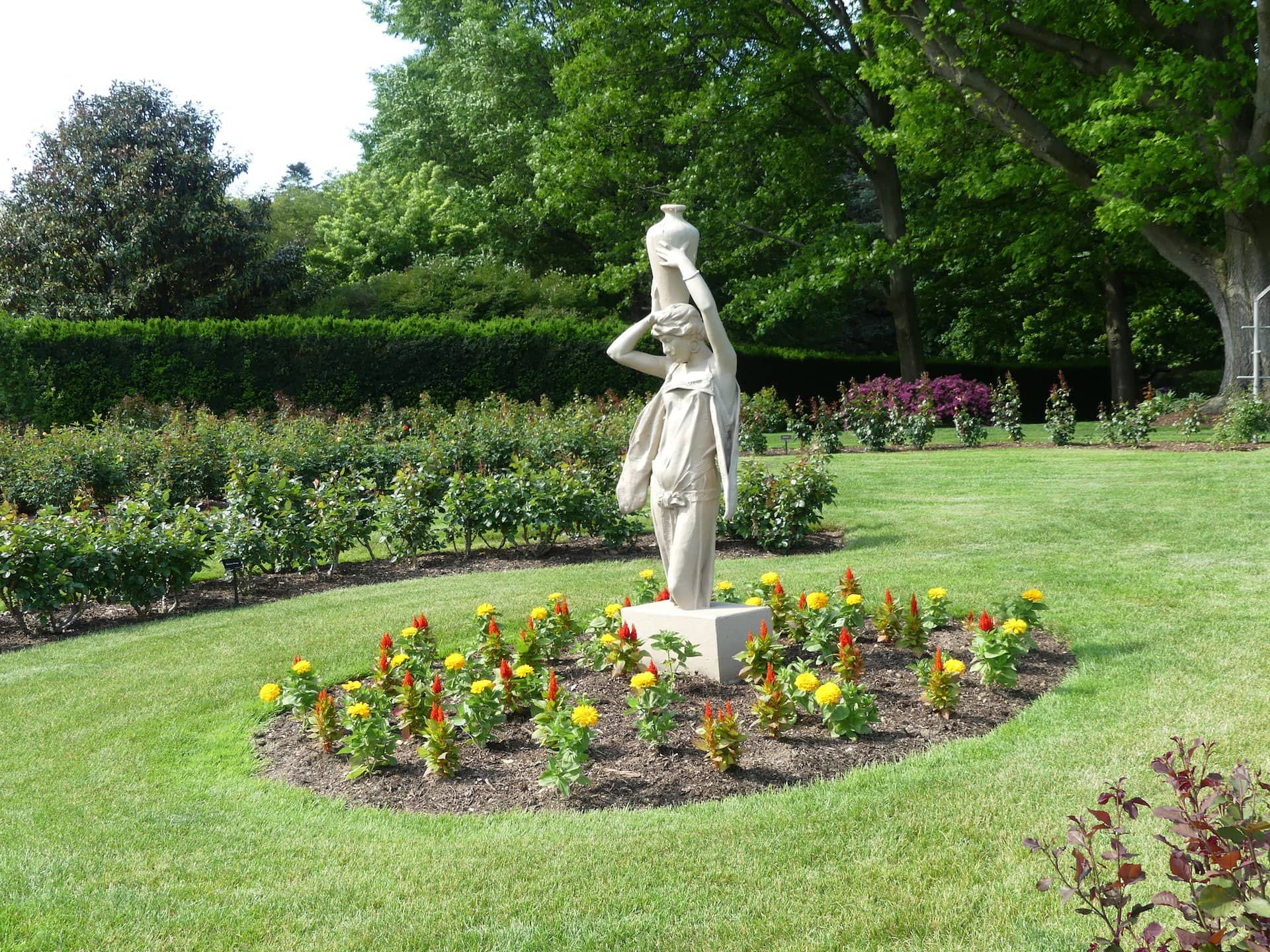
The center of the town is Chocolate Avenue. Along it, you'll find restaurants, cafes, and motels, all somehow related to chocolate. On the avenue is also The Hershey Story Museum, a sweet attraction for the whole family.
North of the avenue, across the Spring Creek path, lies Hersheypark amusement park. This park is a smaller version of Disneyland, only with chocolate instead of cartoon characters.
Click here for a guided motorbike tour of Hershey Gardens…
South of the town, you'll find the charming Adventure Sports In Hershey amusement park, filled with fair rides, games, and of course, loads of Hershey memorabilia and attractions.
Harrisburg
- The capital city of Pennsylvania is located a one hour and forty-five-minute drive west of Philadelphia and about forty minutes west of Lancaster, in the heart of Pennsylvania Dutch Country.
- The city sits along the wide path of the Susquehanna River, whose mouth marks the geographical boundary between the Philadelphia and Wilmington, Delaware metro area, and the large metro area of Baltimore and Washington, D.C.
- Harrisburg is a small city in terms of U.S. state capitals, with a population of just fifty thousand. In the extended metropolitan area, which includes the chocolate city of Hershey, around half a million people live.
Click here to find accommodation in Harrisburg, the capital of Pennsylvania…
The Susquehanna River is one of the exploration sites within the U.S. by British mercenary and explorer John Smith (the guy from the animated movie Pocahontas). Smith reached the city area in 1608 when there was still a settlement of Native Americans, and the river is named after their tribe. It wasn't until 1875 that another British merchant named John Harris Jr. founded the city and named it after his father.
- In 1812, Harrisburg was declared the capital of Pennsylvania
- Two significant battles took place near Harrisburg during the American Civil War
- The most important was the Battle of Camp Hill, now a suburb on the west bank of the river. The Confederate Army under Robert Lee's command was defeated in this battle
- This is the northernmost battle fought in the war. A battle that was part of the campaign to capture Gettysburg to the south
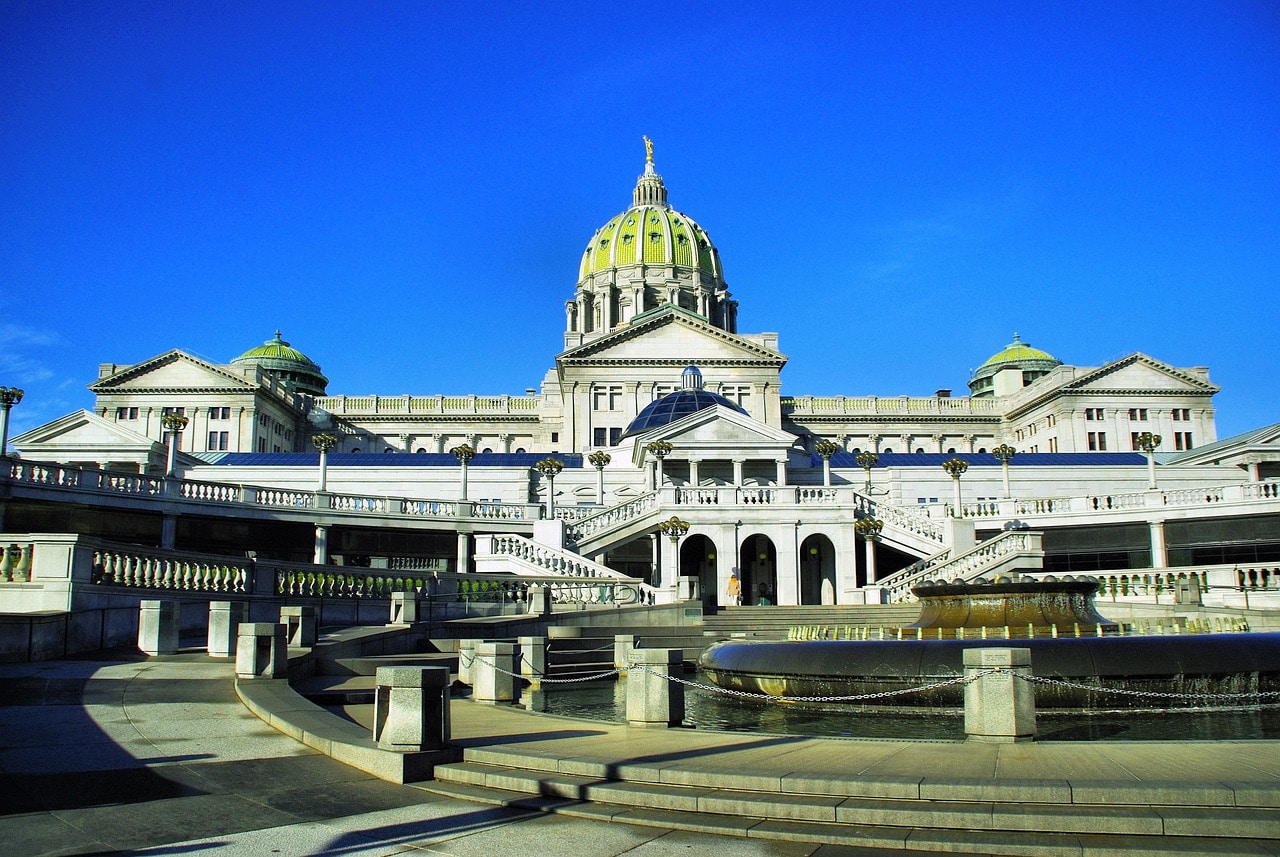
Pennsylvania State Capitol Complex
The most impressive and important building in Harrisburg is undoubtedly the Pennsylvania State Capitol building. The Capitol is located on the wide State Street Avenue, connecting the Capitol building's steps to the east with the riverbank to the west. The impressive structure was completed in 1903, resembling and based on the Capitol building of Massachusetts in Boston.
The impressive building has a large gold dome topped with a golden statue of the Commonwealth from 1905. The statue was crafted by sculptor Roland Hinton Perry. The interior under the dome is architecturally stunning and definitely worth a visit inside the grand building.
Address: N 3rd St. 501, Harrisburg
Click here for the current visiting hours of the Capitol building…
The State Museum of Pennsylvania
The Pennsylvania National Museum is housed in a large round concrete building at the northern end of the Capitol complex. It was built along with the adjacent building and was inaugurated in 1905. This is an intriguing history museum dealing with the state's development. The museum has thousands of historical items about European settlement and archaeological items related to the settlement of the Indians in the Susquehanna River Valley. The museum also has a large planetarium.
Address: North St. 300, Harrisburg
Click here for the museum's current opening hours…
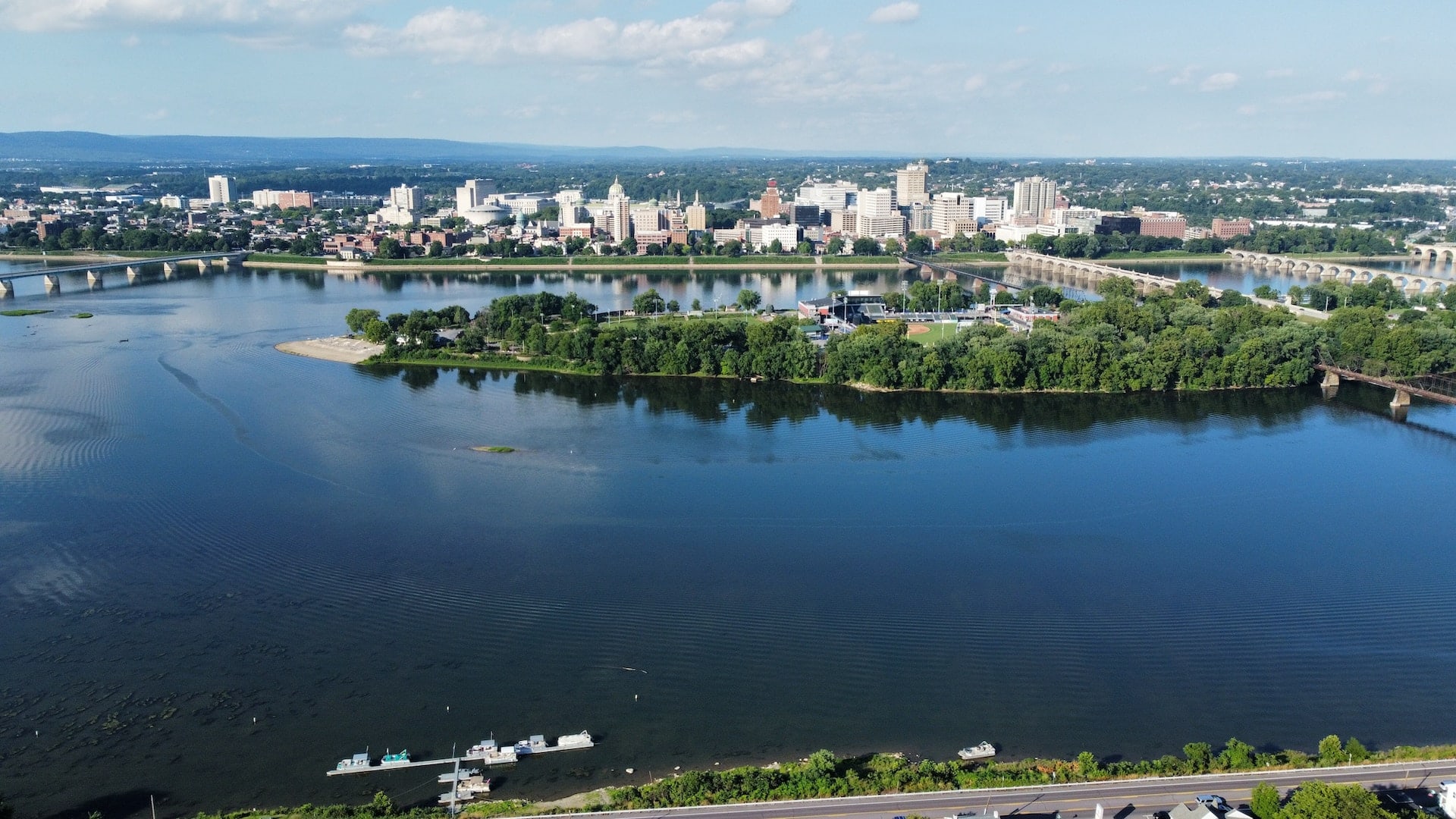
Broad Street Market
The city's historic food market was established in 1863 in the city's center. It consists of two ancient market buildings – The older Stone Market house and The Brick Market, which was built ten years later. This market prides itself on having come to the aid of the Northern Army during the Civil War and providing food for more than 300,000 soldiers during battles in the area. Today, it's a charming food market with quite a few great lunch options with historical flair. Further down 3rd Street, you'll find the delightful Susquehanna Art Museum, which features rotating exhibits and a collection of local artists.
Address: Broad Street Market, 1233 N 3rd St, Harrisburg
The National Civil War Museum
The National Civil War Museum is located east of downtown Harrisburg in Reservoir Park on Allison Hill. The museum opened in 2001 after the city initiated the collection of numerous items related to the Civil War. These items are now displayed in the brick building on a hill in the heart of the green park. The museum provides in-depth exhibits on the Civil War and the entire American history of the early and mid-19th century, including the emancipation of slaves.
Address: Lincoln Cir. 1, Harrisburg
Click here for the museum's operating hours…
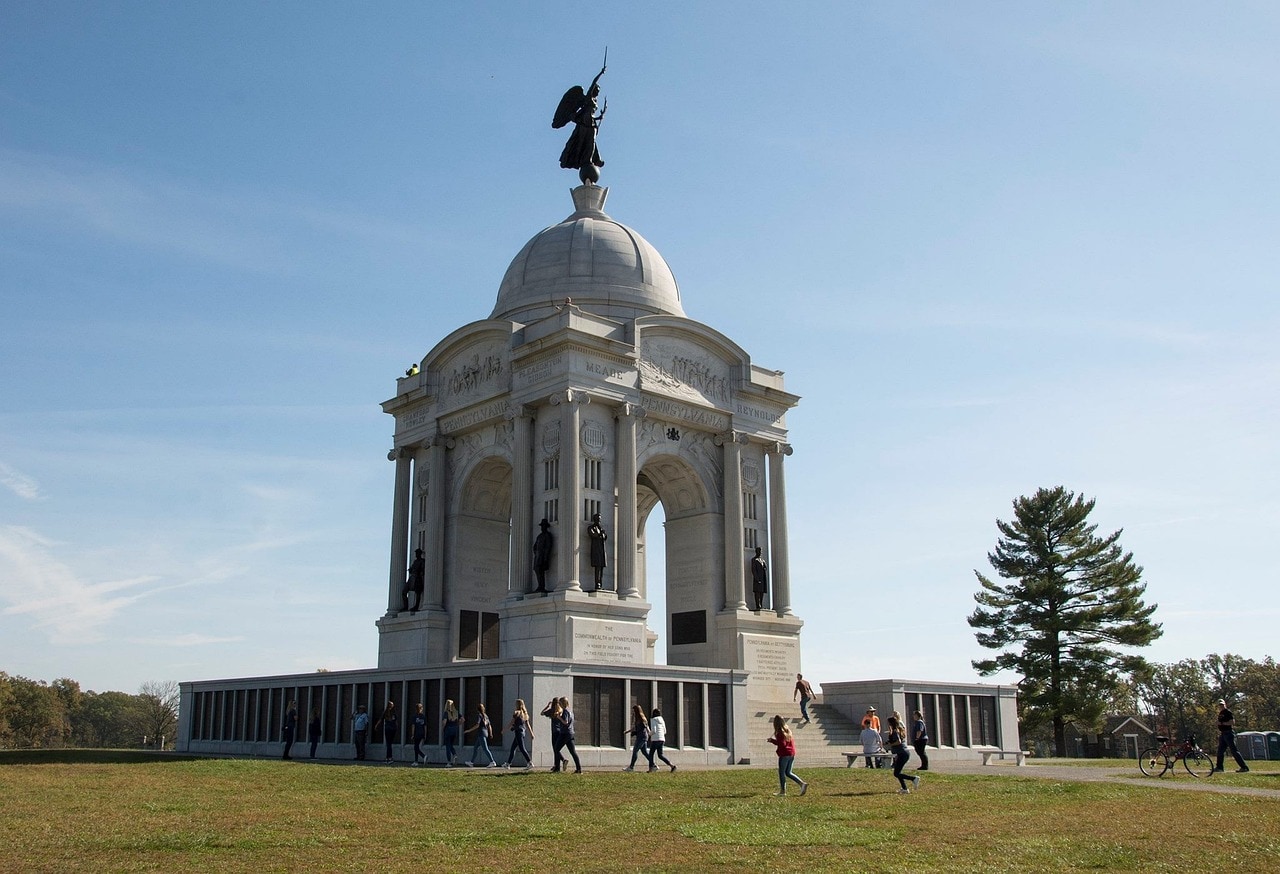
Gettysburg
The small town of Gettysburg is located a forty-minute drive south of Harrisburg, heading towards Washington D.C., which is about an hour and a half further south. The town is home to just about seven thousand residents, but during the summer, it welcomes thousands of tourists who come to the fields south of the town. These fields were the site of a famous battle during the American Civil War. At the heart of Gettysburg is the expansive Lincoln Square, surrounded by numerous hotels, restaurants, and shops.
Click here for a guided food tour of all the surprising culinary gems of Gettysburg…
The Gettysburg National Military Park
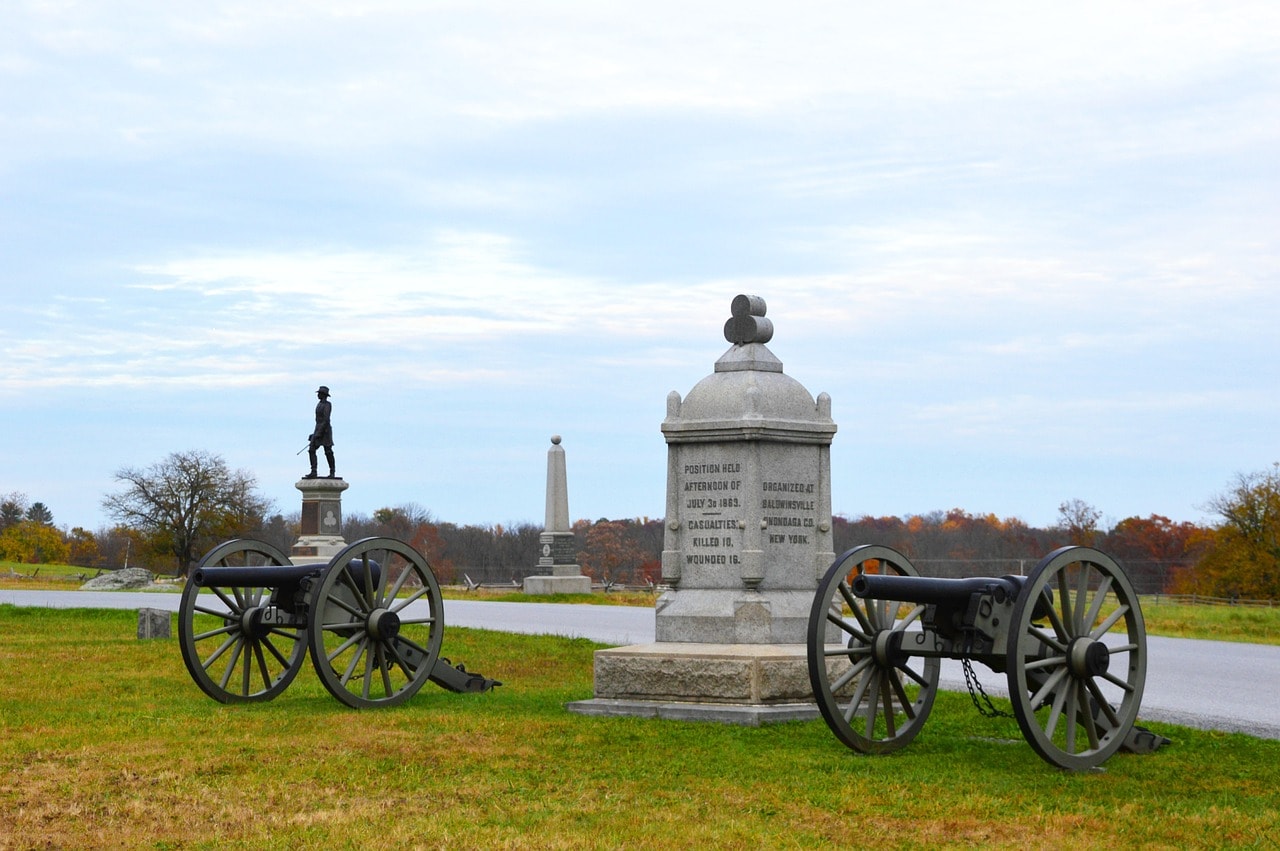
The Gettysburg National Military Park is the most important and popular site in the entire USA related to the American Civil War. In this large park, you'll find the fields where the historic battle took place in 1863, serving as a memorial for the soldiers with open-air museum displays. It's the place where Civil War enthusiasts gather to reenact the famous battle. Every early July, the entire city and park fill with curious visitors and actors reenacting the three-day battle.
Click here for a guided tour of the historic Gettysburg battle site…
In the heart of the park you'll find the Gettysburg Museum and Visitor Center, showcasing historical artifacts from the battle. The most fascinating exhibit is the Gettysburg Address itself, the very paper Lincoln held when he spoke at the Gettysburg National Cemetery a few months after the battle ended. Throughout the expansive park, you'll discover numerous preserved historic sites from the battles, along with many monuments and points of interest.
Address: 1195 Baltimore Pike, Gettysburg
Click here for the latest park visiting hours…
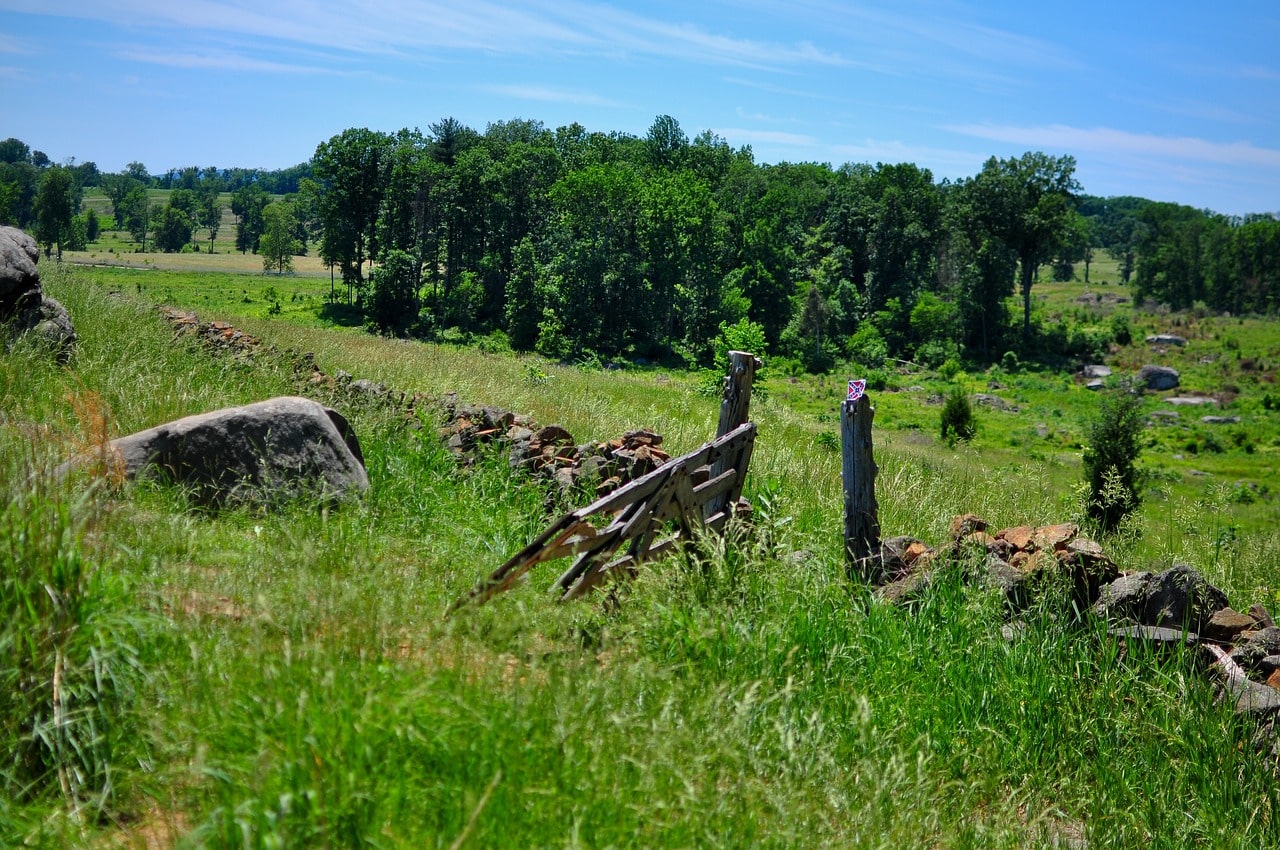
The Battle of Gettysburg and the Gettysburg Address
The almost mythical battle of the American Civil War took place from July 1 to July 3, 1863. In this battle, the Northern army, under the command of General George Meade, managed to repel the Confederate army led by General Robert Lee. This battle symbolized more than anything else the beginning of victory for the North in the bloody war. It was also the deadliest battle of all the American Civil War battles and one of the most prominent symbols of the war.
Click here for a guided carriage tour through the historic park…
Following the battle, President Abraham Lincoln delivered the famous Gettysburg Address in November of that year, a speech of less than five minutes that perfectly described the vision for post-war America. Due to the battle and the speech, Gettysburg became one of the places most associated with the war, and thousands gather in the city and its surroundings for reenactments of the famous battle.
Philadelphia
Philadelphia is the main city in the state of Pennsylvania. It's one of the most important historical cities in the United States and served as the U.S. capital before Washington D.C. was established. Philadelphia is where America's independence was declared on July 4, 1776. Today, it's a big and vibrant city with plenty to see and do.
The Old City is the epicenter of American independence. To the west, the downtown area is filled with skyscrapers and the extensive cultural corridor along the Benjamin Franklin Parkway and Logan Circle. This area hosts some of the most important museums on the Atlantic Coast.
Click here for a day trip from New York to Philadelphia and Lancaster County…

What is Philadelphia?
- Philadelphia is one of the most important cities in the historical journey of American independence
- The city was one of the largest in the 13 founding states, and along with Boston and New York, it is considered the cradle of American patriotism.
- The identity of Philadelphia as part of patriotism is highly noticeable during a city tour, including an entire urban area – the Old City of Philadelphia, dedicated entirely to the American identity.
- On July 4, 1776, all the representatives of the 13 founding colonies gathered in the city and signed the United States Declaration of Independence, marking the separation from the British crown.
Philadelphia was founded in 1862 by Quaker settlers led by William Penn. (The state of Pennsylvania is named after him.) Penn named the city Philadelphia, a combination of the Greek words for brotherly love. Hence, the city's nickname “The City of Brotherly Love.”
- Today, Philadelphia is home to about one and a half million residents, and its metropolitan area has over 6 million people.
- It is the largest and most significant city in the state of Pennsylvania.
- It lies on the western bank of the wide Delaware River, in the extensive area known as the Delaware Valley.
- The river forms the state boundary of Pennsylvania with New Jersey on the eastern bank (the city of Camden)
- The border with the state of Delaware is south of downtown, with the city of Wilmington, which is part of the Philadelphia metropolitan area, already located in the neighboring state
- Philadelphia is strategically located in the New York megalopolis, just an hour and a half's drive from Manhattan and two and a half hours from Washington D.C.
Click here for all the information on traveling in Philadelphia…
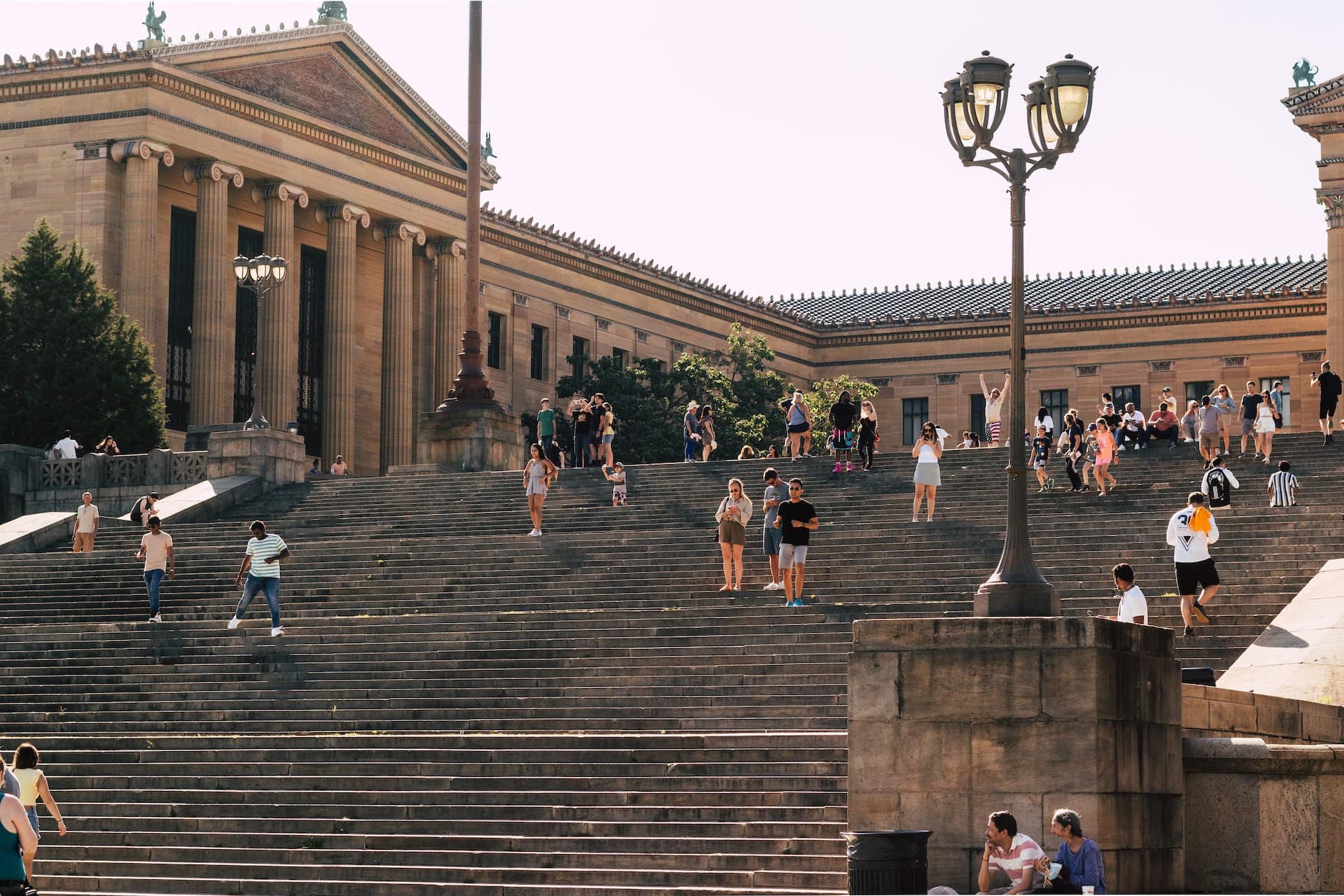
The Amish and Mennonites
It was William Penn, the founder of Pennsylvania (which is named after him) and Philadelphia, who led the state to become a magnet for the most exotic streams of conservative Christianity. Penn was a Quaker, born to an English father and a Dutch mother, who established the state and Philadelphia as a Quaker colony. The state was very tolerant of the most conservative Protestant streams, which led to extensive settlement of members of these streams in the state.
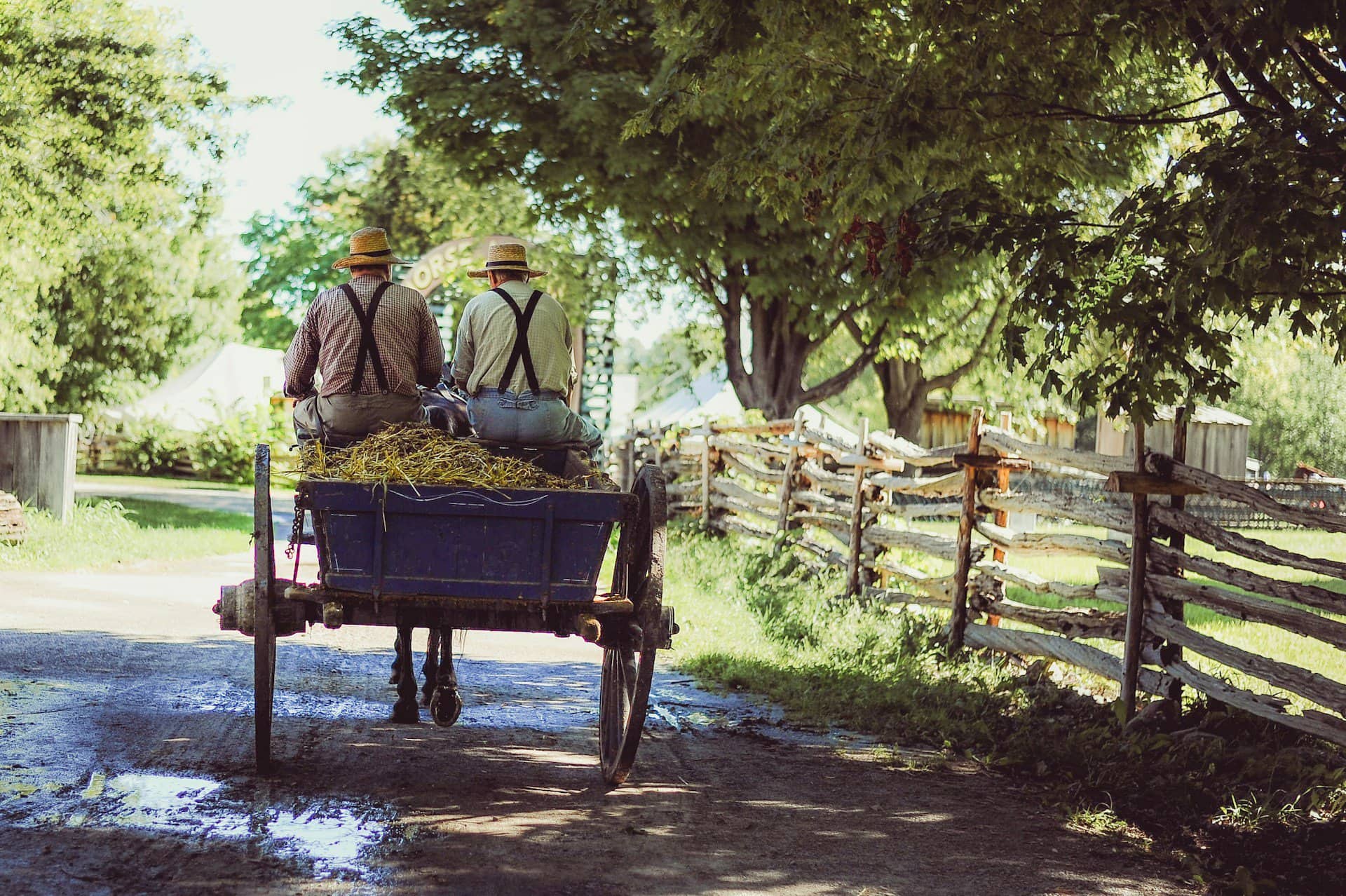
Contrary to popular belief, the tourist area named after the Dutch is actually a distortion of Deutsch – Germans. The literal meaning is the same – the Germanic term for the people.
The Amish originated from the Mennonites, an extreme and devout sect that was prevalent in the Netherlands and northern Germany in the 17th century. There, they were persecuted by Catholics and Protestants until they found their place in the New World. The Amish split from the Mennonites and initially migrated to the Alsace region and the Jura Mountains in Switzerland. Later, they too immigrated to America.
The Amish base their entire worldview on complete segregation from the outside world. Anyone who leaves the community and engages with the outside world or technology is shunned. Amish villages are agricultural and are almost entirely self-sufficient, meeting all their needs without any outside help. The rite of passage from youth to adulthood is called Rumspringa, during which the young can venture into the outside world. Upon returning to the community, they must adhere to its values devoutly, having made a conscious choice to do so. At the end of this process, they undergo another baptism to symbolize their purity.