Back Bay and Fenway–Kenmore in West Boston
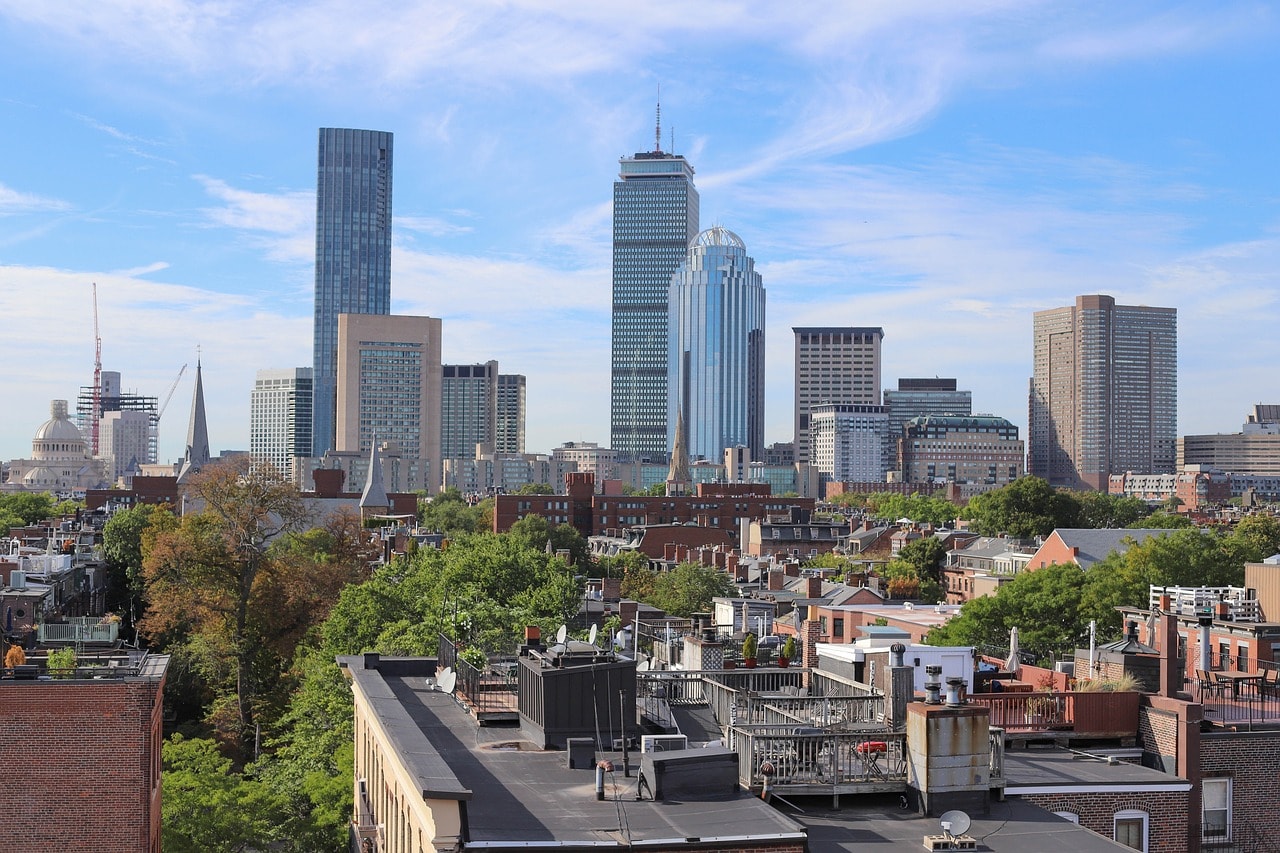
The Back Bay district of Boston is one of the city's most prestigious and interesting areas. The modern district of Boston is a continuation of the city's planned westward expansion. Unlike the winding streets of downtown, where a mix of modern skyscrapers and colonial-era houses stand, west of downtown and Boston Common Park stretches the prestigious district based on precise urban planning.
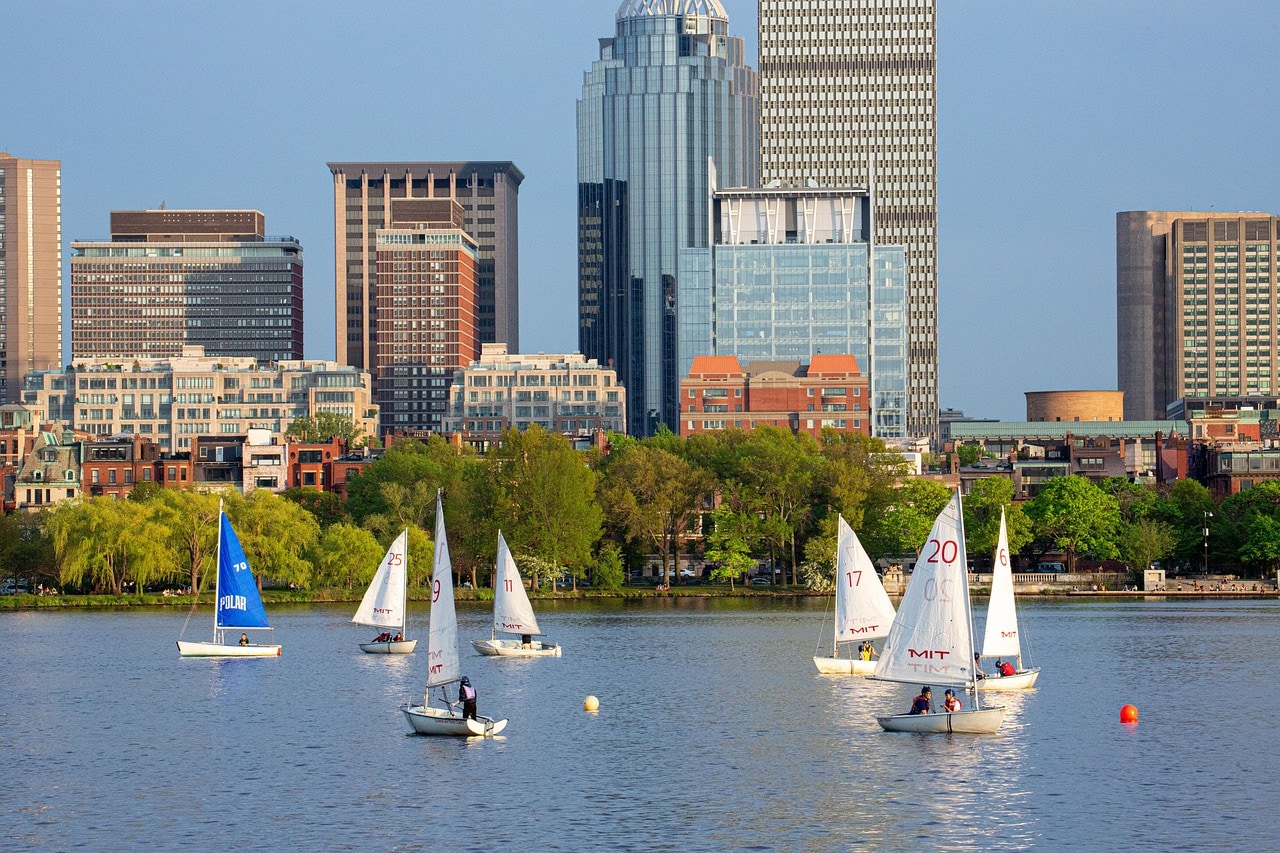
- The Back Bay neighborhood is located on the southern bank of the lake created by damming the Charles River, featuring a meticulous grid layout of streets and boulevards
- The 19th-century urban design of the neighborhood is one of the smartest, turning the area into a haven for living, strolling, and entertainment
- The neighborhood boasts trendy shopping streets, elegant residential avenues, and significant sites in Boston's history and skyline
- The Back Bay neighborhood is located north of the emerging South End district and east of the Fenway-Kenmore area
- The Fenway-Kenmore district is a mix of residential areas and university campuses, paving the way to Harvard's campus just across the river in Cambridge
- The legendary Fenway Park is located north of a charming park. South of the stadium is Boston's significant museum, the Museum of Fine Arts, one of the most important art museums in the USA. Nearby is the small Isabella Stewart Gardner Museum, which holds an exceptional collection of Italian Renaissance art
Click here to check availability and prices for hotels in the prestigious Back Bay district…
Click here for a list of 8 great hotels in the heart of Boston…
8 Must-See and Do Things in Back Bay, South End, and Fenway-Kenmore
- Top-notch art at the Museum of Fine Arts in Boston
- “The Rape of Europa” painting by Titian at the nearby Isabella Stewart Gardner Museum
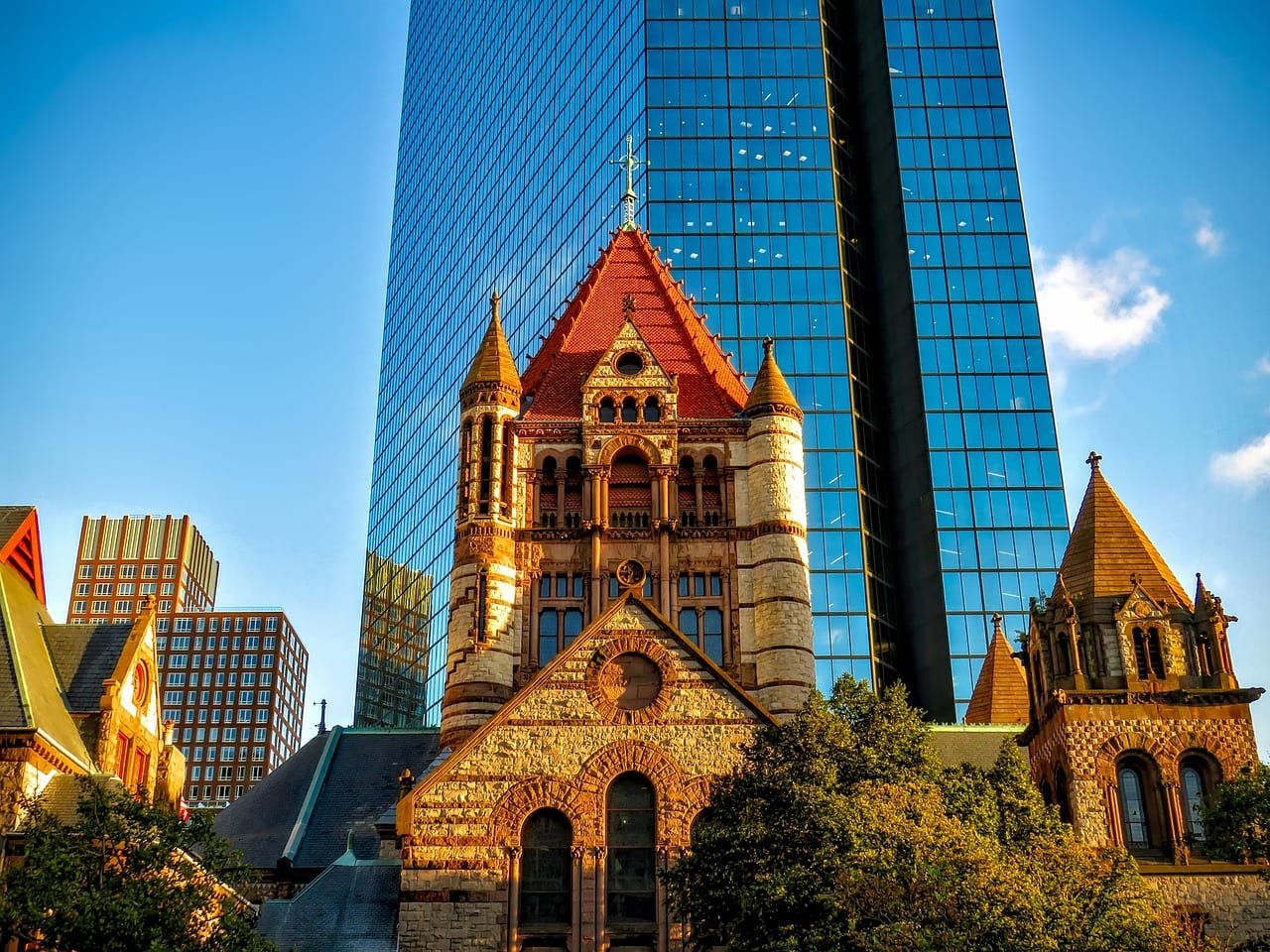
- Back Bay at its best at Copley Square – the stunning Trinity Church in the shadow of the John Hancock Tower
- Shopping on the prestigious Newbury Street
- Walk alongside the elegant homes of Commonwealth Avenue
- Clear lake air at the Charles River Esplanade
- Red Sox baseball game at Fenway Park
- The impressive facade of the First Baptist Church of Boston
Click here for the complete guide to traveling in Boston…
Click here to purchase the Boston CityPASS online, one ticket for all attractions…
Click here to purchase the Go City Boston: Explorer Pass online…
Click here for a free guided tour of Boston's main sites!!…
Map of Attractions in Back Bay and Fenway-Kenmore Districts
Back Bay
The prestigious and beautiful neighborhood of Boston stretches west from Boston Common along the lake formed by the damming of the Charles River. This neighborhood was designed in the 1870s and 1880s by city planner Arthur Gilman in a grid pattern. On a terrain of wasteland and marshes, the district's builders carried out massive drainage and reclamation, followed by urban planning that combines the principles of the Midtown Manhattan streets with the chic of the Parisian boulevards according to Baron Haussman's plan completed a few years prior.
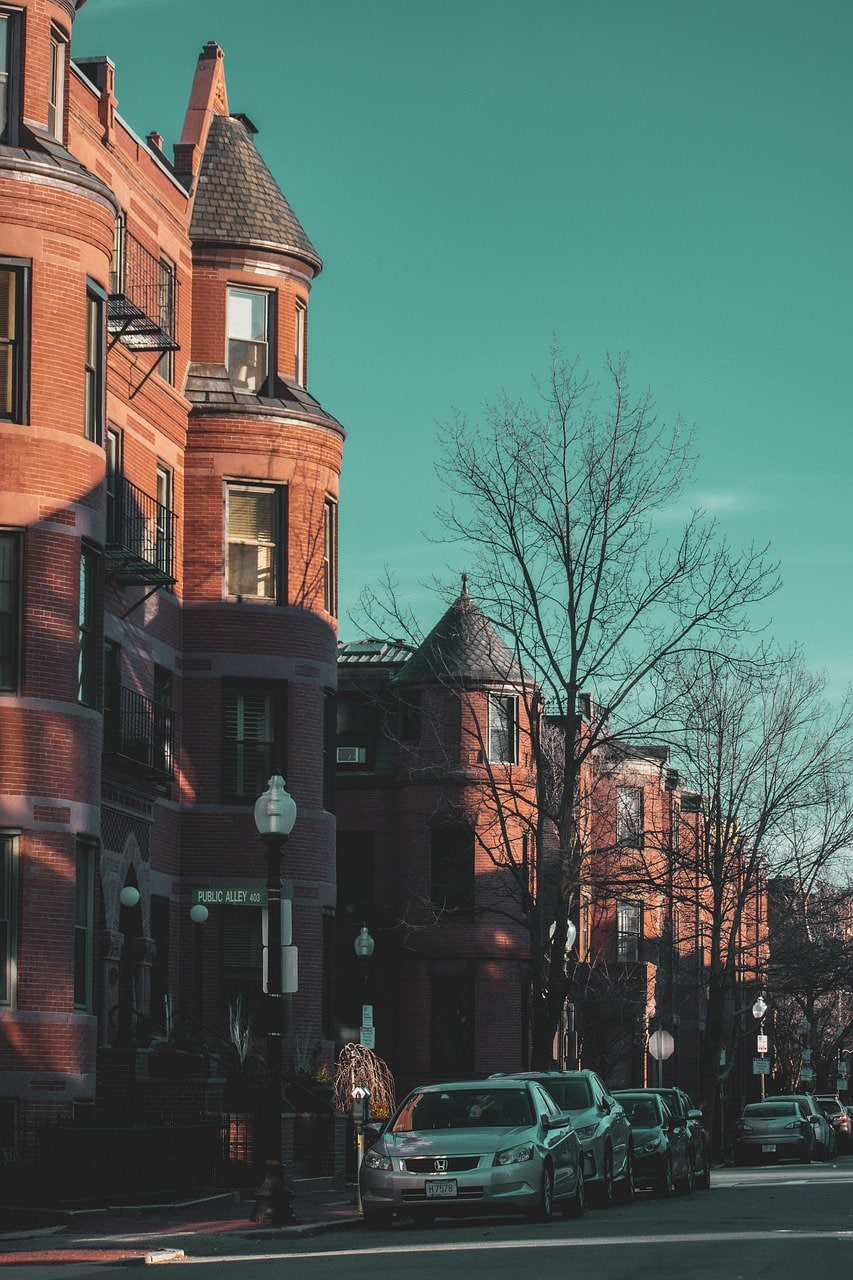
- The upscale avenue of Back Bay is the elegant Commonwealth Avenue, a wide and green boulevard that resembles a long square more than a street
- The avenue is a highly prestigious residential location with wide sidewalks and a very well-maintained inner green boulevard
- To the south, Newbury Street is the commercial heart of the neighborhood and one of the trendiest streets on the entire Atlantic coast of the USA
- One block south, Boylston Street is the main commercial center of the neighborhood
- In the middle of the street is Copley Square, the public heart of neighborhood planning
The Charles River Esplanade
The beautiful promenade along the Charles River is a direct continuation of the beautiful and prestigious streets of Back Bay. In this quiet area, the Charles River is more like a lake than a river. The artificial lake was created with the drainage of water in the area following the construction of the Charles River Dam, in the northern part of the North End. Beyond the green and beautiful promenade, with its biking and walking paths, you can go down to the lake/river itself for boat rides.
Click here for a special seafood lovers' tour at all the best seafood restaurants in Boston…
The promenade roughly starts west of the Longfellow Bridge and stretches to the Harvard Bridge in the west. Near the Longfellow Bridge is the Hatch Memorial Shell, where concerts and performances are held. The promenade is one of the most exciting places on the 4th of July, where hundreds of thousands of residents and tourists gather for one of the most spectacular fireworks displays in the USA. This show is a reminder of the unbreakable bond between the patriotic city and the founding of the USA.
Commonwealth Avenue
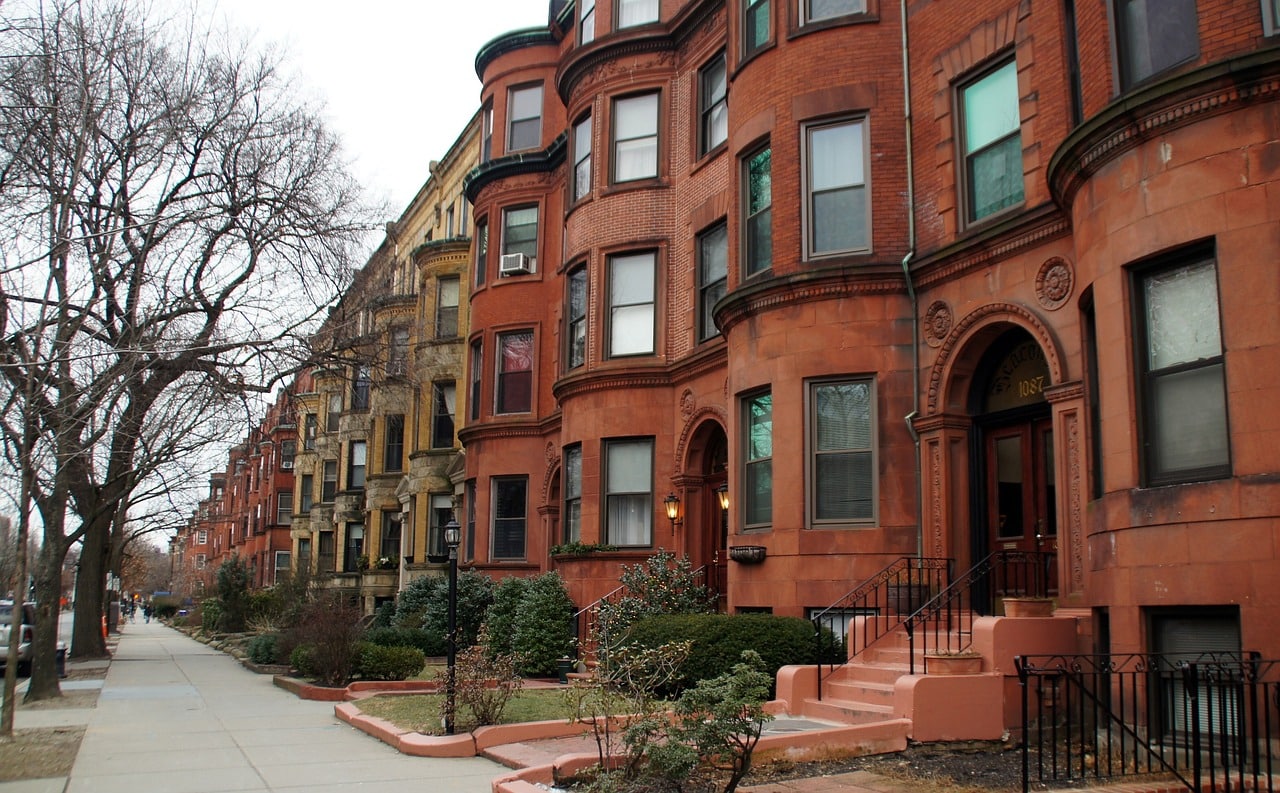
The broad and elegant avenue stretches westward from Boston Common in the east to Massachusetts Avenue in the west. The width of the avenue is about 60 meters, giving it the spacious feel of a long square rather than a typical avenue. The Commonwealth is the heart of the city's brilliant urban planning of the Back Bay district and is considered the most prestigious residential area in the neighborhood. Along the green avenue, there are rows of bronze statues and stylish, handsome homes with well-kept gardens facing the street. When planning the avenue, the sidewalks were intentionally built very wide to allow for those gardens at the entrance to the homes.
Click here to buy online tickets for the View Boston observation deck…
The First Baptist Church of Boston
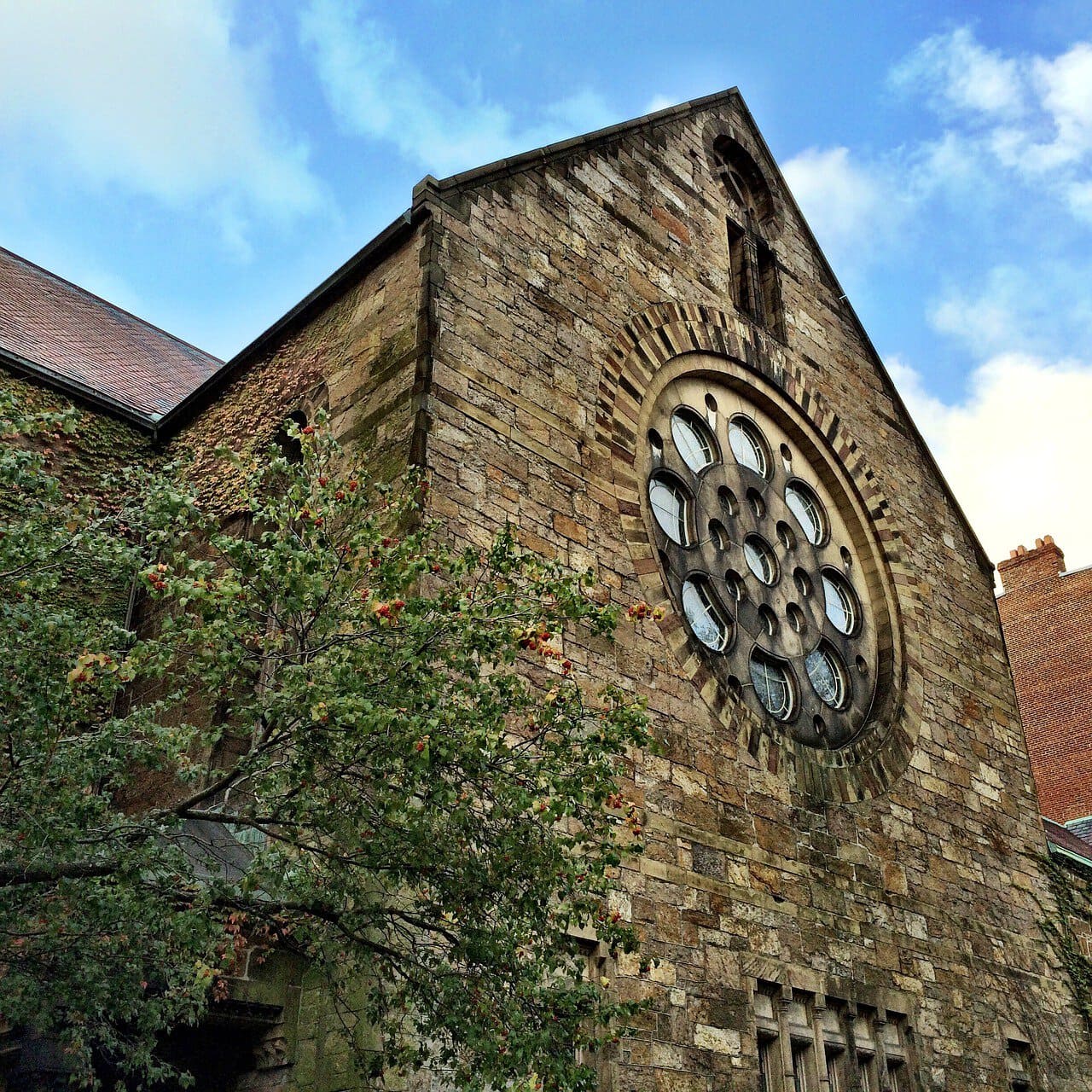
The large church located on Commonwealth Avenue is a well-known Boston landmark, mainly due to its gigantic bell tower. The church combines massive Romanesque architecture with many elements borrowed from the Italian church-building style. On the right side facing the avenue is an enormous rose window, and to the left, the famous bell tower that dominates the low skyline of the prestigious neighborhood.
Address: Commonwealth Ave. 110, Boston
Newbury Street
One block south of Commonwealth Avenue is the commercial boulevard of Back Bay – the magnificent Newbury Street. The street combines luxury residences in four-story buildings, with the ground floor dedicated to commercial functions. Along the street, you'll find a mix of excellent restaurants, boutique shops, and plenty of shopping and fun elements. Although the street is considered upscale, it also offers many groundbreaking boutique stores. In the center of the street is the Church of the Covenant, boasting a very impressive facade and a tall bell tower in a Gothic style. The Gothic facade is adorned with beautiful stained glass windows.
Boylston Street and Copley Square
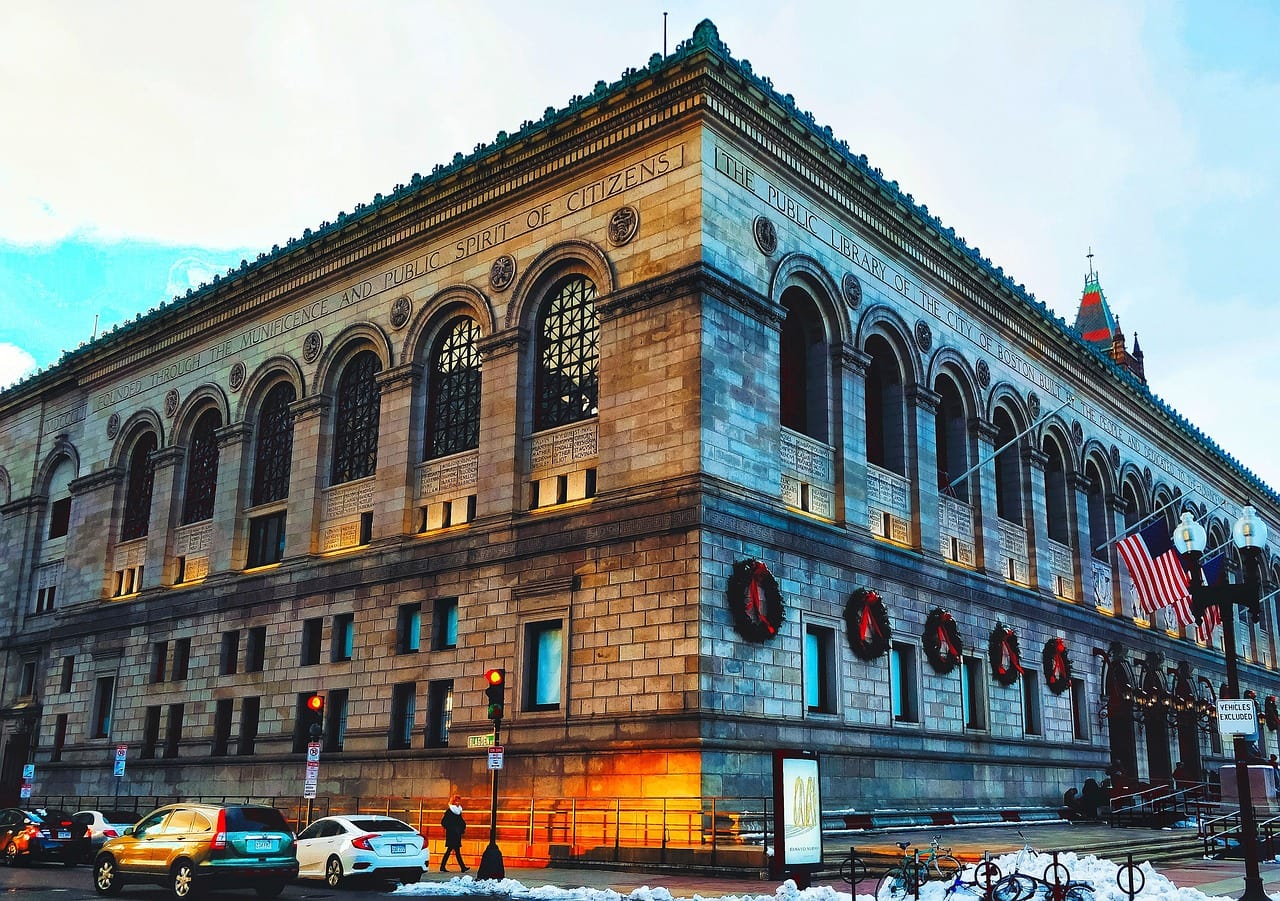
If Commonwealth Avenue is the very luxurious residential function of Back Bay, and Newbury Street complements the shopping and entertainment function, Boylston Street is the financial center of the neighborhood. The street is very different in its nature from the two streets parallel to it to the north. The street features tall office buildings for companies, but they too, like the rest of the neighborhood, are filled with style and charm with meticulous urban planning.
The center of Boylston Street and the entire neighborhood is the impressive Copley Square, dominated by the stunning Trinity Church. In the grass at the western part of the square, the Copley Square Farmers Market takes place, and across the street, the Boston Public Library building. Opposite the library, on the other side of the street, stands the lovely Old South Church, which was built in the 1870s in a Neo-Gothic style. In the western part of the street is the prestigious Hynes Convention Center.
Trinity Church
Trinity Church in Copley Square is one of the most unique buildings in Boston. The church is among the top and most popular sites to visit in the city. It is renowned for the exceptional attention to detail during its planning and construction. The church was built in 1877 under the supervision and design of the illustrious architect Henry Hobson Richardson. Richardson is credited with dozens of unique buildings and projects throughout the eastern United States. He is regarded as one of the three greatest American architects, alongside Frank Lloyd Wright and Louis Sullivan, the father of skyscrapers, who was mainly active in Chicago (born in Boston).
Trinity Church is built in a neo-Romanesque style with a mix of other European styles. The church's bell tower is inspired by the bell tower of the Salamanca Cathedral in Spain. The bright and impressive interior of the church features carvings, statues, reliefs, paintings, and more. Dozens of stunning stained glass windows surround the interior, bringing in colorful light beams that illuminate the space like magic.
John Hancock Tower
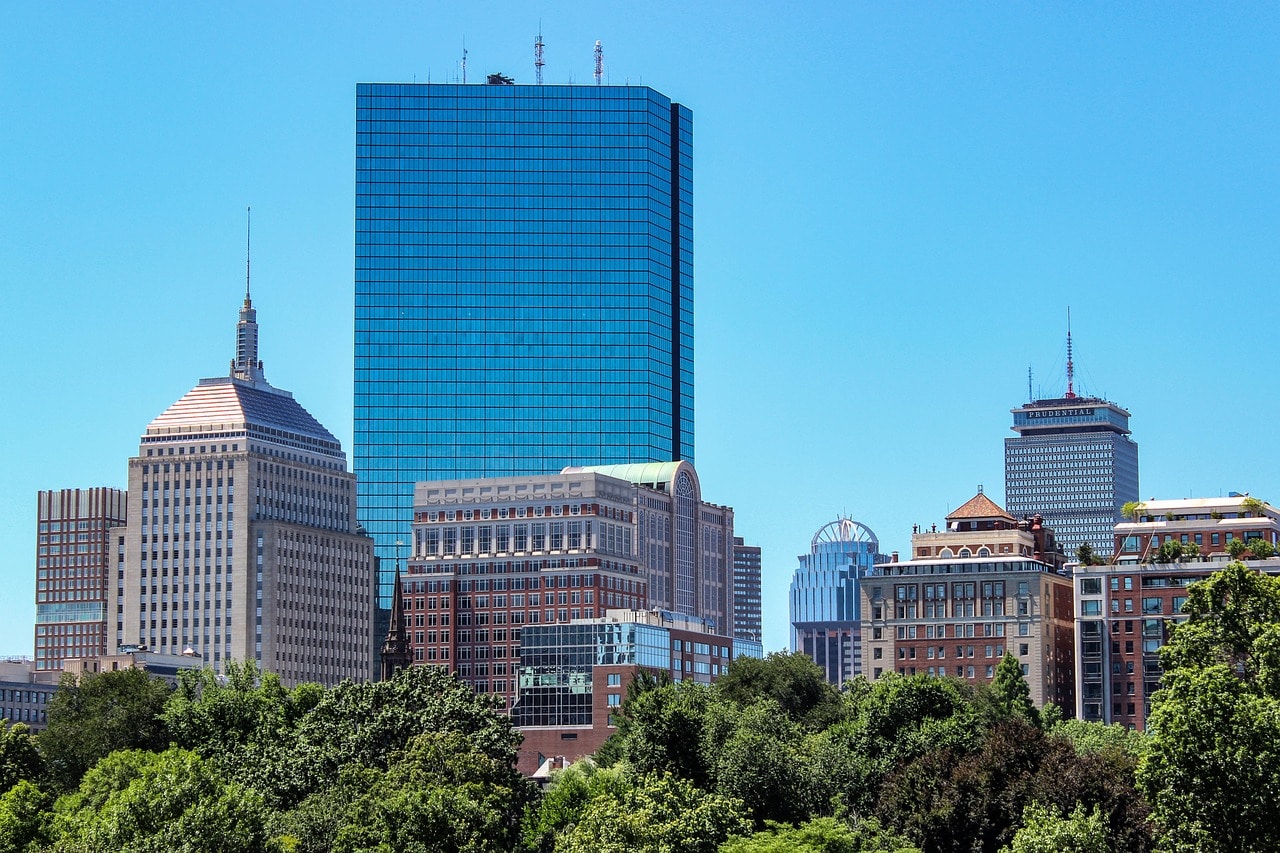
The tallest building in Boston, the John Hancock Tower, is located just south of Trinity Church, and their close connection almost defines the entire city. The tower was built in 1976 in the common style of the period, based on a steel frame and glass cladding across the entire structure. The tower has about 60 floors and rises to a height of 241 meters.
Fenway–Kenmore
Fenway Park Stadium
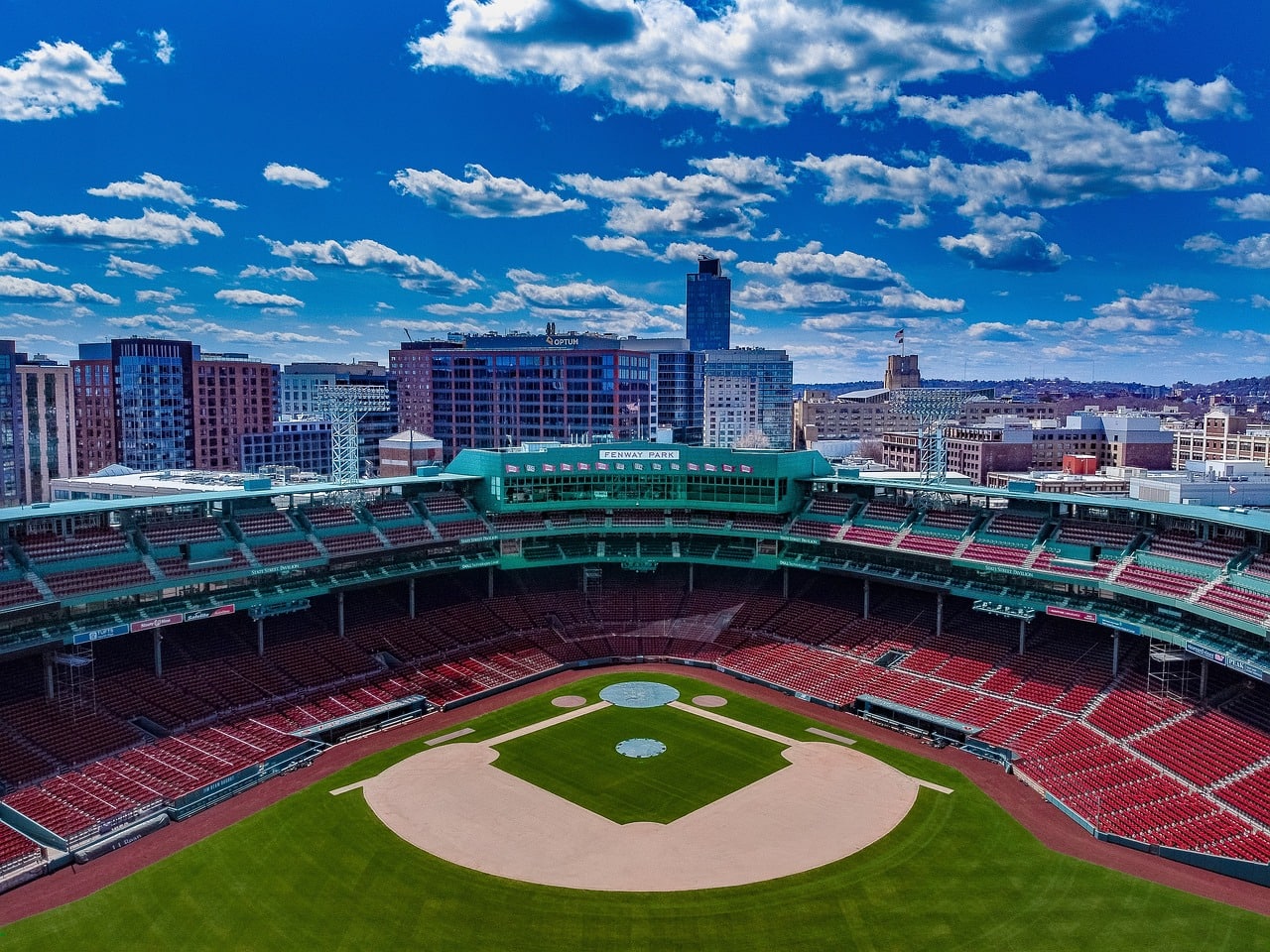
Boston's legendary baseball team is the Red Sox (the red socks with a spelling error) which plays at Fenway Park as part of the MLB. The baseball stadium is part of Boston's skyline and like the Celtics' arena in North End, it's considered a part of the city's fabric of life. The structure is located in the Fenway-Kenmore neighborhood, just south of Boston University's campus. The neighborhood around the stadium is quite simple, but a bit to the south lies the charming Back Bay Fens Park, with the Keller Rose Garden at its center. To the south, there's Northeastern University's campus and next to it, the Museum of Fine Arts in Boston.
Click here for a guided tour of the legendary Fenway Park of the Red Sox…
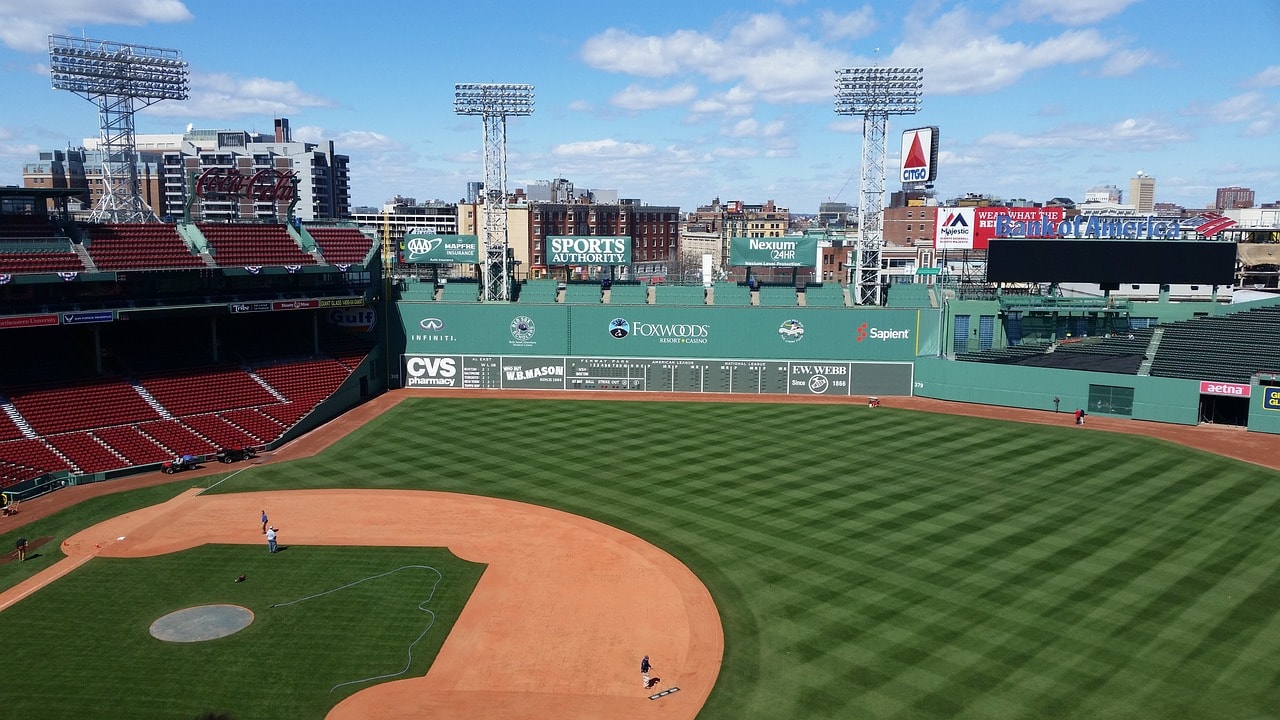
The Red Sox is one of the most captivating stories in American sports, founded in 1901 and won three World Series by 1918. In 1919, the team sold the Bambino – Babe Ruth, to the New York Yankees, which led to the legendary Curse of the Bambino on the team. While Ruth starred in Yankees' uniform, Boston did not win a World Series for 86 years. Only in 2004 did they win their fourth championship. Since then, they have secured 5 more championships and are considered one of the best teams in recent years. The story of selling Babe Ruth turned the rivalry between the team and the Yankees into one of the hottest rivalries in American sports, almost like the city’s basketball team, the Celtics, with the Los Angeles Lakers.
Address: Jersey St. 4, Boston
Museum of Fine Arts
The Museum of Fine Arts, Boston is one of the most important art museums on the East Coast of the USA. The museum houses a permanent collection of half a million items, including some of the most important and well-known paintings in the history of art. Besides art, the museum has a large collection of significant archaeological pieces from ancient Egypt, classical and Hellenistic Greece, Rome, and Eastern cultures. The museum is located south of the Back Bay Fens park, on the western part of Northeastern University's campus.
- The museum's art collection includes several masterpieces, notably the painting “Where Do We Come From? What Are We? Where Are We Going?”, the most important of post-impressionist Paul Gauguin's works
- Important paintings in the collection include “The Artist in His Studio” by the Dutch Rembrandt van Rijn, “Apollo and the Muses on Mount Helion” by Claude Lorrain, “Poppy Field in Giverny” and the painting “The Japanese Girl” by Claude Monet, “Old Woman Rocking a Cradle” and the famous painting “The Postman Joseph Roulin” by Vincent van Gogh, among others
- The collection also includes significant American paintings by Mary Cassatt, Winslow Homer, and more
Address: 465 Huntington Ave., Boston
For the museum's current opening hours, click here…
Isabella Stewart Gardner Museum
Adjacent to the Museum of Fine Arts in Boston to the west, there is another important art museum. This museum displays the private collection of Isabella Stewart Gardner, a wealthy socialite and art collector of exceptional quality. Gardner's collection is housed in a very impressive palace in Venetian style. The collection includes about 2,500 pieces but is exceptional in quality.
- The highlight of the collection is Titian's painting “The Rape of Europa,” one of the most significant paintings in the history of Venetian Renaissance art. This painting by Titian, the father of color-based painting, influenced generations of artists who followed, such as the famous copy by Peter Paul Rubens of the same painting.
- Another important Renaissance painting in the collection (this time Florentine Renaissance) is “The Story of Lucretia” by Sandro Botticelli
- The collection also includes important Renaissance paintings by Raphael, Fra Angelico, Piero della Francesca, Michelangelo, Tintoretto (Mannerism), and more
- The collection also features paintings by Rembrandt, Henri Matisse, and more of the great European artists
Address: Evans Way 25, Boston
Click here for the museum's current opening hours…