Greenwich Village and New York University
The midsection of Manhattan, nestled between the Midtown towers to the north and the downtown towers to the south, has historically served as a sort of frontier zone of the historical settlement in southern Manhattan. This area has continually evolved from a rural to an urban zone, and today it's established as a highly sought-after and upscale residential area. Its current state echoes the gentrification process that began in the 1960s when it was a residential area for dock workers and the lower middle class.
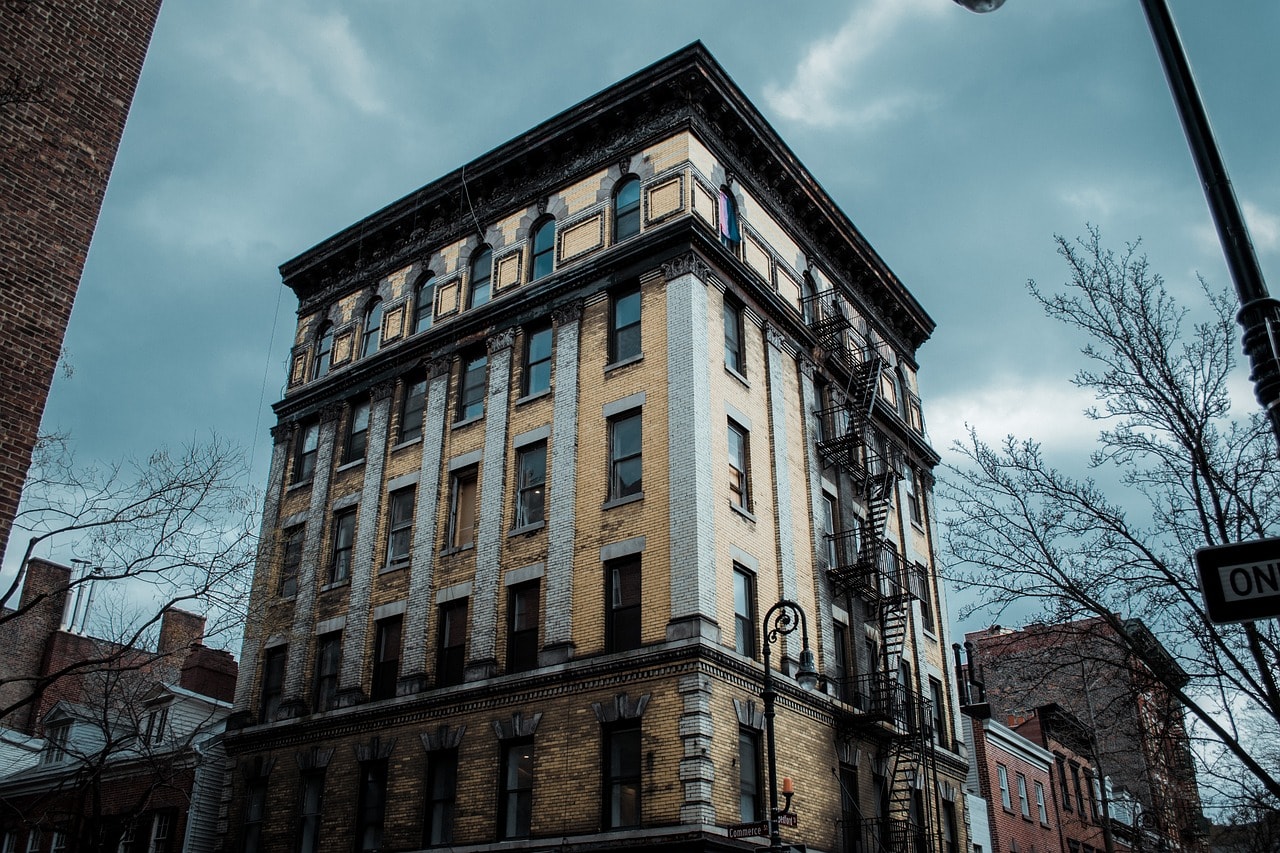
- Greenwich Village today is quite a quaint place to live (relatively to Manhattan), a very vibrant space, full of restaurants, hotels, and boutique shops, showcasing all the latest in Manhattan
- The neighborhood also includes the West Village
- Historically, the area northwest of downtown was part of the equality movement for the LGBTQ community, and to this day, the area is associated with the gay community
- A bit east of the Village, in the district surrounding Washington Square Park, is also a calm and prestigious residential area. This is where the scattered campus of New York University is located, filled with students and academics. The space between Washington Square Park and Union Park is a serene and pleasant part of Manhattan with an elegant touch
Click here for all the information on visiting New York…
How to get to Greenwich Village and Washington Square Park?
The red line of the subway (1, 2, and 3) stops at Sheridan Square, which is the only station in the entire neighborhood. Washington Square Park has a station for the blue line (A, C, and E) and the orange line (M, B, D, and F).
8 Must-See and Do Things in Greenwich Village and Washington Square Park
- The history of the LGBTQ+ community on Christopher Street and Sheridan Square
- Exquisite American art at the Whitney Museum
- Meet Monica and Rachel at the “Friends” building
- Enjoy air and coffee in Washington Square Park
- Superb 19th-century architecture at the Jefferson Market Library
- Hang out in the Meatpacking District
- Walk the southern part of Fifth Avenue in the shadow of the church towers
- The stunning collages of Judson Memorial Church
Click here for the list of 12 great hotels in Manhattan…
Click here to check availability and prices for hotels in Greenwich Village…
Click here for a food tour of all the culinary gems in Greenwich Village…
Map of Sites in Greenwich Village and Washington Square Park in Manhattan
Greenwich Village
Greenwich Village, or simply the Village, holds a significant place in the history and identity of the entire United States. Once a residential area for the lower-middle class, during the 1960s it attracted New York's bohemian crowd due to its relatively low prices and became a home for the LGBTQ community. The neighborhood is still closely associated with the LGBTQ community as the location of the Stonewall riots, a violent suppression event that sparked the gay liberation movement and the fight for LGBTQ rights.
Click here for a guided tour of the hidden corners of Greenwich Village…
With the bohemian vibe came gentrification, and the neighborhood turned into a sought-after and trendy place to live for those who can afford it. The show “Friends,” entirely set in the Village, cemented the neighborhood's status in popular culture. A walk around the neighborhood includes both landmarks and strolls through beautiful blocks with charming homes from the late 19th century. Blocks like St. Lukes Place in the southern part of the area feature classic mid-19th century houses, or the lovely homes of Grove Court, an inner courtyard surrounded by beautiful homes and greenery.
Click here for a special foodies tour of the Greenwich Village food scene…
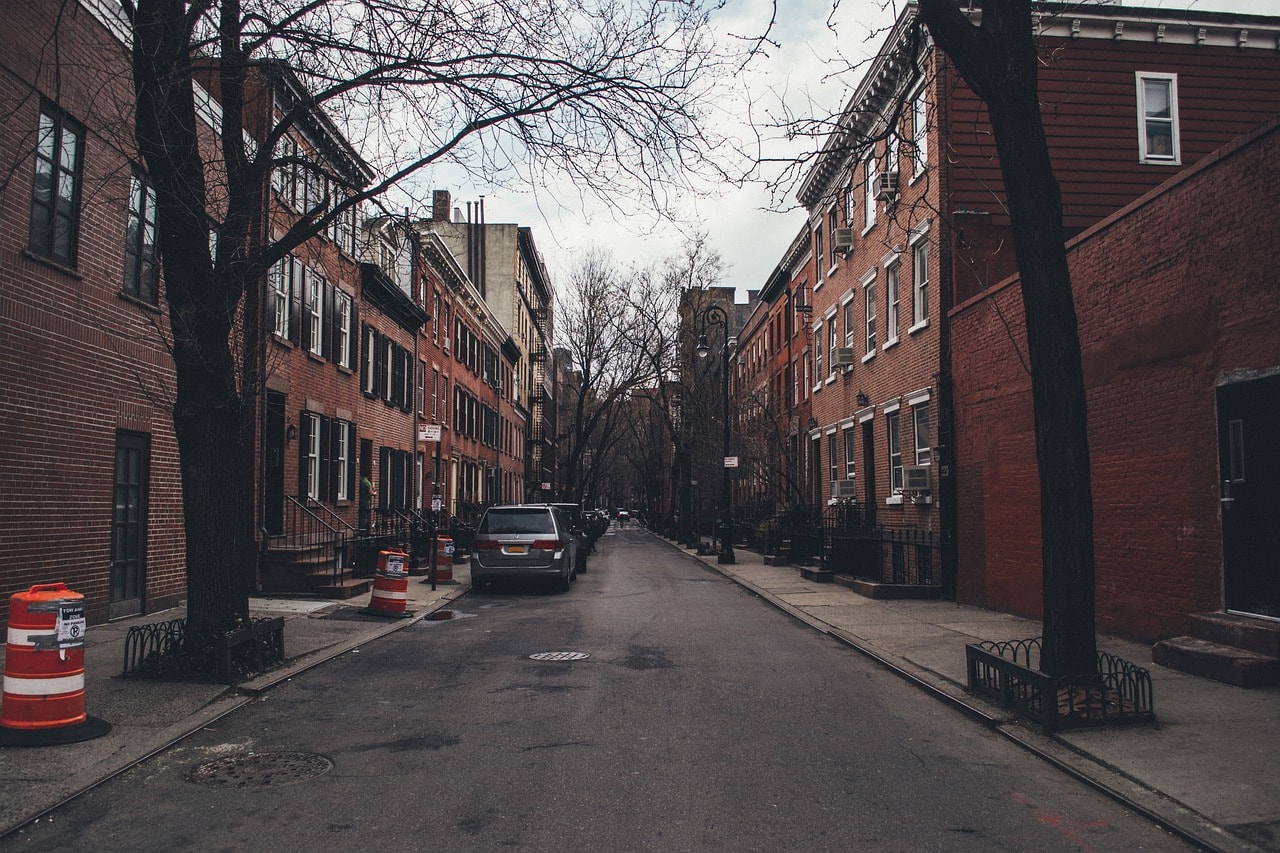
Sheridan Square and Christopher Street
Sheridan Square is the heart of the village. The square is connected to the intersection of Christopher Street and Seventh Avenue and is the most central space within the densely populated residential neighborhood. On the northern part of the square is Christopher Park, which extends along the famous Christopher Street. The square and the street are central locations in LGBT culture, mainly due to the bars that operated there in the 1960s. The bars and meeting places were gay-friendly (for the time).
Click here for a guided night tour into the nightlife of Greenwich Village…
One of these pubs was the Stonewall Inn, which during a police raid (due to the ban on gay gatherings in public places) on June 28, 1969, became the focal point of the riots named after it. These riots led to the police barricading themselves in the pub due to neighborhood support for those arrested. This event is considered one of the defining moments in gay community history and a testament to the neighborhood's liberal character.
For a tour of the most haunted houses in Greenwich Village, click here…
Twin Peaks Building and Friends Building
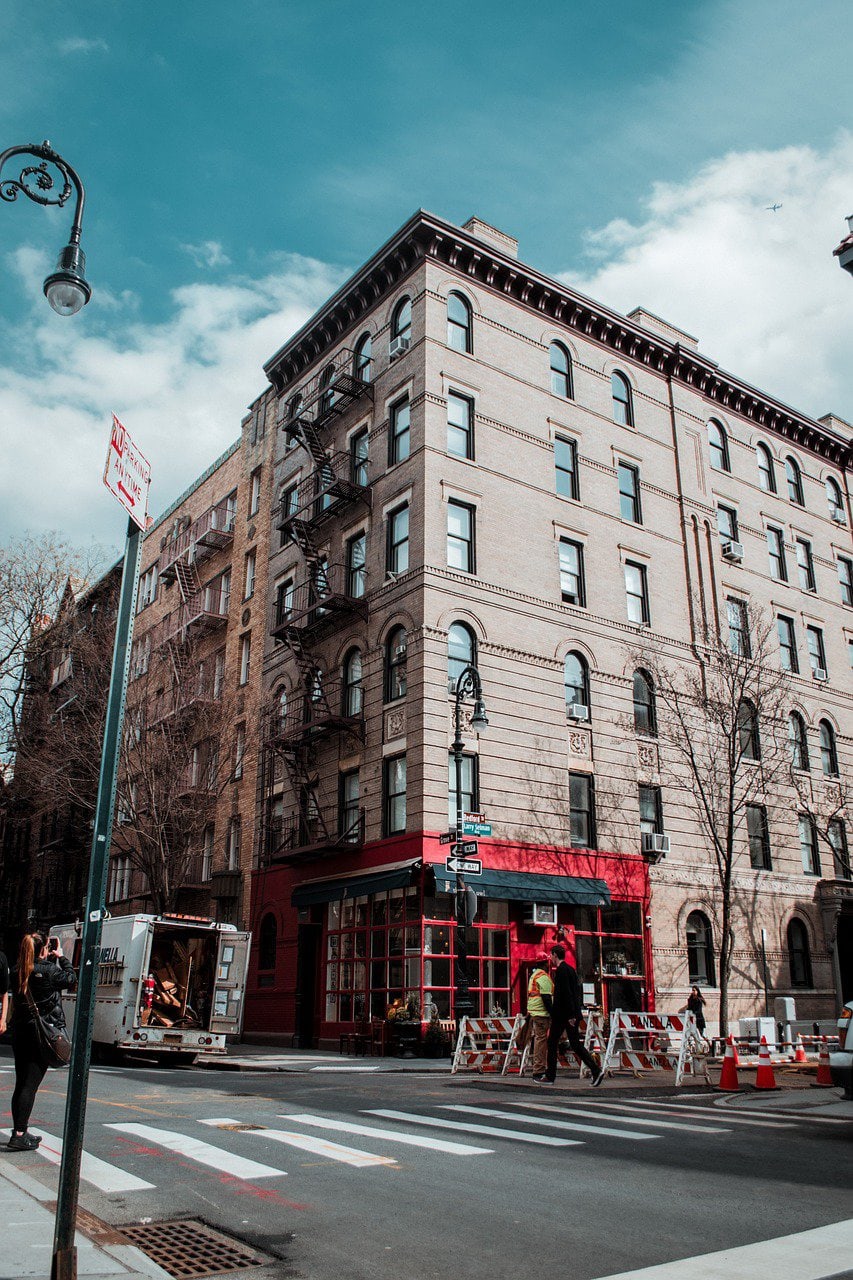
The Twin Peaks Building (102 Bedford St) is one of the unique buildings in the vibrant residential neighborhood. Architect Clifford Dailly built the quirky building in 1926 on the ruins of an 1830s building. Dailly's goal was to house artists, so he wanted the special look of the building to inspire and attract them to live there.
Three buildings south down Bedford Street, at the intersection with Grove Street, is what is known as the “Friends” building. It's the exterior shot of the apartment building where Monica, Rachel, Chandler, and Joey lived. Today, the building has become a very popular site, and many visitors come to photograph it from the outside.
For a street food tour in Greenwich Village, click here…
Cherry Lane Theatre and 75½ Bedford Street
Cherry Lane Theatre (38 Commerce St.) is one of the first Off-Broadway theatres and the oldest among them that is still active. The theatre operates in a building that was originally constructed as a grain storage silo and later converted into a pub and brewery. Not far from the theatre, at 75½ Bedford Street, you'll find the narrowest house in New York. 75½ Bedford has become a popular attraction for city visitors.
Click here for the New York City Rock ‘n' Roll Legends Tour…
Jefferson Market Library
The former courthouse named after President Jefferson is one of the most unique vintage buildings in New York. In the early 19th century, a market operated on the site, upon which the current building was constructed in 1877. Originally intended to serve as a courthouse, it was slated for demolition in the 1950s as part of Manhattan's building boom, but was preserved due to its distinctive character. Today, the building houses a branch of the New York City Public Library. It stands out above Sixth Avenue with its handsome neo-Gothic style clock tower.
Address: 6th Ave, 425, New York
Click here for the Italian Food Tour in Greenwich Village…
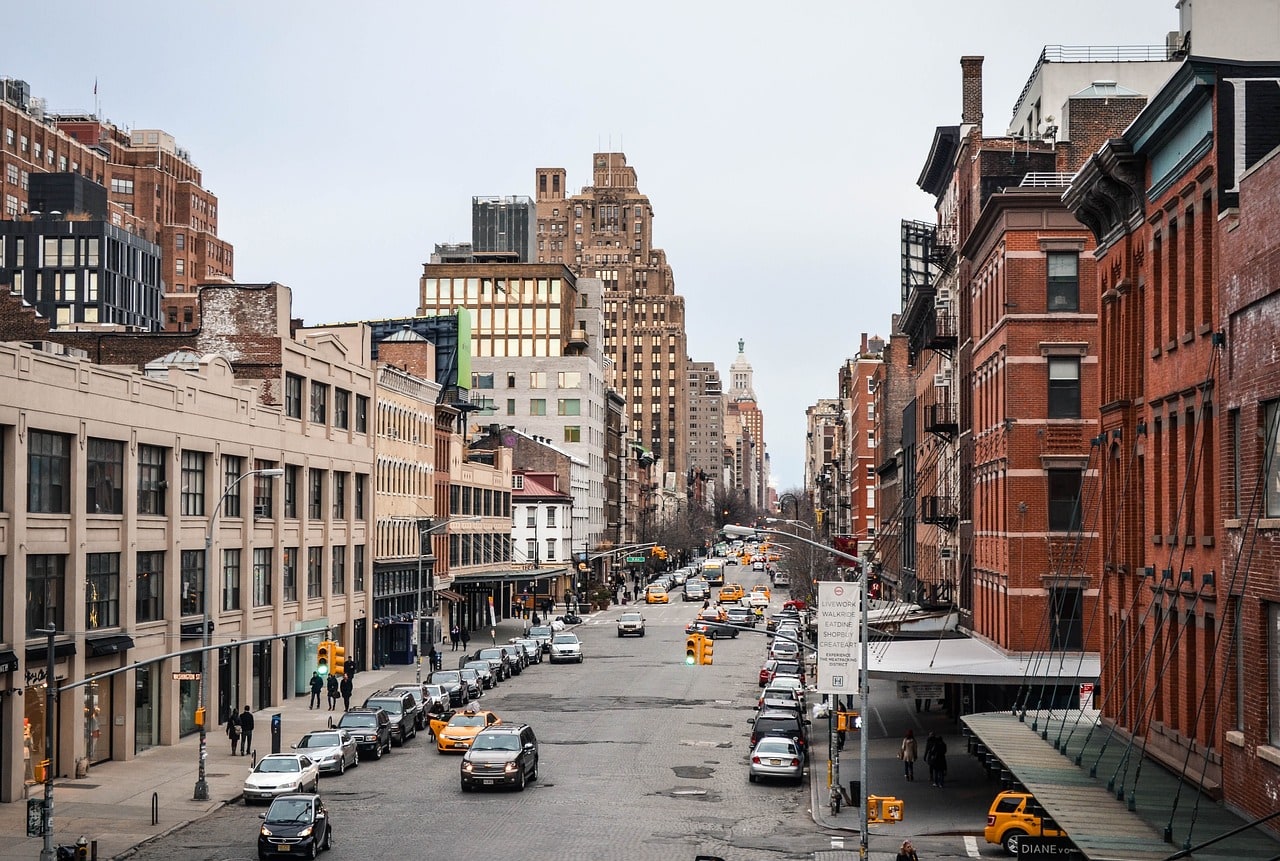
Meatpacking District
The Meatpacking District is located along the Hudson River just north of Greenwich Village, near Chelsea Market. The district was once a place for meat packaging with butcher shops and huge warehouses handling the unloading and distribution of meat to stores across Manhattan. Today, the district has undergone a transformation (along with the entire neighboring Chelsea area to the north) and is full of bars, clubs, and vibrant nightlife. During the day, the district is buzzing with everything trendy, featuring celebrities strolling among expensive designer stores, art galleries, luxurious boutique hotels, excellent restaurants, and, of course, the Whitney Museum of American Art at its southern end.
Whitney Museum of American Art
The Whitney is another impressive addition to the very impressive list of art museums in New York. While MoMA focuses on modern art (primarily European with some American) and The Met on the great masters of the Renaissance and Baroque, the Whitney concentrates on American artists.
The museum's collection is based on the collection and arrangement of Gertrude Vanderbilt Whitney, an artist and socialite (wealthy beyond measure) for whom the museum is named. The museum moved to its current location in the Meatpacking District in 2015, leaving the prestigious location on Madison Avenue at 75th Street on the Upper East Side.
The museum has wings dedicated to American art from the late 19th and early 20th centuries and a wing for postmodern art. The collection features numerous paintings by the great Edward Hopper, the boxing match painting ‘Dempsey and Firpo,' one of the most famous American paintings by George Bellows, Jasper Johns' famous ‘Three American Flags' painting, and more.
Address: Gansevoort St, 99, New York
Click here to purchase online tickets for the Whitney Museum…
Click here for all information on opening hours and tickets…
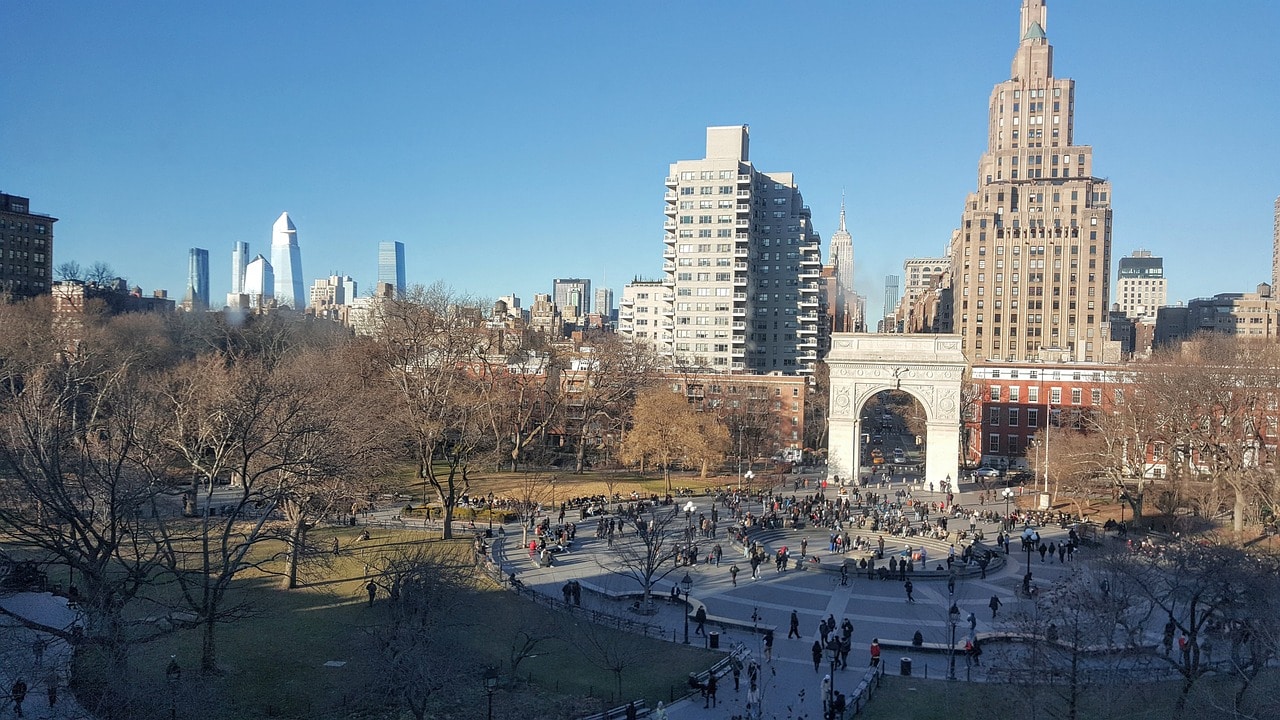
New York University NYU Campus
New York University, widely known as NYU, dominates the buildings around Washington Square Park. This large and famous square marks the terminus of Fifth Avenue and is more or less the southern boundary of the 1811 urban plan of Manhattan, based on the grid of avenues and streets. The university was founded in 1831 as a competition to uptown's Columbia University. The university buildings are part of the fabric of the streets around Washington Square Park, and it is considered the largest private university in the USA.
Click here for the great New York sandwich tour…
Washington Square Park
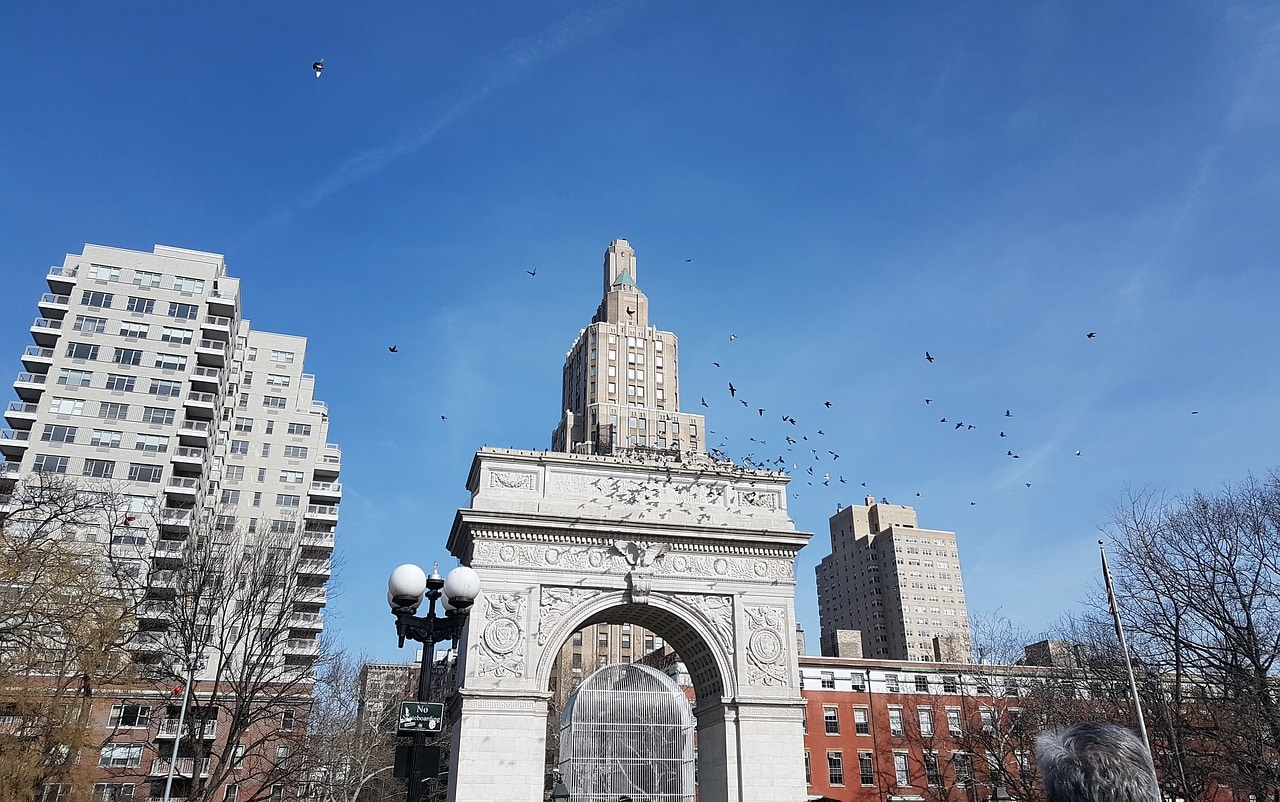
The Washington Square Park originally served as a burial ground for the downtown settlement. During the park's construction, more than a thousand skeletons were exhumed to clear the way for the urban park as the settlement in Manhattan spread northward on the island.
In 1916, Marcel Duchamp and other Dada artists declared the park an independent state.
At the heart of the green park is a large round fountain, and beside it, in Garibaldi Plaza, stands the statue of the unifier of modern Italy. On the other side of the fountain is the Alexander Lyman Holley Monument, one of the most notable steel engineers of the 19th century. The park's symbol is the grand victory gate – the Washington Square Arch, at the northern entrance facing the fountain.
Click here for a guided tour of Washington Square Park and Greenwich Village…
Judson Memorial Church
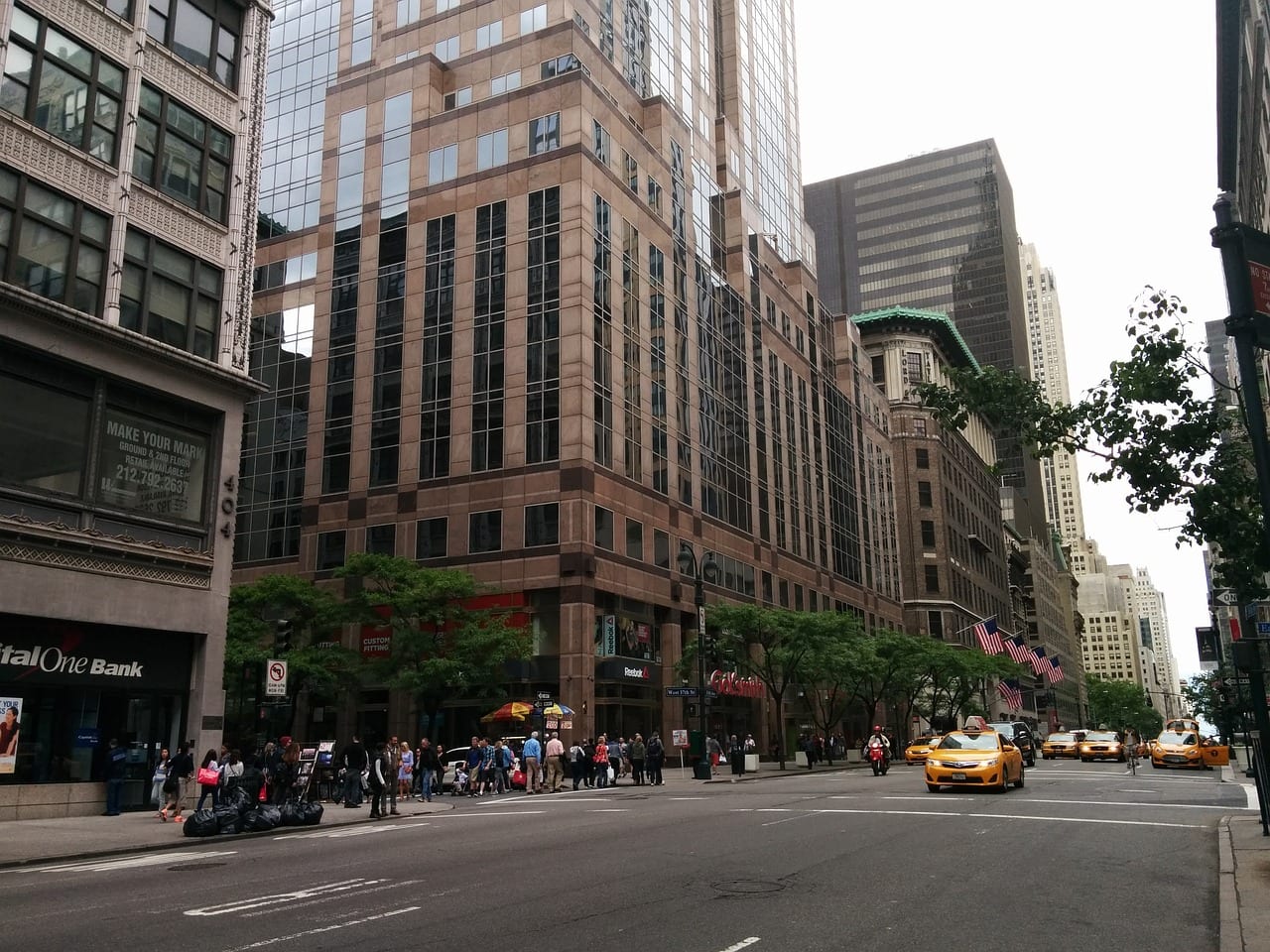
The neo-Romanesque church is located across from Washington Square Park to the south on Thompson Street. It was built in 1892 and is famous both for the formidable exterior of the building and for the beautiful interior space brimming with impressive collages.
The church is considered one of the most liberal in America, and its clergy are known for strong community involvement and the acceptance of social issues that most churches struggle with.
Washington Mews
One block north of Washington Square Park is the beautiful cobblestone street that was originally horse stables. The houses on the north side of the street were built in the early 20th century, and the south side was built about forty years later in the 1940s. The street was home to Gertrude Vanderbilt Whitney, the founder of the museum named after her in the Meatpacking District. There are two NYU-related houses on the street – Maison Française and Deutsches Haus, where activities and film screenings are held.
Church of the Ascension
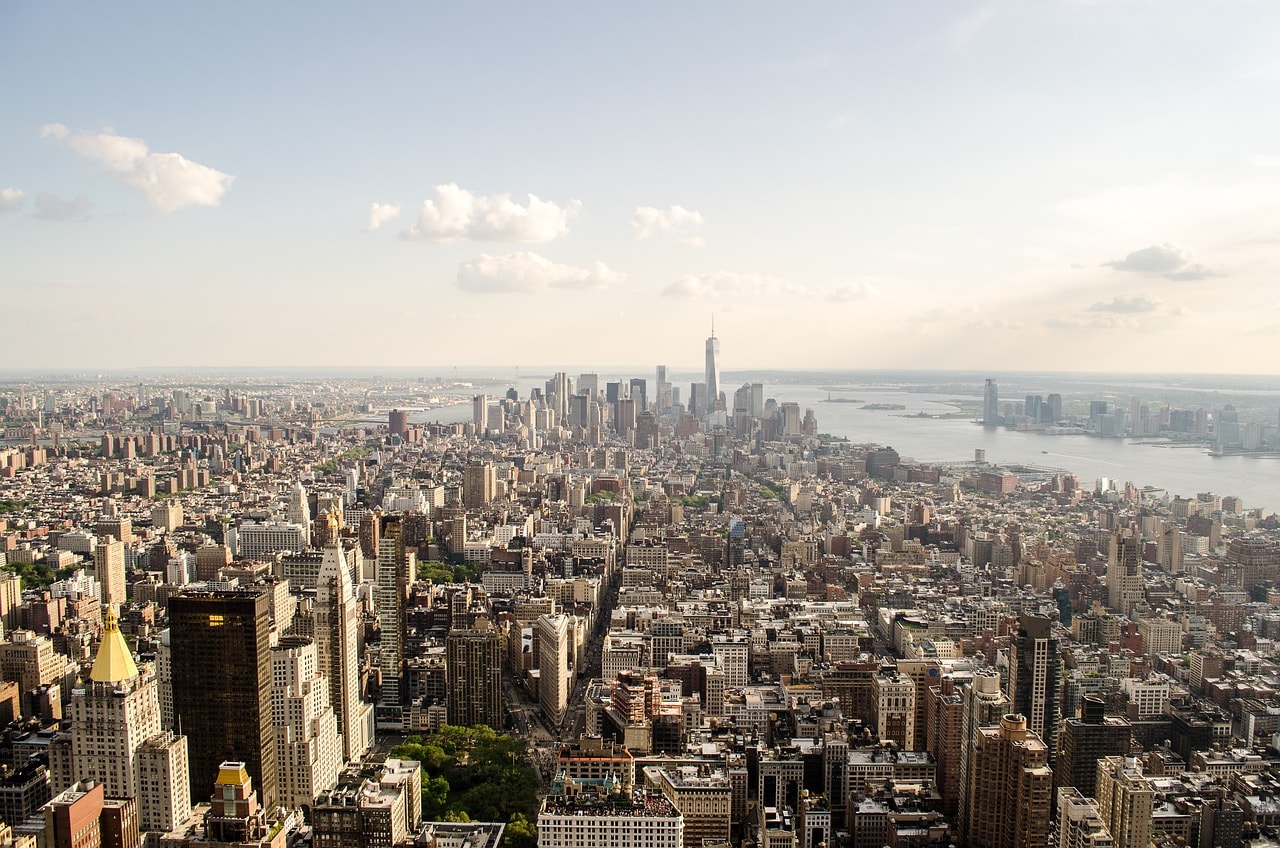
North of Washington Square Park on Fifth Avenue, Midtown Manhattan of New York actually begins. The streets intersect neatly with this central avenue, home to many shops, restaurants, and businesses. Between Washington Square Park and Union Square lies the quieter New York, bridging between the Midtown towers to the north and the Downtown towers to the south.
The Church of the Ascension of the Episcopal denomination dominates Fifth Avenue and the corner of West 10th Street. The church was built in the early 1840s and is known for the tall tower that towers over the street and above the relatively low houses in the area. This tower was inspired by the English architectural style of churches and abbeys. The interior space of the church is very impressive with colorful stained-glass windows, reliefs, and sculptures.
Click here for the Gangsters of New York tour…
The First Presbyterian Church
Situated north of the Ascension Church is the First Presbyterian Church, located on Fifth Avenue between 11th and 12th Streets West. The church was built in 1846 as a replica of St. Saviour’s Church in the city of Bath, England. Much like its Episcopal sister slightly to the south, this church also has a towering entrance that stands out above the Fifth Avenue skyline.
Macmillan Building
The clean limestone building is located slightly north of the two churches, on Fifth Avenue and 12th Street West. The building was constructed in 1925 as the headquarters for the Macmillan publishing house. It was later acquired by Malcolm Forbes and served as the headquarters for his economic magazine.
Address: 5th Ave, 60-62, New York