Midtown East of Manhattan – Luxury and Shopping
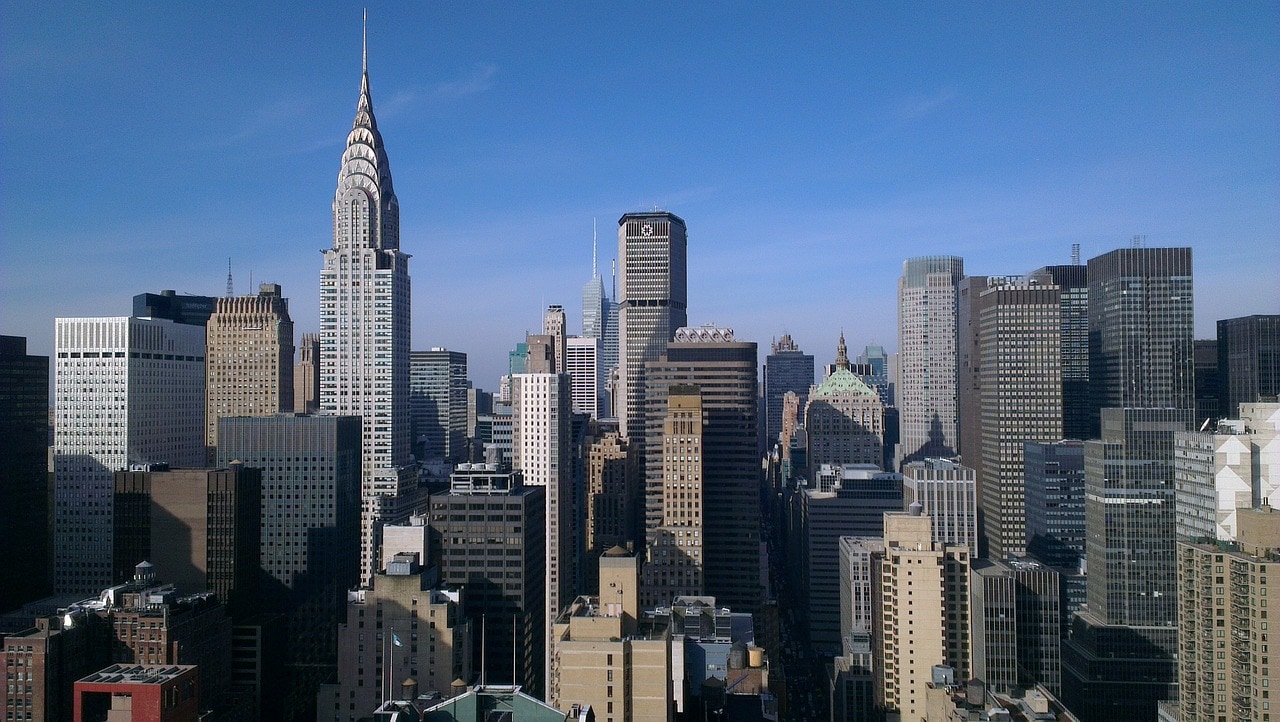
The eastern part of Midtown is among the important sightseeing areas in Manhattan. Between the East River to the east and Fifth Avenue to the west, there is an abundance of significant skyscrapers, international institutions, museums, and prestigious department stores. Fifth Avenue is the major shopping artery in Manhattan with many dazzling luxury brands. Above it are famous skyscrapers such as the Chrysler and MetLife Buildings, the cathedral named after Saint Patrick, and department stores, led by Saks Fifth Avenue, one of the most prestigious in the city.
- East of the avenue, up to the river line, are other important avenues such as Park Avenue, Madison Avenue, and Lexington, home to the famous Bloomingdale's department store, one of the city's icons
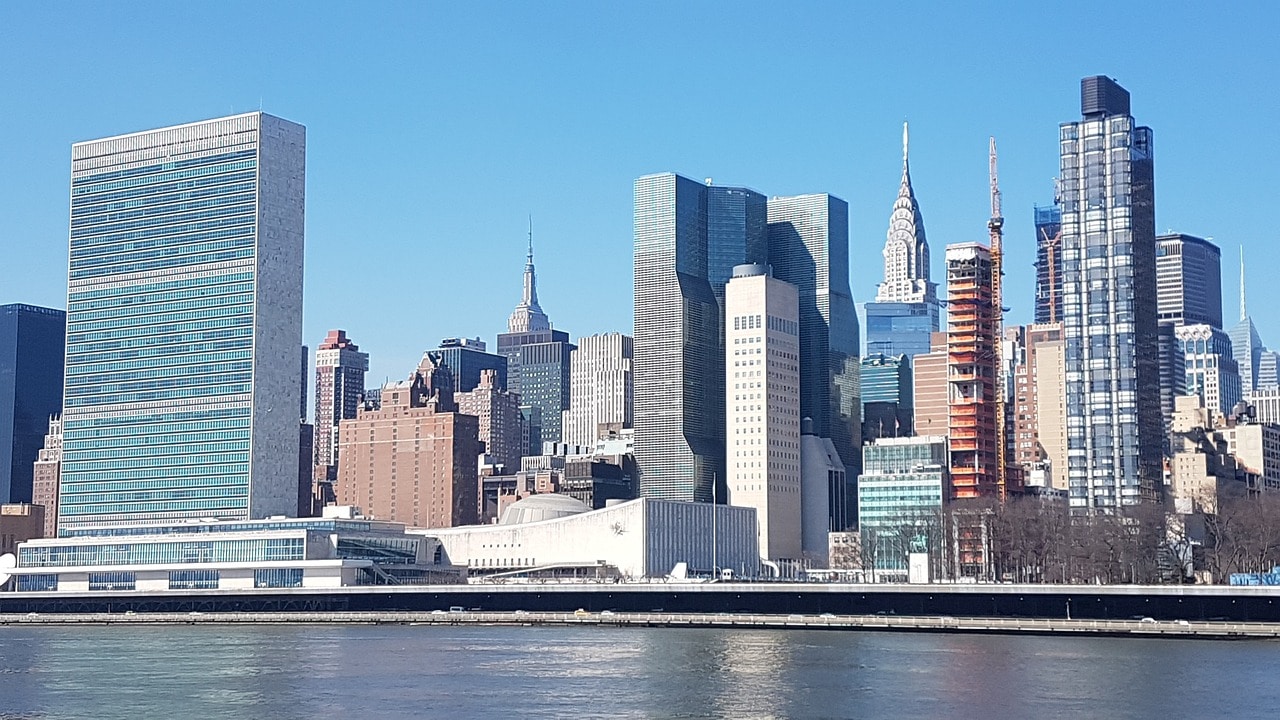
- Along the East River line are the UN institutions and the iconic building overlooking the river
Click here for all the information on traveling to New York City…
How to Get to Midtown East?
The green subway line (4, 5, and 6) crosses Midtown East from south to north along Park Avenue (in the southern part of Midtown) and Lexington Avenue (in the northern part of Midtown) and continues to the Upper East Side. Along it are stations providing easy access to all of Midtown East's attractions. Many other lines connecting Manhattan with Queens cross through Midtown East, allowing access from Times Square or Penn Station.
10 Must-See and Do Things in Midtown East
- Breathtaking view of the Chrysler Building
- Luxury shopping at Bloomingdale's
- Super luxury shopping on Fifth Avenue
- Tour the UN complex on the East River
- The illuminated manuscripts at the Morgan Library & Museum
- The decadence of the '80s in Trump Tower
- Mass at St. Patrick's Cathedral
- The Main Concourse of Grand Central
- The uncompromising elegance of the Cathedral Dome at the General Electric Building
- Learn about the history of architecture from the massive MetLife Building
Click here for a list of 12 great hotels in Manhattan…
Click here to check availability and prices in Midtown Manhattan hotels…
Midtown East Manhattan Map
The Main Avenues of Midtown East
Fifth Avenue
In the urban planning of Manhattan north of Downtown, Fifth Avenue is probably given the greatest importance. This massive avenue is designated as the commercial heart of Midtown, stretching almost the entire length of Manhattan, from Washington Square Park in the south (NYU, the northern part of Downtown) to the Harlem River at the northern tip of Manhattan, not far from Yankee Stadium in the Bronx.
Click here for a guided tour of famous New York sites featured in movies…
The avenue runs along the east side of Central Park in what's called Millionaire's Row on the Upper East Side, featuring ultra-luxurious apartment buildings with park views. But its most important stretch is in Midtown, between 59th Street (the southern border of Central Park) and Madison Square Park.
This section hosts the avenue's largest and most significant buildings – the Flatiron and Empire State Building on the south end, and Rockefeller Center and St. Patrick's Cathedral in the area known as the Diamond District. The avenue is lined with a staggering number of skyscrapers, shops, department stores, restaurants, and everything that represents American capitalism at its most dazzling.
Madison Avenue
East of Fifth Avenue runs Fourth Avenue, named after the fourth President of the USA, James Madison. This avenue stretches from New York University (NYU) in the south to the Madison Avenue Bridge connecting Harlem with the Bronx. Originally, this avenue was not part of the urban plan of Manhattan north of downtown (Commissioners' Plan of 1811) and was only paved in 1836 between Park Avenue – Fourth Avenue and Fifth Avenue. Over the years, the avenue became associated with the advertising and marketing world, epitomized by the popular current series Mad Men.
Click here for the guided tour app in Midtown Manhattan…
Park Avenue (formerly Fourth Avenue)
Similar to Fifth Avenue, Park Avenue also played an important role as a main thoroughfare and commercial avenue in Manhattan, north of Downtown. The avenue runs from the Harlem River and the Bronx in the north to Union Square. Unlike its parallel avenues, it does not continue southwards and stops at 14th Street. The avenue was planned as an important transportation artery, with Grand Central, the former central train station of New York, at its center.
Click here for a guided tour of Midtown Manhattan + admission to a guided tour at the MoMA…
Lexington Avenue
The Lex, as it's known, runs from north to south between Third Avenue to the east and Park Avenue to the west. The relatively short avenue stretches from Gramercy Park in the south to the Harlem River and the Bronx in the north. The avenue has a more local and neighborhood feel, both in the Upper East Side and Midtown.
Click here for the New York Superheroes Tour, following Spider-Man and other superheroes…
The avenue is not part of Manhattan's original plan from 1811 but was only paved in 1832. The peak of the avenue's fame is the iconic scene of Marilyn Monroe in the movie The Seven Year Itch from 1955. In the scene, Monroe's dress flutters in the wind over the subway ventilation grates at Lexington and 51st Street beneath the General Electric building.
All the Must-Visit Places in Midtown East
Bloomingdale's
New York's luxury department store is located on an entire block between Third Avenue and Park Avenue and 59th and 60th Streets. Originally, the department store was founded in 1861 by Benjamin Bloomingdale and his son Lyman. Bloomingdale was a Jewish immigrant from Bavaria in southern Germany and initially operated in a location on the Lower East Side.
The department store moved to several locations in Midtown North until settling in its current location in the 1930s. Since then, the department store has become one of the most prestigious and popular in New York. The flags above the entrance from Lexington Avenue have appeared in numerous movies and TV series (many times in the series “Friends”), and there's hardly an American TV show set in New York whose characters haven't visited the department store at least once.
Click here for the self-guided app tour around Midtown…
Trump Tower
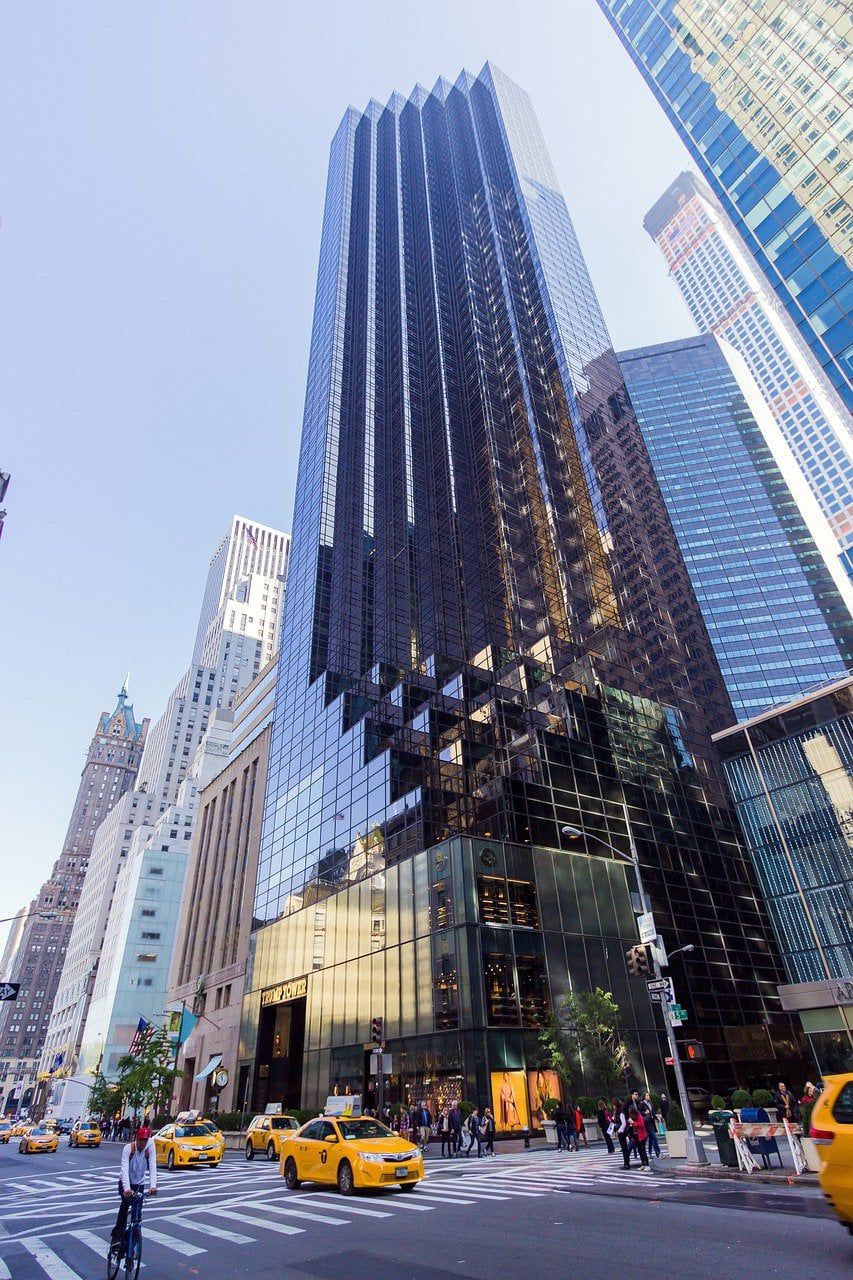
The tower of Donald Trump, a billionaire, personality, and the 45th President of the USA, is one of the city's unique landmarks for various reasons. The tower is located in the northern part of Midtown on Fifth Avenue, between 56th and 57th Streets. Trump Tower was built in 1983 and perfectly embodies the essence of 1980s New York with all the good and bad it had to offer. The sparkling tower exudes luxury and character, reminiscent of all the 1980s New York movie clichés with cocaine, Wall Street, and tons of money.
The interior of the building is lavishly adorned with kitsch luxury elements, featuring pink marble, plenty of gold, a waterfall, flowing canals, and more. The tower houses shops, dining spots, and mainly lavish residences. The tower stands 200 meters tall and has 58 floors. Next to the tower is the famous Tiffany & Co store (the store from Truman Capote's Breakfast at Tiffany's and the song, of course). The luxury jewelry store is known for its rare elegance and meticulous attention to design details. The contrast between the tower and the flagship store is simply breathtaking.
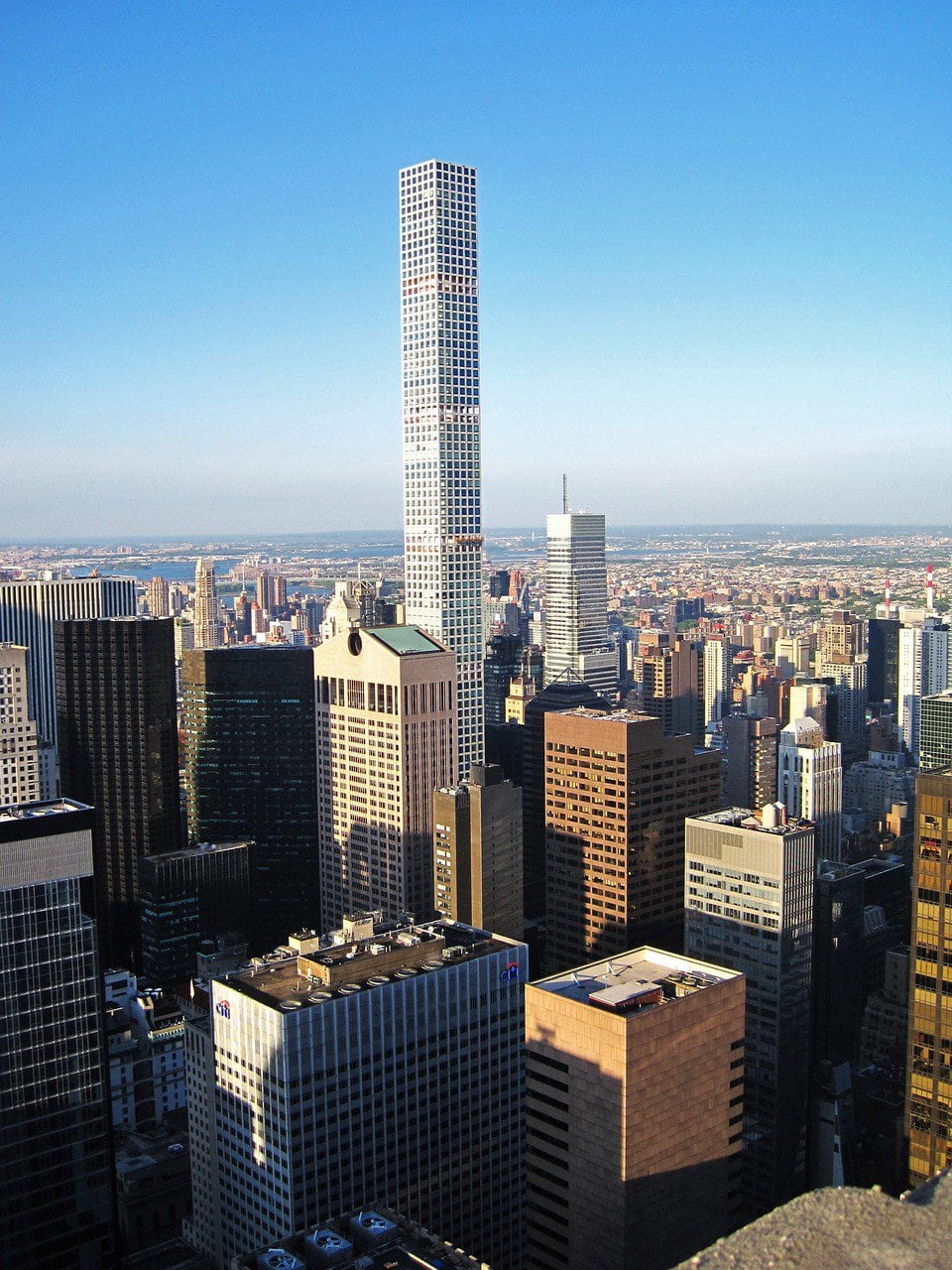
At the rear of the block of Tiffany's and Trump Tower lies another important tower – the IBM building. The tower, which is 42 stories high, was built simultaneously with the Trump building and opened in 1983. At the entrance of the building is the abstract sculpture Levitated Mass by the sculptor Michael Heizer. Beyond the avenue stands another impressive skyscraper, 432 Park Avenue, the fifth tallest building in New York, dedicated entirely to luxury residences.
Central Synagogue
One of the oldest buildings on Lexington Avenue is the Central Synagogue of New York. The synagogue has been continuously active since 1870 and is located at Lexington and 55th Street, not far from Bloomingdale's. The Central Synagogue is the largest and most important Reform institution in New York, centralizing the activities of the extensive Upper East Side community.
Beyond its community significance, the synagogue is also a beautiful architectural gem. It was built in a style that combines Islamic elements, primarily evident in the two towers at the entrance representing the pillars of Solomon in the destroyed Temple. Between the towers is a giant rose window, and flanking the buildings are impressive arch windows, also in an Islamic style. The interior of the building was inspired by the Alhambra Palace in Granada, a Moorish palace from the 13th century built in the Spanish city.
St. Patrick's Cathedral
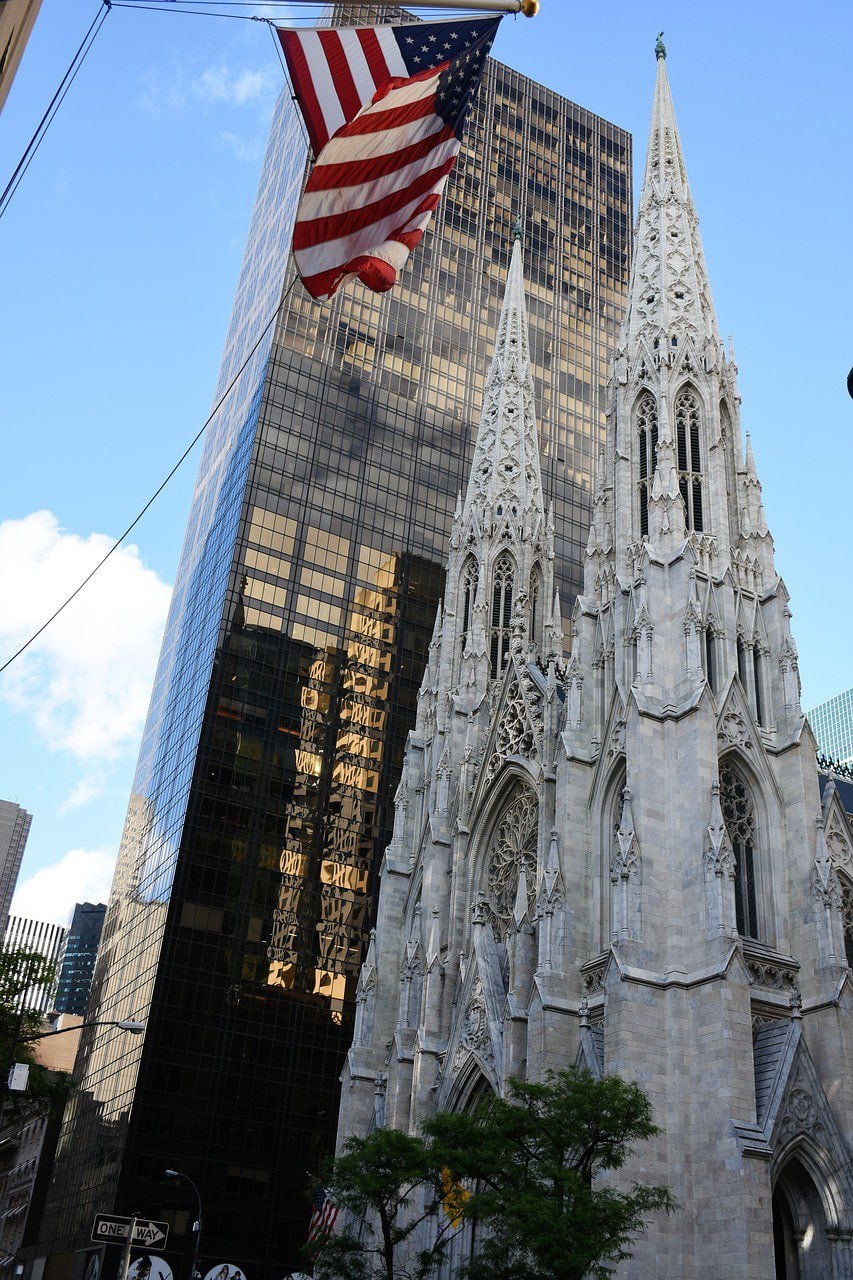
The seat of the bishop in New York, the city's cathedral, is the largest of the Catholic churches in the USA. The cathedral occupies an entire block between Fifth Avenue and Madison Avenue and between 51st and 50th Streets, not far from Rockefeller Center. The impressive neo-Gothic building was constructed in the mid-19th century and completed in 1885 with the placement of two impressive towers at the entrance.
The church is very impressive in its dimensions, although it pales in comparison to the sparkling skyscrapers nearby. Its interior is richly decorated with artworks and sculptures of religious themes, befitting a Catholic institution whose goal is to awe the believers.
Click here for a guided tour along 42nd Street from East to West…
Saks Fifth Avenue
The luxurious department store is adjacent to St. Patrick's Cathedral from the south. The department store, true to its name, is a clear symbol of wealth and power on Fifth Avenue. This department store is the flagship branch of the American chain founded by Andrew Sachs, a son of Jewish immigrants from Germany in the mid-19th century. The New York store opened in 1924 and has since become synonymous with wealth and luxury. It established Fifth Avenue's location in Midtown as the core of New York's luxury together with other luxury institutions such as Tiffany, luxury jewelry stores, and designer boutiques.
Morgan Library and Museum The Morgan Library & Museum
The library and museum named after banker Pierpont Morgan is one of the most magical and surprising places in New York. The library is located on Madison Avenue and 37th Street, not far from Bryant Park and Times Square.
The library boasts an impressive collection of rare and original manuscripts, rare books, prints used for literature, and many more original elements of the printing world. Among the exhibits in the museum are original illustrations by the British poet/painter William Blake. The library is now a public place open to the public and can be visited. The library's interior is also stunning, with a particularly rich design ranging from classical to baroque elements.
Address: 225 Madison Ave, New York
For current opening hours and entrance fees, click here…
To purchase the New York CityPASS online, click here…
Waldorf-Astoria New York Hotel
One of the most luxurious and important hotels in New York, along with the Plaza, is located on an entire block between Park Avenue and Lexington, and streets 50 and 49. The original hotel stood where the Empire State Building currently is and was demolished to make way for this New York icon.
The current structure, located in a prestigious spot, was built in 1931 in a stunning Art Deco style. Above the structure rise two towers, each 190 meters high, marking the charm of this magnificent building. The hotel itself is luxurious and exclusive, bustling with celebrities and an important part of New York's golden era.
General Electric Building
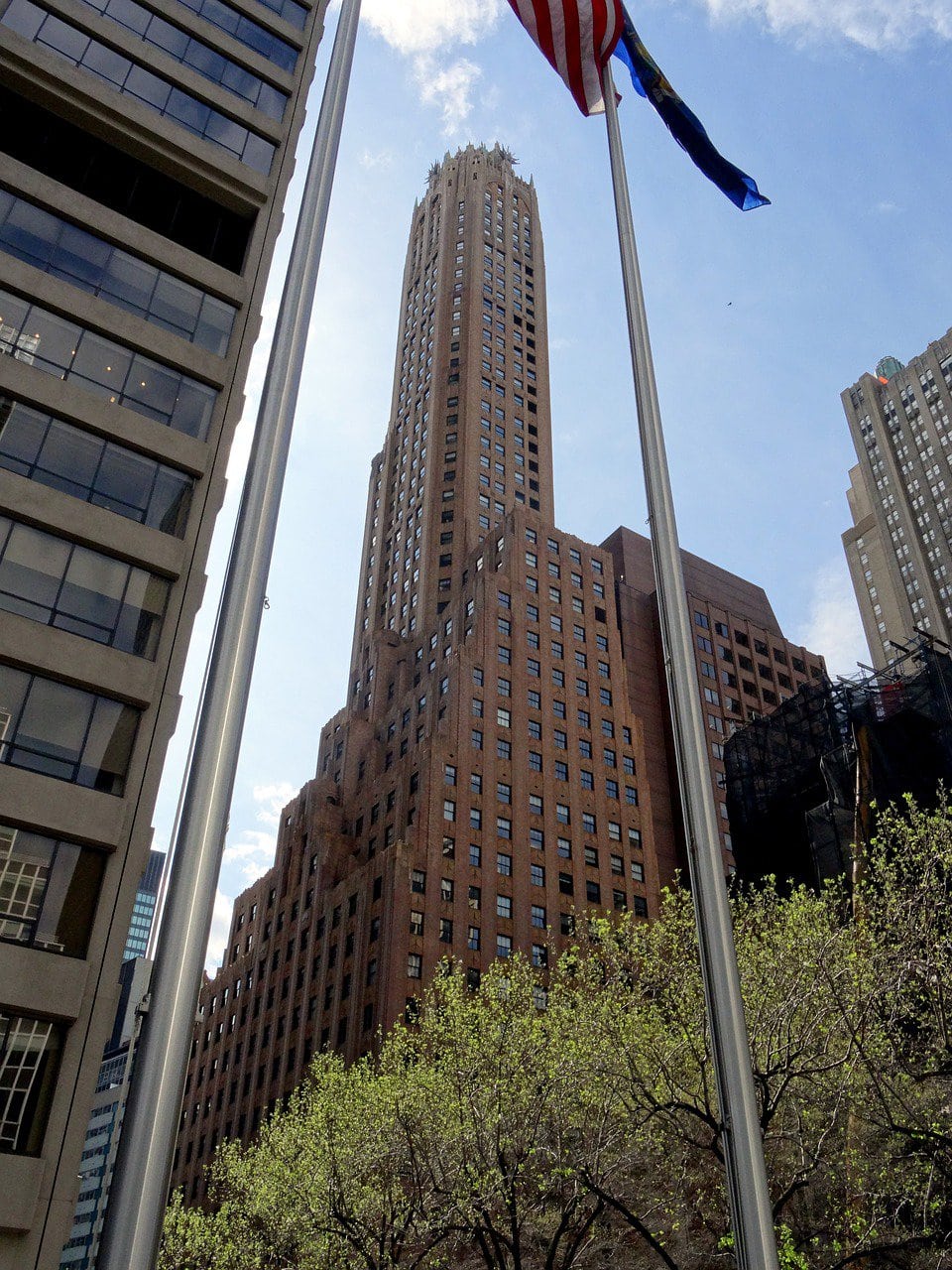
The tower of the American giant company is located on Lexington Avenue and 51st Street, slightly north of the Chrysler Building. This skyscraper is one of Manhattan's most beautiful and, like the Chrysler and Empire State Building, faithfully expresses the unique character of the architecture that built classic New York. The building was constructed in the 1930s with exquisite elegance. The long and narrow tower is crowned with a dome inspired by Gothic cathedrals, designed to harmonize with St. Bartholomew's Church, which adjoins it to the west.
MetLife Building
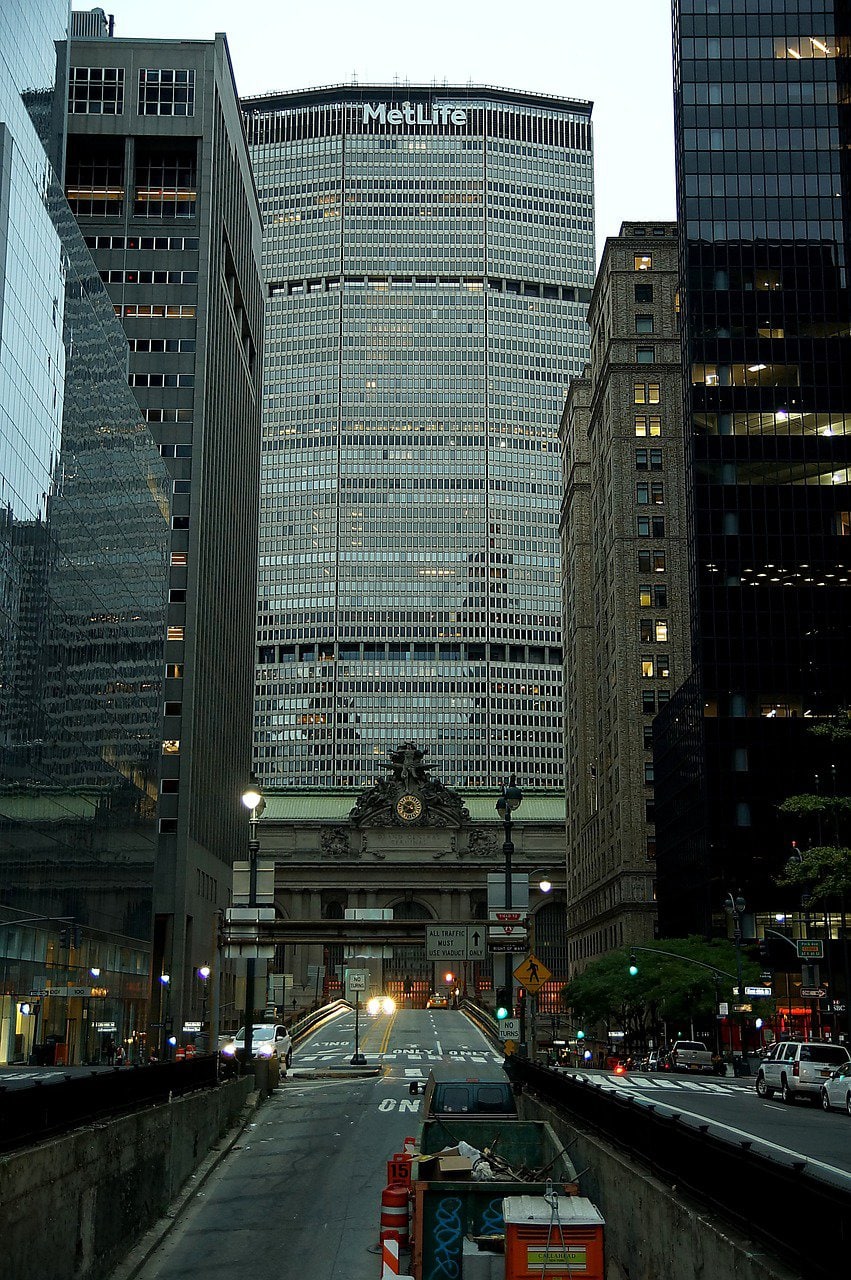
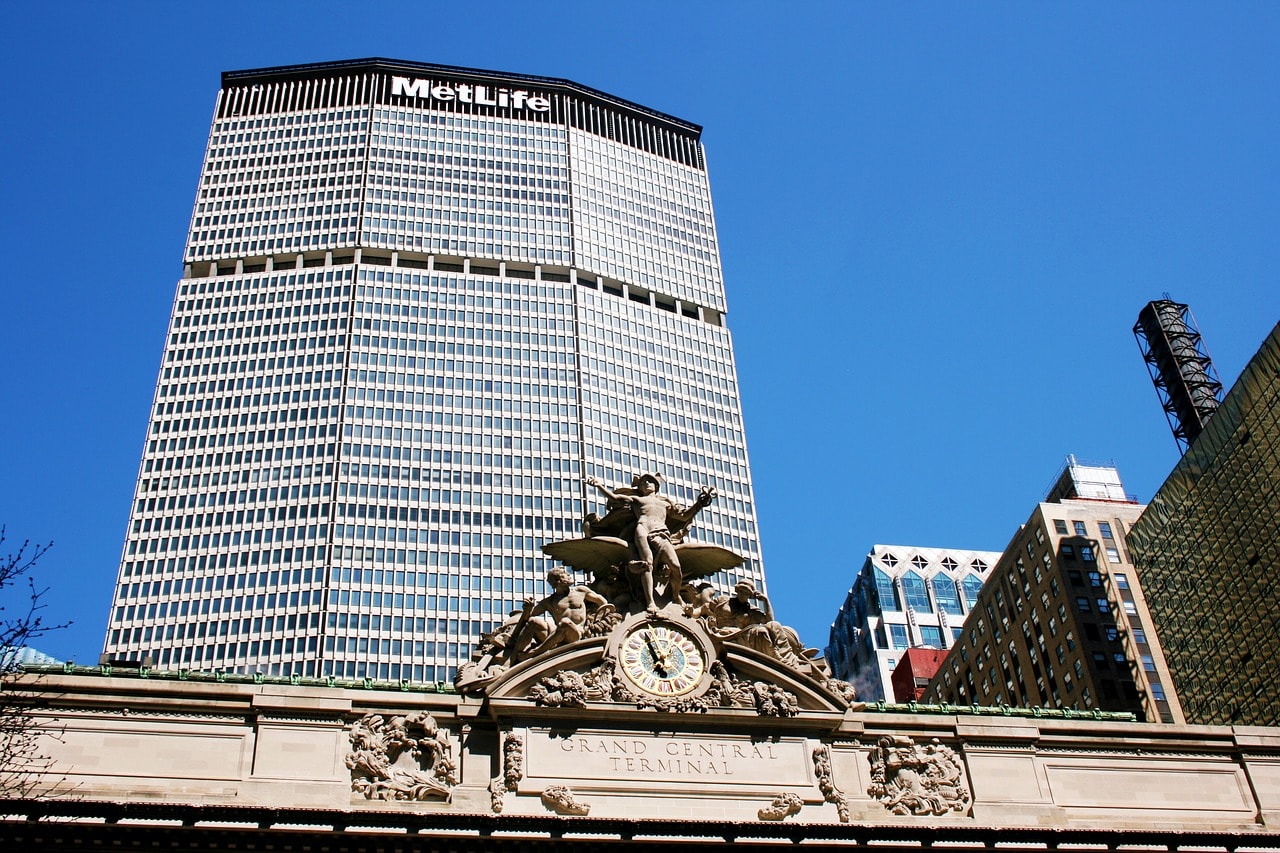
The MetLife is one of the most impressive and controversial skyscrapers in New York City, a city filled with all sorts of skyscrapers. The MetLife stands above Grand Central Station on Park Avenue at 45th Street. The building was designed by architects of the International Style: Pietro Belluschi, Richard Roth, and Walter Gropius, the founder of the Bauhaus Movement. The building itself stands out in Manhattan's skyline, and many New Yorkers despise it.
True to the International Style, the massive building dominates the landscape aggressively, with vast floor spaces reminiscent of international-style railway buildings in communist countries. When it was built, the building housed the offices of Pan Am Airlines, and today it hosts the offices of the Metropolitan Life Insurance Company. The company's enormous sign towers at the top of the skyscraper, serving as a piece of advertisement.
Grand Central Station
Grand Central was once an important train station in Manhattan, but due to its limited size and inability to expand (mainly because of the giant MetLife building above it), it now serves primarily as a metropolitan transport hub. More than its transportation function, Grand Central is known as a fantastic tourist site where you can witness the neo-classical architectural style of New York.
The station was opened in 1913 by Cornelius Vanderbilt. The main hall of the station is a well-known New York icon, featuring the famous information clock that faces four corners. The station's facade is also very impressive, with classical-style sculptures themed around Greek gods.
Click here for a guided tour following the secrets of Grand Central Terminal…
Chrysler Building
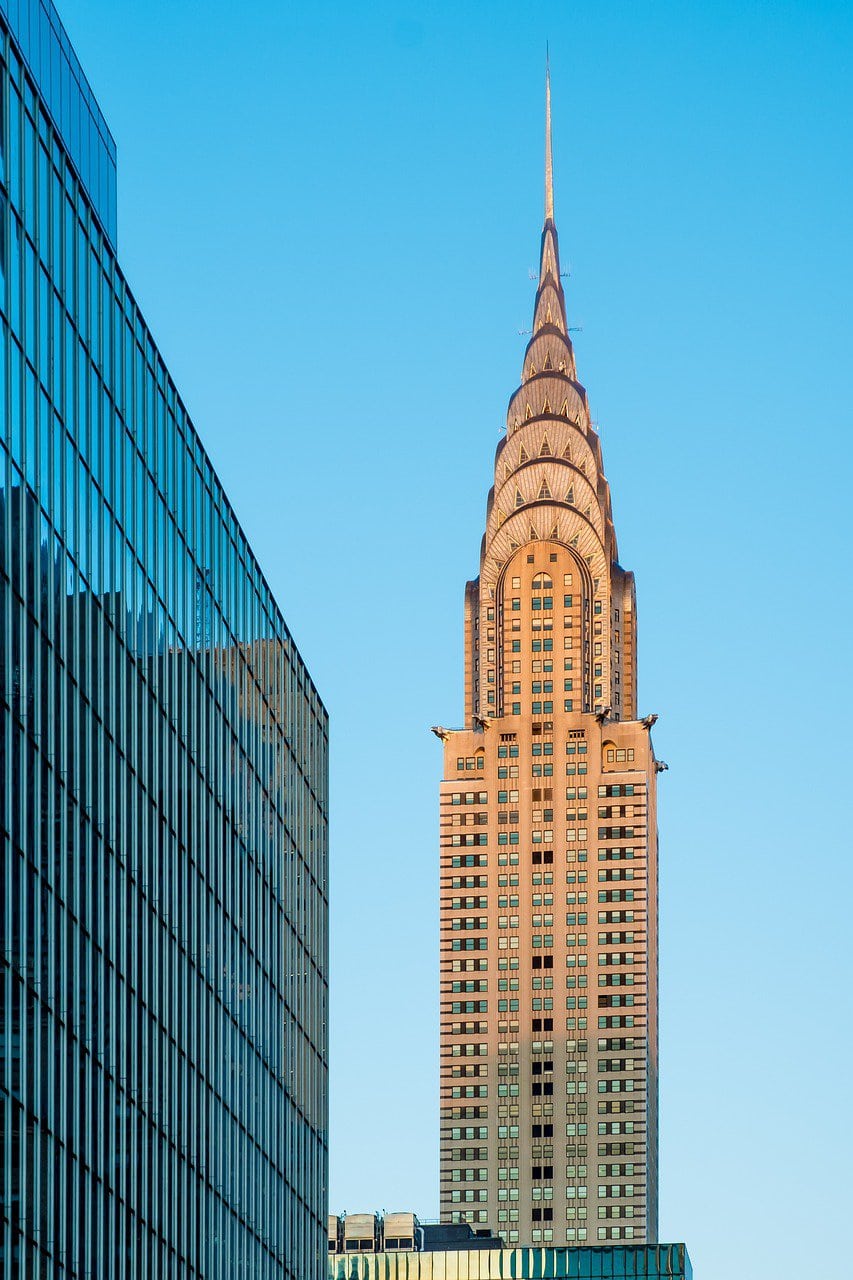
The Chrysler is one of New York's iconic landmarks and among the most famous skyscrapers in the world. The building bears the name of Walter Percy Chrysler, a titan of American industry and head of the car company named after him. Chrysler wanted to immortalize himself and his brand in New York, and in 1930 he completed the funding for the construction of the stunning skyscraper.
The spire at the top of the tower is the signature mark of the skyscraper. The Art Deco style spire, with its concentric circles built like a pyramid, is reminiscent of the radiator cap in car models. The tower itself hosts a multitude of Art Deco designs inspired by the automotive world, and its entire interior design also draws from the car aesthetics of the period.
Upon its completion, the Chrysler was the tallest tower in the world, a record it held for only a few months until the almost neighboring Empire State Building was completed.
Despite being second to the Empire State Building, it remains one of the most beloved and iconic towers from the golden age of skyscraper construction in the 1920s and 1930s. The tower is still one of the most beautiful architectural gems in the entire USA. The building stands at 282 meters tall without its top mast and has 77 floors.
For an evening cruise on the Hudson and a breathtaking view of Manhattan's skyline, click here…
United Nations Headquarters Building
The United Nations Headquarters is the pinnacle of the American empire's international power. The famous skyscraper was built on land donated by John Rockefeller on the east bank of the East River, not far from the southern tip of Roosevelt Island. The structure was designed by the famous Brazilian architect Oscar Niemeyer. The building was officially inaugurated in January 1951 and since then has been a fertile ground for all that is wrong in world politics. The tower's height is 155 meters and it has 39 floors.
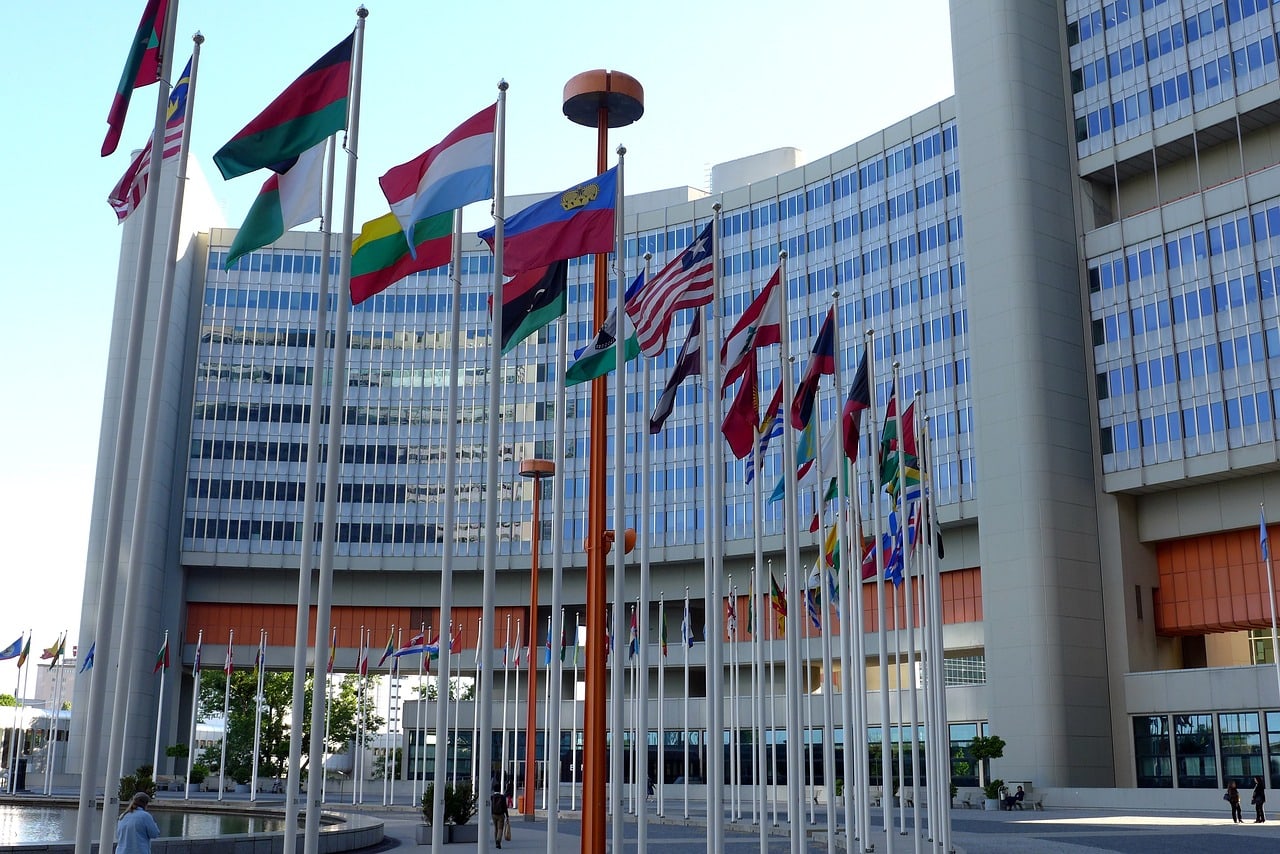
At the foot of the tall building lies the United Nations General Assembly Hall. In this building, meetings of the assembly are held with representation for all member states of the body. Next to the assembly hall is another hall, the conference hall, where the Security Council convenes with its 15 country representatives around the famous round table. At the entrance to the complex, the row of world flags forms one of the most photographed locations in New York.
Dag Hammarskjöld Plaza
The plaza, named after the UN Secretary-General, is located opposite the UN complex. Hammarskjöld was a Swedish diplomat who served as the UN Secretary-General during the turbulent Cold War period from 1953 until 1961 when he died in a (probable) plane crash in Rhodesia.
The plaza is a kind of beautiful green square inviting visitors towards the UN buildings. South of the complex is the Murray Hill residential neighborhood, where you'll find the Tudor City building, an enormous urban structure intended to provide housing for the urban class. The goal of this massive building was to be a city within a building. Further south is the Kips Bay neighborhood, also located along the East River.